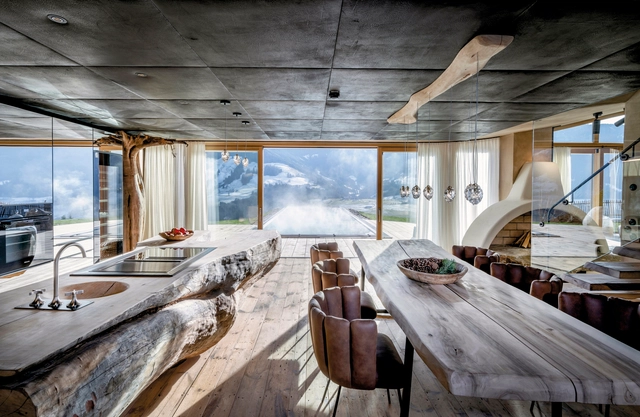
Located in the municipality of Leogang in the Salzburgerland province, Austria, the Priesteregg Premium Eco Resort resides on a plateau at a height of 1100 meters. Opened in 2009, the resort comprises 15 chalets and three villas, and is surrounded by lush mountain pines, Alpine roses, and bilberry bushes. This setting offers relaxation and breathtaking views of the Leogang Steinberg Mountains, the Steinernes Meer with the Hochkönig, and Kitzbühl Schieferalpen.
The resort's development has been influenced by traditional agricultural land use, leading to a conservationist approach. This includes sustainable energy concepts, support for regional producers, and the use of natural materials in the entire resort. In the three villas, the W2 Manufaktur studio and architect Ulrich Stöckl have curated interiors that blend rustic Alpine style with modern luxury, featuring products from Dornbracht. Each villa uniquely combines natural materials, natural features, and a variety of the brand's fittings and fixtures.
Videos
Turning waste into beautiful flooring. Image Courtesy of Bolon
In contemporary architecture, recycling has evolved from a desirable to an unavoidable necessity. This change is mainly due to the growing climate crisis, accentuated by the constant presence of waste (for which no use has been found beyond the initial one).
This approach has stimulated the creation of innovative materials to reuse waste in various contexts. A notable example is the case of woven flooring and rugs, where Bolon took a step forward in 1949 by transforming textile waste into stylish products. Since then, they have continued to innovate in materials, fusing the traditional flooring branch with sustainable creative design.
https://www.archdaily.com/1014951/walk-on-waste-weaving-waste-into-stylish-floorings-and-rugsEnrique Tovar
The Basque Country Architecture Institute and Arc en Rêve Centre d'Architecture, with the support of the Department of Territorial Planning, Housing and Transport of the Basque Government, have announced the first edition of the European Collective Housing Award. This new award aims to highlight the value of collective housing as a cornerstone of the architectural heritage of an entire continent, and to promote innovation, inclusion and environmental responsibility in its design. Submissions are now being accepted until 7 May, 2024.
The aim is to showcase the architecture of collective housing constructions and their positive impact on society, while raising awareness of the importance of housing policies and their constant renewal. The European Collective Housing Award thus aims to generate a critical debate about housing, the right to quality domestic, everyday architecture, while also proclaiming the value of European-style collective housing, with a richness, diversity and multiplicity of options once more serving as the best possible tool to revitalize cities, policies and generational aspirations.
Flexibility has become a distinctive feature of contemporary interiors, driven by factors like the evolution of architectural programs and the progressive reduction of interior spaces, among others. This transition has shifted interiors from static to dynamic, aiming to achieve a state-of-the-art balance in space configuration. This sentiment is well encapsulated by Ricardo Bofill's statement that "architecture is the art of structuring space."
Considering the intricacies of interiors, it is essential to foster versatile spaces, aided by elements such as multipurpose design and flexible furniture. However, a challenge arises: while these strategies redefine the boundaries and dynamic essence of interiors, aspects like acoustics are often overlooked, which has become crucial in environments such as offices, conference rooms, schools, auditoriums, etc. Therefore, improving acoustics becomes essential to create functional multipurpose interiors. In that sense, Skyfold’s operable walls are an interesting alternative, as their solutions can serve as both soundproofing barriers and design pieces.
https://www.archdaily.com/1014623/movable-walls-the-transformative-effect-of-retractable-and-folding-partitionsEnrique Tovar
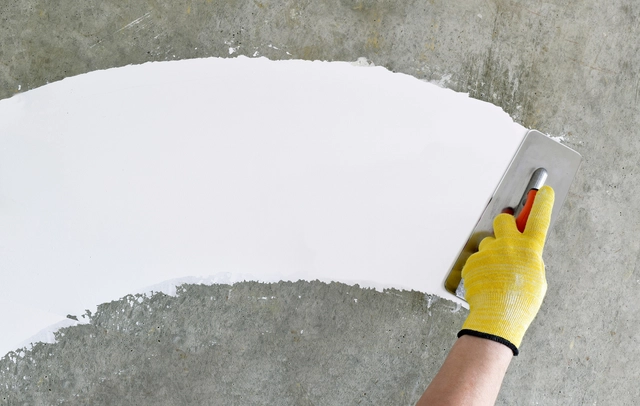
Surface preparation is crucial in ensuring the longevity and effectiveness of coatings in construction. In fact, studies show that up to 80% of premature coating failures can be attributed to inadequate surface preparation. These failures typically manifest in the form of peeling, blistering, and cracking, which diminish a building's appearance and compromise structural integrity.
Building façades are highly visible and exposed and bear the brunt of environmental factors. Poor surface preparation has a direct impact on the long-term performance and appearance of façade finishes, which can in turn suffer from accelerated degradation, necessitating frequent maintenance and repairs.
In the world of architecture and design, traditional methods of showcasing 3D designs via 2D floorplans, renders and video walkthroughs are standard practices. However, they lack one important thing: immersion. For clients, it is hard to visualize spaces by looking at 2D representations. This has led to a need to quickly create immersive environments that clients can understand better from existing 3D software like Enscape, V-Ray, Lumion or Twinmotion.
Using 360 panoramas, architects and designers can now bring existing designs into virtual reality (VR) within minutes. This article will serve as a guide on how to convert your 3D designs into lightweight web and VR experiences using 360 panoramas.
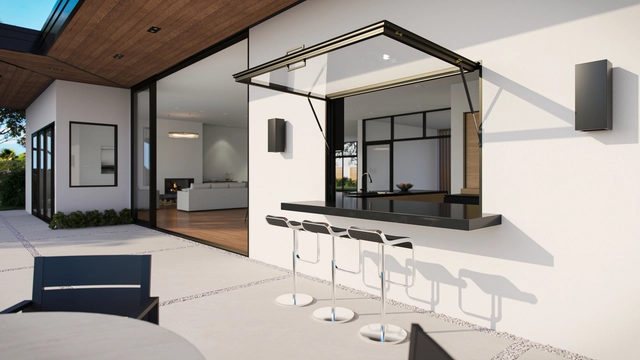
The desire for fluid integration between spaces has become increasingly relevant in contemporary architecture. This reflects a search for more connected and harmonious living experiences, especially in urban environments, where the cityscape can saturate us. By transcending conventional boundaries and blurring the lines between interior spaces and the vast outdoors, living environments can be created to celebrate connectivity, sustainability and the well-being that comes from being alongside nature. These types of integration not only make it possible to unite spaces with their surrounding contexts, but also to segment indoor environments when necessary, maintaining a visual connection while keeping them functionally separate. By creating these integrations, architects and designers allow spaces to merge with each other or with nature, promoting a sense of tranquillity, balance and rejuvenation, as well as integration and fluidity—a seamless transition that blurs the distinction between the two. This is achieved through architectural elements such as large windows and doors, which dissolve barriers through the simple action of opening and closing.
Business as usual cannot continue if we are to strive towards a more sustainable building industry. Our methods and strategies must transform and adapt to an entirely new way of thinking.
This is why the Living Places concept was developed by the VELUX Group, in partnership with EFFEKT Architects and Artelia. It highlights how rethinking building principles can address global climate and health challenges. Powered by this idea, Living Places Copenhagen, the concept's first prototype, presents a physical example that shows how to build more sustainably while maximizing indoor comfort.
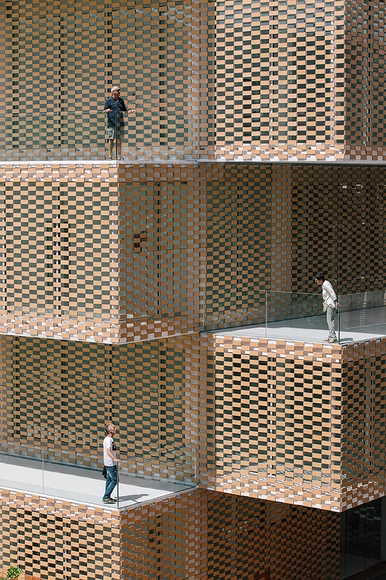
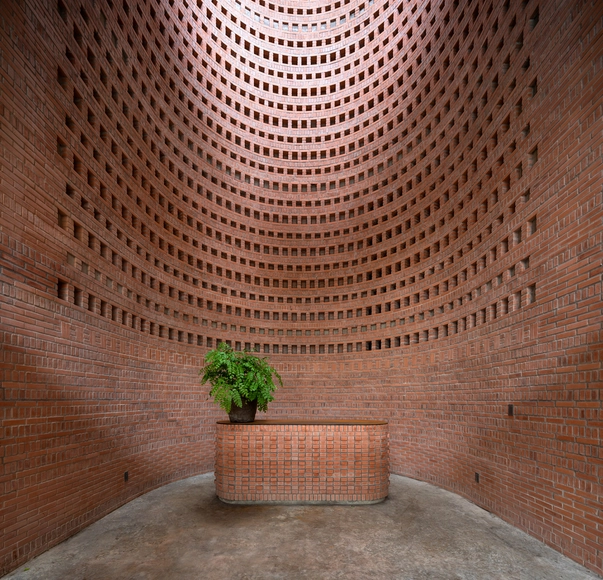
When considering traditional brick facades, we usually conjure up images of solidity and robustness. Solid ceramic blocks, recognized for their ability to withstand compression and offer strength and durability to structures, are materials frequently used in architecture. However, innovation in construction materials has made space for solutions that combine tradition and modernity, transforming the use of materials such as brick. In contemporary construction, the integration of solar control measures has become essential to improve the energy efficiency of buildings, especially in hot climates where the need to mitigate the effects of solar radiation is critical. This is one of the areas in which brick can play a significant role, aided by new technologies.
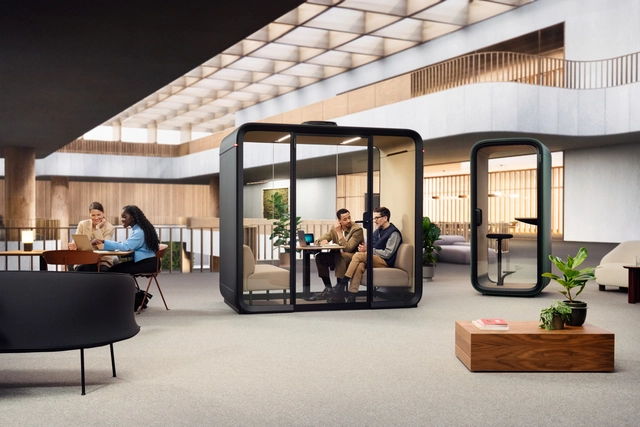
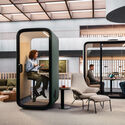
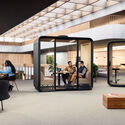
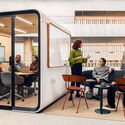
Framery Four, the smart meeting pod for up to 4 people. Image Courtesy of Framery
After becoming used to the comfort and autonomy of remote work, experts predict that workplace culture will never completely return to the way things were. Companies can maximize the productivity of their workforce by blending the flexibility of remote with the creative collaboration of in-person work in a hybrid system; but while spare rooms and kitchen tables have been sacrificed to carve out comfortable workspaces at home, the office space—originally designed around a 100% in-person system—needs to accept change too.
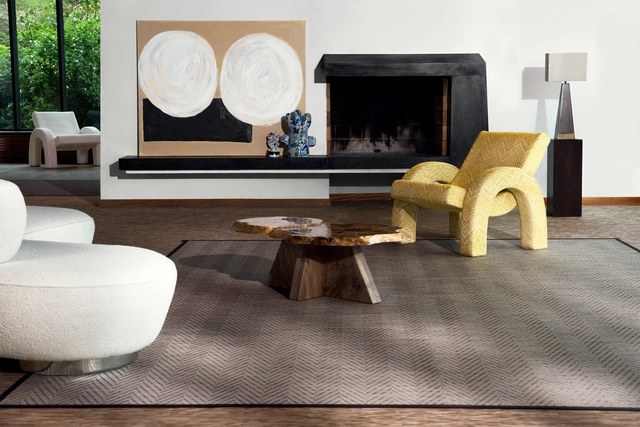
Each piece of furniture, be it a table, a chair, or a sofa, is much more than just a functional element. It is a bearer of stories, a keeper of memories, and a reflection of the craftsmanship of those who brought it to life. When it comes to wooden furniture, this connection with history and skill is even deeper; every grain, knot, and shade tells the story of the tree it came from, and the craftsmanship of the artisans is manifested in the curves and joints. In the contemporary context, where mass production and fast-paced trends tend to standardize the world around us, furniture making remains a beacon of authenticity, and wood continues to be highly prized. It's a haven where exclusivity and connection with the natural are celebrated, resisting the passage of time.
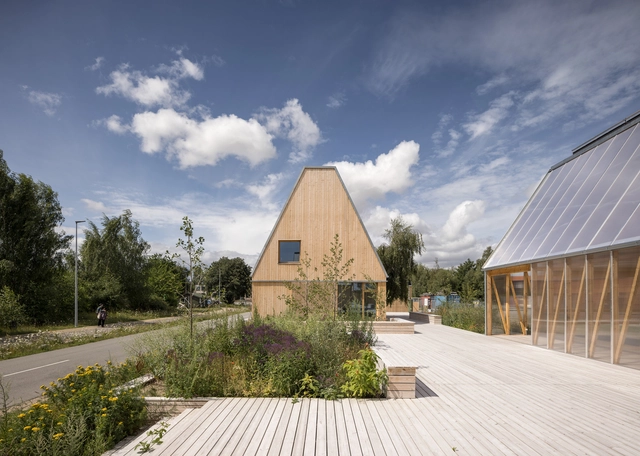
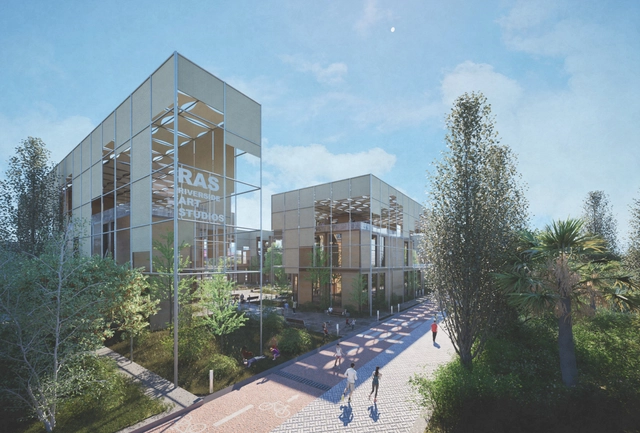
Riverside Art Studio by Patrizio Maria Puppo & Martina Di Marco (Winner). Image Courtesy of Dar[e]-Europe
The Sustainable Hub in Seville emerged as an innovative concept through an open idea passive Sustainable Design Competition, launched in October 2023 with submissions received by February 2024. Spearheaded by Dar[e]-Europe, a renowned research firm based in Seville, Spain, the competition aimed to foster sustainable design solutions while promoting comfort for users with minimal reliance on non-renewable energy sources and environmental impact.
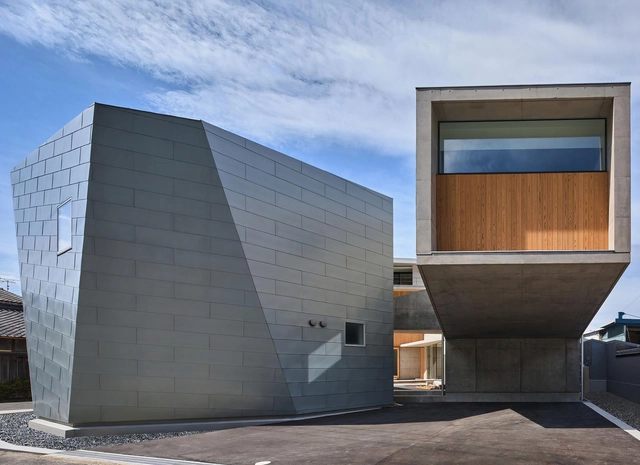
Credits: SpaceClip, Photographer: Mr. Daijiro Okada
In nature, zinc is mainly found as zinc sulphide ore or zinc carbonate, which is mined to obtain the metal. Once refined, it is used in a variety of applications, including metal alloys, battery manufacturing, medicines and supplements, as well as in the fabrication of pigments, chemical compounds and coatings. In the latter, which is used in architectural applications, zinc is well known for its weather resistance and self-healing properties and is highly durable, with a lifespan of up to 100 years, requiring minimal maintenance. In addition, because it is 100% recyclable and has a low environmental impact during its production, zinc is a sustainable choice for construction projects.
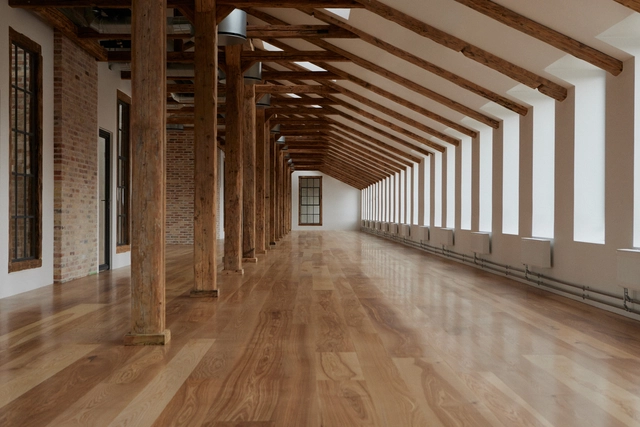
Flooring plays a fundamental role in defining the ambiance and atmosphere of a space. Among the variety of options on the market, solid wood plank flooring stands out as a timeless choice. Known for their classic beauty and enveloping textures, these floors not only enhance the visual aspect of a room but also provide exceptional thermal comfort, resistance, and resilience, able to withstand wear and tear and heavy traffic. Their easy maintenance and durability are further markers of their quality, making them one of the favorite choices of architects, designers, and homeowners in search of long-lasting elegance and functionality for their projects.
When we look at a meticulously installed floor, we often forget that it was once part of a tree that was taken through a series of processes to eventually become the flooring product beneath our feet. The round trunk of the tree naturally results in boards of different dimensions, from the wide widths of the central core to the narrower dimensions of the outer layers. Various methods can be used to optimize the use of these trunks, each with its advantages and disadvantages.
When we talk about the building envelope, we often make the analogy of a skin that protects and wraps the structure, creating a transition in the physical environment. This concept is interesting as it identifies that, similar to its function in humans, the skin plays a role in protecting and regulating the interior setting, besides contributing to the aesthetics of the building. In this way, both the human skin and the building envelope act as elements that respond to the stimuli of the surroundings and the life that develops within them. More than just protective barriers, they are experienced as means of active interaction with the context.
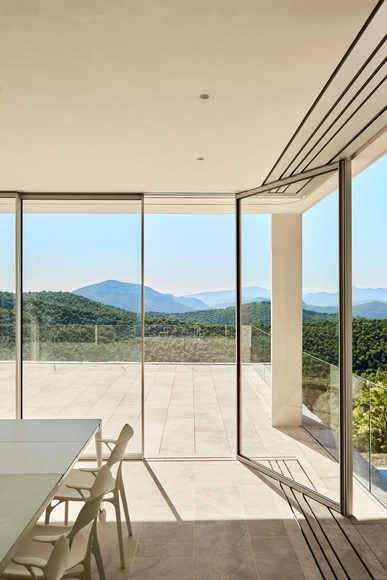
While envelopes evolve within diverse contexts, materials, and systems, minimalist windows distinguish themselves through their aesthetic qualities by being transparent and fluid skins. These windows excel with their functionality and visual lightness, standing out in the architectural landscape. In addition, they are noteworthy thanks to their versatility across different systems that connect life within the interior and exterior. Considering Swiss and Pritzker Prize-winning architect Peter Zumthor's statement that "architecture is exposed to life,” windows play a vital role in expressing that connection, becoming a significant part of the building's identity and essence.
https://www.archdaily.com/1013905/reframing-the-concept-of-building-envelope-through-minimalist-windowsEnrique Tovar
Around the globe, today’s architects face several rising challenges. The demand for affordable housing is increasing significantly, but so is the urgent need to save the planet’s resources and reduce carbon emissions. At first glance, these two goals might seem mutually exclusive. However, the history of architecture is one of great minds overcoming challenges through creativity and innovation.
In 2004, wienerberger, a leading provider of innovative and ecological solutions for the entire building envelope in the areas of new construction and renovation, as well as infrastructure for water and energy management, launched the biennial Brick Award to recognize and, more importantly, support such innovative solutions and the people who create them. In June 2024, for its 11th iteration, the prize will once again be awarded to extraordinary feats of brick architecture from around the world.
The Norman Foster Institute is now accepting applications for its Programme on Sustainable Cities, taking place in Madrid from January to December 2025.
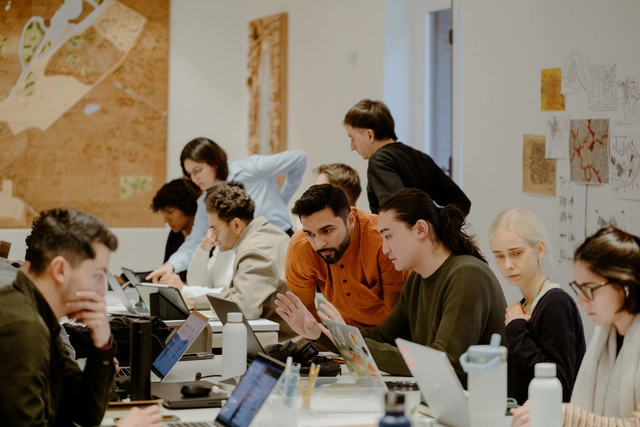
The Programme on Sustainable Cities blends hands-on experience with academic insights from the Norman Foster Foundation’s global network of experts, led by Co-Directors Norman Foster and Kent Larson. Each year, participants will immerse themselves in three pilot cities, engaging directly with local planners and managers. The 2025 academic year will focus on African cities, one of the most challenging territories that also presents one of the greatest opportunities for urban development.
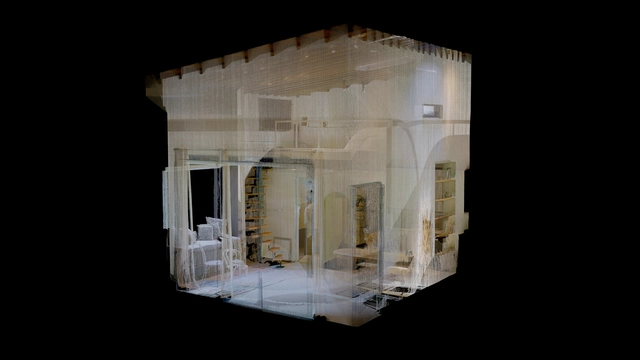
In the coming decades, it seems inevitable that architects will increasingly focus on renovations and rehabilitations –especially in established urban centers–, whether to modernize outdated structures or adapt to new uses and demands by contemporary society. A main challenge when executing these types of projects is obtaining a truly reliable working base, including accurate and true-to-life 3D models. Conducting surveys can be a herculean task, requiring extensive hours or days of on-site work and considerable effort to organize and interpret the collected information, often resulting in data that lacks adequate precision.
To simplify these processes, technological advancements have provided a solution: site surveys based on point clouds and 3D scanning, which have the potential to revolutionize the design process. Point clouds are collections of millions or billions of individual measurement points on the surface of objects, which can be obtained through laser scanners, drones, or 3D cameras. Each measurement point contains X, Y, and Z coordinates, as well as other optical properties (reflectance, color). Multiple scanning positions are registered (stitched) to create point clouds of an entire scene, which can be loaded into virtually any CAD platform for standard fieldwork.