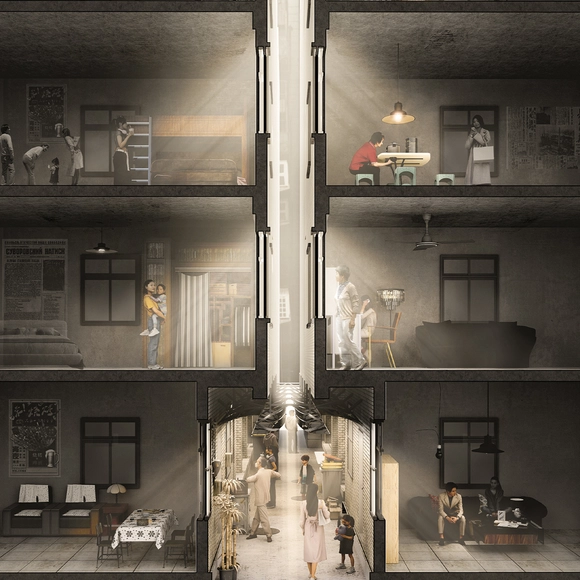
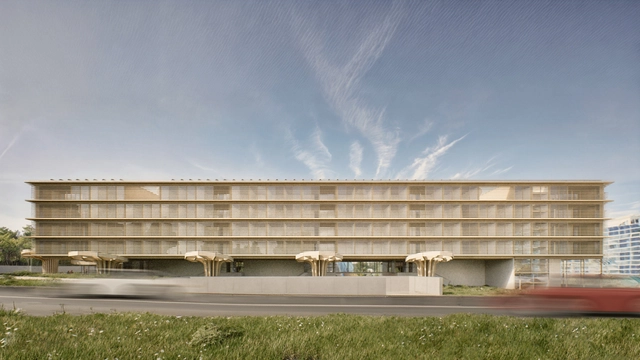
The New South Wales Government is developing a "pattern book" of endorsed housing designs, eligible for fast-tracked approval, to guide the creation of new low-rise housing and mid-rise apartment buildings in Sydney, Australia.
The best architectural minds from everywhere in the world are invited to participate in the NSW Housing Pattern Book International Design Competition to create great designs for Sydney and contribute to the diversity and depth of the Pattern Book.
The Morocco Oasis Heritage Retreat competition invites architects and designers from around the world to engage in a unique challenge. This competition, organized by Buildner, focuses on creating a sustainable and culturally sensitive retreat in Morocco. The aim is to design a retreat that harmoniously blends with the natural landscape and respects the rich heritage of the northeastern Moroccan region.
The competition is a call for innovative designs that reflect a deep understanding of the local culture and environment. Participants are tasked with designing a retreat that offers tranquility and a connection to nature while incorporating sustainable practices. This competition emphasizes creativity, sustainability, and cultural sensitivity.
Accurate surveys are essential for an architectural project and subsequent construction to run as smoothly as possible. They provide detailed information on the physical characteristics of a site, existing structures, environmental conditions and possible obstacles, which will serve as prerequisites for the design stage, ensuring that all relevant factors are considered before construction begins. This information is vital for making informed decisions that harmonize with the environment and comply with local zoning regulations, building codes and environmental standards. Traditionally, these surveys have relied on manual measurements with tape measures, basic photographs, and, more recently, expensive laser scanning. All of these are susceptible to human error and can be extremely time-consuming, especially in large or complex areas. Laser scanning, despite being more accurate and comprehensive, involves expensive equipment and specialized technicians, increasing project costs and often extending the time needed to carry out the survey.
Terraco EIFS offers a cost-effective method to achieve thermally efficient external walls, significantly reducing energy consumption and operational costs. Image Courtesy of Terraco
In today's construction industry, achieving energy efficiency, sustainability and safety along with aesthetics are essential goals for architects and consultants. Exterior Insulation and Finishing Systems (EIFS) are versatile, high-performance solutions that meet these requirements for both new builds and renovations. These multi-layered exterior insulation systems significantly enhance thermal performance and offer energy savings of up to 50% while providing flexibility in design.
According to the Markets and Markets report on "Exterior Insulation and Finish System (EIFS) Market - Global Forecast To 2028," the growth of the EIFS market is mainly driven by the need to reduce greenhouse gas emissions and rising development of green buildings, mandated through the introduction of stringent building energy codes in some countries. Therefore, the importance of using certified EIFS systems as per local energy codes is highly advocated.
The International VELUX Award jury has selected ten regional winners from the 468 submitted projects, from 220 schools of architecture around the world. The renowned jury, consisting of, Song Yehao (CN), Jenni Reuter (FI), Ewa Kurylowicz (PL) and Kent Holm from VELUX A/S (DK), met for the jury meeting in Copenhagen.
In the competitive fields of architecture and design, mastering the art of visualization is as crucial as generating innovative ideas. Whether you harness 3D models from SketchUp, use AI-generated images with Diffusion [Labs], or employ external rendering programs like V-Ray, selecting the right visualization technique can significantly advance your professional journey.
Here’s a closer look at the top ten benefits of architectural visualization, illustrated by real-world success stories from the industry.
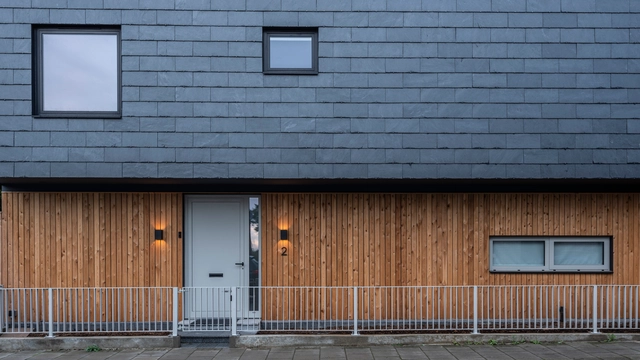
CUPACLAD® 201 VANGUARD. Image Courtesy of Cupa Pizarras
Slate is a metamorphic natural rock composed of clay minerals such as mica and chlorite, which give it a laminated texture and predominant shades of gray, black, and green. Widely used in the construction industry, it is known for its durability and distinct elegance, offering a timeless and sober finish for roofs and exterior walls. With its unique texture, it can transform the look of any structure using rectangular—or other shaped—pieces. Additionally, it is a highly resistant material to weather, fire, and environmental pollutants, ensuring long-term performance with minimal maintenance. Its eco-friendly production process, involving only raw material extraction and minimal processing, reduces CO₂ emissions, making it an ideal choice for sustainable contemporary architecture.
Every project begins with a program brief outlining the spaces, areas, and requirements essential to kick off the design process. This essential document guides architects in understanding client needs, allocating space efficiently and ensuring the design meets the project's functional requirements.
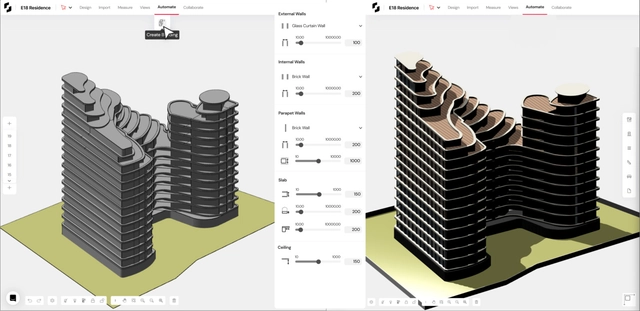
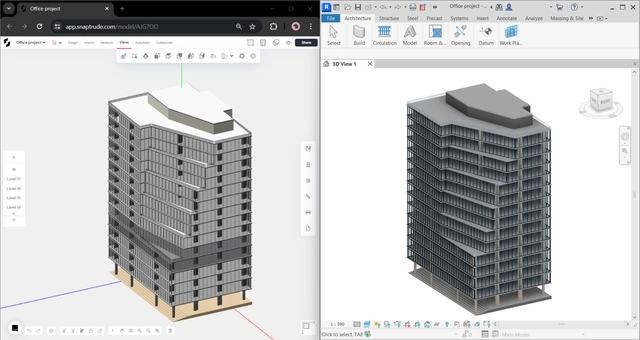
However, manually converting this tabular data from a spreadsheet to spatial data in your massing tool is incredibly tedious and time-consuming. Tools such as Snaptrude are designed to help architects iterate faster and make more informed design decisions.
Courtesy of Saint-Gobain Architecture Student Contest
More than 224 universities from 29 countries participated in the 19th edition of the Saint-Gobain Architecture Student Contest’s international final. Students from all over the world imagined projects to transform a district of Helsinki in Finland. The winners have just been revealed during an event held by Saint-Gobain in the Finnish capital between June 10th and 12th, 2024.
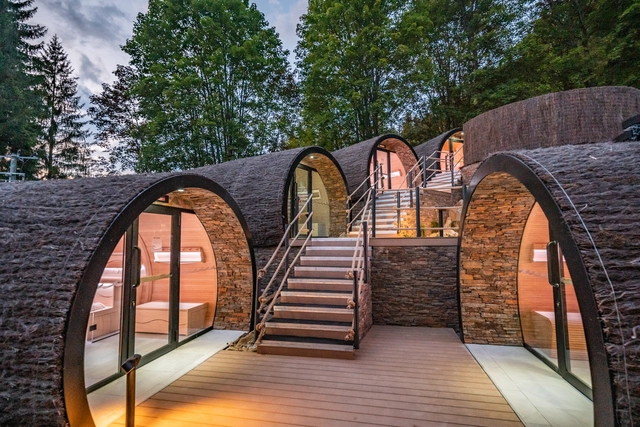
The notion of well-being goes far beyond the absence of disease. It encompasses physical, emotional, mental, and social aspects, reflecting a state of harmony and balance in all these areas. Pursuing well-being is a continuous process that requires comprehensive attention and care for the body and mind, and contact with nature or self-care rituals can also contribute. Indeed, in today’s fast-paced world, dominated by digital devices and urban life, in which truly disconnecting is very difficult, finding moments of peace and connection with oneself and nature has become increasingly important. Integrating well-being practices into outdoor environments offers an attractive solution, combining the therapeutic benefits of natural settings with cutting-edge wellness technology, providing a holistic refuge that nurtures the body and soul, and inviting individuals to relax and reconnect with the world around them.
Waste is a key topic in the discussions regarding climate change, and the familiar call to reduce, reuse, and recycle continues to be a valid imperative that applies to everyone, and on whatever scale. Still, some industries need to pay special attention to the materials used, and construction is certainly one of them. With construction and demolition waste (CDW) accounting for approximately 25% - 30% of all waste generated in the EU, it is a challenging area that is in desperate need of reinvention, when it comes to materials. As one part of a holistic approach, EPDM (Ethylene-Propylene-Diene Terpolymer) membranes such as Elevate’s RubberGard EPDM can help significantly reduce the environmental impact of buildings. Here’s why.
Although the sensory approach in the built environment is often based primarily on visual aspects, such as color and light, as we delve deeper into the relationship of architecture with the senses other essential elements emerge, such as aromas, textures, sounds, and even flavors. These components are fundamental to creating a profound experience between the user and the environment in which it takes place, demonstrating that design and sensory experience are intrinsically connected.
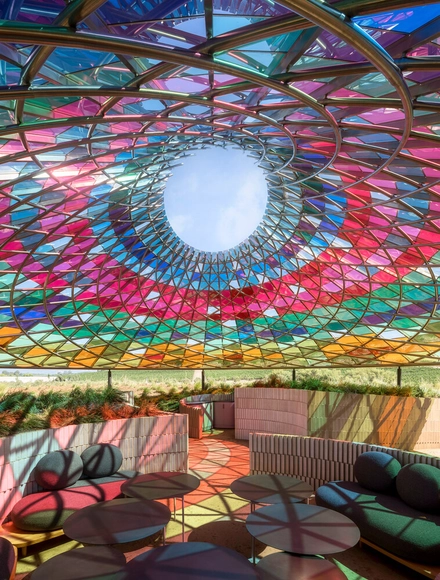
Thus, sensory design offers an immersive atmosphere for a full spectrum of senses where its perception extends beyond physical boundaries. An example of this is the Vertical Panorama Pavilion, located in a region of California (USA) with a strong identity linked to the wine tradition. This structure, with a glass canopy of Color PVB interlayers, serves as a shelter for hospitality. Inspired by nature, the pavilion’s canopy engages all the senses: from the texture of the gravel on the walking path to the wind currents in the area and the characteristic aromas of the region.
https://www.archdaily.com/1017382/a-multicolored-glass-canopy-for-senses-shelter-and-hospitality-the-vertical-panorama-pavilionEnrique Tovar
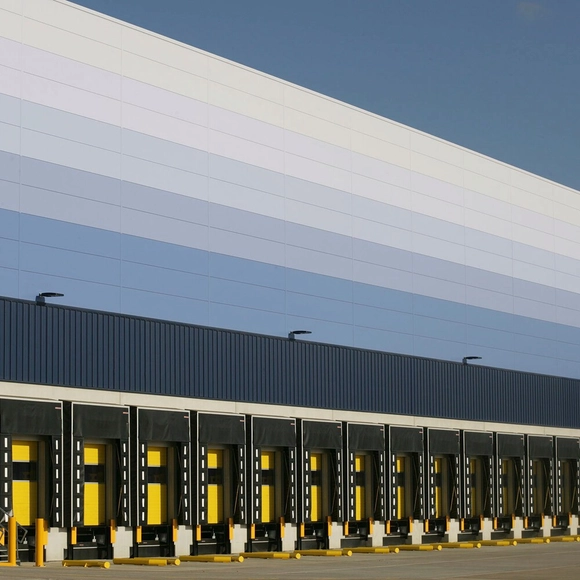
Gazeley Regional Distribution Centre. Image Courtesy of Kingspan
Insulation plays an essential role in today’s buildings—whether it is to provide thermal efficiency to reduce energy demand and cut carbon emissions, or to reduce noise transmission to provide acoustic comfort. Every building has different requirements for the type of insulation needed in floors, roofs, ceilings and walls, and to meet these varying demands Kingspan has developed a range of holistic insulation solutions fit for the future of the built environment.
From lower embodied carbon products to bio-based materials, reducing environmental impact is an area of increasing importance. Meanwhile, the pressing need to upgrade the thermal efficiency of existing buildings often demands insulation technologies that can work with existing structures without requiring excessive thickness. For cladding systems, reaction to fire can be every bit as important as thermal conductivity, and for acoustic panels that form part of the internal décor, aesthetics is as crucial as sound absorption.
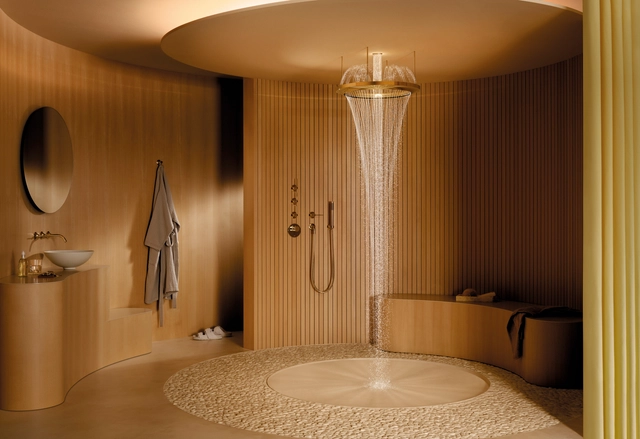
In the hustle and bustle of modern life, with deadlines, goals, and performance, finding moments of tranquility is essential for maintaining overall well-being and peace of mind. These moments provide a necessary break from daily stresses, allowing the mind and body to reset and thoughts to reorganize. Rituals of relaxation can create a sanctuary of calm amidst the chaos, promoting a sense of balance and peace, providing a healthier and more harmonious lifestyle, and contributing to better physical and emotional health. However, these rituals need not be expensive or complex.
Simple activities, such as breathing exercises, taking a walk in nature, or a relaxing bath, can be extremely effective. In fact, taking time to experience the calming and energizing effects of water can significantly enhance mental clarity, bring new ideas, provide comfort, and improve mood.
Transforming an initial idea into a concept design is a complex process. It requires understanding project requirements like context, program, budget, and functionality and rapidly iterating—usually with a team—to arrive at a concept, leading to multiple iterations at an early stage.
A common frustration among architects is that concept tools today are either too rigid for design exploration or don’t integrate well with BIM tools—forcing them to either constrain their design to the tool or spend days re-working a concept model on Revit to transition to schematic and detailed design.
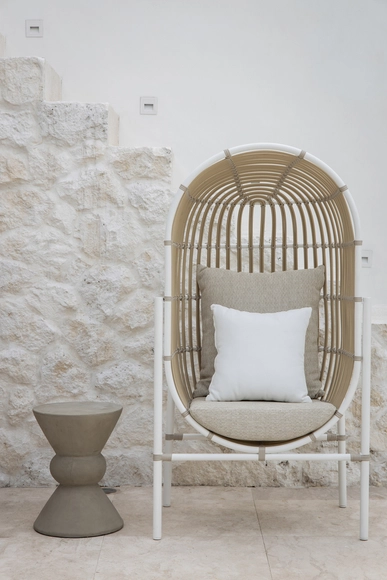
Furniture made from natural materials is widely valued for its beauty and texture, especially when it comes to wood, bamboo, reed, and rattan. However, they often face challenges such as weather damage, pest infestations, and high maintenance requirements like regular cleaning and treatments to prevent fading and structural weakening. Additionally, their lack of uniformity and strength can compromise consistent quality, while harvesting the raw materials can have negative environmental impacts. These issues, combined with inconsistent availability and higher costs, have driven innovations in synthetic materials that aim to replicate the aesthetics of natural products, often using recycled materials to promote sustainability.
Sitting for extended periods is an everyday reality in many workspaces, which can lead to a dangerously sedentary working day. This makes office chair design a crucial element for both productivity and overall well-being. Ergonomic design takes into account the human body's needs, including posture, comfort, support, and health. A good ergonomic chair is adjustable, allowing for better control and customized settings that support the spine and promote a natural position for the body's joints. An even better ergonomic chair employs technology to accommodate all seating nuances—including occasional slouching, neck rest, and continuous hip movements, among others—, helping to maintain good body posture at all times.
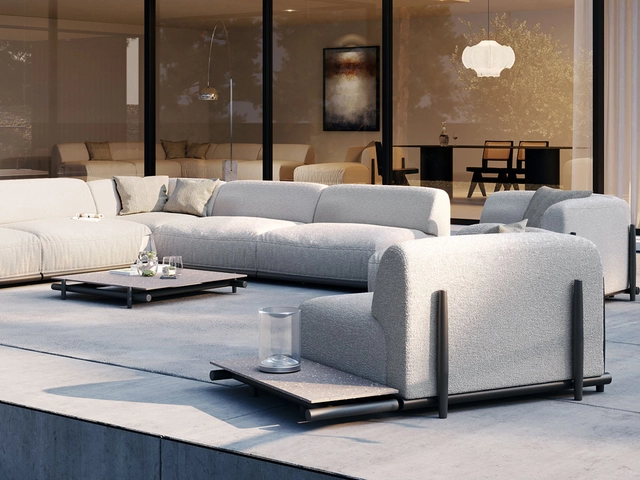
The act of play creates a welcome escape from the demands of daily life, encouraging joy, creativity and collaboration, with tangible benefits from stress relief to improved cognitive function. So when it comes to the interiors of spaces for play—for leisure and socializing for example—how can design enhance these effects? Specifying adaptable modular furniture that can blend the boundaries between indoor and out is one method to improving the freedom and spontaneity of space, bringing agency to moments of joy, possibilities for fresh configurations and equipping interiors for shifting future dynamics.
For Italian designer Matteo Nunziati’s latest collection of outdoor furniture for Unopiù, the Davos collection, he was inspired by the geometric simplicity of children’s games as functional devices for enlightenment and to reconnect spaces to movement and expression. The generous yet lightweight modular seating system, which includes sofas, chaise longues, armchairs and coffee tables, is easy to assemble and offers infinitely adaptable scenarios to encourage play in daily life. To unlock these qualities, Nunziati was drawn in particular to the logical beauty of the abacus, with its magnetic balls connected on linear elements.