Italy's influence on contemporary design has been profound and captivating, with Italian architecture consistently bridging cultural heritage and innovation, from advancements in construction techniques to the evolution of the neoclassical style. A prime example of this integration is the Italian villa typology, which reached its zenith during the Renaissance with groundbreaking innovations. Villa Almerico —designed by Andrea Palladio and inspired by Alberti's treatise De re aedificatoria— exemplifies this evolution. Renowned for its centralized and symmetrical plan, its construction marked a turning point with classical proportions and the incorporation of courtyards and gardens as extensions of the living space, highlighting a remarkable contextual relationship.
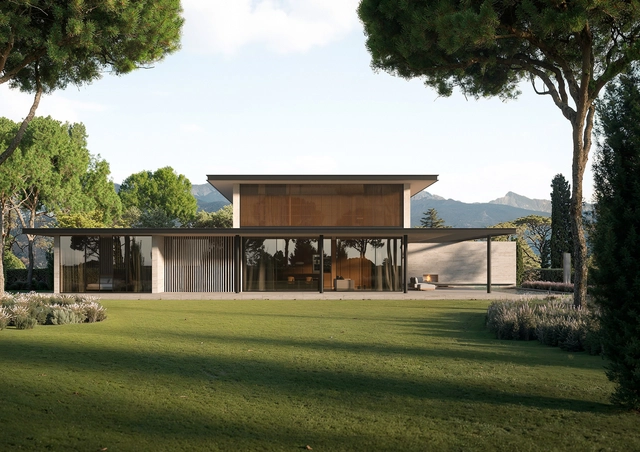
Although Palladio's influence was so profound that his style defined much of European and American architecture in subsequent centuries, the concept of the Italian villa has endured and evolved. Its ability to combine functionality, aesthetics, and respect for the environment has allowed its fundamental principles to remain in force, now merging with new currents of contemporary design. A clear example is Villa Apua, a project by PAN Architetti inspired by the Versilian concept of buen ritiro. The house's meticulous design addresses the needs of its inhabitants while fostering an intimate, thoughtful connection with the landscape and the memory of Forte dei Marmi, a town nestled between the Mediterranean coast and the Apuan Alps. This harmony is further enhanced by the great flexibility of the antoniolupi collections, whose rich finishes and materials seamlessly integrate the living space with its furnishings and the surrounding environment.
https://www.archdaily.com/1021313/where-italian-style-meets-wellness-and-serenity-the-case-of-villa-apuaEnrique Tovar
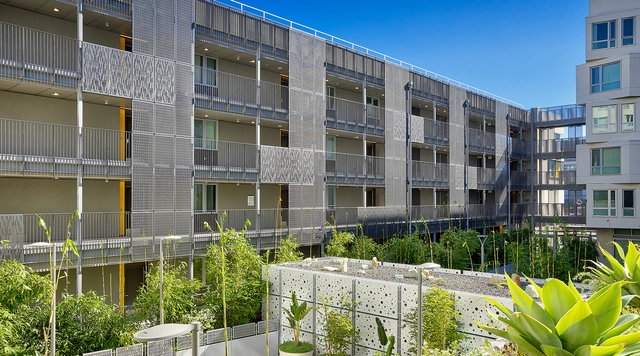
Mission Bay, San Francisco, once an industrial landscape of warehouses and railroad land, has transformed into the city’s fastest-growing commercial and urban development area. This rapid change, typical of such developments, has led to gentrification, driving up housing prices and making the area unaffordable for many. To address the affordable housing crisis, the Lillian Murphy Housing Complex was built—not just as a place to live, but as a project that redefines the standards for low-income housing. This success was achieved through the collaboration of Paulett Taggart Architects, Studio VARA, and BŌK Modern, demonstrating that functional, intuitive, and high-quality design that strengthens a community is accessible to everyone.
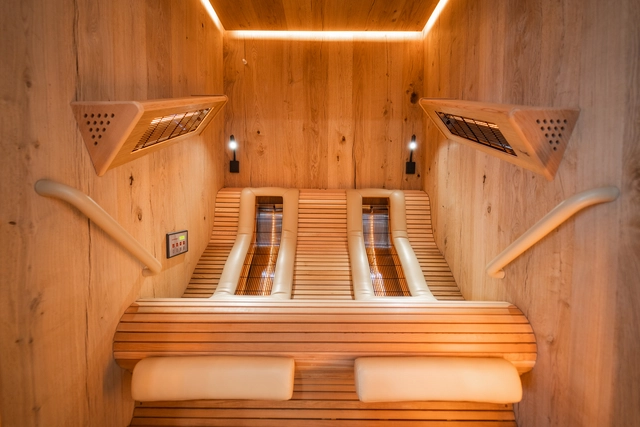
Saunas, originating over 2,000 years ago in Northern Europe, were initially developed as a method for body purification. In Finland, these spaces were revered for their cleanliness and often served as locations for childbirth. Rooted in Nordic traditions, saunas have traveled globally, carrying with them distinctive design elements such as abundant wood, clean lines, minimal ornamentation, and a stark aesthetic. Traditionally, they offered a serene environment with seating limited to simple straight benches, allowing users to either sit or lie down. This traditional model gained widespread acceptance, with its health benefits championed by medical professionals and its value recognized across various cultures.
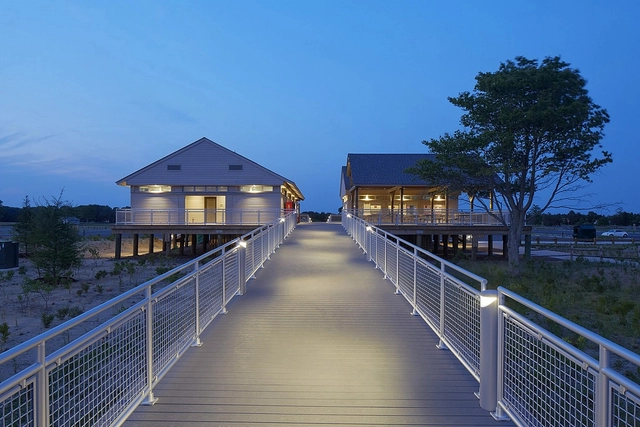
Hammonasset State Park . Image Courtesy of Hollaender Manufacturing Co – Cincinnati, OH
Regardless of the region, parks and public spaces offer a refreshing escape from bustling urban environments, providing a momentary pause from the fast pace of life. Designed for collective benefit, they serve as dynamic ecosystems where recreation and relaxation seamlessly integrate into the visitor experience. But what is the challenge in designing these spaces? Being perceptive enough to find the balance that meets diverse demands while ensuring accessibility, comfort, and safety. As Austrian-American architect Richard Neutra once said, "If you have to design for people, you have to observe them, understand them, and sympathize with them."
Within these environments, the dynamics within the 'interior' are particularly intriguing. Various activities unfold, and users exhibit diverse characteristics. Given the scale or dense vegetation of these spaces, winding paths and slopes are often used to connect different areas, creating complex routes. In this context, railing systems enhance continuity and provide guidance and safety along the intricate paths. Railings direct movement flow, ensuring users navigate the space comfortably, thereby significantly enriching their overall interaction with the built environment. This influence also shapes how these design elements affect the overall outdoor experience, which we will explore further.
https://www.archdaily.com/1021048/how-do-railings-elevate-landscape-designEnrique Tovar
Balancing functional and aesthetic elements in building design is a crucial but often complex task. This is because a built structure encompasses multiple functions, systems, materials, products, and requirements of all kinds. One critical aspect of spaces is acoustics, which can significantly influence usability and comfort and should never be neglected, especially in common areas like restaurants, convention centers, museums, and sports facilities. Good acoustics contribute to the well-being and productivity of occupants, while poor acoustics can cause stress, fatigue, and hearing damage. These issues can be caused by external noise, various sound sources, or impacts (such as footsteps, jumps, or furniture movements), as well as the reflection of sound waves within the environment itself, creating echoes and reverberations that compromise speech intelligibility.
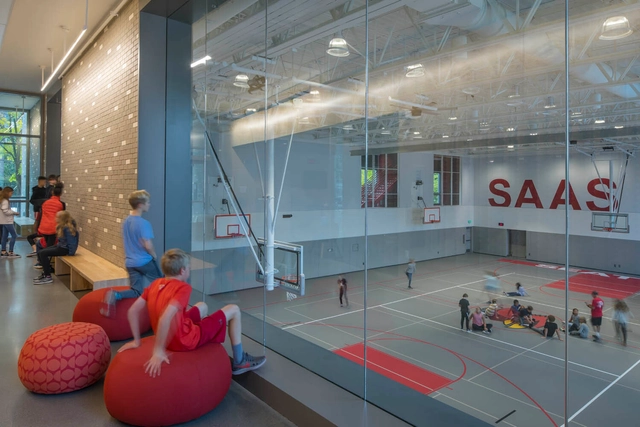
For those seeking the refined look of low-iron glass, Guardian CrystalClear™ glass offers an advanced option for various architectural applications. With improved clarity and color neutrality that outperform standard clear glass, and a more affordable price than conventional low-iron glass, this substrate is designed to meet both aesthetic and functional aspirations in design.
Urban expansion and increasing population density have fuelled a growing demand for outdoor areas in multi-story apartments, as residents seek to stay connected with nature without leaving home. This trend reflects the challenges of modern urban life, where access to nature is often limited, and public green spaces are increasingly scarce. In this context, features like balconies, loggias, and winter gardens stand out as attractive solutions, offering private spaces for relaxation and enjoyment amidst the hustle of city life. In addition to enriching the urban experience, these spaces enhance the quality of life, providing a personal refuge amidst the urban landscape.
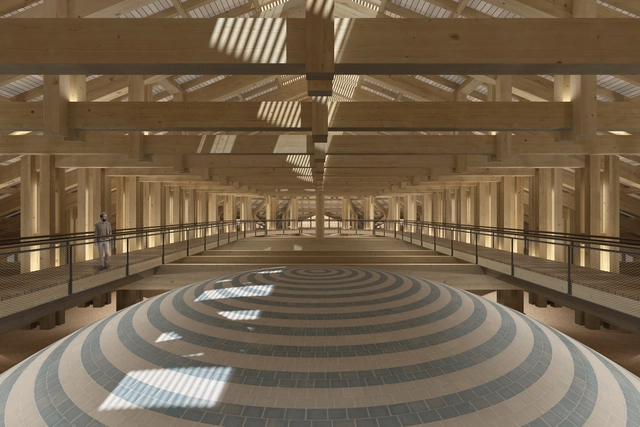
Proposal for the Roof of the Málaga Cathedral. Image Courtesy of Marina Uno Arquitectos
Like a musical composition, there is a particular category of buildings whose history might be compared to an unfinished symphony. Alternating between high notes and moments of silence, these structures are intermittent narratives that have spanned centuries. One of the most emblematic cases is the Sagrada Familia, which has been under construction for over a century and is on track to be completed this decade. While a hundred years of construction is no small feat, another building in this group surpasses that range: the Cathedral of Málaga, located in southern Spain, has been in the making for over five centuries.
Driven by Renaissance influences, the cathedral began construction in 1528. Since then, it has experienced periods of interruption throughout its history, resulting in an unfinished landmark. The cathedral is still missing one of its towers, has incomplete elements on its facade, and its vaults are exposed to the weather due to the absence of a covering structure. Over the years, various works have been undertaken—including the recent adaptation of tourist access to the domes—but one major task remains: the gable roof. Originally proposed in 1764 by Ventura Rodríguez, its design has been reimagined and will now be executed using contemporary wooden construction techniques.
https://www.archdaily.com/1020754/track-to-completing-malaga-cathedral-the-role-of-timber-in-designing-the-new-gable-roofEnrique Tovar
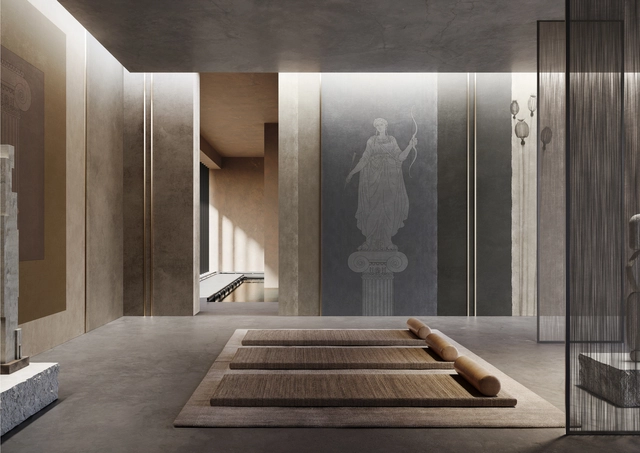
Diana - Arcadia Collection. Image Courtesy of Glamora
Greek and Roman cultures laid the foundations for modern civilization, leaving a lasting legacy in philosophy, literature, mathematics, and art. Although their contributions in these areas are significant, they are sometimes overlooked. However, in disciplines such as sculpture and architecture, their influence has remained almost unchanged, deeply rooted in the classical ideals of beauty. This is exemplified by canonical works such as the Parthenon, the Roman Pantheon, and the Discobolus, which continue to captivate with their proportion, symmetry, and detail. Consequently, it is unsurprising that Greco-Roman classicism remains significant due to its aesthetic timelessness, revitalized throughout different periods, from neoclassicism to contemporary proposals.
In this modern context, the Greco-Roman mythology, epic tales, and classical architectural concepts inspire a fresh perspective on reimagining interior aesthetics. Embracing an avant-garde take on neoclassicism, a new wave of modern interiors adopts sharp strokes to define figures and details, such as pilasters and capitals, echoing the sinopia of historic wall frescoes. These designs transform monumentality into cozy and elegant atmospheres. By blending historical and contemporary references, they provide innovative figurative solutions that craft poetically scenic spaces. Arcadia collection exemplifies this approach, standing out as a tribute to classicism and presenting a unique visual narrative through its wall coverings.
https://www.archdaily.com/1020629/modern-interiors-with-a-historical-touch-figurative-wall-coverings-for-scenographic-spacesEnrique Tovar
Fire is a primordial force of nature, possessing both destructive and protective power throughout human history. Capable of devastating landscapes, crops, and entire cities, it also provides heat, enables cooking, and is used to generate energy. This duality highlights the importance of balancing its use and control, especially in construction, where fire safety is crucial. Building codes for fire protection are strict, often complex and restrictive, but essential to ensure the safety of occupants.
Wood is undeniably an elegant choice for architectural projects, offering a natural and welcoming aesthetic that enhances any space. However, when exposed to the elements, this same wood demands a high level of maintenance. Sun, rain, and temperature variations can compromise its appearance and integrity over time, requiring regular care to preserve its original beauty. For many, this is the price to pay for the irreplaceable aesthetics of wood, but the search for alternatives that combine natural beauty with durability has grown, allowing the charm of wood to be enjoyed with less effort.
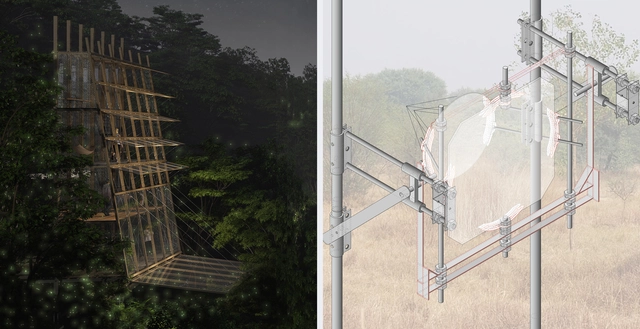
Global Winners: The Light Filter and Solar Sinter. Image Courtesy of The International Velux Award for Students of Architecture 2024
The VELUX Group is proud to announce that the projects ‘Solar Sinter’ by Anders Eugen Lund (Denmark), and ‘The Light Filter’ by Wan Zilin, Poon Gin Yong & Zang Jiayou (China), have been selected as the global winners of the International VELUX Award for Students of Architecture 2024.
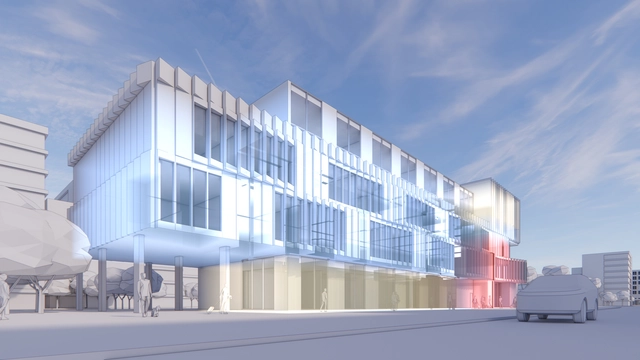
The A' Design Award was established to highlight the best in design worldwide. The international award serves as a platform for designers, architects, and innovators from all design disciplines to present their work to a global audience. The 2024-2025 edition is now accepting entries.
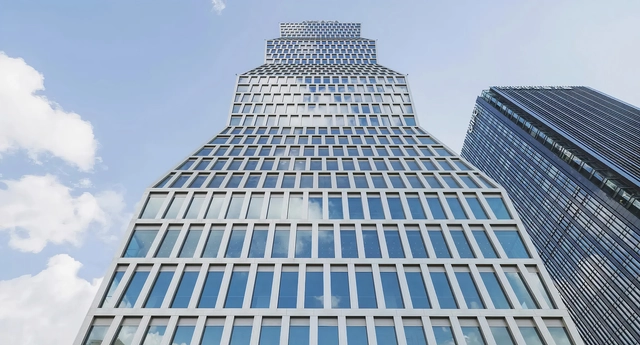
In the realm of architecture, the integration of Artificial Intelligence (AI) is no longer a vision of the future but a present reality transforming the way designs are conceptualized and executed. As global architectural powerhouse Kohn Pedersen Fox (KPF) pushes the boundaries of innovation, they have strategically adopted D5 Render, an advanced AI-driven real-time rendering tool, to enhance their design efficiency.
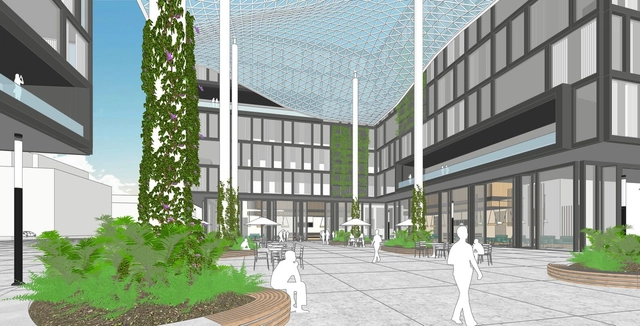
Whether you're an architect or interior designer, having the right tools can make all the difference in streamlining your workflow. SketchUp has powerful tools that help millions of professionals speed up their project development. Here are seven ways the 3D modeling and design software can help you achieve your goals.
In today’s world, climate change stands as one of our most pressing challenges, with the built environment responsible for nearly 40% of global carbon emissions. So, how can we, as professionals in the AEC industry, underscore our role in mitigating this impact?
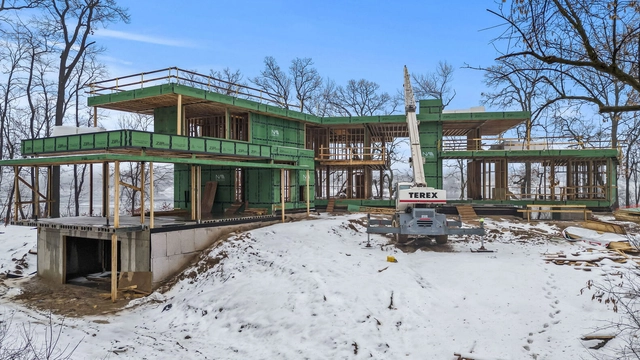
NA Structures with AZD Architects and Hemphill Builders. Orchard Lake, Michigan. Image from Way Up Media
In the construction industry, light wood-frame offsite construction has emerged as a game-changing approach, promising faster build times, higher quality, and reduced environmental impact. Member companies of the Quebec Wood Export Bureau (QWEB) have launched a digital tool that harnesses the benefits and potential of prefabricated light wood-frame products for projects.