Courtesy of The American Institute of Architects (AIA)
The American Institute of Architects, Middle East Chapter, opens entries for its 11th Year-End Conference and Design Awards, set to take place in the vibrant city of Doha, Qatar, between the 22nd and 23rd of November, 2024. This prestigious event will gather thought leaders, professionals, and enthusiasts to explore the latest trends, innovations, and challenges in the design field with a focus on Qatar's remarkable development.
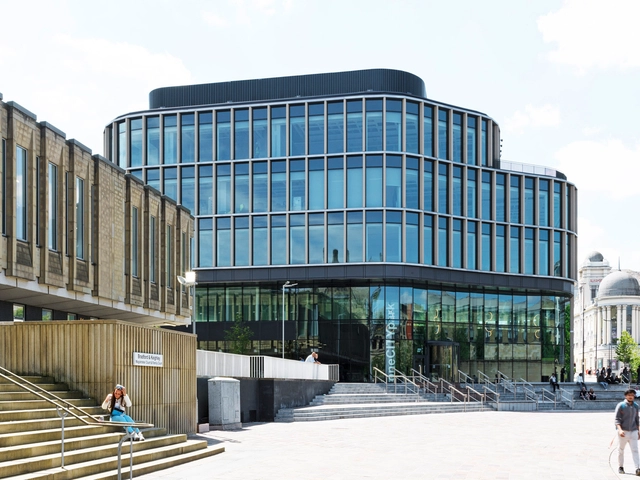
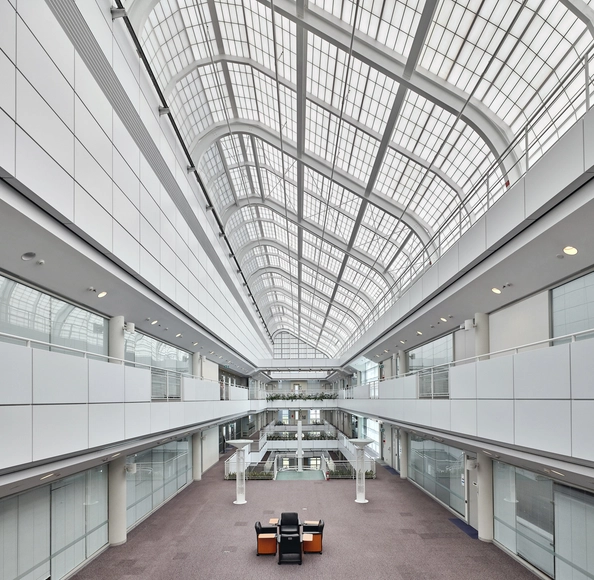
One City Park in Bradford, England. Image Courtesy of Rieder Facades / Ditz Fejer
Contemporary architecture evolves in tandem with the materials and construction techniques available in each region. In addition to the architectural trends of the moment or historical ideas that may inspire creativity, understanding how materials are used, cared for, and maintained, as well as their technical and aesthetic properties, is crucial to the concepts envisioned by many architects. Each material carries its own inherent logic. In fact, architect Louis Kahn suggested that the way materials interact can lead to unavoidable combinations of structure, walls, and assembly in buildings. Rieder products exemplify this by offering modular, flexible solutions that help buildings seamlessly adapt to urban environments, enhancing both interior and exterior spaces while maintaining cost-effectiveness.
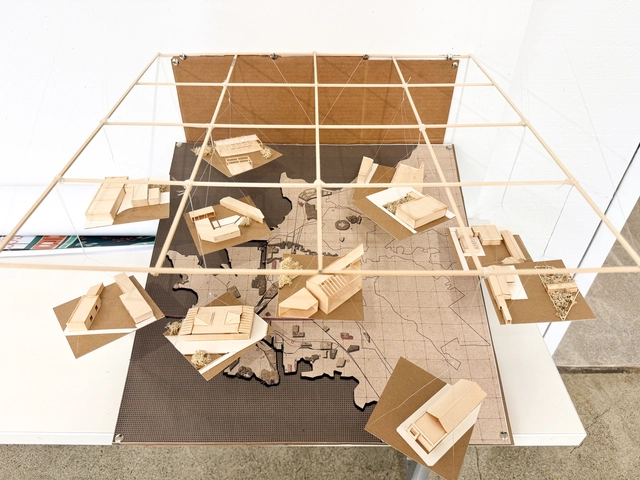
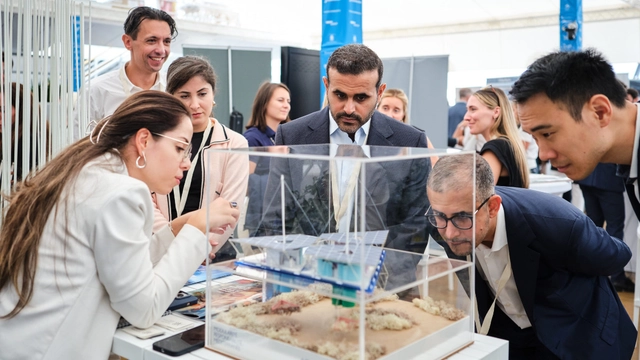
Model for reshaping Richmond, California, from Berkeley MUD first-semester introductory studio. Image: Courtesy College of Environmental Design, UC Berkeley
Fifteen UC Berkeley Master of Urban Design students watched as farmers, small business owners, government agency officials, representatives from Indigenous tribes, and interested citizens filed into the exhibition hall in the John Steinbeck Center. For months, the students had been developing ideas for dynamic agritourism in California's Salinas Valley. But they never expected so many people to show up to listen to their presentations.
"They were eager to see our work. It was humbling, and empowering, to realize that we could have a real impact on people's lives through urban design," remembers one of the participating students.
A new generation of sustainable practices is transforming the architectural landscape. What is its 'secret'? The combination of innovation, ecological awareness, and, fundamentally, the revaluation of natural resources that have accompanied humanity since its earliest days. While this knowledge was never truly lost, the techniques associated with these materials have long remained in the background. Today, they are making a resurgence, adapting to modern challenges, and reestablishing themselves as essential, timeless elements in tomorrow's architecture.
https://www.archdaily.com/1022116/smart-eco-conscious-architecture-and-decor-inspired-by-natures-finest-materialsEnrique Tovar
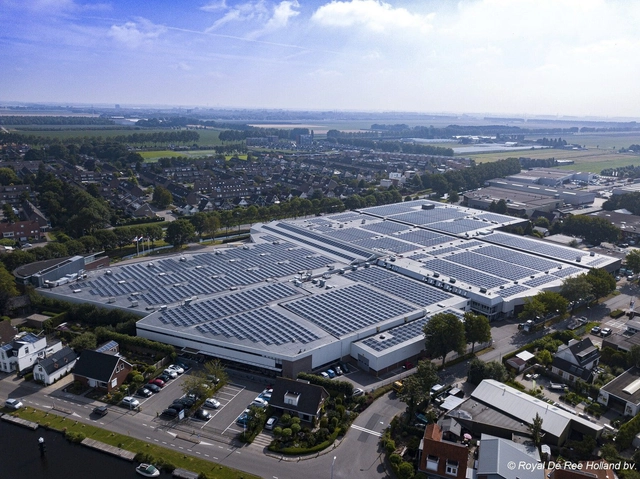
In just one hour, more solar energy hits the Earth than the world uses in a year—and solar roofs are here to harness it. These sleek, high-tech panels are revolutionizing how we think about energy, generating clean electricity that can cut your carbon footprint by up to 80% and save thousands on energy bills. Not only are solar panels becoming more efficient and durable, but they also blend seamlessly into modern architecture, turning homes into power plants.
Organized by Monaco Marina Management (M3), the 4th edition hosted on September 22nd & 23rd at the Yacht Club de Monaco, has brought together 250 maritime industry professionals alongside worldwide investors and innovators to encourage the development of virtuous marinas. With the common goal to modernize and make maritime infrastructures more responsible, this annual networking gathering demonstrates how sustainability is becoming a true driver of change by connecting the whole marina ecosystem and promote the development of efficient & attractive marinas.
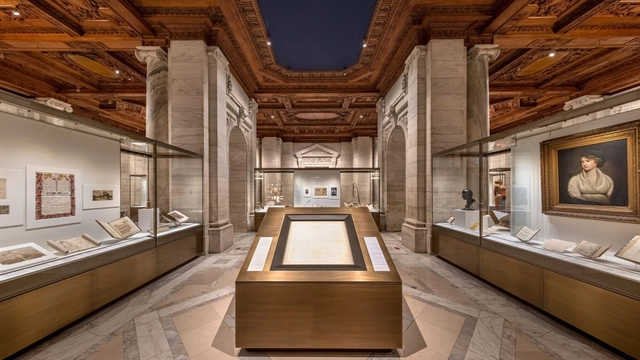
Before the emergence of AI, the internet, and TV— books and manuscripts were the primary vessels of knowledge. These artifacts, now echoing voices from the past, have played a fundamental role in shaping our shared legacy. A pivotal moment in this evolution came in the 15th century with Gutenberg's invention of the printing press, which revolutionized access to information and laid the groundwork for the democratization of knowledge. As a result of their historical and cultural significance, many early manuscripts and incunabula (books printed during the earliest period of typography) have been preserved in libraries and often remained in the shadows.
Worldwide, libraries have started unveiling these collections to the public, driven by a growing openness to showcase their 'treasures'. This allows a broader audience to appreciate the richness of these historical materials. While this effort fosters a deeper understanding of cultural heritage, it also introduces several challenges. One of the most critical is preservation, which must be carefully balanced with functional considerations. Key decisions include selecting and designing display case solutions, such as those from Goppion, that harmonize with the interior design and layout while providing effective protection.
https://www.archdaily.com/1021983/from-vault-to-exhibition-the-role-of-display-cases-in-the-worlds-librariesEnrique Tovar
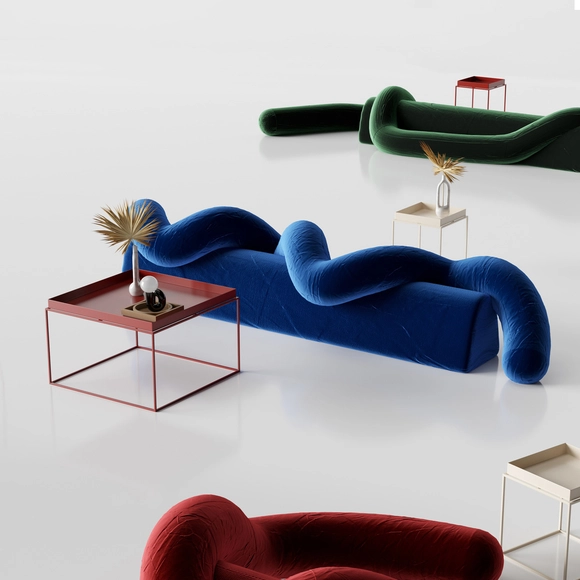
Hot Hot Sofa by Jun Wang. Image via A' Design Award & Competition
The word on the street is that the latest winners of A'Design Award have thrown convention out of the window. True to form, we're here to spill the tea on some of the most daring that made the cut.
Picture this: a stage set for creativity, where the world's sharpest minds in design gather to present their finest work. The A'Design Award is just that–a grand international showcase that celebrates the brilliance of designers, architects, and innovators from every corner of the globe. It's not just another award; it's an opportunity to have your work showcased on a truly global scale.
The Pantheon in Rome is a true architectural masterpiece and holds the title of the largest unreinforced concrete dome in the world. Among its most remarkable elements is the central oculus — an 8.2-meter-wide opening at the top of the dome that allows natural light to enter. This creates a dynamic play of light and shadow that shifts throughout the day, enhancing the grandeur of the structure. Beyond its practical function, the oculus establishes a symbolic connection between the earthly and the divine, reflecting the Pantheon's original purpose as a temple dedicated to all gods. In fact, toplighting, which introduces natural light from above through skylights, domes, or other upper openings, contrasts with traditional windows, which capture light horizontally. By capturing direct sunlight, toplighting provides soft, diffuse illumination, creating more welcoming environments with better energy efficiency and a positive impact on mood and productivity.
Barragán, Bofill, Graves, and Le Corbusier are architects renowned for their exceptional and sensitive use of color. In their approaches, color takes on an importance comparable almost to functionality, achieved through a nuanced and comprehensive perception of their context. But what is color? From a technical standpoint, it is a visual perception that arises from the interaction of light with our eyes and brain. However, when we explore its meaning on a more emotional and poetic level, it takes on a deeper significance. For Ricardo Bofill, color infuses life into architecture, while for Charles-Édouard Jeanneret, —better known as Le Corbusier—, it serves as a powerful tool to evoke emotions and create spatial illusions.
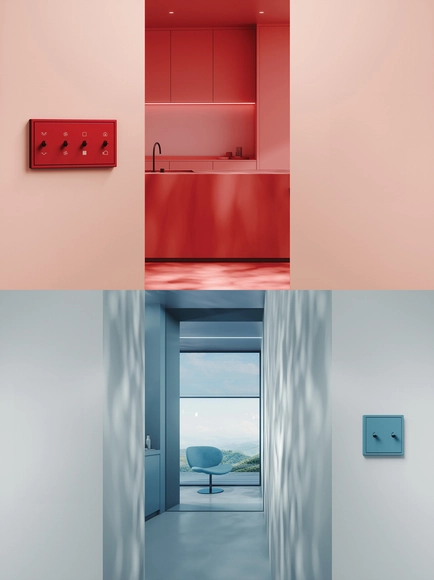
In 'Polychromie Architecturale' Le Corbusier argues that color is not only a decorative element but also a fundamental tool for creating environments and enhancing the functionality of architectural spaces. This idea, developed between 1931 and 1959, is articulated around a system composed of a range of colors, where each tone has its relevance and contributes to creating atmospheres that transcend mere architectural design. An example is JUNG's LS 1912 toggle switch range, which combines classic design with advanced control options and showcases the diverse hue variants of the 63 colors in Le Corbusier's color system.
https://www.archdaily.com/1021935/smart-and-retro-advanced-toggle-switches-harmonized-with-le-corbusiers-color-systemEnrique Tovar
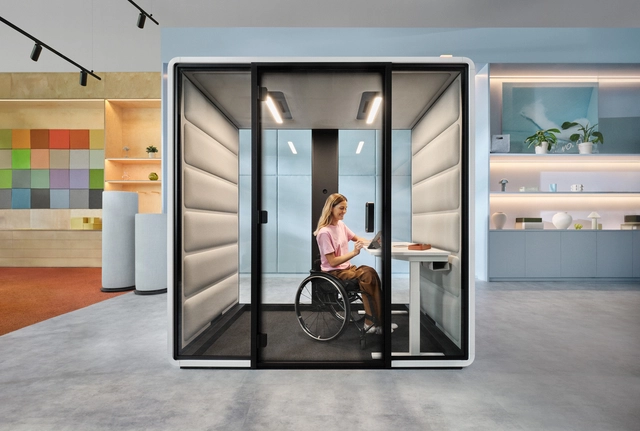
Ergonomics is a layered focus that promises happier, and more efficient employees. It is material, acoustic, and cerebral, necessitating highly creative solutions that improve many dimensions at once. The Hushoffice team is pleased to highlight a few considerations toward the aim of better ergonomics, offering their hushFree booths as strong supports, now equipped with the intuitive hushAssistant system.
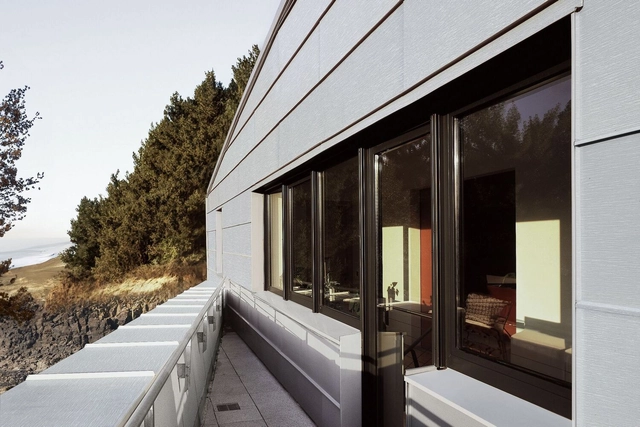
PRISMO brushed white⁺. Image Courtesy of RHEINZINK
In architectural design, materials play a crucial role not only in shaping a building's aesthetics but also in its performance and in reflecting the ideologies of its creators. Today's architectural megatrends are driven by the need for sustainability, resilience, and material innovation, particularly in response to climate change and resource conservation. Wellness-focused design is also gaining importance, prioritizing environments that support physical and mental health. In this context, natural materials, biophilic principles, and improved indoor environmental quality are increasingly used to enhance comfort and foster a deeper connection with nature. Among these materials, titanium zinc stands out as a versatile and sustainable option, offering durability, aesthetic appeal, and potential health benefits in architectural applications.
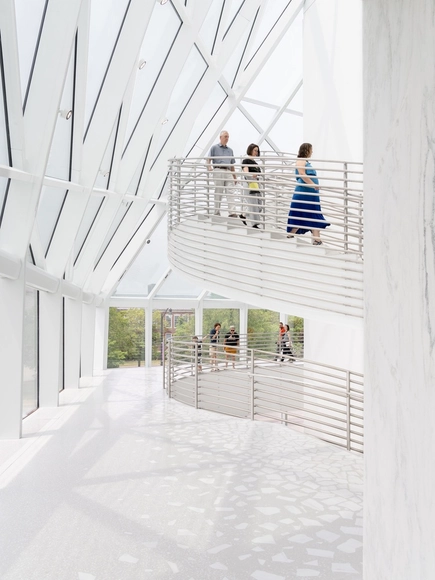
It's often said that trends come back, but terrazzo appears to be the exception—never truly fading from popularity. With a long tradition of craftsmanship, terrazzo has maintained its relevance over the centuries, continuously adapting to evolving creative expressions. Whether in homes, restaurants, or libraries, it demonstrates remarkable versatility, offering a unique combination of technical qualities, mottled aesthetic, and timeless appeal. As it evolves, terrazzo adapts to modern building standards and growing environmental awareness, ensuring its relevance in contemporary architecture and design while expanding sustainable solutions.
https://www.archdaily.com/1021806/expanding-the-range-of-sustainable-materials-the-arrival-of-bio-based-terrazzoEnrique Tovar
The world's leading competition for sustainable design, Holcim Foundation Awards 2025, is calling for entries. The Swiss-based Holcim Foundation invites innovative projects at any scale, supported by clients and in the late-stage design phase, to compete for global recognition. The competition is free of charge with a prize pool of USD 1M and will be awarded across 20 winning entries.
Projects already under construction are eligible, provided construction is not completed before February 11, 2025. The entry window is now open from October 1, 2024 until February 11, 2025, with the Awards Ceremony taking place at the Foundation's Venice Forum event on November 20, 2025.
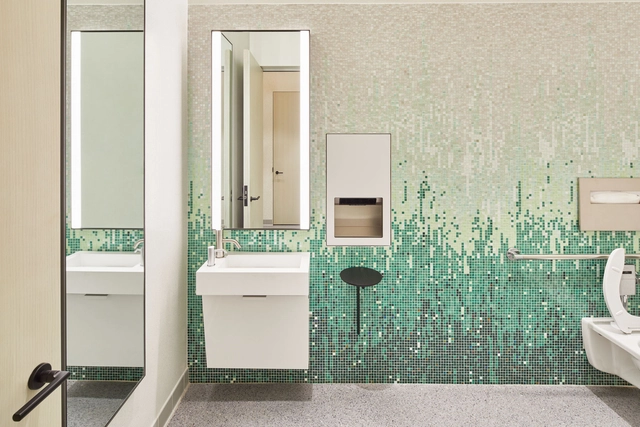
Nowadays, diversity and inclusion stand as fundamental pillars in the design of spaces, guiding the creation of structures that adapt to the needs of all individuals. This comprehensive approach addresses the functionality of buildings aiming to transform every aspect of design, promoting accessibility from scratch. A key milestone in this matter was the establishment of legislation such as the Americans with Disabilities Act (ADA) in the US. This document established a legal framework to prohibit discrimination against people with disabilities and set a precedent for promoting the design of public spaces and services that are accessible to all.
While it is undeniable that these advances have marked a turning point in the accessibility of the built environment, historically, these codes have led to the predominant aesthetics of accessible restrooms being based on conformity. This focus has gradually moved away from design, resulting in aesthetically limited proposals. Although compliance is not questioned, this situation has generated a need for new visions that can transform the aesthetics of bathrooms while adhering to these regulations. The growing need for accessible facilities has led to the development of innovative concepts, such as the Superloo cubicles. This self-contained facility maximizes usable space while highlighting the trend of merging functionality and inclusivity in an aesthetically pleasing environment.
https://www.archdaily.com/1021626/style-meets-accessibility-cutting-edge-restroom-solutions-for-everyoneEnrique Tovar
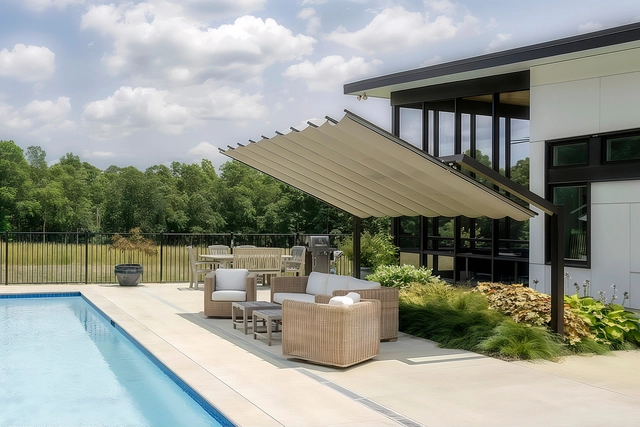
The sun is an inescapable partner in architecture, influencing lighting, energy efficiency, and comfort inside and outside buildings. This influence has become increasingly relevant in the context of climate change, which has led to rising temperatures and the creation of challenging environments. In response, designers are constantly working to adapt cities to heatwaves through large-scale urban strategies. On a smaller scale, such as in residential settings, the issue can be addressed more specifically through various shading solutions.
Since the sun's behavior varies by region and time of year, adjustable shade structures are crucial for managing sunlight and heat effectively. In high latitudes, the solar angles shift with the changing seasons, while in equatorial regions, the radiation remains more consistent throughout the year. ShadeFX retractable solutions are crafted to adapt to these varying conditions, regulating direct light intensity and minimizing excessive heat. By enhancing the comfort and functionality of spaces, these solutions also help reduce the impact of an overheated planet.
https://www.archdaily.com/1020060/how-to-choose-shade-structures-strategies-based-on-solar-angles-and-seasonsEnrique Tovar
Buildner, in collaboration with building materials manufacturer Kingspan, has announced the winners of the MICROHOME Kingspan Edition, awarding a total prize fund of 150,000 EUR. This year's competition, now in its seventh edition, attracted professional and student architects and designers from 115 countries.
The Tianjin Binhai Library is an iconic building designed by MVRDV, located in the Tianjin Binhai New Area. Its intricate geometry invites exploration through advanced visualization techniques, enriching the storytelling and unveiling the design's full potential. This piece delves into how D5 Render creatively illustrates the visual narrative of this architectural gem through its real-time rendering and animation capabilities.