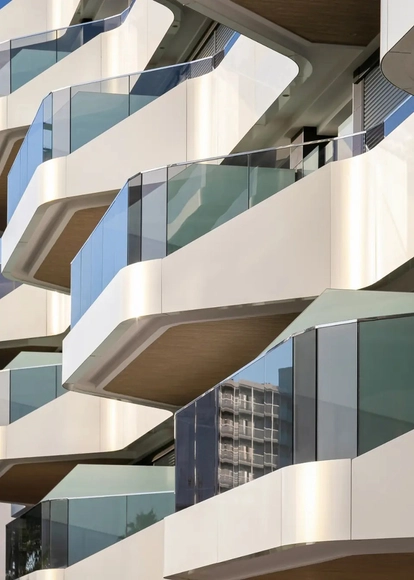
Fundamentally, facade design must blend protection, performance, and visual impact, turning it into a defining architectural feature. The evolution of facades reflects advancements in materials, technology, and design flexibility. In earlier times, facades used simple materials like brick, stone, and wood, offering structural support while showcasing regional styles. Over time, new materials like iron and steel were introduced, allowing for taller buildings with expansive glass facades that marked the beginning of modernism in urban centers. The 20th century brought reinforced concrete and aluminum to building perimeters, enabling lighter and more varied designs. Recent advances in high-performance materials, like composite panels and bio-based claddings, offer architects new aesthetic and energy-efficient options. STACBOND exemplifies this innovation, enabling creative, sustainable design solutions.
Modular construction, also known as prefabrication, is rapidly emerging as a transformative trend in the construction industry. This innovative approach involves assembling building components off-site in a controlled factory environment before transporting them to the site for final assembly. The rise of modular construction is largely driven by its ability to overcome several of the challenges associated with traditional construction methods.
Over the past two decades, the Holcim Foundation Awards has committed USD 20M to spotlight transformative projects by architects, designers, and engineers who pioneer sustainable design and construction practices. To capture these stories, the Foundation launched a short film series titled Words withWinners.
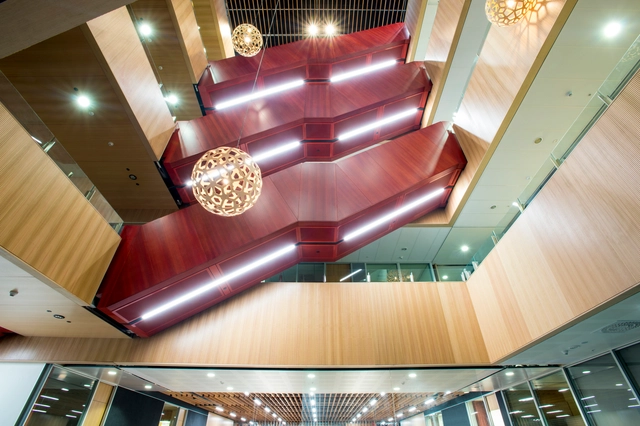
Choosing the right method to install interior decorative wall panels can mean the difference between a flawless and a protracted affair. In today's design landscape, wall panels are lauded for their transformative powers–bringing depth, texture, and character to any room. These panels have a storied history, evolving through centuries to reflect the spirit of each era: from the opulence of Renaissance carving to the refined elegance of Rococco boiserie, with each style defined by the craftsmanship of its time.
But when it comes to installing these panels, today's designers and architects have a veritable toolkit of techniques at their disposal. Each method has its own advantages, whether traditional or cutting-edge, and choosing the right approach is as much about aesthetics as it is about practicality. In this guide, we'll take a close look at the spectrum of methods available, from classic fixtures to modern innovations–each ready to help bring design vision to life.
The evolution of new technologies, innovative applications, and a shift towards sustainable solutions are central to contemporary hotel architecture. These developments aim to raise awareness about environmental care while enhancing indoor comfort and well-being. From expansive resorts and tourist complexes to cabins and remote retreats, the design of common areas incorporates essential furniture for effective activities, proper climate control equipments, and wall and floor finishes that align with specific needs.
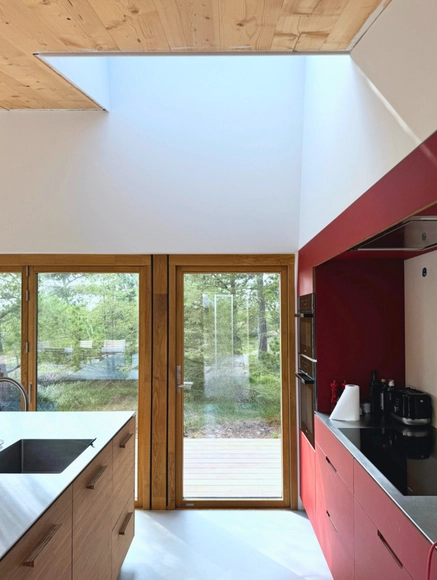
The Summer House in Højby by Jeppe Utzon & Camille Pincemin. Image Courtesy of VELUX
In architecture, it's often the finer details that make the grandest impact. Across the ages, architects have carefully oriented buildings to balance function and aesthetics, with light as their guiding principle. The pursuit of perfect lighting in buildings dates back to medieval times—and the search continues. It turns out that simply allowing light into a space isn't enough; it's the direction and quality of that light that truly elevates the environment.
This year, the VELUX Nordic Architecture Competition—aptly titled "Daylight from Above"—invited architects from Denmark, Sweden, and Norway to explore the nuances of natural light in residential design. The competition urged them to craft spaces where light plays a starring role, sculpting interiors that shift and change with the hours and seasons. The aim? To create homes where light doesn't just brighten a space but elevates the experience of living in it..
Art has long been perceived as elitist, an image solidified by its deep ties to power and wealth. In ancient times, works of art were status symbols reserved for rulers and religious figures, while the Renaissance marked a period in which wealthy patrons like the Medici family promoted art as a tool of social and political prestige. In the 17th century, with the rise of art academies, strict standards were established for what was considered "high culture," further distancing art from the masses.
By the 19th century, the art market had become shaped by private collectors and commercial galleries who viewed art as a luxury product, accentuating its exclusivity and making accessibility a secondary issue. Artistic movements like Impressionism, Modernism, and street art challenged the elitism of art, broadening its reach and questioning its institutional exclusivity. While the contemporary system remains dominated by wealthy collectors and a market that prioritizes profit over accessibility, there are still initiatives aiming to change this dynamic.
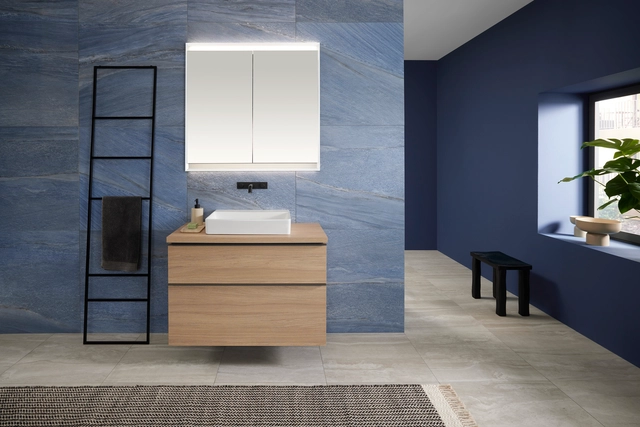
Not all people share the same routines, habits, or customs, yet we all have the same fundamental needs, regardless of age, social class, gender, culture, or religion. Designing bathroom spaces involves considering parameters of accessibility, technology, cleanliness, comfort, and durability, while offering efficient and sustainable solutions that ensure optimal performance. But what does functionality in architecture really mean? How do usage patterns evolve over time? Geberit products showcase various design proposals through their Mix and Match approach that blend furniture, sinks, and other bathroom accessories, all conceived to meet the diverse requirements of their users.
Can academic projects explore new directions and contribute to public discourse on global and local issues? The 2024 Politecnico di Torino Students Award aimed to address these questions, showcasing how architectural research, training, and experimentation can be integrated into a school curriculum.
Politecnico di Torino is ranked among the top 10 architecture schools in Europe (QS World University Rankings by Subject 2024 - Architecture and Built Environment). With over 3,000 students, the Department of Architecture and Design offers a Bachelor's degree in Architecture and three Master's programs—Architecture for Sustainability, Architecture Construction City, and Architecture for Heritage—all featuring dedicated English tracks. The Department offers also two Bachelor's and one Master's programmes in Design.
As global urbanization accelerates, the demand for forward-thinking urban development and construction strategies is more pressing than ever, with an estimated 80% of the world's population expected to live in cities by 2080—particularly in the Middle East, Africa and South Asia. From 26 to 29 November, Big 5 Global, together with co-located events LiveableCitiesX, GeoWorld and Future FM, will host five strategic summits, bringing together 1,500 leaders from both government and the private sector to shape the future of urban communities.
John Pawson is a renowned British architect and designer, widely recognized for his minimalist approach, which values simplicity, proportion, and material authenticity. In his work, he explores space and light with depth, refining each element to its essence to create environments that promote tranquility and focus. His portfolio spans private homes, galleries, churches, and monasteries, each exemplifying his dedication to material purity and spatial harmony. By balancing clean lines, natural textures, and understated details, Pawson establishes a modern elegance and timeless quality that make him a pioneer of architectural minimalism.
Highlighted submissions. Image Courtesy of Buildner
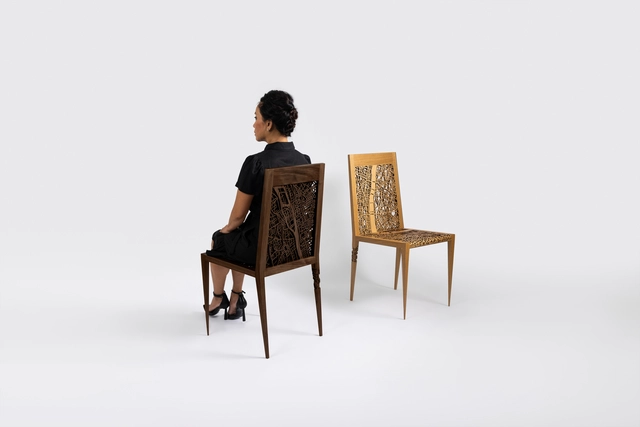
Buildner is pleased to announce the results of its second annual Architect's Chair Competition, which received excellent ideas from around the globe. As this competition series gains traction and interest, Buildner is excited to announce the launch of the Architect's Chair Edition 3 competition with a registration deadline of January 15, 2025. Buildner has also published its first book on the topic, highlighting key ideas and outstanding projects past editions.
By now, most people in the construction industry know that addressing the carbon emissions that come from the built environment is key to solving the climate challenge. Yet, knowing where to start can be a challenge for many professionals. That's why education and upskilling across the value chain—from architects to urban planners, and real estate developers to engineers—are essential to fostering sustainable construction practices.
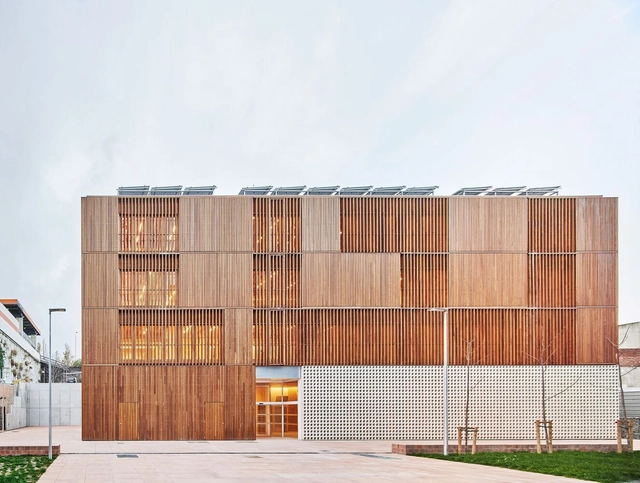
Traditionally, architecture's role has been to create a barrier between inhabitants and the elements, providing protection and security. Even with material and technological advances over time, this function remains fundamental. We still rely on our building envelopes to keep us dry, safe, and comfortable, allowing us to live our daily lives with ease. Nowadays, high-performance building envelopes expand this protective function by using advanced materials and technology, transforming into essential elements of sustainable and resilient design. They not only protect interiors from external factors—such as heat, humidity, and pollutants—but also contribute directly to the building's energy efficiency, durability, and aesthetics. Consisting of facades, solar shading systems, and windows, these envelopes define the building's character and play an essential role in its overall performance.
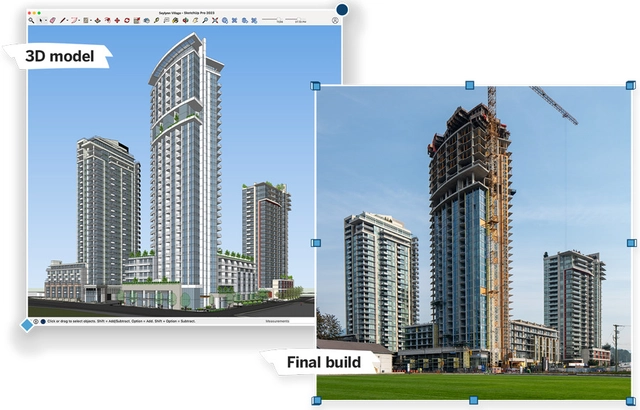
With a longstanding dedication to empowering designers and beautifully bringing their ideas to life, SketchUp software offers an intuitive, comprehensive 3D modeling toolset straight out of the box. Still, users can supercharge its capabilities with a range of powerful extensions.
SketchUp's Extension Warehouse features hundreds of plugins for everything from animation and urban planning to interior design and architecture. These tools eliminate repetitive tasks, improve accuracy, and streamline workflows, allowing designers to customize and enhance their SketchUp experience. But with so many extensions to choose from, diving in can feel daunting. Get started with this list of the top 11 SketchUp extensions to extend and customize your workflows.
New York City is a place of constant transformation. Since the late 18th century, when it became one of the world's largest ports, it has established itself as a hub of innovation, commerce, and cultural diversity, attracting immigrants from all over. The rapid industrialization of the 19th century spurred a proliferation of factories, warehouses, and working-class neighborhoods, like Brooklyn and the Lower East Side, which shaped the city's urban and economic growth.
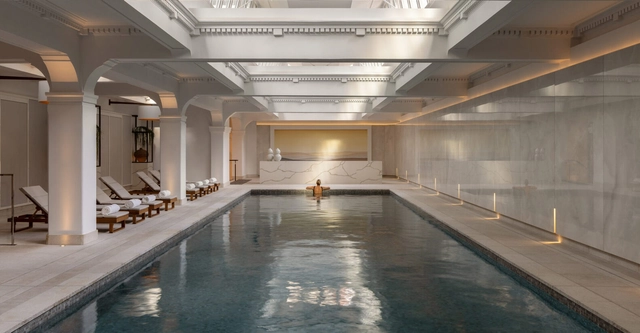
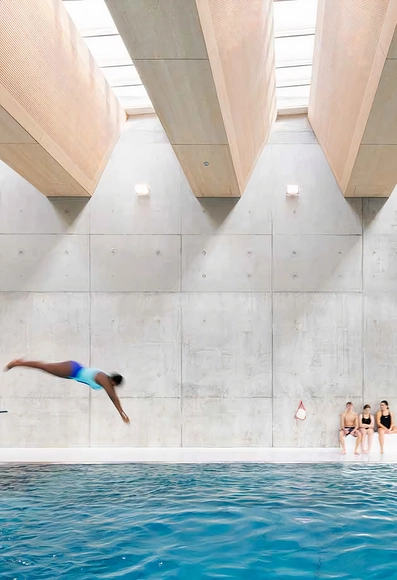
Water and daylight? At first glance, they seem like distant concepts: one is tangible, while the other, —though intangible—, manifests itself through its effects and perceptible qualities. Both are powerful and recurring resources in architectural design, often employed only for compositional purposes. However, in the context of indoor pools, this combination is frequently functionally oriented, prioritizing 'protection' from external stimuli. This one-dimensional approach can restrict the dynamic interaction between water and natural light, leading to aesthetic, functional, and operational challenges.
https://www.archdaily.com/1022632/heres-how-to-level-up-indoor-pools-with-daylight-solutionsEnrique Tovar
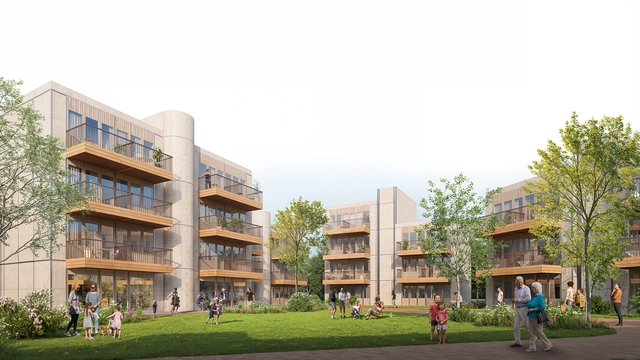
Buildner has announced the results of the Kharkiv Housing Challenge, the first competition in a two-part series focused on rebuilding Ukraine. Kharkiv, Ukraine's second-largest city, has been deeply affected by the ongoing conflict, and this competition is part of a broader effort to rebuild its housing and public spaces.