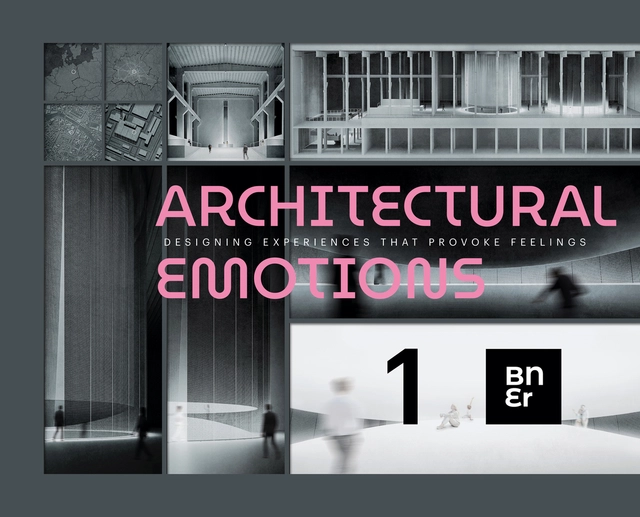
Buildner has announced the results of its Museum of Emotions Competition, an annual international design competition that tasks participants with exploring the extent to which architecture can be used as a tool to evoke emotion.
The brief calls for the design of a conceptual museum with two exhibition halls: one designed to induce negative emotions; the other designed to induce positive emotions. Participants are free to choose any site of their liking, real or imaginary, as well as choose the scale of the project. The meaning of "positive" and "negative" is up for interpretation: What two emotions might a designer consider contrasting? How might an architect conceive spaces that elicits fear, anger, anxiety, love or happiness?
Ombú, Madrid, Spain / Foster + Partners. Image Courtesy of the Wood Design & Building Awards
The 2024 Wood Design and Building Awards program is now open for submissions, inviting entries from talented architects and designers across North America and around the globe who are setting new standards of excellence in wood architecture. The Wood Design & Building Awards program recognizes design teams that are passionate about celebrating wood as a sustainable, versatile, and sophisticated building material. The program offers the chance to showcase innovative work and be part of a prestigious celebration of wood design.
Milan Design Week is a celebration of creativity, innovation and excellence in design, captivating audiences from all over the world. It is an event that encompasses various design-related exhibitions and activities in Milan, while Salone del Mobile is Milan Design Week's main trade fair focused specifically on furniture and interior design. Every year, the city is transformed into a vibrant hub where designers, architects, artists and enthusiasts converge to explore the latest trends, ideas and innovations in the world of design. The instance is a catalyst for inspiration, promoting dialogue, collaboration and discovery across a range of design disciplines, from furniture and interior design to architecture, fashion and more.
In 2024, the event witnessed a strong presence of Spanish brands among the many exhibitors. This impact was fostered by ICEX (Spain Trade and Investment), a Spanish government agency responsible for promoting the internationalization of companies and the expansion of the country's exports, providing support and services to companies looking to enter or expand in international markets. In addition, the institution organizes trade missions, participates in international fairs and exhibitions and provides training and consultancy services to Spanish companies looking to succeed in the global market. Here is a summary of the exhibitions and activities of seven outstanding Spanish brands at the various events that took place during the week of April 15-21, 2024 in Milan.
Courtesy of Feldman Architecture and Western Window Systems
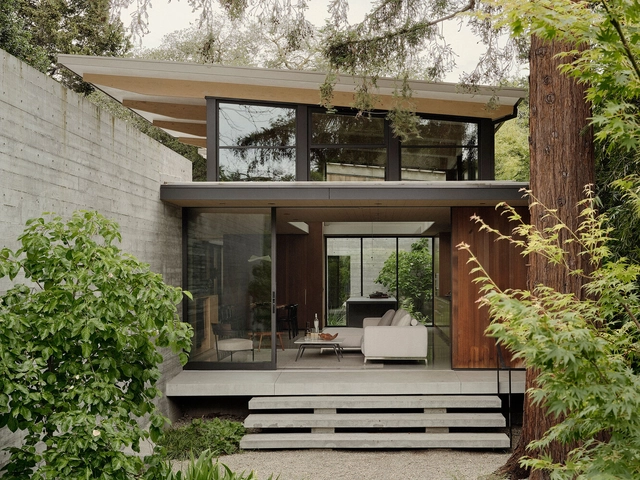
When it came to designing a nature-embracing modern home in Palo Alto, California, USA, architect Tai Ikegami took his responsibility to protect and venerate the magnificent trees on the lot seriously.
“The house is designed around a series of trees on the site—an oak in the front, another oak on the side, a redwood in the back. These are dramatic trees with a large scale,” says Ikegami, a partner at Feldman Architecture, San Francisco.
When Wallace S. Broecker first introduced the concept of global warming in the 1970s, society probably didn't anticipate the implications of this phenomenon. Today, more than 50 years later, we have stopped predicting an adverse climate scenario and have begun witnessing it directly. It is now evident that the earth is breaking temperature records year after year, as a result of a disparity in the global response to the issue and a slow-moving reduction in carbon emissions.
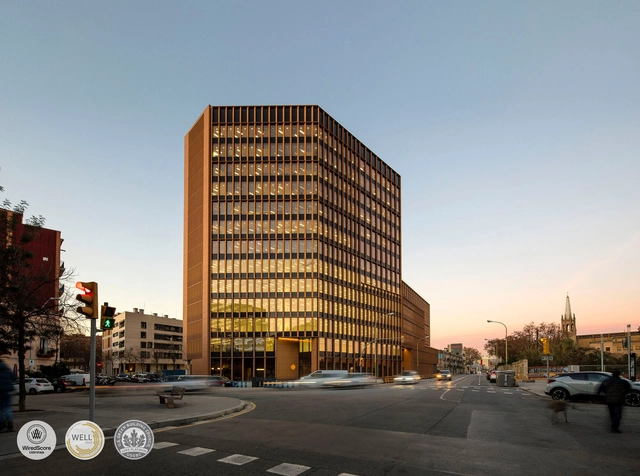
To reduce CO₂ emissions in architecture, it is crucial to implement effective strategies that address both the manufacturing of materials and the life cycle of buildings, as well as energy consumption during use. In countries like the US, approximately 45% of energy consumption in the residential sector is allocated to heating and cooling spaces, making it essential to address efficient building design, especially on the façade. To achieve this objective, policies are being implemented that promote a conversion towards a more sustainable model. In this new model, sustainability certifications for buildings provide a framework for measuring and evaluating resource consumption.
https://www.archdaily.com/1016044/the-curtain-a-key-element-in-the-certification-of-sustainable-buildingsEnrique Tovar
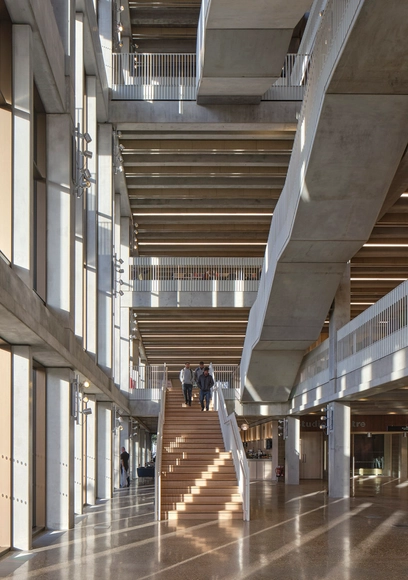
Kingston University London by Grafton Architects, 2022 Daylight in Architecture Laureates. Image Courtesy of Dennis Gilbert
On May 16th at 18:00 (CEST), Juhani Pallasmaa, chairing the esteemed jury consisting of Dorte Mandrup, Russell Foster, Iwan Baan, Yvonne de Kort, Michael Balick, and Gerd Folkers, will present the jury's reasoning, and the 2024 laureates for Daylight Research and Daylight in Architecture will be announced. This event will be streamed live online.
The online event is open to the global community of architects, researchers, scientists, building professionals, educators, students, and members of the press. It welcomes everyone interested in daylight and its significance for life on Earth. Sign up here to receive event notifications and join the live announcement.
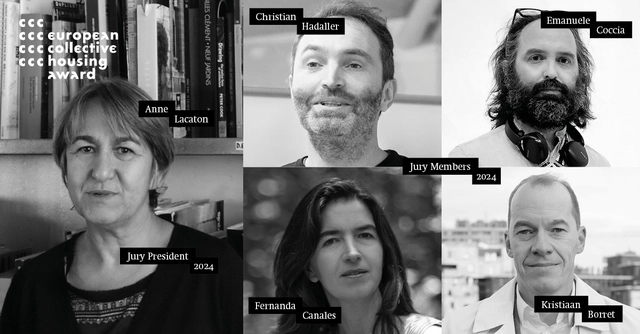
Architectural awards serve as a fundamental platform within the profession and the wider community. They recognize and celebrate outstanding achievements in architectural projects, promoting excellence and innovation, while also providing visibility and exposure for architects and companies, highlighting projects that might otherwise go unnoticed. This impact is particularly evident in collective housing projects, which face a range of challenges, from issues of cost and compliance with urban planning legislation to the need to create welcoming and functional environments for residents. By highlighting diverse initiatives and approaches, awards inspire and educate, stimulate dialogue and the exchange of ideas, and contribute significantly to the advancement of architecture by recognizing projects that address specific themes such as sustainability or social impact.
Milan Design Week rarely fails to deliver on compelling showcases of design and innovation.
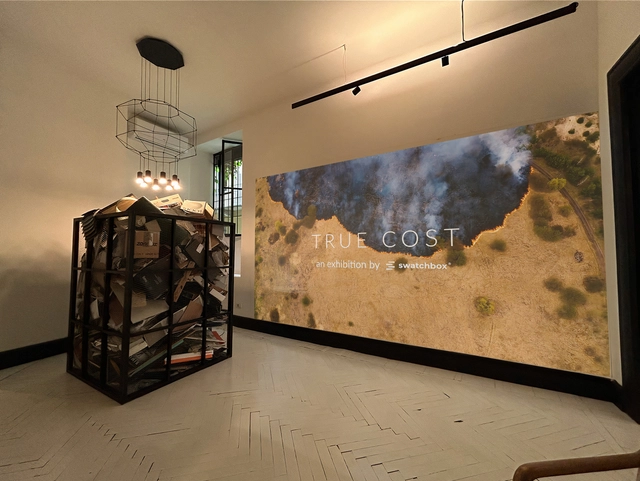
One of the exhibitions this year, created by Swatchbox, conveys the “true cost” of traditional approaches to construction. The sample platform founded by architects to provide sustainable sampling methods to the design community launched its thought-provoking showcase at the heart of the Brera Design District in Milan.
The exhibit boldly confronts the issue of wastefulness inherent in traditional construction practices. Installed inside an office in Brera that is ordinarily occupied by a Milan architecture firm, the exhibit displays a large pile of construction materials typically destined for landfill. The materials are meticulously arranged to showcase the sheer volume of waste generated by the design community.
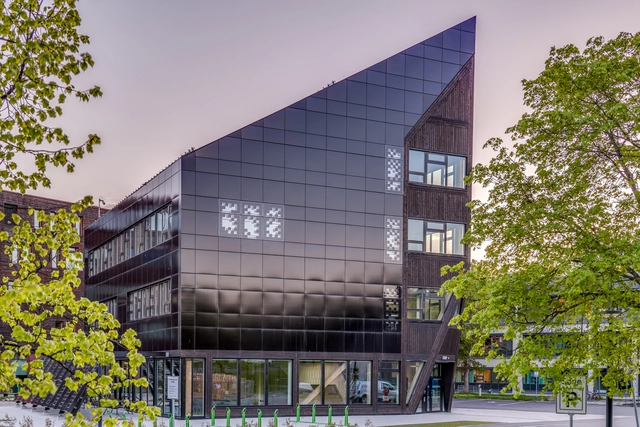
ZEB Living Lab is a research building that stands out for its pioneering initiative among zero-emission buildings, seeking to have a significant impact on the future. Located in Trondheim, Norway, it is much more than just a building; it is a tangible manifestation of the global commitment to sustainability and innovation. Conceived as an advanced research laboratory and a practical example of sustainable construction practices, it represents the point of convergence between architecture, technology and environmental awareness. Managed in collaboration between NTNU (Norwegian University of Science and Technology) and SINTEF (Scandinavian Institute of Technology), this center of scientific excellence is a platform for living experimentation, where innovative materials and solutions are developed, tested and demonstrated in direct interaction with the building occupants.
Among the "Five Points of New Architecture" formulated by Le Corbusier, terrace gardens figure as a way to take advantage of a building's so-called fifth facade, either as leisure areas or landscaping spaces. Thanks to technological advances in reinforced concrete in the mid-twentieth century, usable flat roofs are far from new. There are traces in Mesopotamia and vernacular architecture from Greek and Arab civilizations. However, problems that frequently arise relate to infiltration and leaks. Water is relentless in finding a place to drain, and flat roofs are exposed to this when execution and design are not carefully thought-out. In fact, as documented in several letters, this was a source of disagreement between the owner and the Swiss-French architect in the case of the influential Villa Savoye. Today, nonetheless, there are good waterproofing options on the market that provide durability, resilience, adaptability and, above all, avoid headaches and fights between builders and owners. Elevate is built on 40 years of history in the production of roofing membranes, as well as insulation and vapor barriers, and develops solutions for waterproofing flat roofs with a low inclination.
Porta by Maxim Velcovsky. Image Courtesy of Lasvit
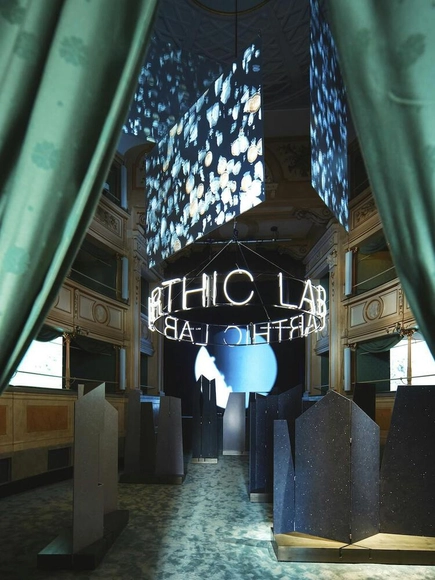
Through “Re/Creation,” Lasvit —a leader in hand-made glassmaking—sets up a sanctuary for creative escapism amid the hustle and bustle of Milan’s Salone Week. In the serene embrace of Palazzo Isimbardi, “Re/Creation” offers a space where minds are free to wander, inspired by the fluid grace of molten glass. The title refers to the innovative technique of fused glass, where the essence of fused glass lies in letting go. Extremely hot melted glass is allowed to relax, spread and take shape of a form designed for the glass to lie on. Its own weight and gravity take care of the rest. Similarly, a creative mind is most prolific and innovative when relaxed, free of everyday pressures and demands. This is why, at the beautiful location of Palazzo Isimbardi, Lasvit creates a haven for creatives to escape, recharge and relax.
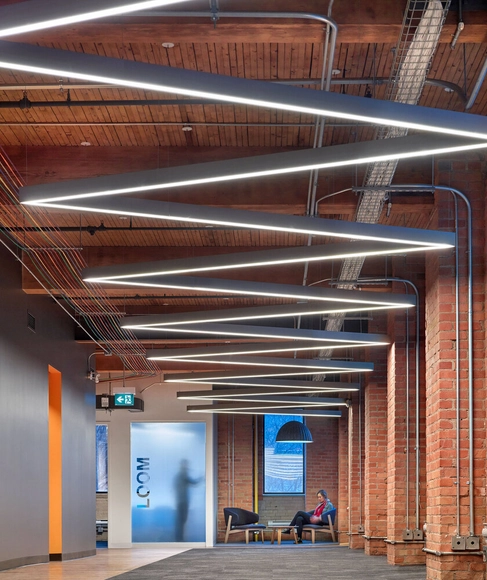
Slack Toronto Office / Dubbeldam Architecture + Design. Image Courtesy of Alcon Lighting
Lighting has evolved remarkably throughout architectural history, driven by significant technological advances. Despite these changes, its central purpose of enhancing aesthetics, functionality, and safety has remained consistent. In this evolution process, a milestone can be traced with the transition from fluorescent lighting to LED lighting, marking a turning point that has reduced costs and energy consumption. Furthermore, it has fueled creativity, thanks to the versatility of LED lighting. These new design possibilities are evident in organic lighting layouts, which mimic linear patterns of lighting arrangements on walls and ceilings, whether suspended or recessed.
In this context, as architects and designers have moved away from symmetrical, rigid, and parallel mirror patterns, Alcon Lighting has detected a trend where linear lighting highlights asymmetrical architectural features and lines. In this way, layouts that do not appear to follow a rigid design pattern are being adopted.
https://www.archdaily.com/1015184/exploring-linear-lighting-design-for-creating-luminous-pathsEnrique Tovar
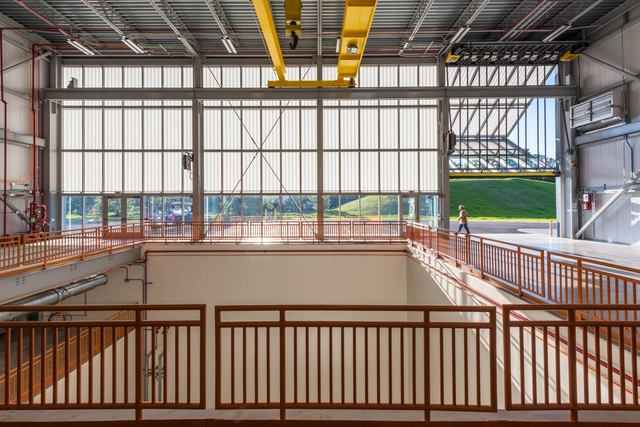
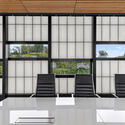
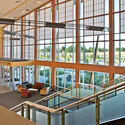
The question, "How can we control natural light in interior spaces?" is fundamental in architecture. Unregulated direct sunlight can cause discomfort such as visual strain and undesirable heat gains. Therefore, it is crucial to control its entry effectively. Some design solutions include installing shading devices, planning spatial orientation, and building forms for indirect natural light. Window treatments like films or heat-reflective glazing can also be used.
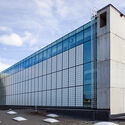
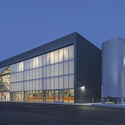
However, there are innovative strategies to control natural light more efficiently through advanced glazing panels like the Kalwall 175CW. This translucent insulated glazing unit is compatible with most third-party curtain wall systems. By manipulating the translucency of the glazed material, it's possible to influence the visual and thermal comfort of spaces. At the same time, this can enhance the architecture of modern spaces, adding substantial aesthetic and emotional value.
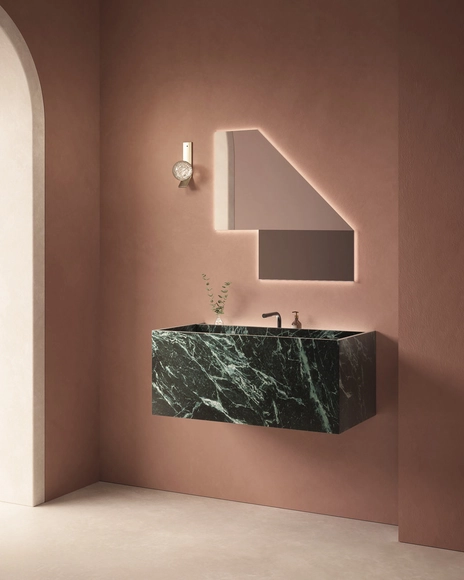
MyStreet washbasin in Verde Alpi marble _Design AL Studio. Image Cortesia de antoniolupi
Marble held profound significance in Greek and Roman architecture due to its abundance, luminous surfaces, and subtle veining. Its durability ensured structures' longevity, while its cultural symbolism of purity and divine favor made it ideal for temples, theaters, and amphitheaters. As a symbol of perfection, marble facilitated intricate craftsmanship for decorative elements, inspiring architectural marvels and exquisite art, leaving a legacy of sophistication and refinement.
Today, marble remains a symbol of excellence and refinement, prevalent in contemporary architecture and art. Its timeless beauty and durability continue to captivate clients and designers alike. In sculptures, furniture, and decorative pieces, marble's natural elegance elevates any environment. Companies like antoniolupi integrate marble into their designs, combining creativity and meticulous craftsmanship to redefine the possibilities of this natural stone in innovative projects. The Italian company—a leading designer and manufacturer of high-end products—has ventured beyond conventional boundariesin a quest for innovation, embarking on projects that redefine the possibilities of this naturalstone.
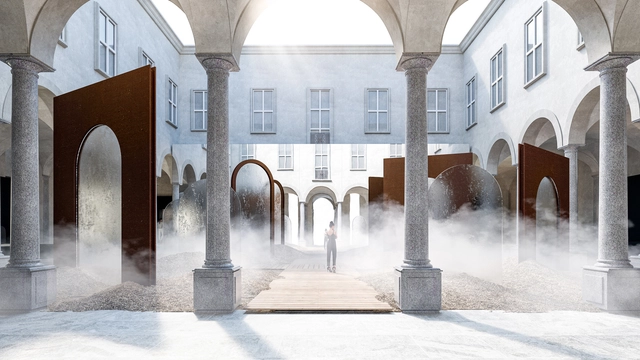
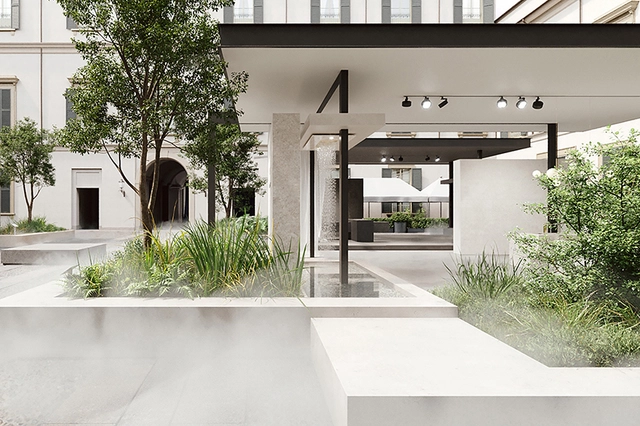
With over 30,000 visitors, the GROHE SPAinstallation at the Pinacoteca di Brera during Milan Design Week 2023 left a lasting impression, eventually receiving the Red Dot ‘Best of the Best’ award. Building on this success, GROHE is returning for Milan Design Week 2024 with an immersive experience in one of Milan’s most prestigious locations: the Palazzo Reale. The former royal palace near the Duomo serves as a cultural nexus and is home to international art exhibitions, making it the ideal scenery for its premium sub-brand GROHE SPA and the celebration of the revitalizing power of water.
From April 16-21, the courtyard of Milan’s historic Palazzo Reale will transform into an exhibition space. Conceived by the in-house LIXIL Global Design and Brand Identity team, the installation pays tribute to the history of the building by evoking its past and interweaving it with the contemporary GROHE SPA "Salus per aquam" (Latin for "Health through Water") concept.
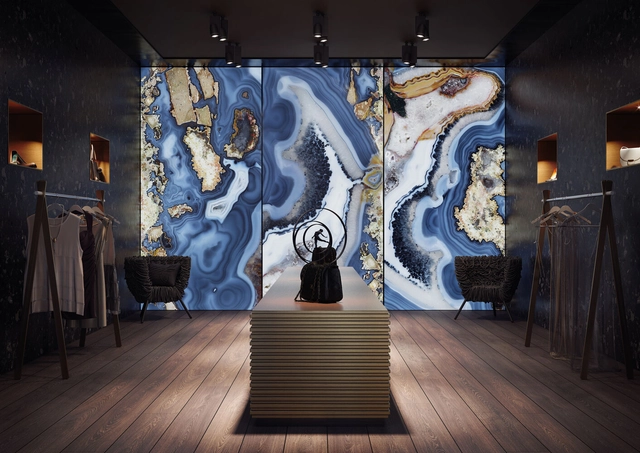
As humans, we’re under the comforting illusion that we’re masters of our own destiny, strong-willed and unaffected by influence. However, the crucial role played by interior design in the success of commercial spaces proves this not to be the case. Every aspect of these environments is carefully crafted to encourage customers to part with their cash—and be happy to do so—from the lighting and temperature to the acoustic and, perhaps most significantly, the visual landscape.
Whether by drawing consumers in with captivating individualism, relaxing them with luxury and hospitality, painting a stylish world where both consumer and product co-exist, or giving subtle prompts to diver deeper and discover more, the influence a commercial environment’s surfaces have on its success is huge.
In the heart of Milan's green quarter, Portanuova, Electrolux is introducing an innovative initiative. From April 16th to 21st, the Electrolux EcoLine Hub at Fuorisalone 2024 emerges as a unique space where education meets inspiration.
More than a mere exhibition, the Electrolux EcoLine Hub offers a fully immersive experience designed to enlighten visitors on the simplicity and significance of practices that can help them live more sustainably at home. Through this initiative, Electrolux aims to stimulate a broader dialogue on the topic. The Electrolux EcoLine Hub also includes an exhibition of products that are part of the Electrolux EcoLine range, which is a selection of the brand's most energy-efficient kitchen and laundry appliances, designed to help users make better choices.
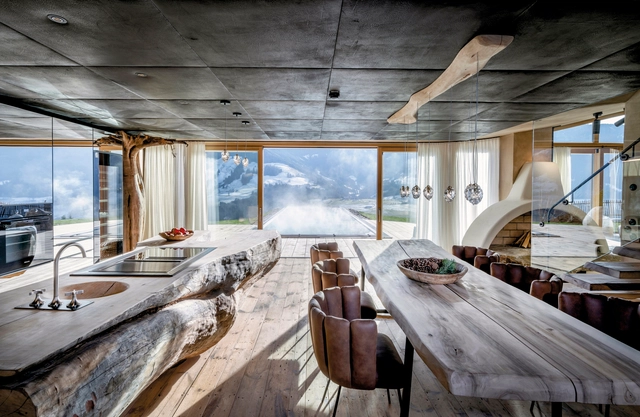
Located in the municipality of Leogang in the Salzburgerland province, Austria, the Priesteregg Premium Eco Resort resides on a plateau at a height of 1100 meters. Opened in 2009, the resort comprises 15 chalets and three villas, and is surrounded by lush mountain pines, Alpine roses, and bilberry bushes. This setting offers relaxation and breathtaking views of the Leogang Steinberg Mountains, the Steinernes Meer with the Hochkönig, and Kitzbühl Schieferalpen.
The resort's development has been influenced by traditional agricultural land use, leading to a conservationist approach. This includes sustainable energy concepts, support for regional producers, and the use of natural materials in the entire resort. In the three villas, the W2 Manufaktur studio and architect Ulrich Stöckl have curated interiors that blend rustic Alpine style with modern luxury, featuring products from Dornbracht. Each villa uniquely combines natural materials, natural features, and a variety of the brand's fittings and fixtures.