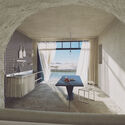
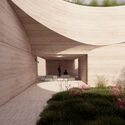
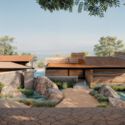
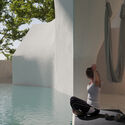
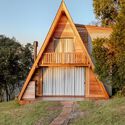
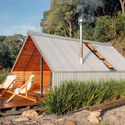
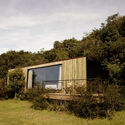
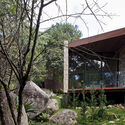
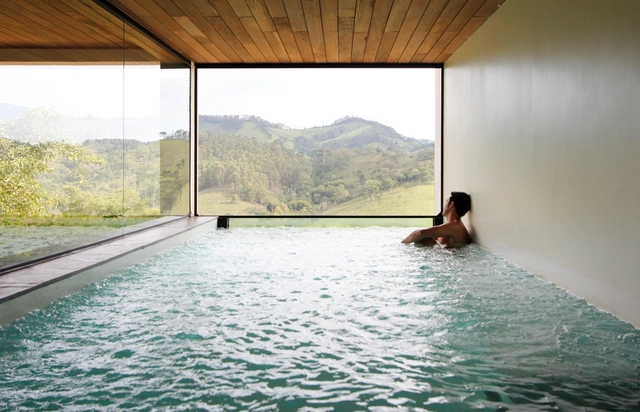
Wellbeing is no longer confined to exclusive resorts, spas, or hospitality settings. Today, it has become an essential part of contemporary living, inspiring homeowners to create private spaces dedicated to relaxation and personal care. Collections such as LEMI's Home Spa Collection explore this growing interest in residential wellness through a selection of massage beds and relaxation loungers.
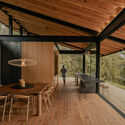
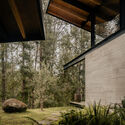
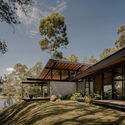
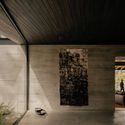
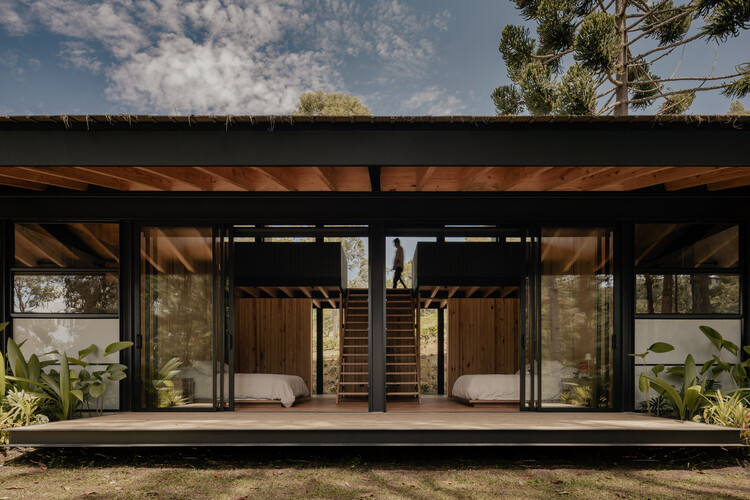
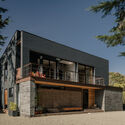
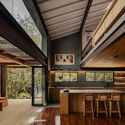
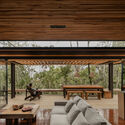
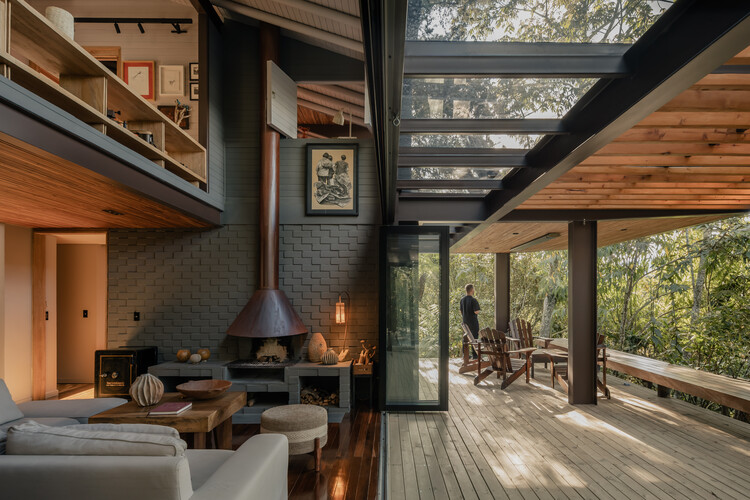
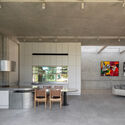
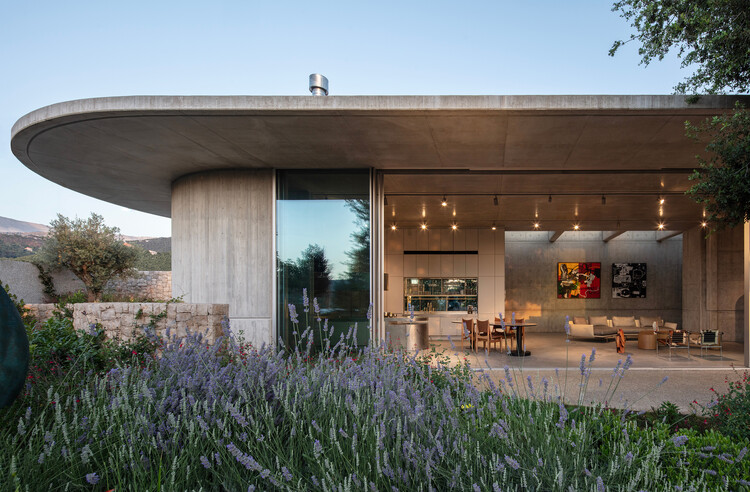
Set within the mountainous landscape of Zabbougha, Lebanon, Capsule Retreat by EAST Architecture Studio is shaped through the process of its making. The project unfolds through material decisions, on-site adjustments, and evolving conditions, allowing construction itself to guide its spatial logic.
The construction process played a central role in defining the project. Built during a period marked by economic collapse, material shortages, and ongoing disruption in Lebanon, the house developed through continuous adaptation. With no general contractor, the architects took on an expanded role, coordinating craftsmen, testing ideas directly on site, and responding to changing constraints. In this context, sociopolitical conditions became not only a challenge but a catalyst for rethinking design. "We were constantly testing ideas on site", say the architects and founders of EAST Architecture Studio, Charles Kettaneh and Nicolas Fayad, "tailoring these decisions economically while exploring what local craft could offer."
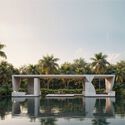
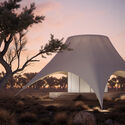
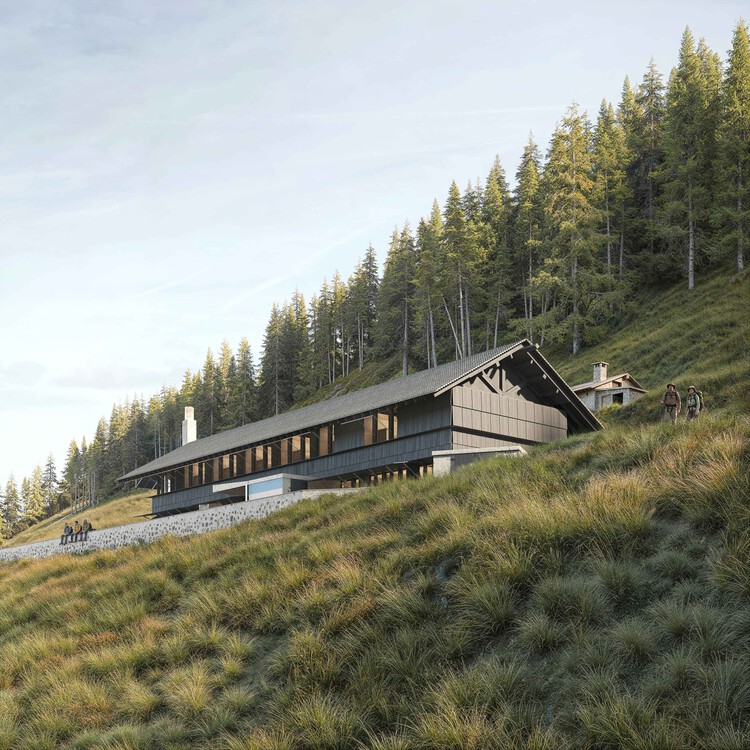
Spaces of retreat continue to offer fertile ground for unbuilt exploration, revealing how architecture can support rest, reflection, and immersion in nature amid shifting environmental and cultural conditions. In this Unbuilt edition, submitted by the ArchDaily community, the selected projects assemble a diverse range of proposals that reconsider hospitality through the lens of refuge. These works position accommodation not as spectacle or excess, but as spatial frameworks shaped by landscape, climate, material restraint, and shared experience.
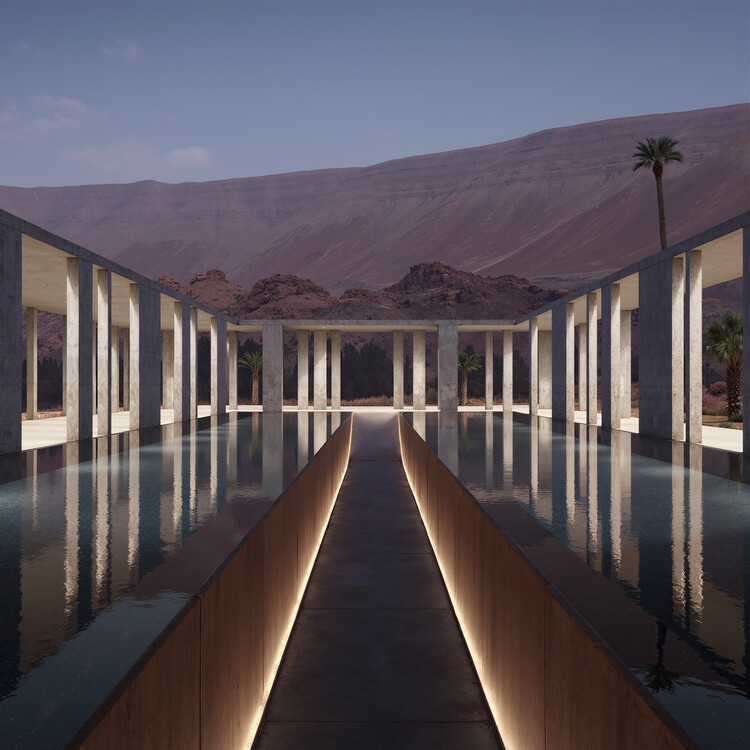
Across distinct geographies, from Southeast Asian hillsides and Indonesian coastlines to African wilderness, Alpine terrain, Middle Eastern landscapes, and North American forests, the proposals demonstrate varied architectural responses to sensitive sites. They include elevated structures that hover lightly above steep ground, temporary lodge systems embedded in remote ecologies, reconstructed mountain shelters grounded in memory and reuse, courtyard-centered communal stays shaped by lifestyle cultures, contemplative desert retreats, and inclusive woodland camps designed for accessibility and environmental balance.
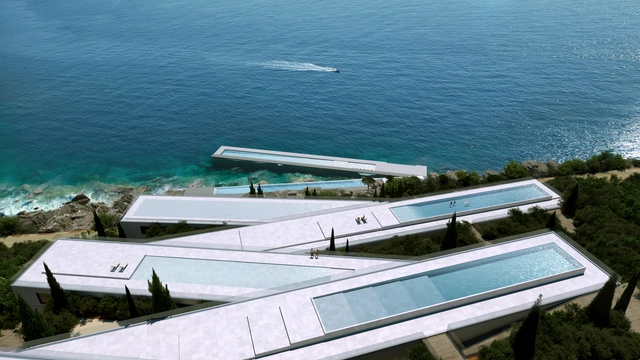
Residential architecture remains one of the most active fields for unbuilt architectural exploration, offering a lens through which architects rethink how domestic space can respond to landscape, climate, and contemporary patterns of living. In this Unbuilt edition, submitted by the ArchDaily community, the selected proposals bring together a range of residential projects that engage with houses, villas, and retreats as sites of withdrawal, mediation, and everyday inhabitation. Rather than treating the home as a fixed or isolated object, these projects approach it as a spatial framework that negotiates exposure, privacy, and connection to place.
Videos
Second Prize Winner: Branch. Image Courtesy of Buildner
Buildner has announced the results of the Howard Waterfall Retreat architecture competition, an international design challenge developed in close collaboration with the Howard Family Trust. The competition invited architects and designers to propose a multi-generational family retreat set within a privately owned, forested landscape in Northwestern Pennsylvania, centered on the dramatic presence of Howard Falls and the surrounding gorge.
Rather than prescribing a singular architectural solution, the brief emphasized a careful dialogue between architecture and nature. Participants were asked to consider how a retreat could balance shared and private living, respond to steep topography and water systems, and integrate sustainably within a sensitive ecological setting. The project also called for an interpretation of family legacy, encouraging designers to acknowledge the history of the site and the original summer cottage while imagining a retreat capable of evolving across generations.
Meta fitting in Matte Black. Image Courtesy of Dornbracht
Are living spaces getting smaller? As cities densify and the global population continues its steady migration toward urban centers—projected to reach around 70% by 2050—domestic space is becoming increasingly compressed. Rising land prices, high construction costs, and a surge in single-person households push developers toward smaller units and tighter floor plans. At the same time, cultural shifts toward resource efficiency and minimal living support this move. Shrinking living spaces require fewer materials, consume less energy, and encourage people to live closer to their means.
This international competition invited architects to design a boutique wellness retreat along the serene banks of the Vez River in northern Portugal. The project challenged participants to propose a space of tranquility and renewal that would harmonize with its extraordinary natural setting and complement a restored historic watermill already on site. The project partner, the site landowner, plans to construct one of the winning entries.
In contemporary architecture, hotel design is no longer defined solely by luxury and accommodation. Instead, it is becoming a platform to explore questions of identity, ecology, and cultural meaning. Beyond providing rooms and amenities, hotels today aim to create immersive experiences that connect travelers to local traditions, landscapes, and communities. In this curated selection of unbuilt hospitality projects, submitted by the ArchDaily community, speculative and competition-winning proposals offer a glimpse into the future of hospitality, where sustainability and storytelling are as central as comfort and style.
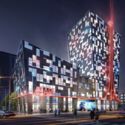
Situated in one of the fastest-developing regions over the past decade—the southern part of China, including Hong Kong and the Greater Bay Area—urban growth has been driven by an overwhelming wave of commercial ambition. Projects here are often designed for maximum density, height, and efficiency, resulting in developments of enormous scale that can easily span several acres. Prioritizing transit-oriented development, these complexes frequently take the form of sprawling malls built directly above major transportation hubs. Designed to disorient and prolong foot traffic to encourage economic activities, these mega-structures have become commonplace in cities like Hong Kong and Shenzhen.
While this typology of megastructures offers clear advantages—economic efficiency, high development returns, and convenience for transit users—it almost invariably ignores its urban context and environment. These developments often turn a blind eye, deliberately so, to their environmental footprint and the city's walkability. At such overwhelming scales, the human walking experience is diminished, if not outright neglected. Pedestrians become interiorized—trapped within the insulated world of these complexes.
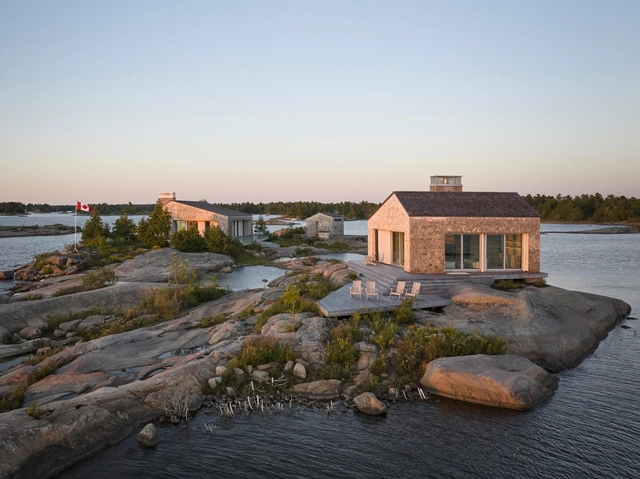
In Canada, the tradition of owning a secondary home in the countryside is a deeply rooted aspect of the national culture. In Ontario and parts of the Maritimes, these nature-surrounded secondary homes are often called "cottages". In British Columbia, Alberta, and Saskatchewan, the term "cabin" is more common, while in Quebec, they are known as "chalets." Regardless of what they are called, these rural retreats offer Canadians an escape from urban life, a place to gather with friends and family, reconnect with nature and enjoy outdoor activities throughout the year.
“The first man wanted to build a shelter that would cover him without burying him.” With some logs found in the forest, he built a square covered with straw so that neither the sun nor the rain could enter, and thus, he felt safe. The description above refers, in a simplified way, to the theory of the primitive hut developed by the abbot Marc-Antoine Laugier in the mid-1700s. The small rustic hut described by Laugier is a model upon which he imagined the magnificence of architecture. It provides an important reference point for all speculation about construction foundations and represents the first architectural idea."
Big cities and the troubled routine of urban life increasingly reveal the need for moments of relaxation aimed at physical and mental health. This concern has become more evident after the long quarantine periods of the Covid-19 pandemic, when disconnecting from routine became even more difficult. Thus, in recent years, more and more people have been looking for activities and places that provide this rest.
Tucked beneath the dense trees of Al-Ozer Forest in Mount Lebanon, Byblos-based architects and visual artists of JPAG Atelier created a secluded retreat away from humans and the chaos of the urban life. The Earth Chapel is a unique sanctuary that lets its visitors experience both the simplicity of the architecture and the richness of the surrounding landscapes, all at once.
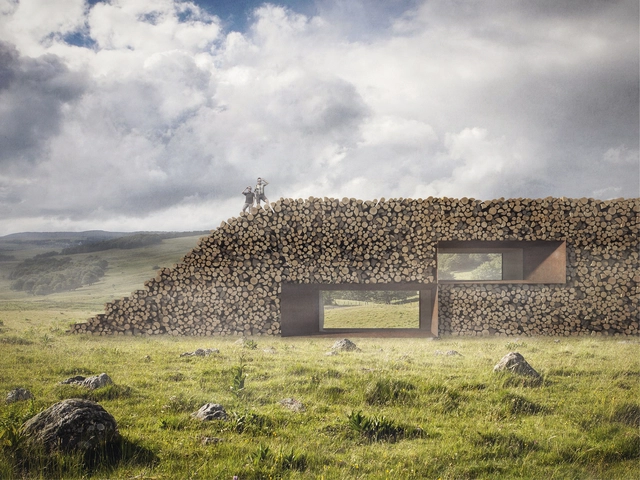
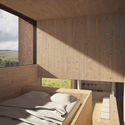
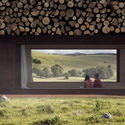
Christophe Benichou creates “The Wall of Logs”, a new conceptual getaway, a natural solid wall with perforated interiors. The project comes as a counterpoint experience for his previous endeavor Sesame, a solitary monolith, a residence in the open desert.
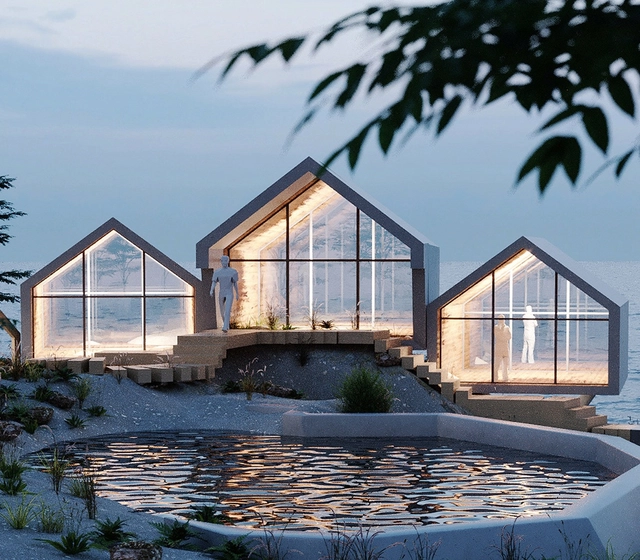
New York-based Jendretzki Design has created a proposal for an off-grid eco resort for New York’s Rat Island. Sited on the only isle off the city's Bronx borough that's privately owned, the project was made as prefab gabled cabins with large glass facades overlooking the ocean. Designed with zero-energy buildings, the site would run on solar and wind power with rainwater collection systems.