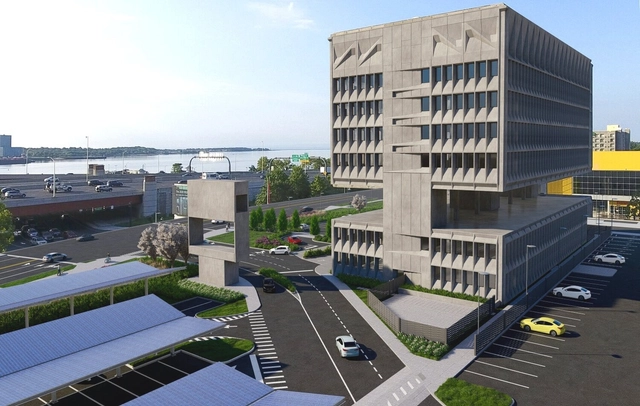
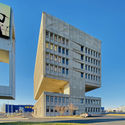
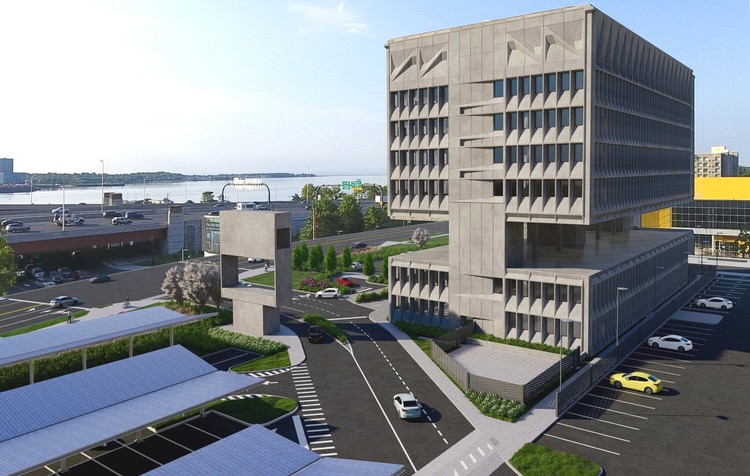
Marcel Breuer’s Pirelli Tire Building, a beacon of Brutalist architecture in the United States, is being reimagined as a hotel by development company Becker and Becker. After being abandoned for years, the structure was sold to architect and developer Bruce Redman Becker in 2020 with plans to transform it into a sustainable 165-room hotel. The sculptural concrete structure aims to be a model for passive design hotels using its unique architectural features and innovative adaptive reuse techniques.
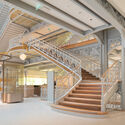
The first quadrant of OMA’s Berlin KaDeWe department store transformation opened its doors to the public, revealing a new approach to retail design in the age of online shopping and shifting consumer behaviour. The masterplan divides the historic building, the largest department store in continental Europe, into four smaller, easily accessible and navigable sectors. The completed quadrant features a six-storey void containing a series of escalators and simultaneously acting as circulation, retail and event space.
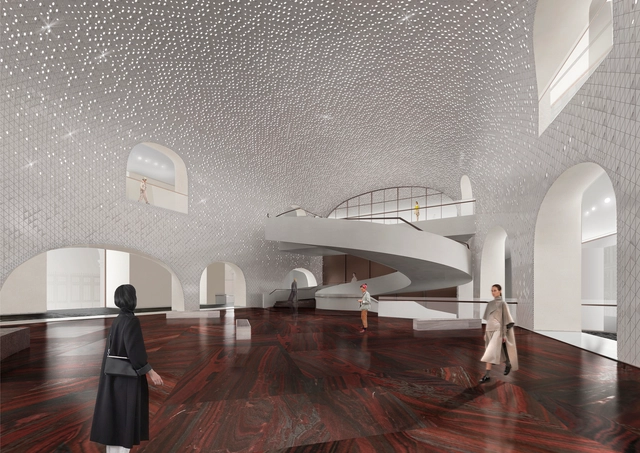
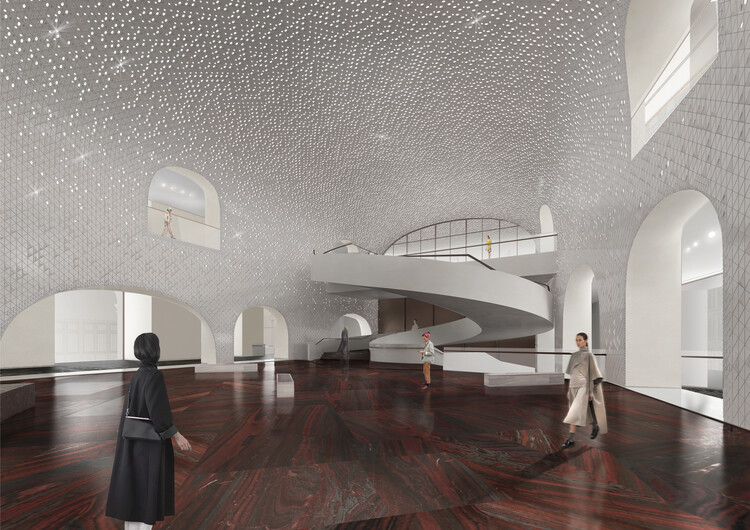
The new Kremlin museum set within the UNESCO protected museum ensemble in Red Square nestles a contemporary structure within the vast courtyard of a 19th-century building. Designed by Moscow-based practices NOWADAYS office and Meganom, the project will house the vast Armory collection, of which only 30% is currently available to the public with the Kremlin walls. The refurbishment of the historic Middle Trading Rows building, together with the new extension, complement each other, creating a diverse and complex museum experience.
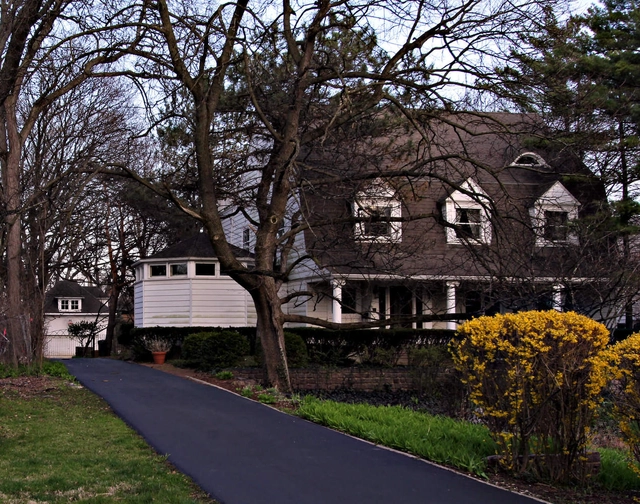
Contemporary view of the Bagley House. Image Courtesy of Patrick Mahoney, AIA
Less than two months ago, the future of an 1894 Dutch Colonial-style home designed by Frank Lloyd Wright wasn’t looking all that bright after it hit the market for $1.3 million in the Chicago suburb of Hinsdale, Illinois. As of this week, however, the historic Frederick Bagley House, described by the nonprofit Frank Lloyd Wright Building Conservancy as a “unique and irreplaceable” early work of Wright, has found a very happy ending—or, more aptly, a new beginning.
The Neue Nationalgalerie, designed by Mies van der Rohe, reopened to the public after an extensive renovation project carried out by the practice of David Chipperfield. In this video created by Mies van der Rohe House, Chipperfield shares his thoughts on the design language of Mies van der Rohe while also discussing the qualities of Neue Nationalgalerie and the future role of architectural monuments. The interview is part of the film and exhibition project Mies Goes Future, which invites artists, architects, and historians to explore the work of the renowned Modernist architect as a source of inspiration for contemporary practice.
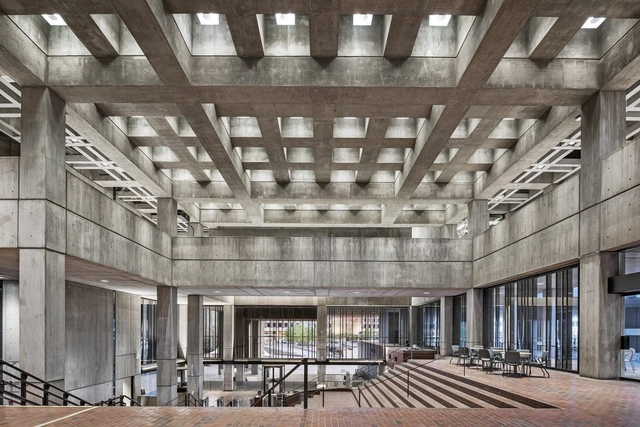
Boston City Hall . Image Courtesy of Utile and Reed Hilderbrand
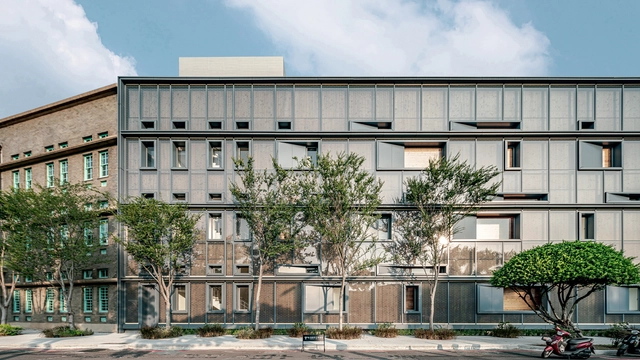
"Demolition is a waste of many things – a waste of energy, a waste of material, and a waste of history,"says Pritzker-winning architect Anne Lacaton. In recent years, refurbishment and adaptive reuse have become ubiquitous within the architectural discourse, as the profession is becoming more aware of issues such as waste, use of resources and embedded carbon emissions. However, the practice of updating the existing building stock lacks consistency, especially when it comes to Brutalist heritage. The following explores the challenges and opportunities of refurbishment and adaptive reuse of post-war architecture, highlighting how these strategies can play a significant role in addressing the climate crisis and translating the net-zero emissions goal into reality while also giving new life to existing spaces.
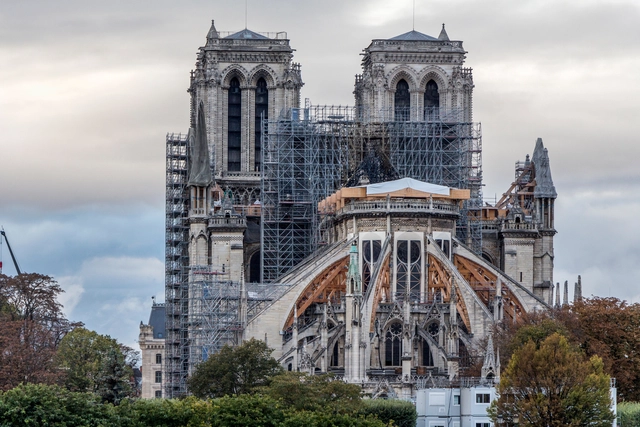
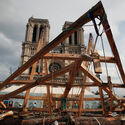
With three more years to go until the 2024 Paris Summer Olympics and the re-opening date announced by French President Emanuel Macron, Notre Dame's restoration work progresses. After a long safety phase and months of work interruption last year due to the pandemic, all burned timber from the roof has been removed, and scaffolding has been installed inside the cathedral. As a homage to the heritage structure and "the collective effort to rebuild Notre Dame", the Catholic University of America is building a replica of one of the cathedral's roof trusses in Washington D.C., using medieval techniques.
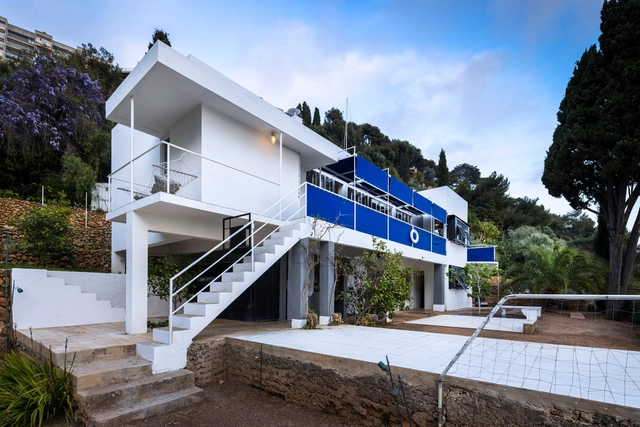
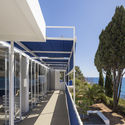
Association Cap Moderne have announced that the restoration of Eileen Gray’s modernist villa E-1027, along with other projects on the Cap Moderne site, such as Le Corbusier’s Cabanon and Unités de Camping, and l’Etoile de Mer restaurant, have been completed and are now open to visitors. The site is listed as a UNESCO World Heritage Site, and is considered as one of the must-see places to discover in the region, welcoming more than 10,000 visitors a year.
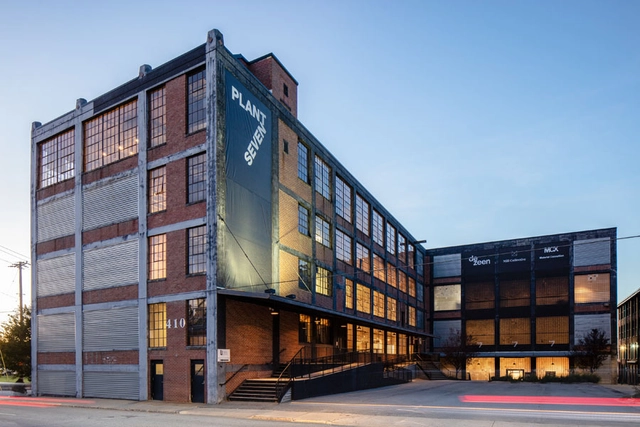
Plant 7 at Congdon Yards, an adaptive reuse project in High Point, North Carolina. Image Courtesy of Keith Isaas
Adaptive reuse or the process of transforming an older building by reusing the structure and changing its original purpose, has gained relevance over the years especially because it allows a complete optimization of the performance of the existing built environment. In a piece, originally published on Metropolis, author Elissaveta Brandon explores how "architects and developers are transforming the staples of the South—located throughout a 120-mile region from Winston-Salem to Fayetteville—into infrastructure fit for today". Transforming historic mills into design hubs, and mixed-use complexes, the article highlights 3 examples from North Carolina.
https://www.archdaily.com/963472/three-adaptive-reuse-projects-in-north-carolina-reinvent-historic-millsElissaveta M. Brandon
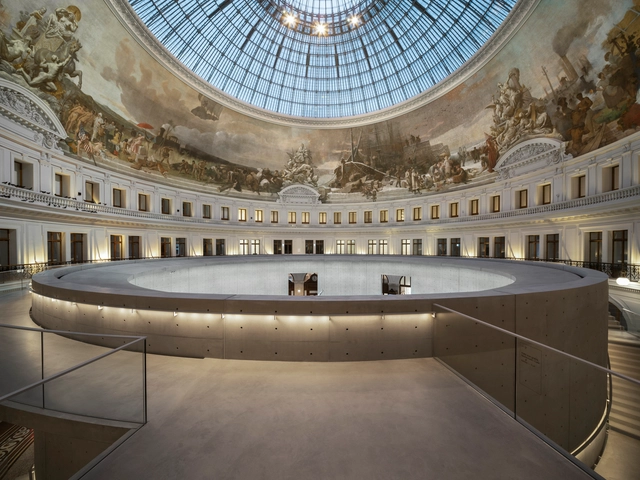
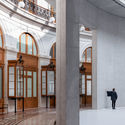
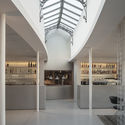
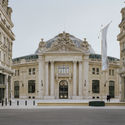
Tadao Ando’s transformation of the historic Bourse de Commerce interweaves past and present, introducing the minimalist aesthetic of a contemporary art venue within the prestigious heritage building whose history spans four decades. The defining architectural gesture in the building’s refurbishment is a circular concrete wall, a new space within the glass-domed rotunda of the former exchange building, which now displays the private collection of notable art collector François Pinault. Images by photographer Cyrille Weiner and photography atelier Think Utopia highlight Tadao Ando’s vision of “architecture within architecture”, showcasing an exemplary restoration accompanied by a highly contemporary yet timeless intervention.
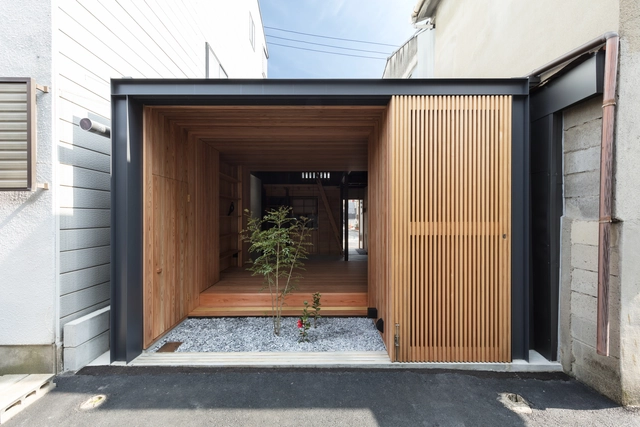
Manufacturers: Grohe, Cielo, Gotoh Lighting Furniture, HORI LOCKS, Hi-Ceramics, +8Ikea, JIMBO ELECTRIC, KISOARTECH, Kaibara Metal Industry, Lixil Corporation, Panasonic, Rianni Corporation, West Village Tokyo-8
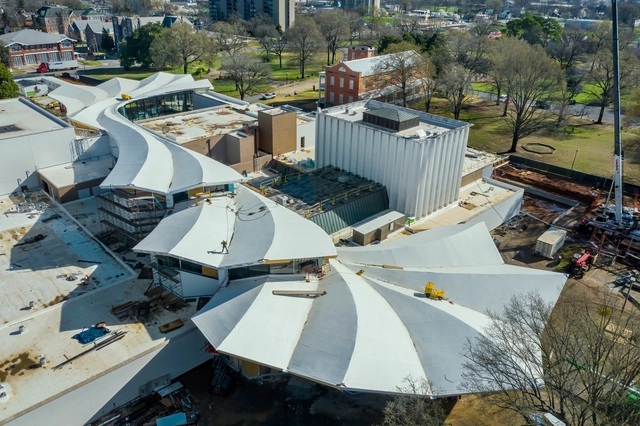
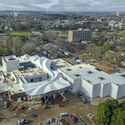
Designed by Studio Gang architects, together with landscape design firm SCAPE and Polk Stanley Wilcox Architects, ArkansasMuseum of Fine Arts (AMFA) reaches an important construction milestone with the recent completion of its signature new roof. Spanning the entire length of the project and connecting the various buildings, both renovated and new, the folded plate concrete roof establishes the museum’s new architectural identity as the leading cultural institution for the state of Arkansas.
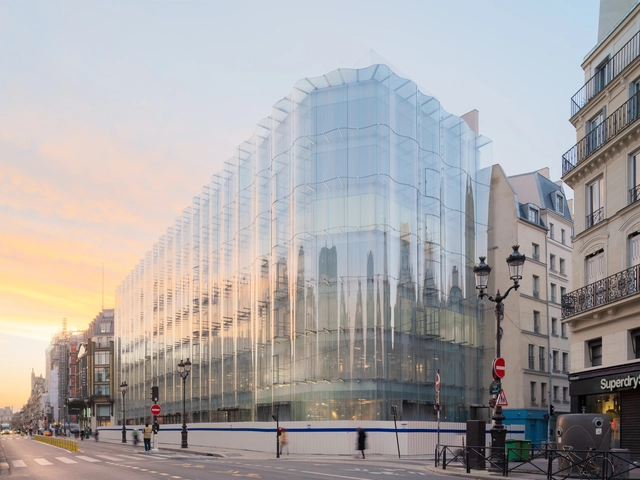
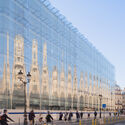
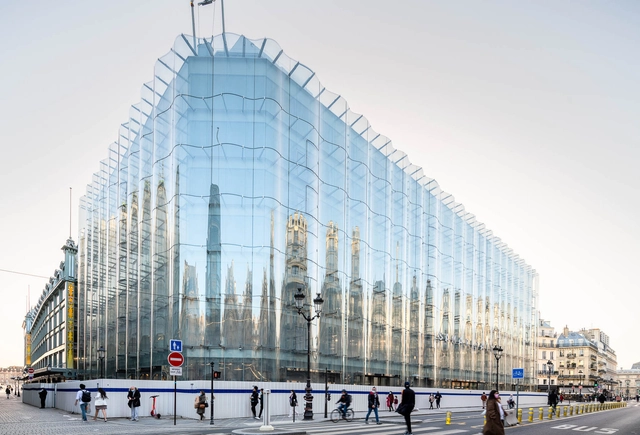
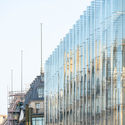
After surpassing many hurdles, SANAA's renovation of La Samaritaine Department Store is set to open its doors to the public. The redesign of the Parisian retail institution reinstates its historical value while bringing a contemporary contribution to its architecture.
Courtesy of OUTCOMIST, Diller Scofidio + Renfro, PLP Architecture, CRA - Carlo Ratti Associati and Arup
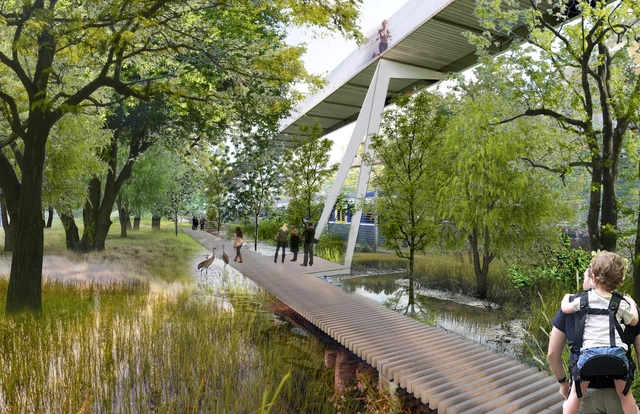
Led by OUTCOMIST, an international design team including Diller Scofidio + Renfro, PLP Architecture, CRA - Carlo Ratti Associati, and Arup won the competition to revitalize the Porta Romana Railway Area, transforming the industrial site into a diverse green neighborhood in Milan. Rehabilitating a disused railway yard into a connective tissue that links the southeast area of the city to the center, the development will generate a rich biodiverse public space, including a large urban park.
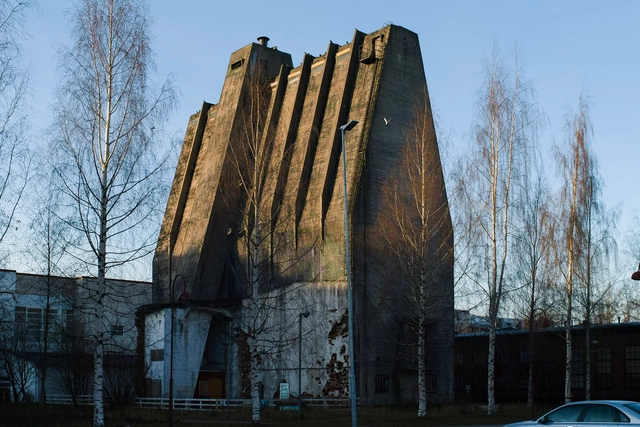
Skene Catling de la Peña and Factum Foundation are transforming Alvar Aalto’s iconic wood chip Silo into a research Centre promoting architectural preservation and re-use. The AALTOSIILO, a cathedral-like concrete structure “will become a point of focus for digitizing and communicating the importance of the industrial architecture of the north and – in turn - the impact industry has had on the environment”.
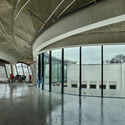
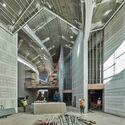
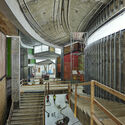
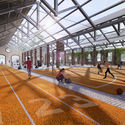
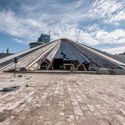
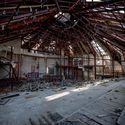
Construction has begun on MVRDV’s project for the Pyramid of Tirana in Albania, as of February 4th, 2021. Rehabilitating what was once a communist monument, the proposal transforms the brutalist structure into a new hub for Tirana's cultural life. Preserving the concrete shell, the intervention will open the atrium and the surroundings, while a small village of cafes, studios, workshops, and classrooms will permeate the site.

































.jpg?1613644686&format=webp&width=640&height=580)
.jpg?1613644756 "Courtesy of MVRDV")
.jpg?1613644713 "Courtesy of MVRDV")
.jpg?1613644686)