1. ArchDaily
  2. Comfort and Sustainability in Architecture

Comfort and Sustainability in Architecture: The Latest Architecture and News

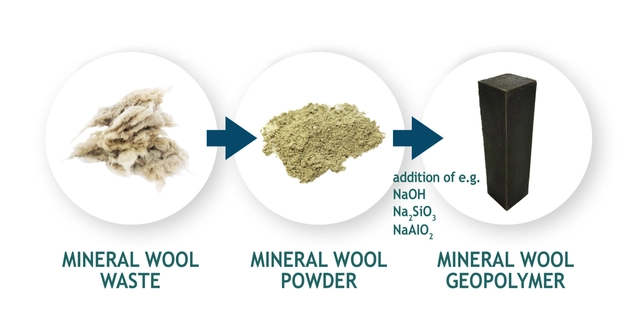
Replacing Cement with Waste: Embracing the Circular Economy with Polymer Technology

When approaching the process of recycling building materials, there are a number of obstacles to achieving a comprehensive and effective result. First, careless demolition can make the process very complex, as products with different recycling products are often mixed. In addition, not all materials can be efficiently recycled or processed, as many still need expensive or overly complex processes. But the construction industry, being a huge contributor to waste production and greenhouse gas emissions, has also developed multiple new technologies to improve its practices. This is the case of the WOOL2LOOP project, which seeks to solve one of the biggest challenges in applying a circular approach to construction and demolition waste.
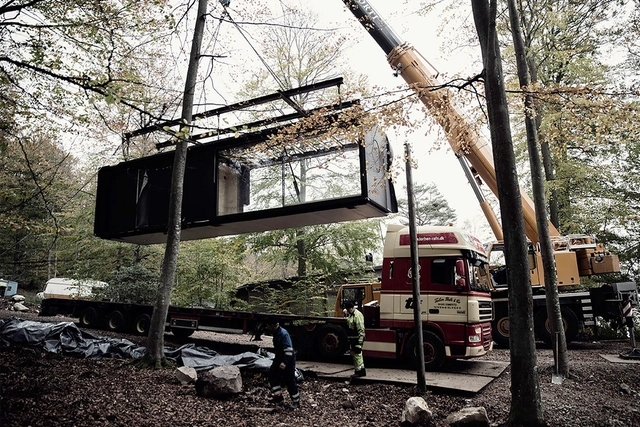

Off-Site Construction is Radically Changing the Rules of Architectural Design

The popularity of pre-designed and pre-fabricated homes is growing, moving much of the construction process from the building site into factories. While countries like Singapore, Australia and the United Kingdom are increasingly adopting modular buildings to meet labor and housing shortages, Nordic countries like Sweden already build 90% of residential single-family houses in prefab wood. Despite the recent surge in interest, off-site building is by no means a new concept. In fact, the construction method has been present throughout history in many attempts to consolidate its use in construction: as far back as A.D 43, the Roman army brought with them prefabricated forts to Britain, while Japan has been building in wood off-site and moving parts in pre-assemblies for at least a thousand years.

How Fire Protection Glass Can Save Lives without Compromising Design

 | Sponsored Content

While glass is generally singled out as the weakest part of a building, it is not always true. With technological advances and the continuous innovations of the industry, there is glass that, even while allowing natural light to enter an environment, can protect the building from fire. Beyond fire, there are also other threats such as hot gases, smoke, and heat transmission, which put the safe evacuation of people and the protection of property at risk.

How to Design the Perfect Acoustic Enclosure: Comfort in Flooring, Ceilings, and Walls

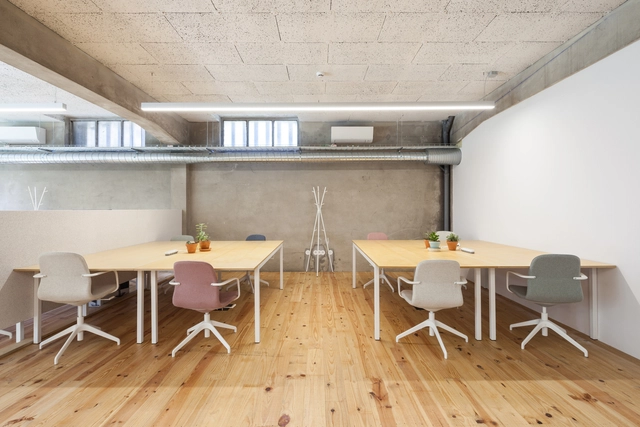
As our cities densify and building types become more and more mixed-use, we tend to spend a lot of time in noisy environments. When we think about acoustic comfort, we rarely think of places like restaurants, venues, and big offices; places with a lot of people, machinery, and background noise. The quality of sound can entirely change the experience of people in an interior space, and improving the space's acoustic quality relies on treating all surfaces, from walls to ceilings, and flooring. In this article, we will present a variety of solutions for ceilings, flooring, and walls, their different combinations, and a simple guide of how to apply them correctly in public spaces without compromising the aesthetic of the interior.

Multi Comfort: Meet the Winners of the 16th Edition of the Saint-Gobain International Student Contest

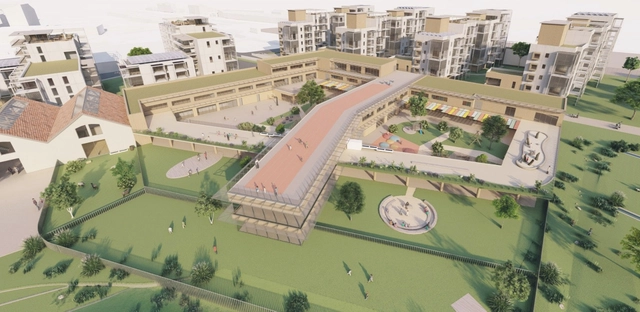
Saint-Gobain has announced the results for the 16th edition of its international Multi Comfort Student Contest. This year, the challenge was to convert the post-industrial area of the Coignet company in Saint-Denis (France) into a space for living, learning, and leisure in the heart of a large green space, respecting both the historical heritage and the needs of sustainable development of modern neighborhoods, in collaboration with the city of Saint-Denis.

Learn more about the top three winning projects below.

No More Waste: 10 Ways to Incorporate the Circular Economy into an Architectural Project

A circular economy is an economic system aimed at eliminating waste and the continual use of resources. Looking beyond the current take-make-waste extractive industrial model, a circular economy aims to redefine growth, focusing on positive society-wide benefits. It entails gradually decoupling economic activity from the consumption of finite resources and designing waste out of the system. Underpinned by a transition to renewable energy sources, the circular model builds economic, natural, and social capital.

It is based on three principles:

  • Design out waste and pollution.
  • Keep products and materials in use.
  • Regenerate natural systems.

Poorly Designed Acoustics in Schools Affect Learning Efficiency and Well-being

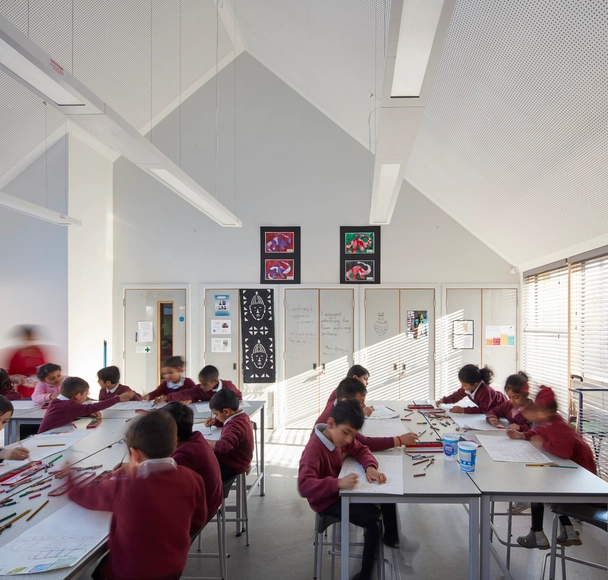
Few things irritate us more than exposure to excessive noise or inability to hear what we need to hear. Whether it's a nearby construction site, highway traffic, air conditioning, or a neighbor learning saxophone, research shows that noise can contribute to cardiovascular disease, high blood pressure, headaches, hormonal changes, sleep disturbance, reduced physical and mental performance, and the reduction of well-being. On the other hand, in an acoustically "comfortable" environment, in addition to listening to what we want, we focus better and feel calmer.

The concern about creating acoustically comfortable environments is often relegated to cinemas, concert halls and recording studios. But it is particularly important in learning environments, such as classrooms, as it directly influences the teaching-learning relationship. Acoustic discomfort can harm the process of knowledge acquisition, interfering with attention and worsening student-teacher communication.

Poorly Designed Acoustics in Schools Affect Learning Efficiency and Well-being - Image 1 of 4Poorly Designed Acoustics in Schools Affect Learning Efficiency and Well-being - Image 2 of 4Poorly Designed Acoustics in Schools Affect Learning Efficiency and Well-being - Image 3 of 4Poorly Designed Acoustics in Schools Affect Learning Efficiency and Well-being - Image 4 of 4Poorly Designed Acoustics in Schools Affect Learning Efficiency and Well-being - More Images+ 4

Basic Principles of Acoustics: Why Architects Shouldn’t Leave It All To Consultants

More than half the world’s population lives in dense urban areas. Uncomfortably loud restaurants, stores, hotels, or offices are enough to keep patrons away. When planning a meeting or even a night out with friends, we are conscious of selecting a location where we can focus and hear one another. The noisier our world gets, the more difficulty we have focusing on the sounds we actually want to hear.

Since the beginning of time, our ears have warned us of approaching danger. While their function remains the same, the dangers of today are different than they were in the past. Unwanted sounds can have serious health effects such as: hearing loss, cardiovascular disease high blood pressure, headaches, hormonal changes, psychosomatic illnesses, sleep disorders, reduction in physical and mental performance, stress reactions, aggression, constant feelings of displeasure and reduction in general well-being. With this laundry list of side effects, it would be foolish to leave the acoustic comfort of our spaces up to consultants alone. When we take acoustic comfort into our own hands, the end result can be quite extraordinary.

Comfort & Sustainability in Architecture: Trends 2021

Just before the global lockdowns began in response to the spread of the widely discussed COVID-19, we met with Saint Gobain experts at their new headquarters in Paris to discuss an extensive investigation conducted in 2019, with the aim of understanding the transformations that architecture and construction have experienced in recent years. After an interesting exchange of ideas, we chose the most relevant topics to be analyzed in depth by our team of editors, resulting in a series of articles that combined the trends identified with the unexpected events that occurred during 2020, connecting them directly to architectural design.

Now, entering an uncertain but promising 2021, we took the time to stop and reread these articles carefully. How many of these trends are still valid and how much have they evolved? What new trends are likely to develop in the coming years?

What Are the Megatrends Reshaping the Architecture Field and the Construction Industry?

Before the pandemic, the world was already facing a series of global transformations in the field of construction, where emerging countries were at the forefront of a powerful economic shift. As the world's population is expected to reach the 10-billion milestone before 2100, the construction sector should be able to understand and adapt to the megatrends that are reshaping the globe.

Urgent Issue: 10 Strategies to Decarbonize Architecture

The concept of “decarbonization” has been in vogue recently in political speeches and global environmental events, but it has not yet gained enough attention in the field of architecture to profoundly change the way we design and construct the world of tomorrow. Buildings are currently responsible for 33% of global energy consumption and 39% of greenhouse gas emissions, indicating that architects must play a significant role if we are to stop or reverse climate change. With carbon acting as a universally agreed upon metric with which the greenhouse gas emissions of a building can be tracked [1], one of the most important ways through which this goal can be achieved is therefore the decarbonization of buildings.

How to Transform a Polluted Indoor Environment into a Healthy Home

With most of the world living in cities and growing villages, people tend to spend the majority of their time indoors. When not at home, we are working, learning, or even engaging in fun activities in enclosed, built settings. All in all, 90% of our time is occupied inside. It is therefore essential to ensure a comfortable, productive, and healthy indoor environmental quality by following well-regulated parameters and design practices that consider temperature, lighting, noise pollution, proper ventilation, and the quality of the air we breathe. The latter is especially important, since contrary to what we might think, air pollution is much higher indoors than outdoor.

How Designing for Air Quality May Determine the Outcome of Your Meeting

Subscriber Access | 

Humans can survive for 30 days without eating, 3 days without drinking, yet only 3 minutes without breathing. Of course our need for air is also constant, we rely on it at all times indoors and outdoors although can often be less clean than we would hope. Unpleasant odors make us aware of bad air, but many irritants and unhealthy gases are not easily detectable by smell while still affecting our health. Smells are the most obvious signal, as they are consciously perceived by the brain and nervous system, allowing us to make judgements about our environment.

Learn more about where poor indoor air quality comes from, why it's important to address within the built environment, and how to design for good indoor air quality and comfort.

How Designing for Air Quality May Determine the Outcome of Your Meeting - Image 1 of 4How Designing for Air Quality May Determine the Outcome of Your Meeting - Image 2 of 4How Designing for Air Quality May Determine the Outcome of Your Meeting - Image 3 of 4How Designing for Air Quality May Determine the Outcome of Your Meeting - Image 4 of 4How Designing for Air Quality May Determine the Outcome of Your Meeting - More Images+ 12

How Can We Reduce Carbon Emissions in Architectural Projects?

Since the 1970s, humanity’s resource consumption began to exceed what the planet could renew in a year. That is, we are withdrawing and polluting nature more than it can naturally recover. According to the World Bank, if the world's population reaches even the projected number of 9.6 billion people by 2050, it will take almost three Earth planets to provide the natural resources needed to maintain humanity's current lifestyle.

Every day an enormous amount of carbon dioxide is released into the atmosphere through industry, transportation, burning fossil fuels and even respiration of plants and living things. As the consequences of climate change become clearer, both governments and private sector companies are setting targets for carbon emission reductions, since these are regarded as the main greenhouse gases, and their high concentration in the atmosphere lead to air pollution and acid rain, among other consequences.

Learn How to Avoid Energy Loss in Your Buildings

Thermal comfort becomes very evident when it is not attended to. When thermal conditions are adequate in one location, our body is in balance with the environment allowing us to perform activities normally. On the other hand, when a space is too hot or too cold, we soon see changes in our mood and body. Dissatisfaction with the thermal environment occurs when the heat balance is unstable, that is when there are differences between the heat produced by the body and the heat that the body loses to the environment.

Saint-Gobain Announces Winners of International Student Design Competition

Competing in this year’s 15th annual Multi Comfort Student Contest, Saint-Gobain had over 2,200 students from 199 universities worldwide. The final was narrowed down to 60 competing teams from 34 countries, all of whom traveled to Milan to present their designs to an international panel of experts from the Municipality of Milan. This year’s brief was to design a project to rehabilitate and reconnect the urban area around Crescenzago subway station in Milan in line with the city’s #milano2030 development plan. The competition also focuses on Saint-Gobain’s concept of Multi Comfort: thermal, visual, and acoustic comfort, as well as good indoor air quality.

Saint-Gobain Announces Winners of International Student Design Competition - Image 1 of 4Saint-Gobain Announces Winners of International Student Design Competition - Image 2 of 4Saint-Gobain Announces Winners of International Student Design Competition - Image 3 of 4Saint-Gobain Announces Winners of International Student Design Competition - Image 4 of 4Saint-Gobain Announces Winners of International Student Design Competition - More Images+ 16

ArchDaily's Sustainability Glossary : D-E-F

It is expected that within the next few of decades, Earth will have absolutely nothing left to offer whoever/whatever is capable of surviving on it. Although the human race is solely responsible for the damages done to the planet, a thin silver lining can still be seen if radical changes were to be done to the way we live on Earth and how we sustain it.

Since architects and designers carry a responsibility of building a substantial future, we have put together an A-Z list of every sustainability term that you might come across. Every week, a new set of letters will be published, helping you stay well-rounded on everything related to sustainable architecture and design. Here are the terms that start with letters D, E, and F.

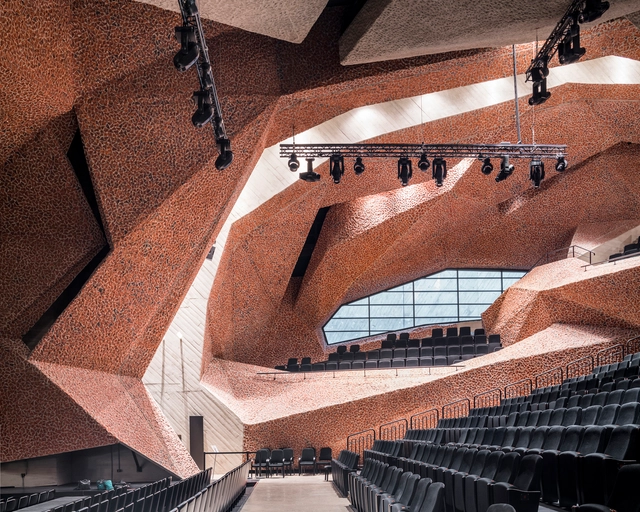
14 Outstanding Concert Halls: A Perfect Match Between Acoustics and Aesthetics

When we think about a perfect match between acoustics and good design it may not be as easy as it seems. A number of technical decisions in order to make an interior space acoustically efficient -and to achieve its programmatic purpose correctly- can make some of the architect's design intentions fade and be replaced by standard and prefabricated panels.

In this article, we present a selection of architecture projects that are able to create a memorable visual impact as well as an impeccable interior solution for acoustics. These are our favorite 14 music venues that fascinate inside and out.

14 Outstanding Concert Halls: A Perfect Match Between Acoustics and Aesthetics - Image 1 of 414 Outstanding Concert Halls: A Perfect Match Between Acoustics and Aesthetics - Image 2 of 414 Outstanding Concert Halls: A Perfect Match Between Acoustics and Aesthetics - Image 3 of 414 Outstanding Concert Halls: A Perfect Match Between Acoustics and Aesthetics - Image 4 of 414 Outstanding Concert Halls: A Perfect Match Between Acoustics and Aesthetics - More Images+ 27