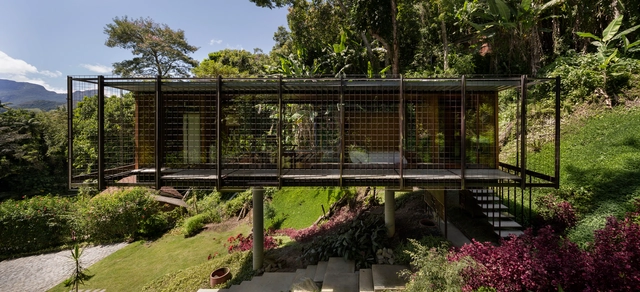
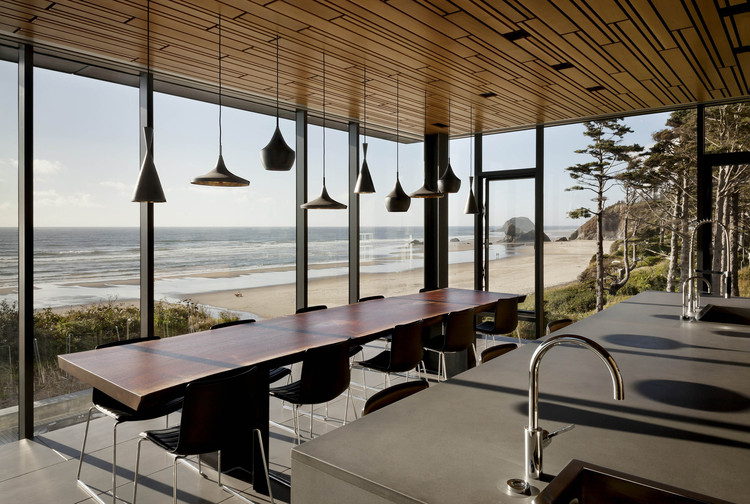
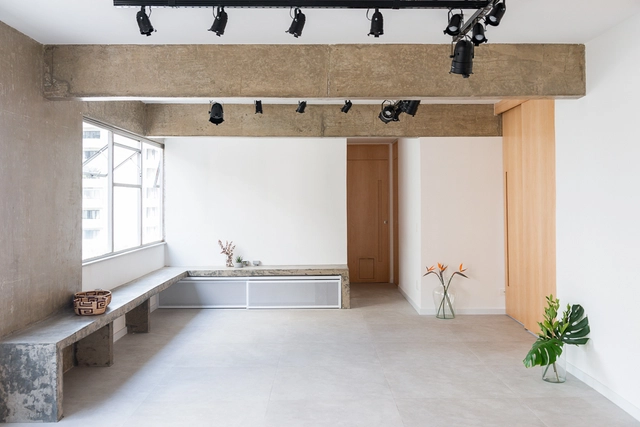
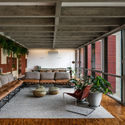
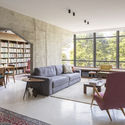
Many architects tend to prefer using materials and architectural elements in their natural or raw state. It is common to remove ceilings and finishings, especially in renovation projects, to expose a building's structure. This process of reclaiming the natural materials of construction - without incorporating elements to cover the framework, pipes, tubes, and cables - transforms these spaces into places that have nothing to hide.
Courtesy of ir Richard Rogers and Graham Stirk of Rogers Stirk Harbour + Partners
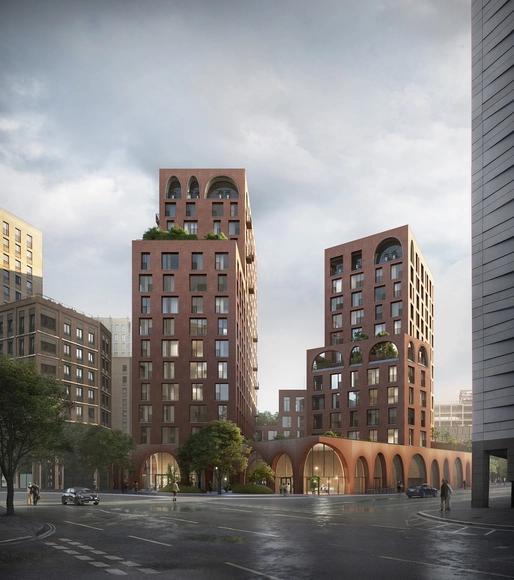
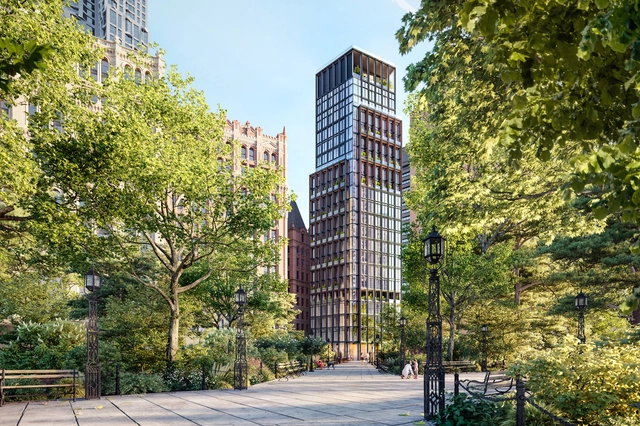
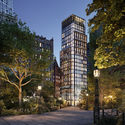
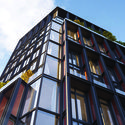
Rogers Stirk Harbour + Partners have unveiled images of their latest venture, No. 33 Park Row in New York City. Located across the street from City Hall Park in Downtown Manhattan, the project, nearing completion and set to officially launch in the spring of 2021, is the city’s first residential project designed by Sir Richard Rogers and Graham Stirk of Rogers Stirk Harbour + Partners.
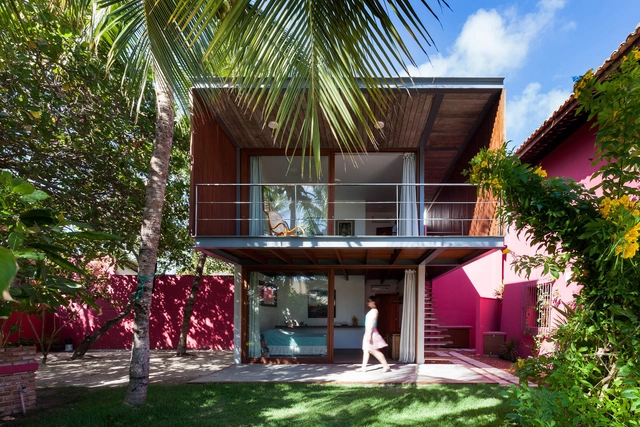
Every architect has certainly already had the experience of designing a house throughout his or her career (or at least in university). Yet, developing a residential project with limited space, either due to physical restrictions of the land or a small budget, can be an interesting challenge while attempting to optimize the space, satisfy the architectural brief and provide maximum comfort to the future residents. With this in mind, we have gathered 21 Brazilian houses under 100 square meters along with their floor plans. Check out below:
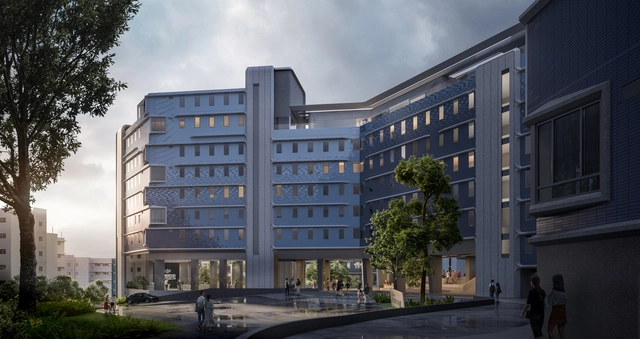
ZHA and L&O have unveiled a new design for the Student Residence Development at the Hong Kong University of Science and Technology, one of the leading research institutions in Asia and around the world. Created after an urgent demand for new residential facilities and halls within the campus, the project is scheduled for completion in 2023.
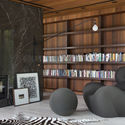
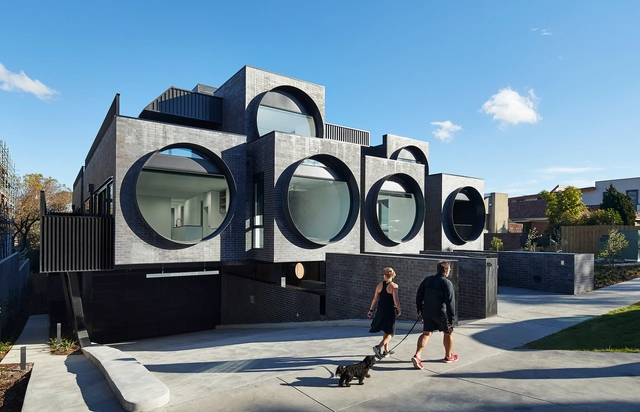
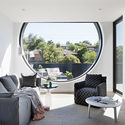
Housing is a ubiquitous typology ripe for experimentation. Exploring form, view, materials and hierarchies, residential projects center on daily life and retreat. Designed to bring people together and provide space for isolation, homes can be open and inviting, secluded and private, or both at the same time. For unbuilt housing projects, these concepts are designed to rethink traditional forms and spatial layouts in the context of local climates and landscape conditions.
This week’s curated selection of the Best Unbuilt Architecture focuses on homes and residential projects located around the world. Drawn from an array of firms and local contexts, they represent proposals submitted by our readers. They showcase both single family and multi-unit homes, from a series of villas for three friends overlooking the Caspian Sea, to a Cambodian countryside retreat and a pine cabin in the Jezzine village of south Lebanon.
2020 has fundamentally changed our spatial routines and the current health crisis brought about a significant amount of speculation regarding how our daily lives will unfold onward. With the year coming to an end, we look at how the pandemic accelerated some architecture trends that were already underway, and how it brought into question other well-established ideas.
Architectural projects may not always have empty plots - with their countless possibilities - to work with. Adapting pre-existing buildings to new demands is a challenge that requires a different approach.
Refurbishments, extensions, and renovations can be used to meet the constantly evolving needs of the inhabitants, either the original residents or the newcomers.
Going out twice per month, our curated selection of Best Unbuilt Architecture submitted by our readers highlights inventive conceptual approaches and designs. Showcasing projects from all over the world, this article puts together several programs, from houses to master plans. Moreover, it presents winning proposals from international competitions, buildings in progress, and creative concepts.
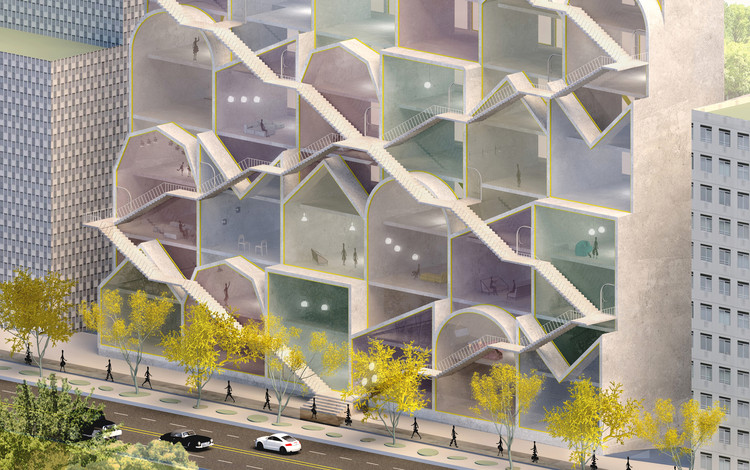
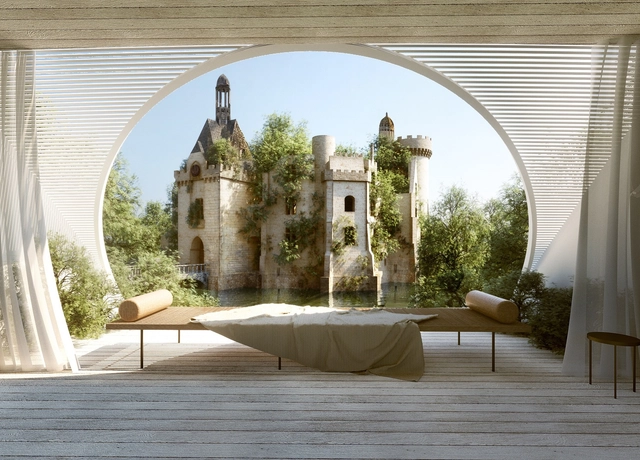
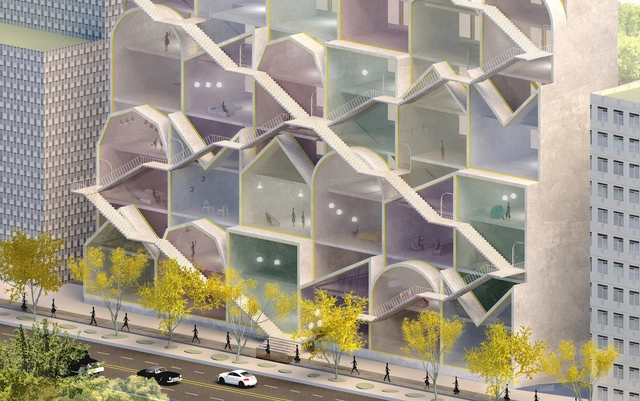
In the housing category, the roundup features an underground bunker-like house plan in Ukraine, a suspended glass structure cabin in Portugal, a complex of residential units in France, and a site-less, style-inclusive reinterpretation of the vertical housing block. In addition, a playful commercial building in Iran, a WWI memorial in Serbia, and an extension for the Glasgow School of Art join the selection, with their imaginative architecture and out of the box ideas.
Alison Brooks Architects has created a landmark structure in the emerging area of Kings Cross in London, part of its Central Masterplan. The proposed mixed-use urban block containing 158 dwellings will reinforce the neighborhood’s “unique sense of place and celebrate its emerging and historic contexts”.
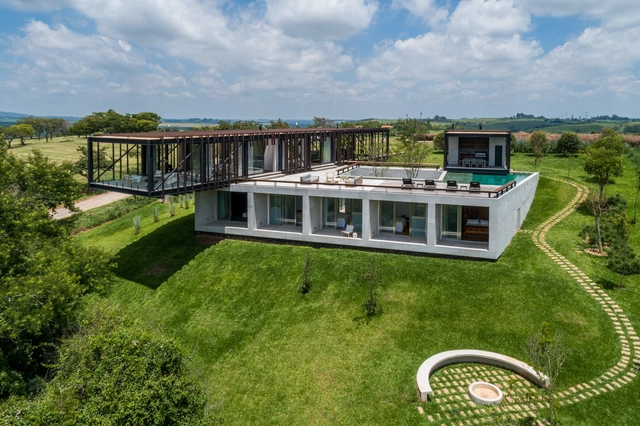
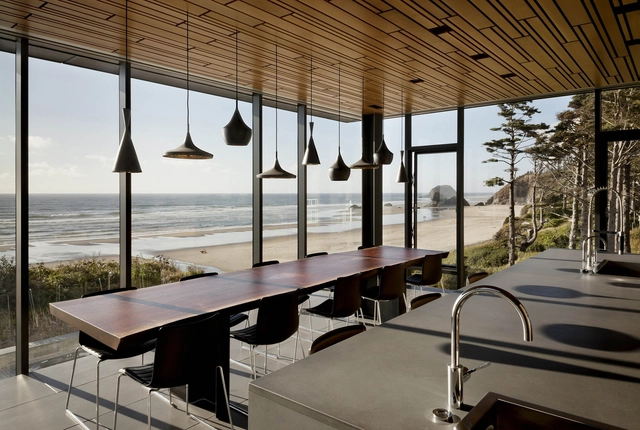
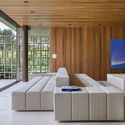
Oregon holds some the most varied geography and private developments in the United States. Home to diverse landscapes and architecture, the state is defined by the Cascade mountain range, windswept coastlines, dense forests, and a high desert environment to the east. These varied geographies have shaped the state’s construction techniques and residential design. At the heart of these building efforts are timber and glass homes found throughout the state.


























_Del_Rio_Bani.jpg?1608748851 "Superblock of Sant Antoni. Image © Del Rio Bani")









.jpg?1594806627 "Glasgow School of Art Extension . Image Courtesy of Barry Wark Architecture")
.jpg?1594808114 "Underground House Plan B . Image Courtesy of Sergey Makhno Architecs")