Residential Architecture: The Latest Architecture and News
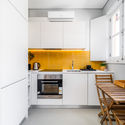
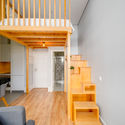
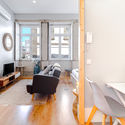
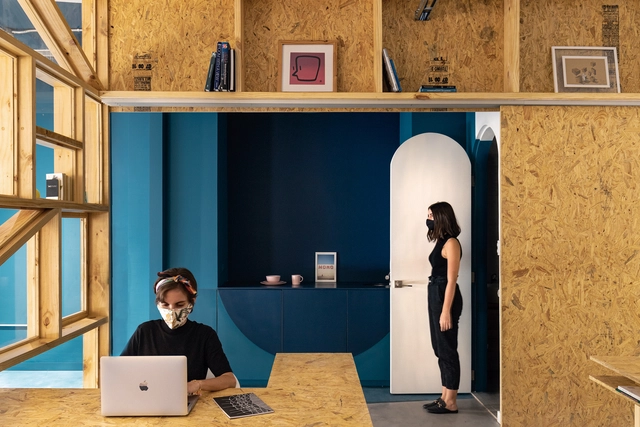
Apartamentos Braga Urban Studios / ARPO

https://www.archdaily.com/953710/apartamentos-braga-urban-studios-arpoValeria Silva
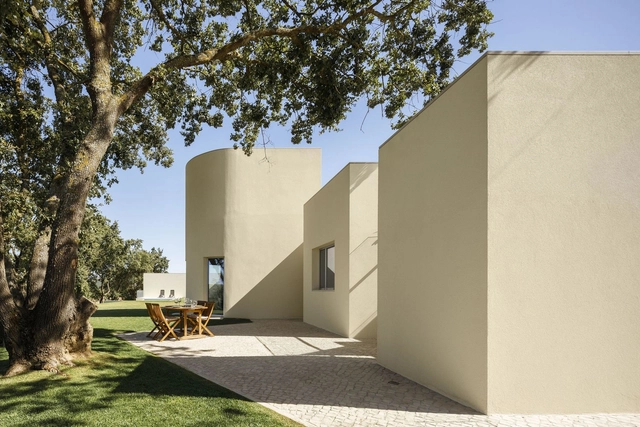
House in Santarém / dp Arquitectos


https://www.archdaily.com/954001/house-in-santarem-dp-arquitectosValeria Silva
Castle Cabins in France and a Seaside Vancouver Villa: 10 Unbuilt Homes Submitted by our Readers
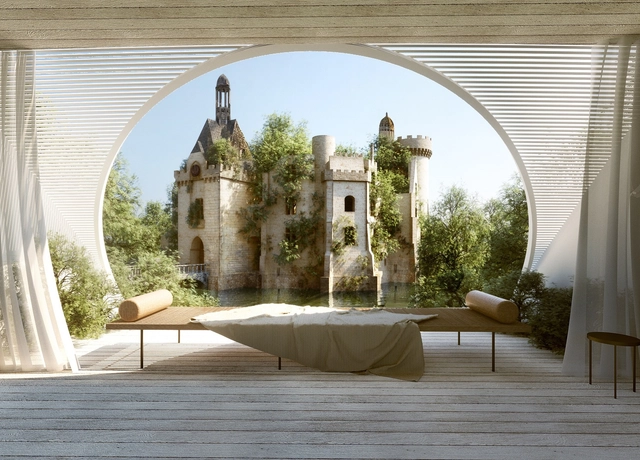
Housing is a ubiquitous typology ripe for experimentation. Exploring form, view, materials and hierarchies, residential projects center on daily life and retreat. Designed to bring people together and provide space for isolation, homes can be open and inviting, secluded and private, or both at the same time. For unbuilt housing projects, these concepts are designed to rethink traditional forms and spatial layouts in the context of local climates and landscape conditions.
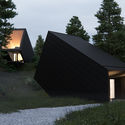
This week’s curated selection of the Best Unbuilt Architecture focuses on homes and residential projects located around the world. Drawn from an array of firms and local contexts, they represent proposals submitted by our readers. They showcase both single family and multi-unit homes, from a series of villas for three friends overlooking the Caspian Sea, to a Cambodian countryside retreat and a pine cabin in the Jezzine village of south Lebanon.



https://www.archdaily.com/954297/castle-cabins-in-france-and-a-seaside-vancouver-villa-10-unbuilt-homes-submitted-by-our-readersEric Baldwin
The Architecture Trends Accelerated or Reconsidered in 2020
2020 has fundamentally changed our spatial routines and the current health crisis brought about a significant amount of speculation regarding how our daily lives will unfold onward. With the year coming to an end, we look at how the pandemic accelerated some architecture trends that were already underway, and how it brought into question other well-established ideas.


_Del_Rio_Bani.jpg?1608748851 "Superblock of Sant Antoni. Image © Del Rio Bani")

https://www.archdaily.com/953989/the-architecture-trends-accelerated-or-reconsidered-in-2020Andreea Cutieru
Brazilian Houses: 11 Interventions in Pre-existing Buildings
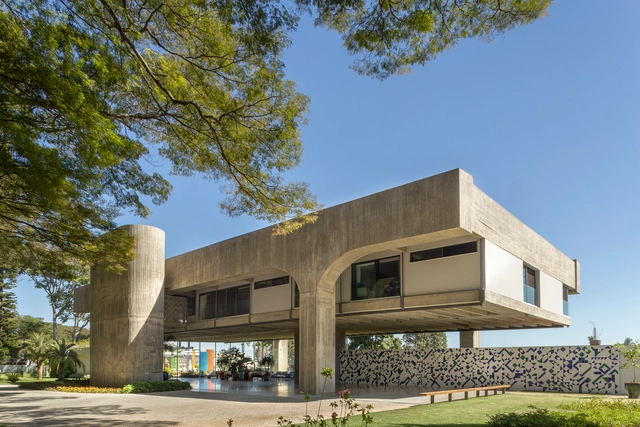
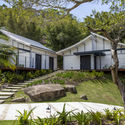
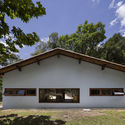
Architectural projects may not always have empty plots - with their countless possibilities - to work with. Adapting pre-existing buildings to new demands is a challenge that requires a different approach.
Refurbishments, extensions, and renovations can be used to meet the constantly evolving needs of the inhabitants, either the original residents or the newcomers.


https://www.archdaily.com/953910/brazilian-houses-11-interventions-in-pre-existing-buildingsSusanna Moreira
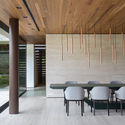
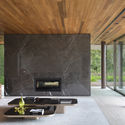
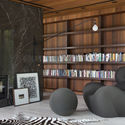
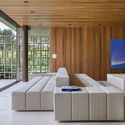
PA House / Studio Guilherme Torres


-
Architects: Studio Guilherme Torres
- Area: 1200 m²
- Year: 2016
https://www.archdaily.com/953707/pa-house-studio-guilherme-torresValeria Silva
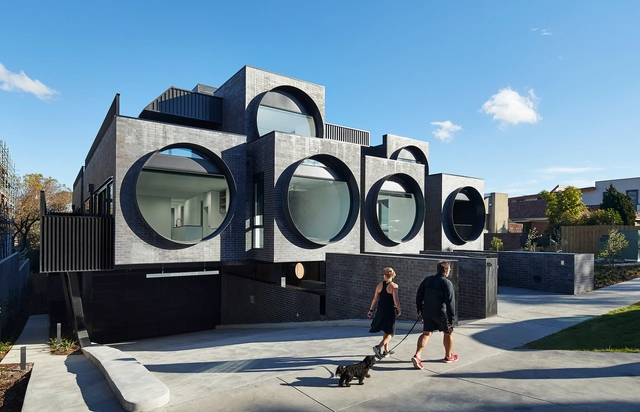
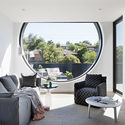
Cirqua Apartments / BKK Architects



-
Architects: BKK Architects
- Area: 5800 m²
- Year: 2017
-
Manufacturers: Australian Sustainable Hardwoods (ASH), Robertsons Bricks
https://www.archdaily.com/878625/cirqua-apartments-bkk-architectsLauren Crockett
An Underground House in Ukraine and an Extension for the Glasgow School of Art: 12 Unbuilt Projects Submitted by our Readers
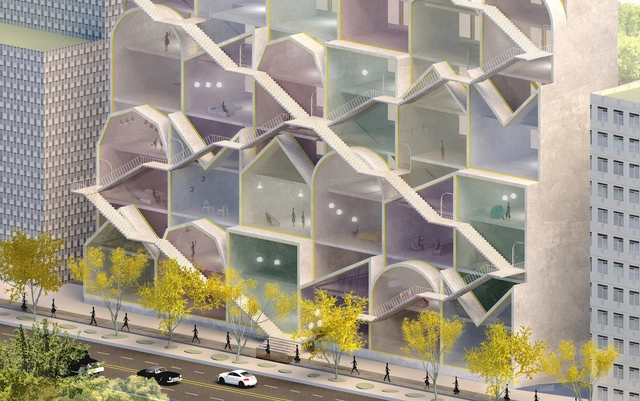
Going out twice per month, our curated selection of Best Unbuilt Architecture submitted by our readers highlights inventive conceptual approaches and designs. Showcasing projects from all over the world, this article puts together several programs, from houses to master plans. Moreover, it presents winning proposals from international competitions, buildings in progress, and creative concepts.
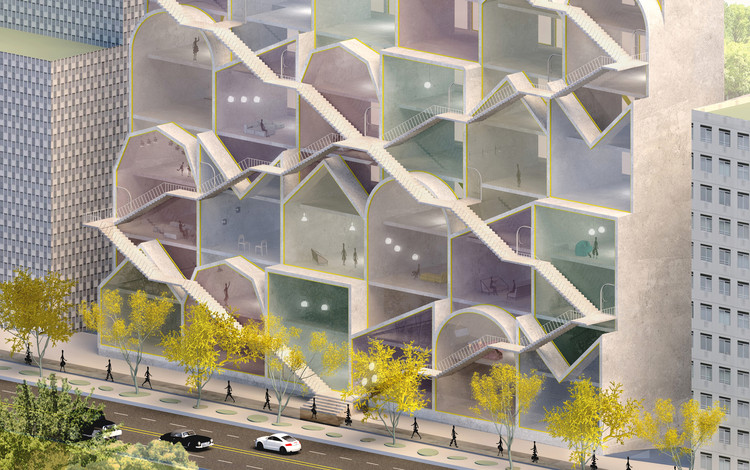
In the housing category, the roundup features an underground bunker-like house plan in Ukraine, a suspended glass structure cabin in Portugal, a complex of residential units in France, and a site-less, style-inclusive reinterpretation of the vertical housing block. In addition, a playful commercial building in Iran, a WWI memorial in Serbia, and an extension for the Glasgow School of Art join the selection, with their imaginative architecture and out of the box ideas.

.jpg?1594806627 "Glasgow School of Art Extension . Image Courtesy of Barry Wark Architecture")
.jpg?1594808114 "Underground House Plan B . Image Courtesy of Sergey Makhno Architecs")

https://www.archdaily.com/943829/an-underground-house-in-ukraine-and-an-extension-for-the-glasgow-school-of-art-12-unbuilt-projects-submitted-by-our-readersChristele Harrouk
Cigarra House / FGMF

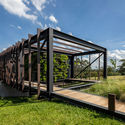
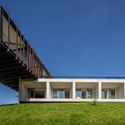

https://www.archdaily.com/953709/cigarra-house-fgmf-arquitetosPilar Caballero
Elevated House / Venta Arquitetos
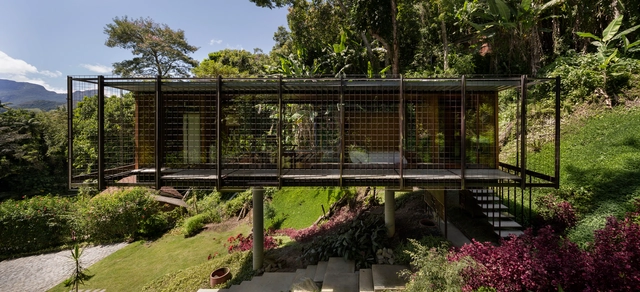


https://www.archdaily.com/953647/elevated-house-venta-arquitetosPilar Caballero
Open Frontier: Oregon’s Timber and Glass Homes
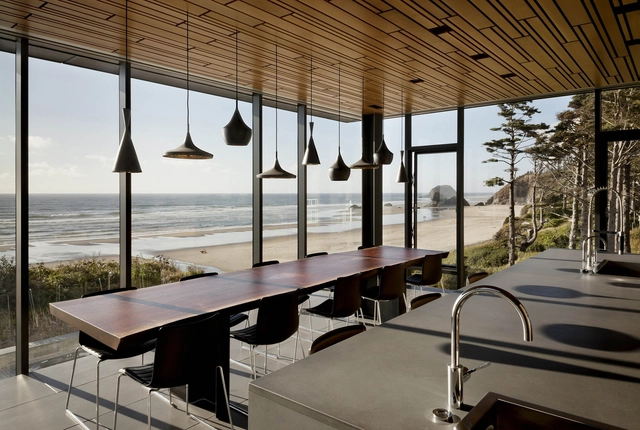
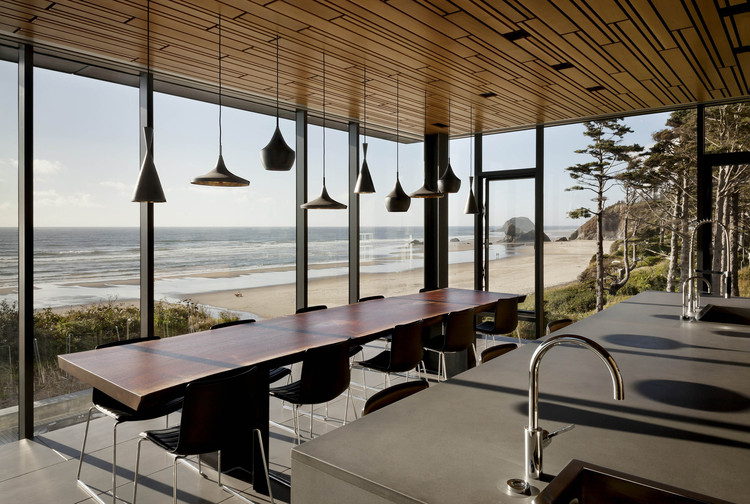
Oregon holds some the most varied geography and private developments in the United States. Home to diverse landscapes and architecture, the state is defined by the Cascade mountain range, windswept coastlines, dense forests, and a high desert environment to the east. These varied geographies have shaped the state’s construction techniques and residential design. At the heart of these building efforts are timber and glass homes found throughout the state.



https://www.archdaily.com/951539/open-frontier-oregons-timber-and-glass-homesEric Baldwin
Brazilian Houses: 14 Homes with Wooden Window Frames
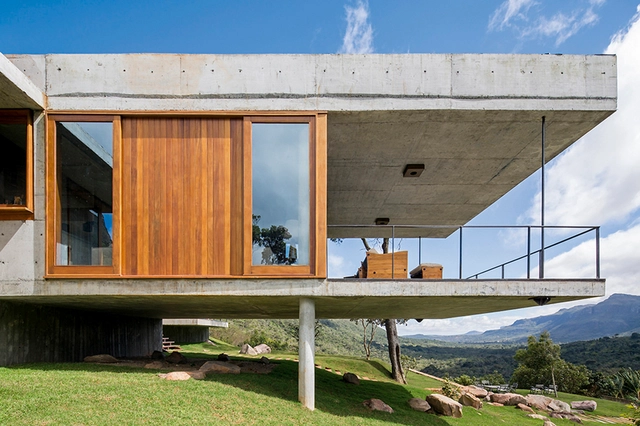
Wood is a material naturally associated with beauty, versatility, and comfort and is used in many different ways in architecture, from flooring to roofing. These qualities also stand out when used in window frames.


.jpg?1604935737 "House in the Blue Wild / Studio Carlito e Renata Pascucci. Image © Monica Antunes")
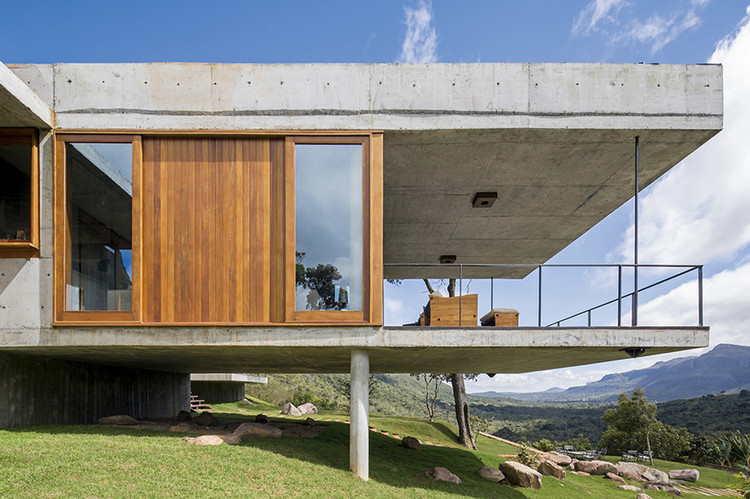
https://www.archdaily.com/952444/brazilian-houses-14-homes-with-wooden-window-framesSusanna Moreira
Children's Scale: A Brief History of Kid's Furniture
.jpg?1602872084&format=webp&width=640&height=580)

.jpg?1602872196 "Photo: 1931, Kaunas, Lithuania. Two children working on reading/writing words at Maria Varnienė's Children's House. The child on the left is Stasys Ragaišis, who later became a medical doctor.. Image via @montistory101")


.jpg?1602872084)
Children's furniture is all furniture –fixed or mobile– that is designed according to the ergonomic guidelines and anatomical dimensions of children specifically. Following this definition, we can identify two types of furniture: (1) those that facilitate a relationship between the caregiver and the child, and (2) those that allow the child to use them independently.
The big difference between these two types is that the first has dimensions that mainly adapt to the ergonomics of the adult, while the second is designed to meet the ergonomic needs of the child at each stage of their development. Since the growth of children occurs relatively quickly, it is common for the furniture of this second group to be multifunctional or even extendable.
https://www.archdaily.com/951235/childrens-scale-a-brief-history-of-kids-furnitureAudrey Migliani
A Rural School in Haiti and an Indian Community Center for Women: 12 Unbuilt Projects Submitted by our Readers
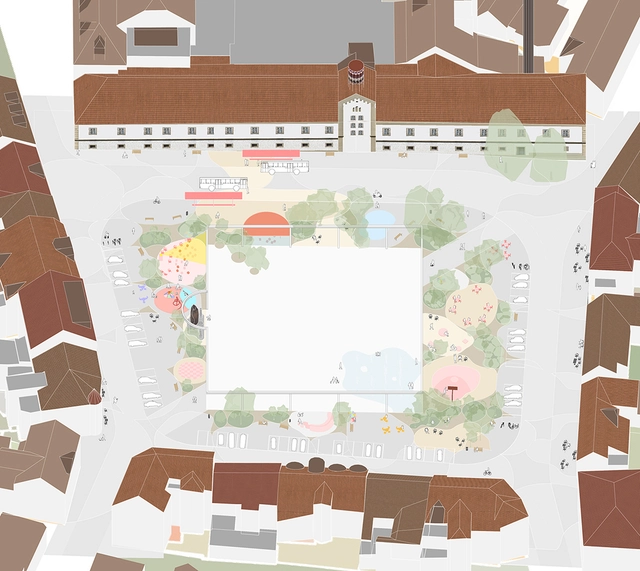
Recognizing the importance of international contests in pushing forward inventive concepts and design, ArchDaily has put together a curated selection of Best Unbuilt Architecture featuring competition entries from around the globe. Submitted by our readers, these projects include winning proposals, honorable mentions, and recognized admissions.
In this week’s article, urban interventions take the lead with multiple square designs and infrastructural elements. On the cultural level, projects underlined include Museums in Iran and Norway, a National Concert hall in Lithuania, and a Mosque in Turkey. For the civic category, the functions highlighted comprise a new city hall for a South Korean district and an Indian community development center for at-risk women. Finally, other programs involve a rural school in Haiti, a tourist center in China, and a housing complex in Prague.



https://www.archdaily.com/951653/a-rural-school-in-haiti-and-an-indian-community-center-for-women-at-risk-12-unbuilt-projects-submitted-by-our-readersChristele Harrouk
Designing the Hamptons: Long Island's Luxury Homes
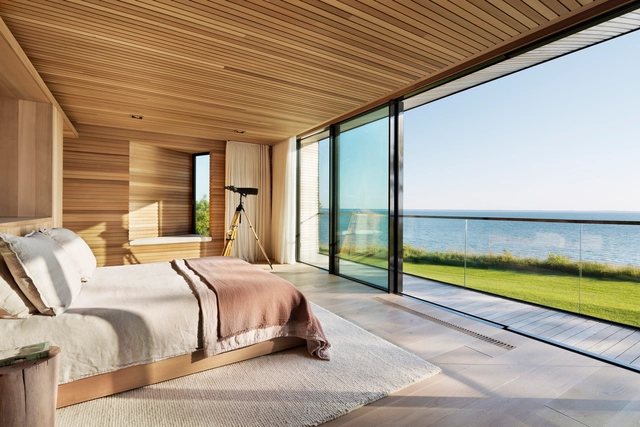
The Hamptons are defined by a storied past. As wealthy New Yorkers were drawn to this part of Long Island’s South Fork for the last century and a half, they increasingly built a series of exclusive and luxurious homes. Today, new residences along the coastline are some of the most expensive properties in the United States. As summer homes and vacation getaways, many of these residences are designed as private retreats surrounded by nature.


https://www.archdaily.com/951542/designing-the-hamptons-long-islands-luxury-homesEric Baldwin
Brazilian Landscapes: Discover the Cerrado with 10 Architecture Projects
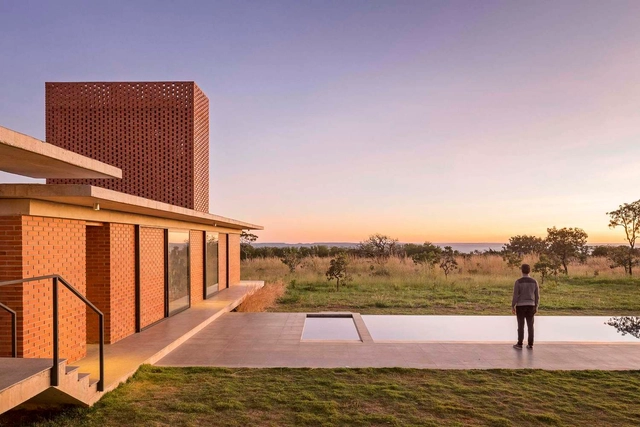
The Cerrado is a vast tropical savanna ecoregion of Brazil, a biome consisting of low trees, sparse shrubs, and grass, occupying an area of more than 2 million km² – about 23% of the national territory – covering most of the eastern, southern, and central portions of the country, particularly in the states of Mato Grosso, Mato Grosso do Sul, Goiás, Minas Gerais, Piauí, the Federal District, Tocantins and part of the states of Bahia, Ceará, Maranhão, São Paulo, Paraná, and Rondônia.
We invite you to discover the landscapes of the Cerrado through architecture. Check out the following 10 projects located in various areas of the second largest biome in South America.



https://www.archdaily.com/951317/brazilian-landscapes-discover-the-cerrado-with-10-architecture-projectsRomullo Baratto
The Versatility of Wooden Staircases in Portuguese Houses
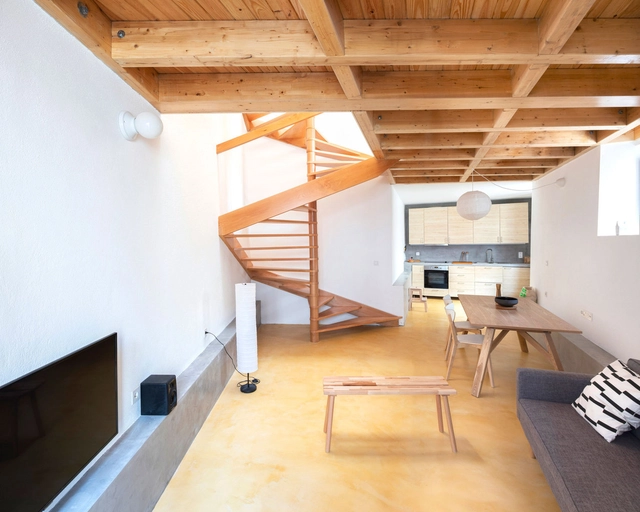
The presence of different ground levels requires solutions to connect them, either because of a need to adapt to the terrain or any other factor that leads to the verticalization of a building. Staircases serve the purpose of connecting the various floors and creating the building's dynamics through many different shapes, designs, and materials. When made of wood, they can also add a variety of colors and textures that contribute to the uniqueness of this element.
https://www.archdaily.com/950915/the-versatility-of-wooden-staircases-in-portuguese-housesSusanna Moreira
AIA California Announces 2020 Residential Design Awards
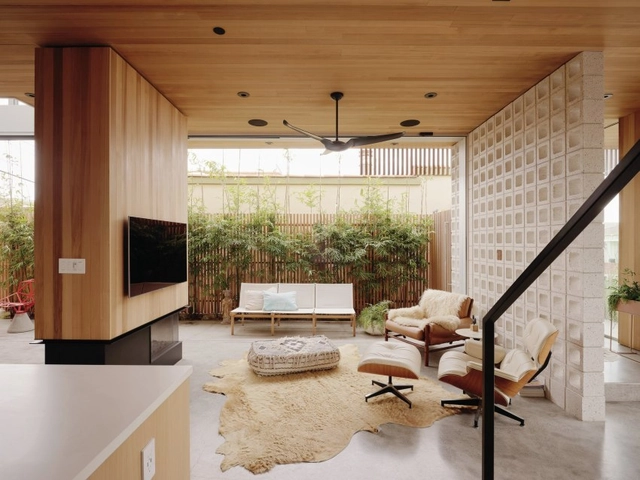
The American Institute of Architects California (AIA CA) has announced the recipients of the 2020 Residential Design Awards. With nearly 100 projects submitted, the jury recognized ten projects with honor, merit and leading edge awards. As AIA California states, the jury took many aspects into consideration, looking for "exceptional design" that represents all that California architecture has to offer.



https://www.archdaily.com/951041/aia-california-announces-2020-residential-design-awardsEric Baldwin