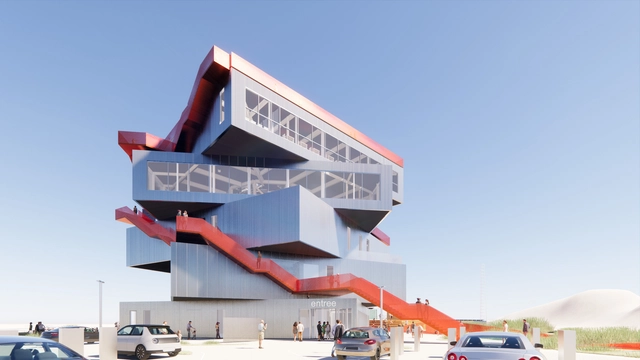
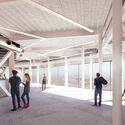
MVRDV has revealed the design of an exhibition and visitor centre for the Port of Rotterdam, which would tell the story of Europe’s largest port. Scheduled to open in 2024, The Harbour Experience Centre features a stack of five rotated exhibition spaces framing views of the surroundings, and outdoor staircases wrapped around the structure provide visitors with a route up the various terraces and to the rooftop. The project is the successor of FutureLand, a temporary information centre from 2009, whose success prompted the creation of a permanent exhibition.
MVRDV has revealed the design of "De Oosterlingen", a series of seven sustainable residential buildings on Amsterdam’s Oostenburg Island. The proposed buildings are distributed in a 'barcode' composition, forming an apparent unified design but with an animated skyline and unique characteristics such as varying roof shapes and façades of wood, glass, recycled brick, and bio-based composite.
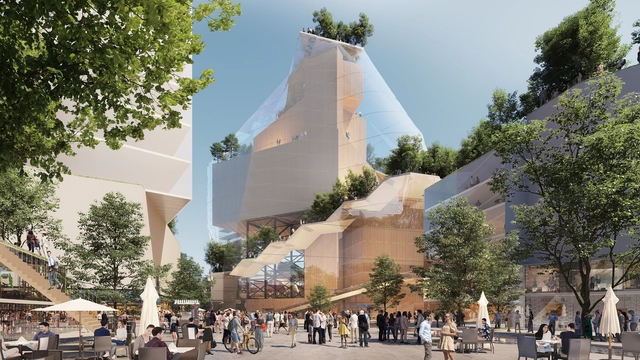
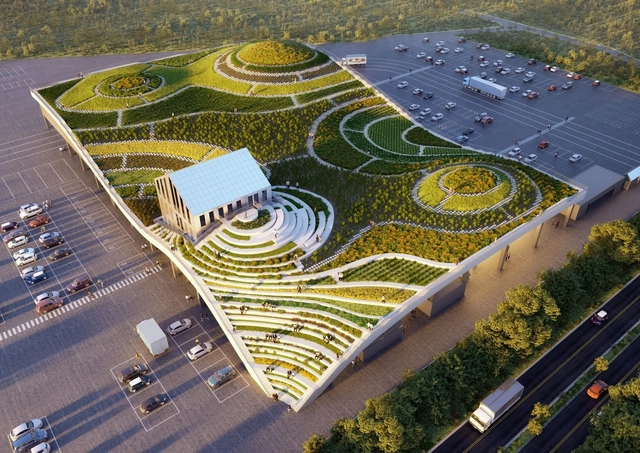
Reflecting on the future of shopping centres and addressing their decline in visitors, MVRDV's Heuvelkwartier design proposes converting Eindhoven's Heuvel shopping venue into a green cultural quarter. The project brings together retail, culture and recreation, expanding the existing buildings while transforming the roofs into a park. The proposal also expands the Muziekgebouw with a stacked cultural building encased in a "glass mountain", creating a new landmark for Heuvel.
Construction has begun on MVRDV’s new 23-story mixed-use tproject at Mission Rock in San Francisco. One of four buildings in a multi-phase masterplan, the tower was designed alongside work by Studio Gang, Henning Larsen, and WORKac. The Mission Rock masterplan aims to turn 28 acres into a new neighborhood for San Francisco residents and visitors. The projects are made to connect to China Basin Park.
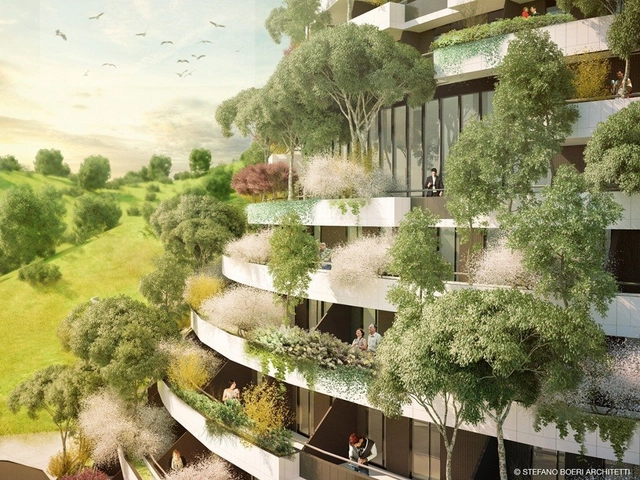
Guizhou Mountain Forest Hotel / Stefano Boeri Architetti. Image Courtesy of Stefano Boeri Architetti
When we were forced to be confined at home due to the self-quarantine policy of the COVID-19 global pandemic, everyone must have spent a tremendous amount of time looking out from their window. Sometimes when we are so exhausted with everyday work and life, we just wish to have a quick getaway to oceans and forests, somewhere close to the natural green.
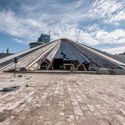
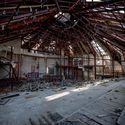
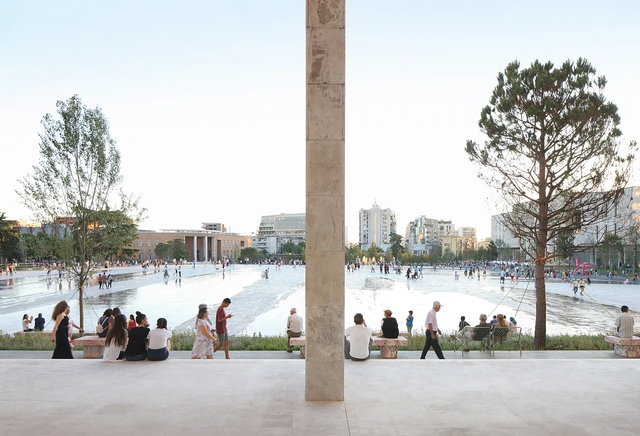
Construction has begun on MVRDV’s project for the Pyramid of Tirana in Albania, as of February 4th, 2021. Rehabilitating what was once a communist monument, the proposal transforms the brutalist structure into a new hub for Tirana's cultural life. Preserving the concrete shell, the intervention will open the atrium and the surroundings, while a small village of cafes, studios, workshops, and classrooms will permeate the site.
MVRDV has unveiled their design for Marble Arch Hill, an installation that aims to give Londoners a new perspective on Hyde Park. Sited next to the city's Marble Arch, the project takes the form of a hollowed-out mountain to give visitors rare views over the park. Based on scaffolding structure, the design aims to create renewed interest in the area as London works to emerge from the pandemic.
Sou Fujimoto. Image Courtesy of Sou Fujimoto Architects
After MAD’s Wormhole Library, the city of Haikou revealed a pavilion by Sou Fujimoto Architects. Scheduled for the end of spring, the ribbon-like white pavilion with an accessible roof will be one of the first public waterfront interventions to be completed in the spring of 2021. Shaping the future of Haikou city and Hainan Free Trade Port, the master plan of 16 permanent destinations re-imagines the future of coastal living.
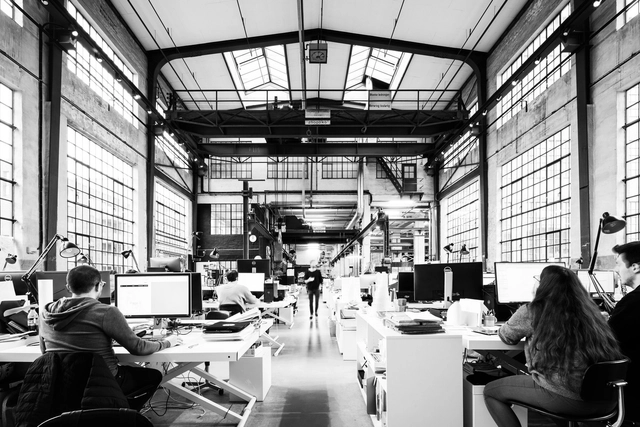
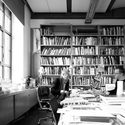
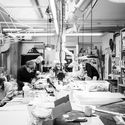
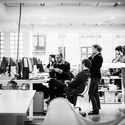
Seeking to give insights into the architectural creative centers of the world, Rainer Taepper created an architectural book that doesn’t feature buildings and plans. Looking behind the scenes, the architecture photographer highlighted both the working spaces of international design firms and the creative people, who contribute to the conception of a building.
As we are entering 2021 after a year of anxiety and uncertainties, what are your expectation for our future? The UN75 survey reports that most people around the world hold greater optimism for the future: “Globally, many more respondents believe people will be better off in 2045 than today (49%) compared to those who believe people will be worse off (32%).”
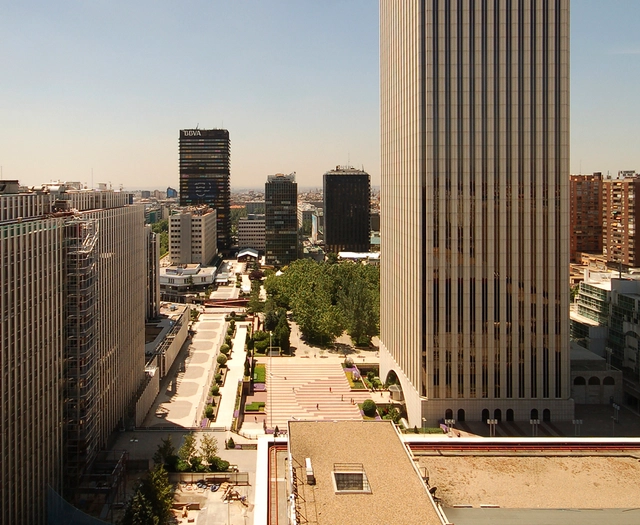
The RENAZCA international competition has released a shortlist for the design of the financial district of Azca in Madrid, Spain, according to El Pais. Directed by IE School of Architecture and Design Martha Thorne and Edgar González, the competition aims to transform the district into the most important economic and cultural node in the Spanish capital. The winning team will be chosen at the end of January 2021 and will have the task of transforming the sector into a "new, open, sustainable urban space connected to the city."
Design and the City a podcast by reSITE, on how to make cities more livable and lovable, raising questions and proposing solutions for the city of the future, kicks off its second season, with Winy Maas. In this first episode, the co-founder of MVRDV and The Why Factory discusses ideas that are seemingly larger than life, pushing the boundaries of our urban potential.
Construction has begun on MVRDV’s six-story sustainable office and laboratory complex. Located in the heart of Amsterdam Science Park, in the eastern part of the city, the project, designed for the Matrix Innovation Center, “will be virtually energy neutral and uses demountable construction techniques”.
The COVID-19 Pandemic is a disruptive moment for our world, and it’s poised to spur transformative shifts in design, from how we experience our homes and offices to the plans of our cities. The webcast series Design Disruption explores these shifts—and address issues like climate change, inequality, and the housing crisis— through chats with visionaries like architects, designers, planners and thinkers; putting forward creative solutions and reimagining the future of the built environment.
Henning Larsen’s proposal for Seoul Valley was selected as the winner of the Central Seoul Development Competition. Seeking to become a new home for the public in the center of the city, the mixed-use development “merges Seoul’s global commercial profile with an ecological return to downtown pedestrian life”. Other entries included schemes by MVRDV and SOM.
Remnants of the Socialist era, the large-scale architecture and urban spaces of the Eastern European Bloc still constitute a challenging legacy, at odds with contemporary urban environments and the values shaping cities today. This ideologically charged architecture is being reclaimed either through the reconciliation of the public opinion with this part of history, adaptive re-use, renovation, or through its re-contextualization as architectural heritage. By (re)introducing the human scale within these monumental architecture projects and public spaces, these entities are being restored to the urban and cultural life of cities.
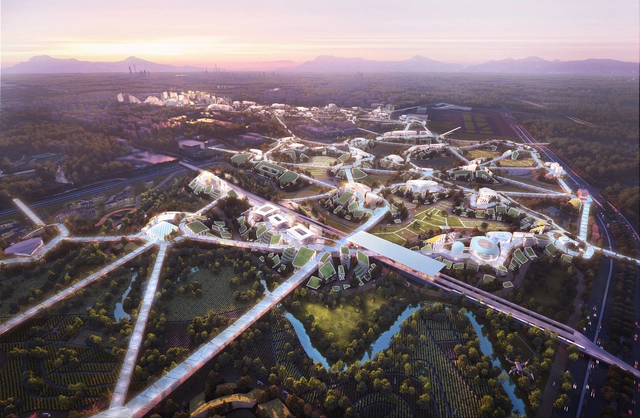
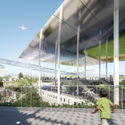
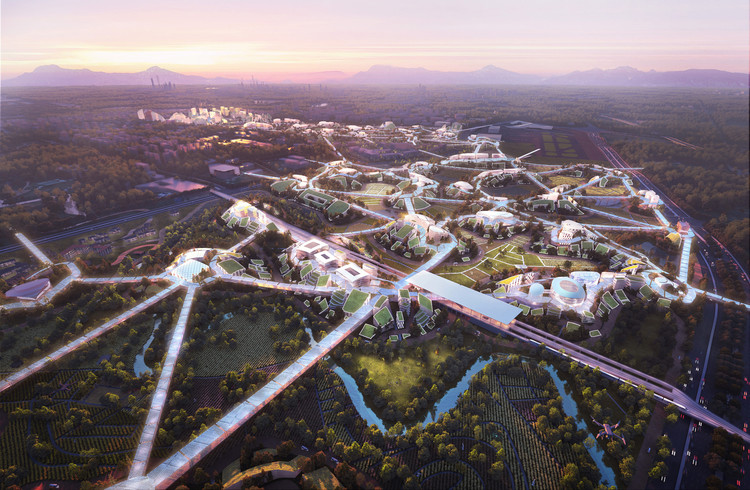
MVRDV has revealed the first images of Chengdu Sky Valley, the firm’s competition entry for the Future Science and Technology City in Southwest China. Fusing technology with nature, urban with rural, and modernity with tradition, the proposal introduces “a liveable city into the Linpan Landscape”. Located in one of China’s emerging cities, the project balances the competing needs of the area, through a computational workflow developed by in-house tech taskforce MVRDV NEXT.
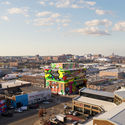
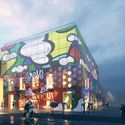
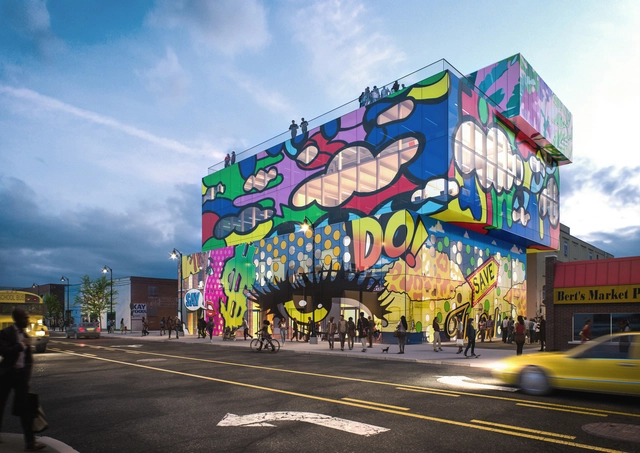
MVRDV was commissioned the design of Glass Mural, a new 3,716-square-meter office and retail building with a custom glass façade that integrates colorful murals by artists DENIAL and Sheefy McFly. Located in Detroit’s Eastern Market neighborhood, the project will be MVRDV’s third mixed-use project in the United States and first in the Midwest.



.jpg?1623754842&format=webp&width=640&height=580)
.jpg?1623754916 "© Proloog")
.jpg?1623754848 "© Proloog")
.jpg?1623754842)


.jpg?1614564416&format=webp&width=640&height=580)
.jpg?1613644686&format=webp&width=640&height=580)
.jpg?1613644756 "Courtesy of MVRDV")
.jpg?1613644713 "Courtesy of MVRDV")
.jpg?1613644686)
.jpg?1613508739)
.jpg?1613508870 "Courtesy of MVRDV")
.jpg?1613508962 "Courtesy of MVRDV")
.jpg?1613508700 "Courtesy of MVRDV")
.jpg?1613508595 "Courtesy of MVRDV")
.jpg?1613508739)
.jpg?1613464686&format=webp&width=640&height=580)
.jpg?1613464615 "Sou Fujimoto. Image Courtesy of Sou Fujimoto Architects")
.jpg?1613464611 "Sou Fujimoto. Image Courtesy of Sou Fujimoto Architects")
.jpg?1613465267 "MAD- Wormhole Library. Image © SAN")
.jpg?1613465249 "MAD- Wormhole Library. Image © SAN")
.jpg?1613464686)



.jpg?1606909402&format=webp&width=640&height=580)
.jpg?1606909307 "Courtesy of MVRDV")
.jpg?1606909282 "Courtesy of MVRDV")
.jpg?1606909168 "Courtesy of MVRDV")
.jpg?1606909250 "Courtesy of MVRDV")
.jpg?1606909402)

Proloog_SeoulValleyAerial-1200px.jpg?1606728853&format=webp&width=640&height=580)
Proloog_InsideOutside-1200px.jpg?1606728842 "© Proloog")
Proloog_websize-1200px.jpg?1606728874 "© Proloog")
HenningLarsen_OfficeRooftopTerrace-1200px.jpg?1606728811 "Courtesy of Henning Larsen")
Proloog_SeoulValleyAerial-1200px.jpg?1606728853)
_Gent_Onuzi.jpg?1603920105 "The Pyramid in Tirana. Image © Gent Onuzi")



.jpg?1601537708 "© MVRDV")
.jpg?1601537440 "© MVRDV")