The Second Studio (formerly The Midnight Charette) is an explicit podcast about design, architecture, and the everyday. Hosted by Architects David Lee and Marina Bourderonnet, it features different creative professionals in unscripted conversations that allow for thoughtful takes and personal discussions.
A variety of subjects are covered with honesty and humor: some episodes are interviews, while others are tips for fellow designers, reviews of buildings and other projects, or casual explorations of everyday life and design. The Second Studio is also available on iTunes, Spotify, and YouTube.
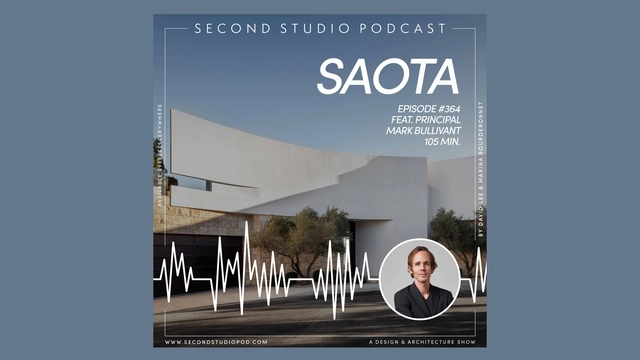
This week David and Marina of FAME Architecture & Design are joined by Architect Mark Bullivant, Principal of SAOTA to discuss his background; attending architecture school in South Africa; working on projects across continents; the differing roles of contractors in different areas of the work; their collaborative approach; leadership and management of a large office; the various types of projects they work on; and more!
Watch live the Holcim Awards 2023 Ceremony on November 18, broadcasted from Venice, Italy during the final weeks of the Biennale Architettura 2023 - 18th International Architecture Exhibition, to discover the winners and the ranking of the nominees. Consisting of five independent expert panels from around the globe, the jury has chosen projects that demonstrate contextual and practical approaches to sustainable construction, divided into regional categories: Asia-Pacific, Europe, Latin America, Middle East and Africa, and North America.
Founded in 2004 by the Holcim Foundation for Sustainable Construction," the Holcim Awards for Sustainable Construction are the world’s most significant competition for sustainable design - showcasing projects that contribute to the transformation of the building sector." The Awards recognize projects that integrate sustainable design and construction with architectural excellence. Serving as a catalyst for innovators, these awards have granted so far over 320 prizes.
Lithuania's architectural narrative is a mosaic of diverse influences and styles, representing its historical evolution, cultural heritage, and resilience through changing times. Despite a focus on traditional craftsmanship, functional minimalism, and sustainable materials, the country's design language has been profoundly influenced by its geopolitical position and historical events, resulting in a blend of styles from different periods. A key factor that cuts across all expressions, however, is Lithuanian architecture's seamless connection with its natural surroundings.
Although considered common practice today, the concept of hand hygiene was not initially deeply ingrained in society. It wasn't until 1847 when the Hungarian physician Ignaz Semmelweis, supported by scientific evidence, proposed that hand washing was a hygienic measure with a direct impact on people's health. From this point on, the rest is history. Hand hygiene has become a widespread practice, ranging from washing to drying, accompanied by various accessories that play specific roles in the process.
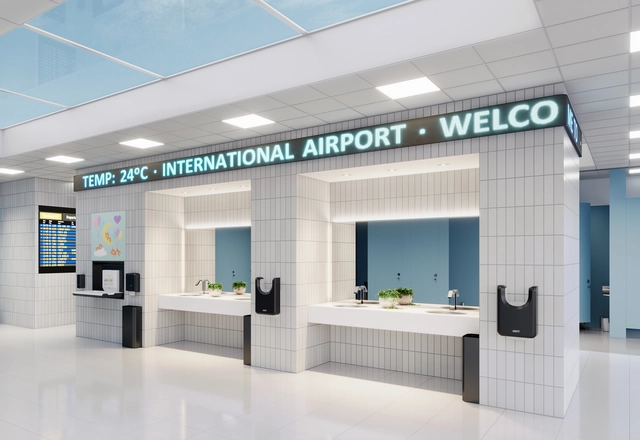
In contemporary environments, especially in the context of collective well-being, public restrooms have become a focal point. This shift in focus is, in part, a response to the post-pandemic emphasis on hygiene and the role of restroom accessories in these settings. Among the accessories available, hand dryers have garnered significant importance, even transcending their primary function. In light of this, Mediclinics has innovated by introducing a new hand dryer concept that places a strong emphasis on enhancing the user experience while offering innovative restroom equipment with a distinctive U-shaped design.
https://www.archdaily.com/1009500/hands-in-to-hands-through-a-new-generation-of-hygienic-and-aesthetic-hand-dryersEnrique Tovar
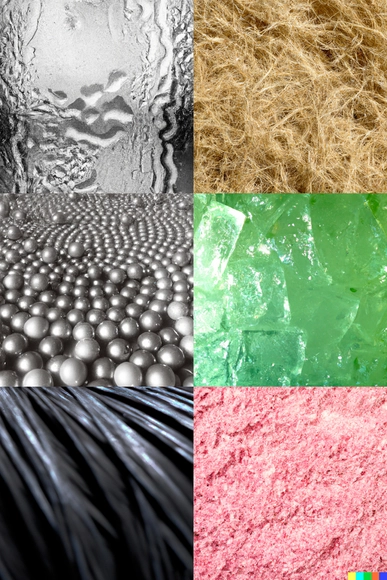
Image created using AI under the prompt: An emotive and detailed illustration of the texture of various types of architectural insulation. Image via DALL.E 2
Although more related to evolutionary aspects than to architecture itself, the inherent physical fragility of human beings has required, since prehistoric times, that we protect our bodies and our buildings from external elements. As an example, beginning with the primitive huts used in the earliest forms of domestic architecture, furs were employed as an exterior covering to restrict the flow of air and, consequently, regulate the interior environment.
Subsequently, we have observed an evolution that clearly shows advances in insulation techniques, going from vernacular materials such as adobe to an increase in the thickness of walls using stone or brick, finally reaching the cavity walls developed in the 19th century, which left a small air chamber between an exterior and an interior face of the wall. Its later popularization led to the introduction of insulation between both faces, a system that is widely recognized and used today and has laid the foundations for further developments in this field.
https://www.archdaily.com/1008656/a-glimpse-into-the-evolution-of-insulation-materials-in-architectureEnrique Tovar
Amid our ongoing battle against climate change, the need for authentic decarbonization strategies has never been more urgent. Professions, companies, and organizations worldwide face mounting pressure to integrate sustainable practices into their operations, particularly in response to recent climate challenges. The realm of architecture and urban planning is no exception. Phrases such as "sustainable architecture" and "green architecture" have gained widespread popularity, accompanied by various certifications, products, and advertising, all promising transformative advancements in the field that should align with our global aspirations for a sustainable future.
However, amidst this growing environmental awareness, another phenomenon has emerged: greenwashing. It refers to practices adopted by various sectors, especially those related to marketing strategies that present initiatives that convey a false impression or provide misleading information about how a company's products or projects are more environmentally friendly than they are when analyzed from a more critical and careful perspective.
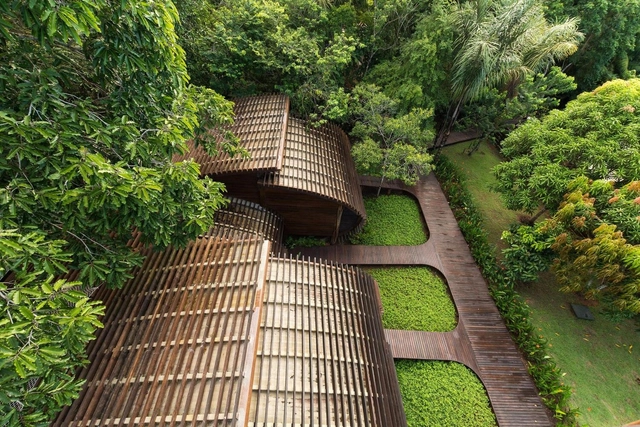
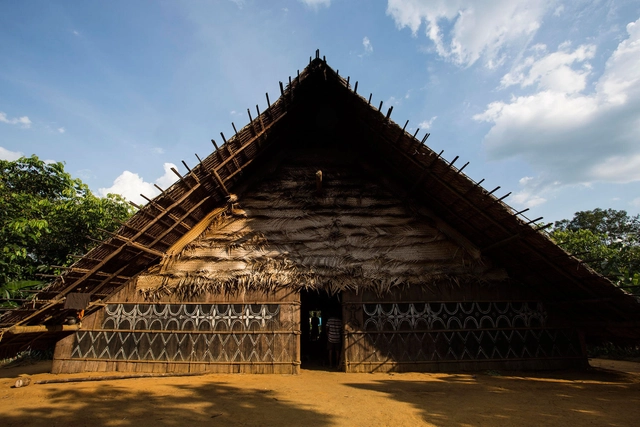
Mirante do Gavião Amazon Lodge / Atelier O'Reilly. Photo: Jean Dallazem
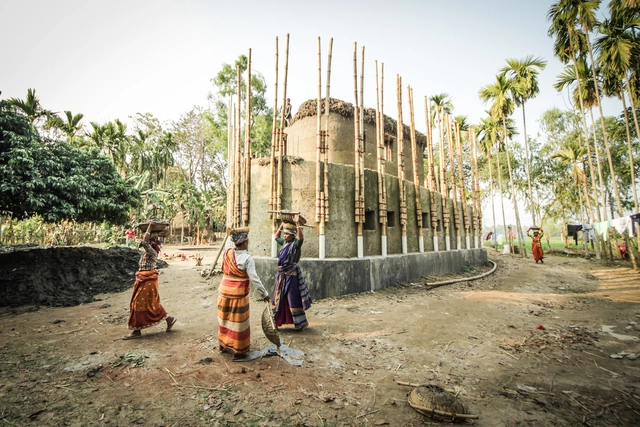
The architecture of indigenous peoples is deeply rooted in their surroundings, in the sense that materials are locally sourced and empirically tested, to discover the construction techniques and dwellings that best respond to the values of the community and their understanding of housing. The situation in the Amazon is no different. Many different groups of people have settled on the land and water, developing many unique building skills that attract a lot of architects working in these regions. As a result, there is an exchange of knowledge, combining native cultures and novel architecture.
Recent statistics suggest that if someone lives until they are 80, around 72 of those years will be spent inside buildings. This makes sense if we bear in mind that, when not at home, humans are working, learning or engaging in fun activities mostly in enclosed, built settings. Contemplating current events, however, this number is expected to grow. In an increasingly chaotic and uncertain world, marked by the ongoing effects of climate change and the global pandemic, the desire to stay indoors in a protected, controlled and peaceful environment is stronger than ever. Architects face an important challenge: to create comfortable, productive and healthy interiors with well-regulated parameters, considering factors like indoor air quality, daylighting and biophilic features from the initial stages of design. Of course, this involves choosing materials sensitively and accordingly, whether it be by avoiding certain health-harming components or by integrating non-toxic products that soothe and promote wellness.
Image created using AI under the prompt: An expressive illustration of an urban environment with a lush landscape that exemplifies the decarbonization of architecture. Image via Via DALL.E 2
Architecture encompasses multiple processes, starting with identifying needs and transforming them into habitable structures through thoughtful design. Historically, construction-related processes like resource extraction and end-of-life disposal were often overlooked. However, it is essential to recognize that buildings have a lifecycle with significant impacts on carbon emissions. Emphasizing sustainable practices is vital to minimize our ecological footprint and positively impact the planet.
https://www.archdaily.com/1004300/how-to-reduce-the-carbon-footprint-through-architecture-three-approaches-across-the-building-lifecycleEnrique Tovar
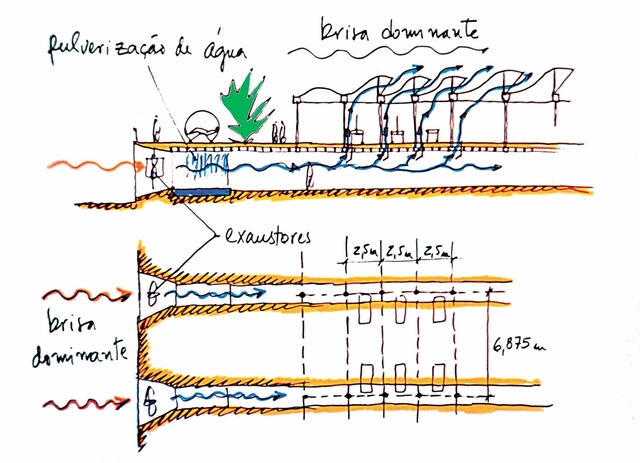
Design of the ventilation system at the Sarah hospital / João Filgueiras Lima (Lelé). Image via Concrete
Architecture is a transdisciplinary field. It incorporates principles and knowledge from several other disciplines to ensure a built structure functions as intended. This fundamentally involves considering the context in which a building is placed, including its immediate surroundings, such as neighboring structures, local biodiversity, and climate. Essentially, architecture only exists within a particular context. When we expand this context to a broader scale, it becomes what we commonly refer to as the "environment."
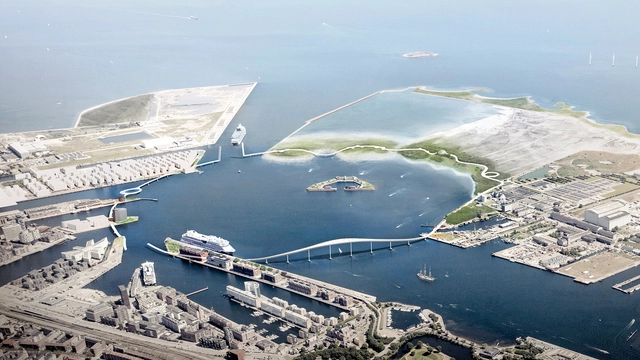
The Copenhagen Harbour Ring – “Kronløbsringen” / Third Nature. Image Courtesy of JJO By Tredje Natur
Through urban renewal projects, architects, urban planners, and designers can infuse new life into dilapidated urban landscapes by upgrading the infrastructure, introducing new functions into the urban fabric, and reimagining the character of open public spaces. These types of projects present interest due to their dual character: on the one side they offer an opportunity for reimagining the potential of the city, but the areas they affect are already well-ingrained within the urban fabric, raising challenges of integration and contextual adaptation.
This week's curated selection of Best Unbuilt Architecture highlights projects submitted by the ArchDaily community that enhance functionality, aesthetics, and sustainability of urban areas while respecting and embracing the existing fabric of the city. From a residential neighborhood that prioritizes self-sufficiency and circularity in the Netherlands, to a highway ramp transformed into productive spaces in California, United States, or a new elevated path designed to alleviate urban congestion in the harbor of Copenhagen, his selection features projects that highlight the ever-changing character of our cities. Featuring projects from both emerging and established architectural offices such as Benthem Crouwel Architects, Space&Matter, and Vincent Callebaut Architectures, the projects demonstrate the variety of approaches needed to adapt urban environments to the needs of their residents.
In 2019, as the world was on the brink of facing one of the most significant pandemics in recent history, Ailton Krenak, a Brazilian indigenous leader, environmentalist, and philosopher, published a book titled Ideas to Postpone the End of the World. This brief booklet, comprising slightly more than 80 pages, came into circulation at a critical juncture, providing both reassurance and a cautionary message to humanity during a time when it observed the rapid evolution of history.
Imagination and policy development go hand in hand. Before we can create policies that bring about a desirable future, we must first envision what that future looks like, which is particularly significant in Architecture because we see the future as an integral part of the design process. This familiarity with envisioning the future carries a responsibility for us to create guidelines and regulations that can either support or obstruct the direction our planet takes.
In this moment of climate change, resulting from centuries of irresponsible practices, the idea of the future has been invaded by fear, an alert that would determine the survival of our existence. Architecture, along with other disciplines, has begun to channel efforts toward reexamining, reconceptualizing, and reformulating its practices toward the future we need to achieve. Beyond statistics and projections, the approach of architecture in relation to climate action brings to light numerous concepts, among them, the need for a historical review for the creation of this future.
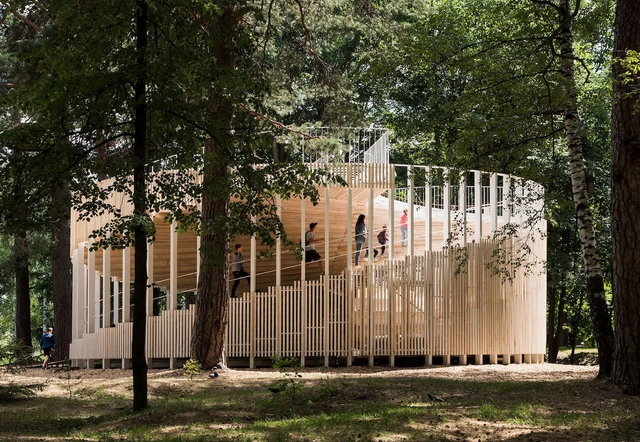
Throughout the modern era, pavilion architecture has consistently reflected cutting-edge architectural trends. These temporary or semi-permanent structures, often featured in exhibitions, fairs, cultural events, and sports gatherings, provide a platform for exploring new materials and design concepts. Pavilion designs are intended for easy assembly and disassembly and are typically used for short durations, making it crucial to consider reducing environmental impact without sacrificing aesthetics and innovation. In this endeavor, wood emerges as a key ally.
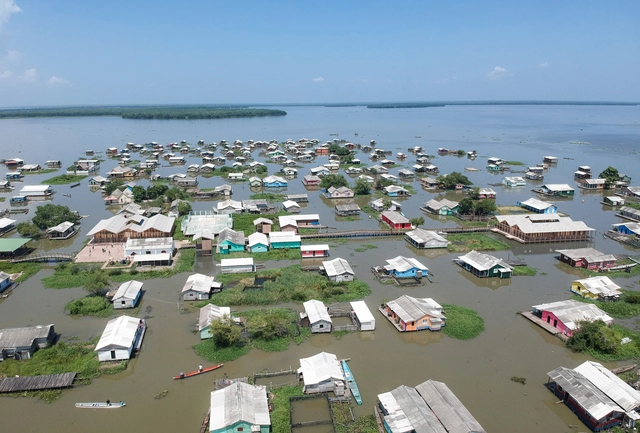
San José De Nueva Venecia School School refurbishment enabling flexible community use in Sitio Nuevo, Colombia, by FP Arquitectura. Image Courtesy of Holcim Foundation for Sustainable Construction
The Holcim Foundation for Sustainable Construction has unveiled the list of 20 finalists for the Holcim Awards 2023 competition. The jury, composed of five independent expert panels worldwide, has selected the projects to showcase contextual and practicable approaches to sustainable construction, exemplifying a diverse range of scales, budgets, geographies, and forms. The ranking of the nominees will be announced at the Holcim Awards 2023 Ceremony scheduled for November 18 in Venice, Italy during the final weeks of the Biennale Architettura 2023 - 18th International Architecture Exhibition.
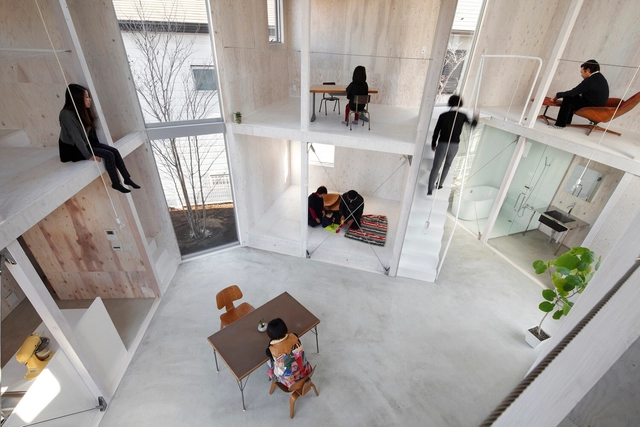
House in Kashiwa / Yamazaki Kentaro Design Workshop. Image Courtesy of Naoomi Kurozumi Architectural Photographic Office
Similar to a chameleon that changes color to blend in with its environment, architecture must constantly evolve and adapt to changing demands. A few decades ago, homes used to be associated solely with private life and rest, while workspaces were exclusively designed for just that: work. It was common for each use to be separated into its own room, making enclosed, rigid spaces the standard norm for architects to follow. That is, of course, until new living and working patterns blurred these boundaries to respond to contemporary trends.
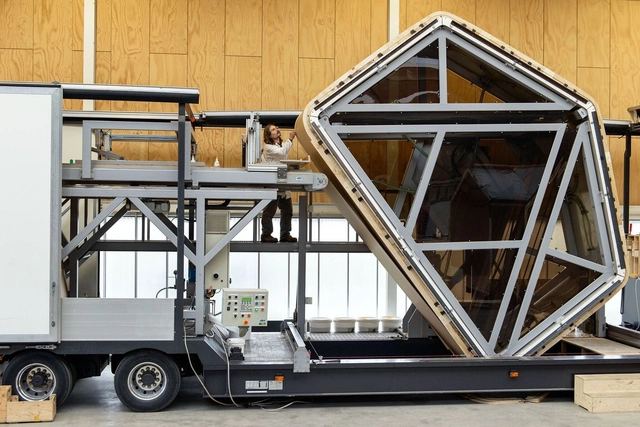
Modular Eco-Housing . Image Cortesia de Yvonne Witte
When we talk about technology, we often think of robots, supercomputers, data centers or smartphones. But technology also refers to the invention of the first chipped stone tools or the development of the steam engine, which brought about the first Industrial Revolution. The term comes from the combination of the Greek words techne (art, craft) and logos (word, speech) and is nothing more than the application of knowledge to achieve goals in a specific and reproducible way, for practical purposes. In the construction industry, which moves large amounts of resources and people, more technology means incorporating new methods, tools, automation and software that can improve efficiency. As a historically innovation-resistant industry, the construction sector has a huge impact on the environment due to its carbon emissions and exploitation of raw materials. However, as it turns to the digital world, builders have seen technology as a means to optimize practices and identify, build, and manage their projects.
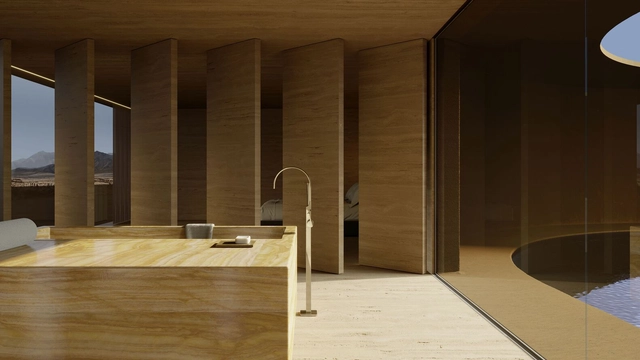
Inspiring applications of the MEM collection in architectural settings inspired by AI. Image Courtesy of Dornbracht
In addition to contributing to the functionality of the space, bathroom fittings underlie the overall aesthetics of a chosen design style. Within their technical features –as well as the possible materials, finishes, and styles–, fittings play a role in both the visual appeal of a space, while also focusing on comfort and user experience. This is part of Dornbracht's continuous re-imagination of bathrooms as living spaces, in which the brand seeks to create innovative solutions based on proportion, precision, progressiveness, performance, and personality.
Among Dornbracht’s series, the MEM collection includes a complete selection of minimalist bathroom fittings for washstands, showers, and tubs. In collaboration with ethical design brand Nature Squared and Italian craft manufacturer Glass Design, the collection’s original design has been enriched with versatile new features for customizing bathrooms. These features are created through the combination of high-quality materials with sustainable craftsmanship and the incorporation of futuristic artistic crystal glass.