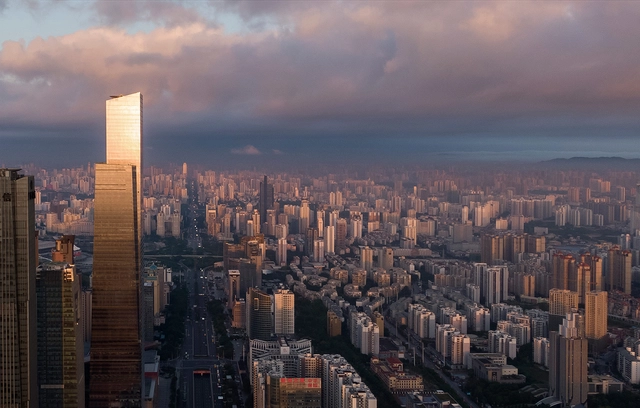
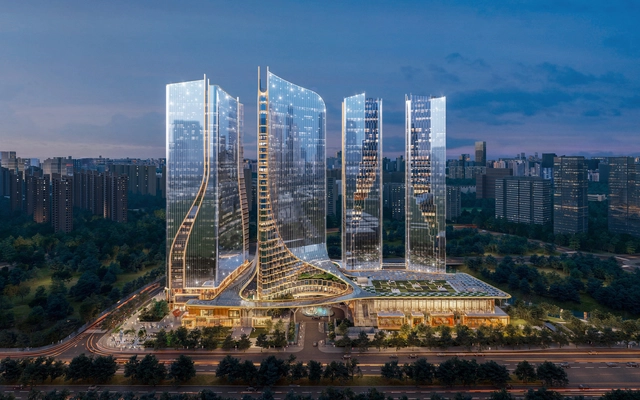
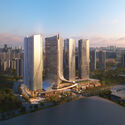
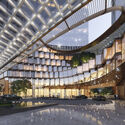
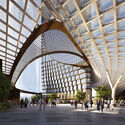
On a site that also hosts the Olympic Sports Centre, the 2023 Asian Games complex, UNStudio has unveiled the design of the new Hiwell Amber Centre, a complex of four high-rise towers planned to add a mix of offices, apartments, hotels, art spaces and retail to the city center of Hangzhou, China. Responding to the area’s rapid economic and cultural growth, the new development aims to provide a wide range of services to residents and visitors alike. To open up towards the city, the smooth glass curtain wall of the towers peels apart to reveal a tapestry-like facade that envelops the main plazas and civic spaces, creating an ‘urban living room.’
Tourist facilities are a significant architectural program as they not only provide essential amenities for travelers but also encapsulate the cultural essence of a destination. Resorts and hotels experiment with ideas of comfort and leisure, restaurants bring visitors into the local culinary culture, while wineries merge craftsmanship, tradition, and modernity. Visitor centers are another facility often provided for travelers, serving as gateways to exploring the city. Besides their flexible program, these architectural interventions most often strive to relate and harmonize with the local context to enrich the narrative of the space and create a memorable experience for every visitor.
This week's curated selection of Best Unbuilt Architecture highlights projects submitted by the ArchDaily community that showcase various amenities dedicated to tourists, from wine cellars, specialty restaurants, and visitor centers to isolated camping sites in the mountains or lavish spa hotels in the arid areas of the Middle East. Featuring projects from emerging and established architectural offices such as Melike Altınışık Architects, Lockhart Krause Architects, MUA, and OMBI Innovation Lab the selection includes a wide range of programs and scales, showcasing designs that rethink conventional tourist facilities while establishing a connection with their surroundings and cultural context.
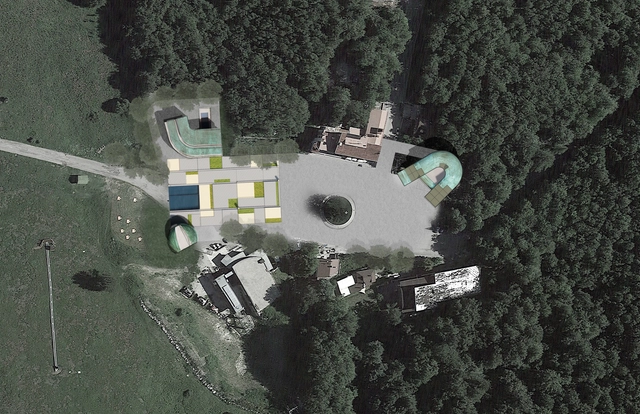
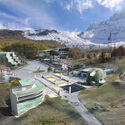
rati di Tivo Piazza at Gran Sasso . Image Courtesy of Steven Holl Architects
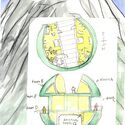
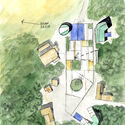
Steven Holl Architects has revealed a plan for the Gran Sasso area in Abruzzo, Italy, specifically in Prati di Tivo. The project aims to develop an area dedicated to tourists and mountaineers, complete with accommodation spaces, pools, spas, a restaurant, and a public plaza with views toward the mountain range. The designs and models of the project, along with the initial watercolor sketches, are presented at the Antonia Jannone Disegni di Architettura exhibition titled "Steven Holl: Half Earth," which will be available for viewing from May 26 to July 14.
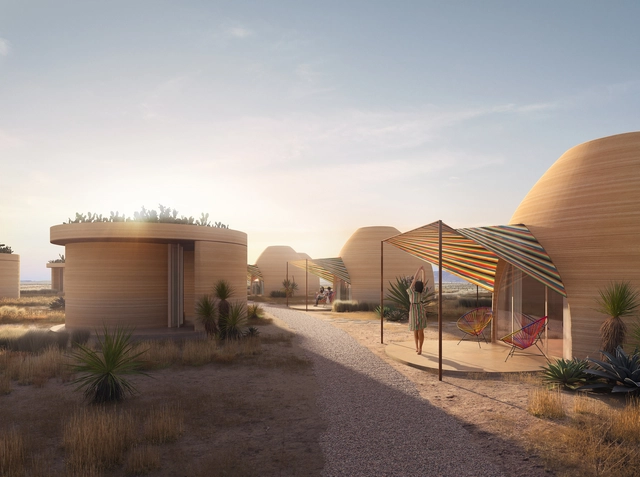
El Cosmico 3D-printed Hotel - exterior. Image Courtesy of ICON, BIG for El Cosmico
Hospitality expert Liz Lambert has announced a collaboration with ICON, the office that pioneered large-scale 3D printing, and BIG – Bjarke Ingels Group, to rebuild El Cosmico, a campground hotel in Marfa, Texas. The team plans to relocate the venue to a 62 acres plot, where new architectural approaches are made possible by including advanced technologies and 3D-printing elements such as domes, vaults, and parabolic forms. The innovative development will feature guest accommodation and new hospitality programming, including a pool, spa, and shared communal facilities. The project is expected to break ground in 2024.
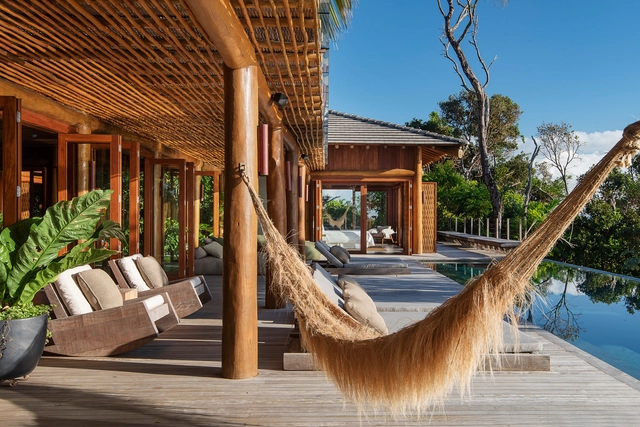
Summer, school holidays, and the desire to swim in the sea. A visit to the Brazilian coast at this time of year is a great idea for a variety of reasons. Thinking about its vast diversity, we selected some hotels arranged in different states that, in their projects, bring different ways of dialoguing with the context but also give comfort and leisure to their guests.
Once again in its eighth edition, the Prix Versailles 2022 awards have honored the best achievements in contemporary architecture. A total of 24 projects from different parts of the world have been highlighted paying tribute to innovation, creativity, the reflection of local heritage, eco-efficiency, and the values of social interaction and participation upheld by the United Nations and aligned with the principles of intelligent sustainability considering the ecological, social and cultural impacts that surround the projects.
Now in its eighth edition, the Prix Versailles awards are presented to honor the best achievements in the field of architecture and design worldwide, promoting architectural production as a vector of intelligent sustainable development and considering ecological, social, and cultural impacts.
The 24 shortlisted international projects for airports, university campuses, stations, and sports facilities competing for the Prix Versailles 2022 Awards have been announced. The global finalists in the Shops, Shopping Centres, Hotels, and Restaurants category will also be announced shortly.
The Solo Houses project has just announced the incorporation of the Venta d'Aubert Winery in Crete, Spain, and the construction of a hotel designed by Chilean architect Smiljan Radic. Solo Hotel will become the centerpiece of the community and a catalyst for tourism and cultural activities around the project.
In a recent photo series, Paul Clemence turns his lens toward Bjarke Ingels Group's (BIG) Hôtel des Horlogers, located in the Swiss Village of Le Brassus in Switzerland. Previously known as Hôtel de France, which opened in 1857, Audemars Piguet reimagined the project. BIG, an international studio known for avant-garde architecture and experimentation, continues to see this claim to its end through the design of a compact structure made up of five floors, with its rooms connected in a single zig-zag path. Designed in collaboration with the Swiss design firm, CCHE, a futuristic structural form featuring layers of long ramps was assembled for Audemars Piguet's vision of a luxury hotel.
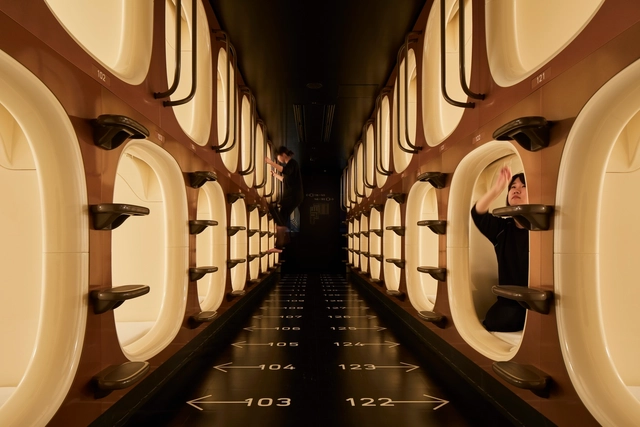
The capsule hotel is typically representative of the image that many people have of Japan, combining dense use of space, technical ingenuity, and a futuristic vibe. Capsule hotels, also known as pod hotels, are one of Japan’s best-known and unique types of lodgings. Typically located around major public transportation hubs in large metropolitan cities, they target individuals looking for a low-budget, single-night stay.
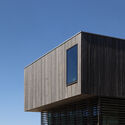
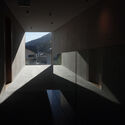
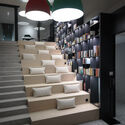
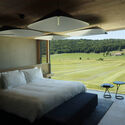
To celebrate Earth Day, real estate developers Urban Villages and Studio Gang have unveiled and broken ground on "Populus", the first carbon positive hotel in the United States. Set to open in late 2023, the 265-room hotel in Denver features a rooftop restaurant and bar, designed as a significant milestone for the future of sustainable travel that meets the needs of travelers, the community, and the environment.
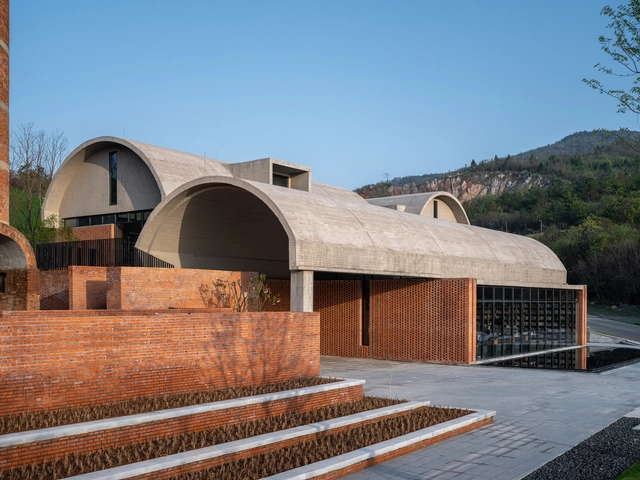
The oldest record of barrel vaults is estimated to date back to 4000 BC. These provided the spans in the Sumerian ziggurat at Nippur in Babylonia, built from fired bricks amalgamated with clay mortar. This type of vault was built as a continuous round arch and became a characteristic architectural element of Roman architecture, later used also in Renaissance architecture.
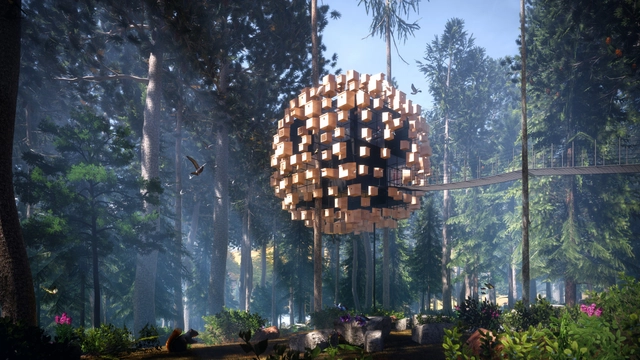
BIG revealed the design for a treetop hotel room wrapped in 350 bird houses created for the Treehotel in Lapland, Sweden. Designed in collaboration with ornithologist Ulf Ohman, the 34 square-metre Biosphere room seeks to enhance the surrounding biosphere by providing a habitat for local birds while allowing guests to be immersed in the surrounding forest. The project is the latest addition to the hotel's series of individually designed rooms created by some of Scandinavia's most renowned architects, such as Snøhetta, Rintala Eggerstsson, and Tham & Videgard.
After the announcement of the selected projects in the categories of Airports, Campus, Railway Stations and Sports, followed by the announcement of the 70 Continental Winning Projects of the Prix Versailles 2021 in the categories of Shops, Shopping Centres, Hotels and Restaurants, there turned out to be a total of 94 new projects competing in the 2021 Prix Versailles World Final.
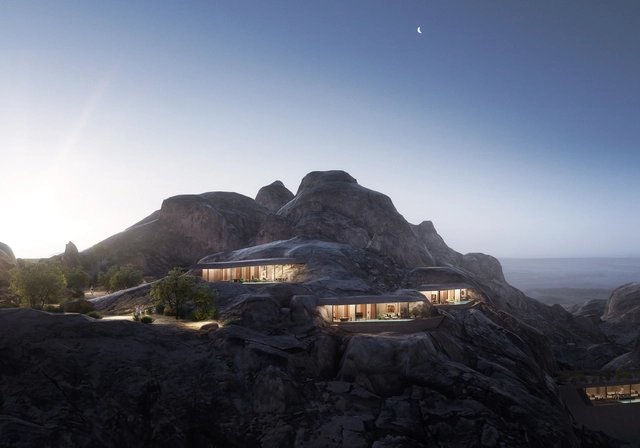
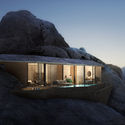
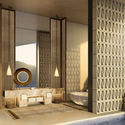
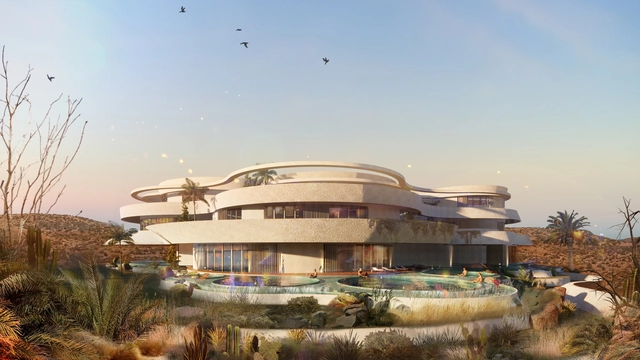
Oppenheim Architecture and Saudi developers The Red Sea Development Company (TRSDC) have unveiled the design of a new mountain resort nestled in the wadi vistas of western Saudi Arabia. Titled Desert Rock, the project draws inspiration from the surrounding geography, allowing guests to connect with the nature and the local culture of the region through a fully nature-integrated architecture.












_Studio_Gang.jpg?1650877866&format=webp&width=640&height=580)
_Studio_Gang.jpg?1650877933 "© Studio Gang")
_Studio_Gang.jpg?1650877902 "© Studio Gang")
_Studio_Gang.jpg?1650877802 "© Studio Gang")
_Studio_Gang.jpg?1650877866)


_Maureen_M._Evans.jpg?1646840531 "© Maureen M. Evans")