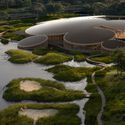
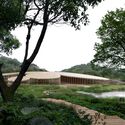
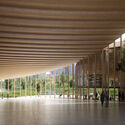
Mecanoo, in collaboration with Meng Architects and LOLA Landscape Architects, has been selected as the winner of the international design competition for the design of the Shenzhen Guangming Scientist Valley. The aim of the project is to create a facility for research and innovation that is also engaging for a larger public while also being integrated and coexisting with the surrounding natural environment. The project includes an area of approximately 1.2 square kilometers located in a strategic place to serve the larger scientific community, from Guangdong, to Hong Kong, and Macao.
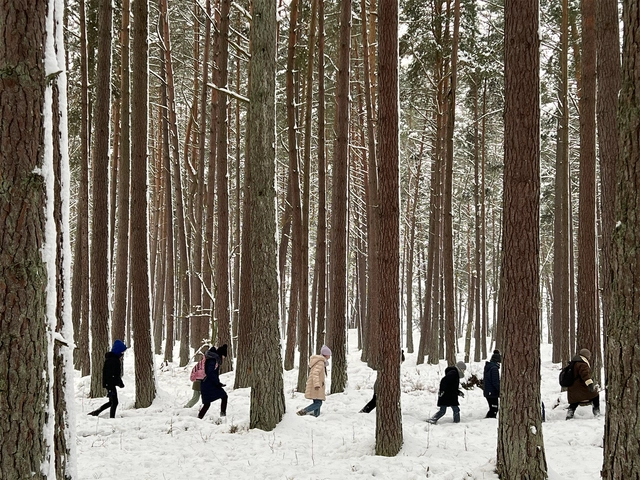
For the 18th International Architecture Exhibition – La Biennale di Venezia, the Lithuanian Pavilion will present an exhibition titled “Children’s Forest Pavilion”, curated by Jurga Daubaraitė, Egija Inzule, and Jonas Žukauskas. The intervention aims to become a playscape, acknowledging the unique perspectives through which children observe and interact with their environment. The project strives to explain the ecosystem of the forest, bringing together works and findings developed in parallel to outdoor activities held with children in the woodlands of Lithuania and Finland. Environmental educators, activists, architects and foresters will discuss the idea of forests as negotiated spaces where all actors play an important role. The Pavilion will be open from May 20th until November 26th, 2023.
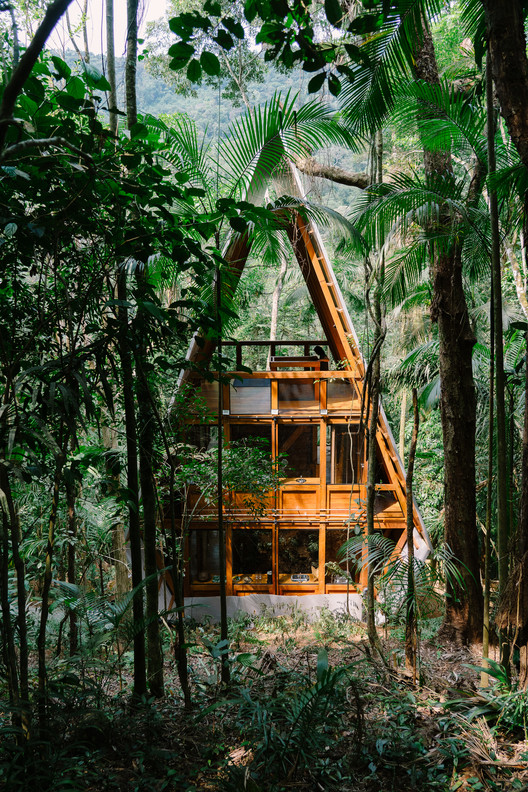
Milan-based architecture studio Peter Pichler has designed an eco-resort to develop a new concept of hospitality in the European Alpine region. Dubbed the YOUNA Nature Resorts, the complex follows the mountain’s silhouette to offer a maximized relaxation experience. The A-shape typology allows wide opens the front facade to connect with nature while reaching high-private interiors under the same roof. The resort is the last of the studio’s series of projects in the Italian rural area, including a hotel in Maranza and a prototype of a treehouse in the forest of the Dolomites.
There are extraordinary connections between the natural world and the capacity for creativity in human beings. In his book Last Child in the Woods, journalist and author Richard Louv observes: “Nature inspires creativity in a child by demanding visualization and the full use of the senses. Given a chance, a child will bring the confusion of the world to the woods, wash it in a creek, turn it over to see what lives on the unseen side of that confusion.” He concludes that in nature, “a child finds freedom, fantasy, and privacy: a place distant from the adult world, a separate peace.” The architect Frank Harmon likewise wrote touchingly about the outdoors, woods, and water as perfect settings for cultivating a thirst for learning and discovery: “Children raised by creeks are never bored. Creek children don’t know about learning by rote, neither are they conditioned to working nine to five. Berries are their first discoveries, and birds’ nests, and watching the stars come out. Later they discover books. To creek children, learning is discovery, not instruction.”
https://www.archdaily.com/984628/an-architectural-journey-through-the-woodsMichael J. Crosbie & Suzanne Bott
To wholly document a survey on the state of French forests, the wood industry, and forestry R&D, François Leclercq and Paul Laigle, from the architecture and urban planning practice Leclercq Associés, are in collaboration with architecture editor Michèle Leloup and photographer Cyrille Weiner.
The Wood That Makes Our Cities explores the environmental, economic, industrial, and technical challenges involved in the use of wood for large structures and urban architecture and assesses the future of wood construction. The book retraces the practice’s twenty years of experience with wood construction through five of its projects, featuring contributions by historians, researchers, manufacturers, timber producers, and forestry specialists.
What role do forests play in our daily lives? In what ways can they be converted into living spaces? What strategies can be implemented to reduce the environmental impact of our buildings? On the International Day of Forests, which is celebrated every 21st of March, this year we propose to raise awareness of the links between forests and our daily lives. Even though deforestation continues to advance, forests represent a source of great economic, social and ecological benefits.
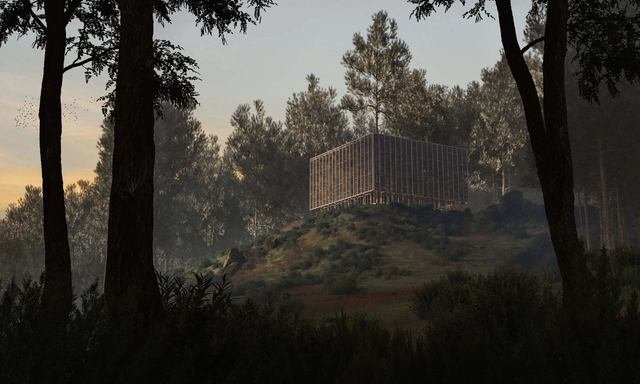
Tucked beneath the dense trees of Al-Ozer Forest in Mount Lebanon, Byblos-based architects and visual artists of JPAG Atelier created a secluded retreat away from humans and the chaos of the urban life. The Earth Chapel is a unique sanctuary that lets its visitors experience both the simplicity of the architecture and the richness of the surrounding landscapes, all at once.
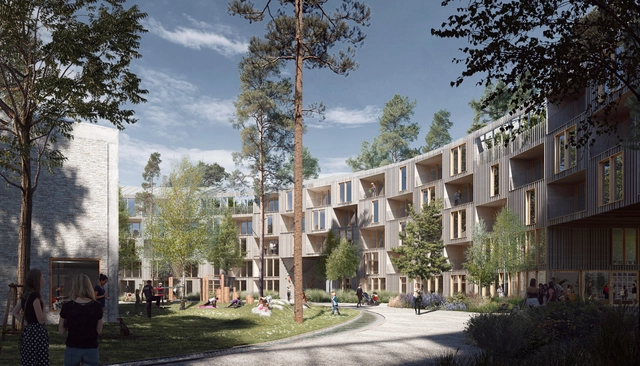
Schauman & Nordgren Architects, a Copenhagen and Helsinki based architecture and urban planning studio, was selected as the winner of the two-stage competition, organized by the city of Turku in Finland, to transform a former elderly home site into a new 15.000 m2 housing neighborhood.
Situated between the Caspian Sea and Si Sangan forest, Iranian firm MADO Architects developed a private residential project dedicated to the clients' specific request of absolute privacy. The Sisangan Villa project focused on the site's layout, referral to typical vernacular architecture, and geometric manipulation to create a dynamic structure of intersecting concrete walls and glass facades.
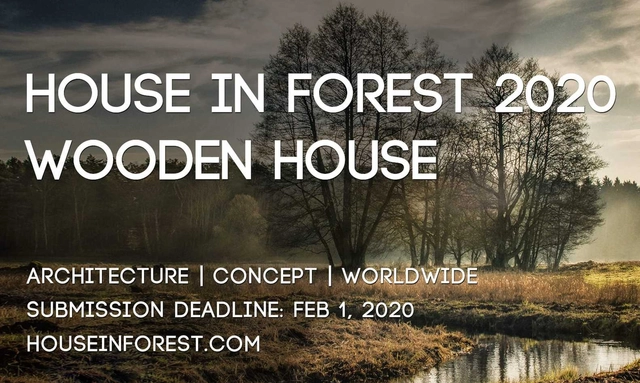
HOUSE IN FOREST is pleased to announce its 6th annual international design competition: House In Forest 2020 - Wooden House. The competition is designed to challenge and seek creativity with ideas and concepts in architectural design, as well as landscape design and site planning. The aim of this competition is to promote our ideas of protecting the forest and its environment, as well as focusing on urban design problems, while simultaneously raising awareness of sustainability.
On September 8, 2019, Austrian’s largest public art installation to date opened to the public. Titled FOR FOREST – The Unending Attraction of Nature, the artwork transforms the Wörthersee Football Stadium in Klagenfurt into a native central European forest. Conceived by Swiss curator Klaus Littmann and inspired by a dystopian drawing by Austrian artist and architect Max Peintner, the installation advocates for pressing contemporary issues such as climate change and deforestation. Through the structural containment of this massive forest, it suggests that nature may someday only be found in specially designated spaces, as animals are today in zoos. Landscape architecture was supervised by Enea Landscape Architecture.
https://www.archdaily.com/924835/austrian-stadium-is-transformed-into-giant-forestLilly Cao
Although small residential projects tend to be limited in spatial capacity, the design possibilities remain endless, especially if the project’s site is the biggest source of inspiration.
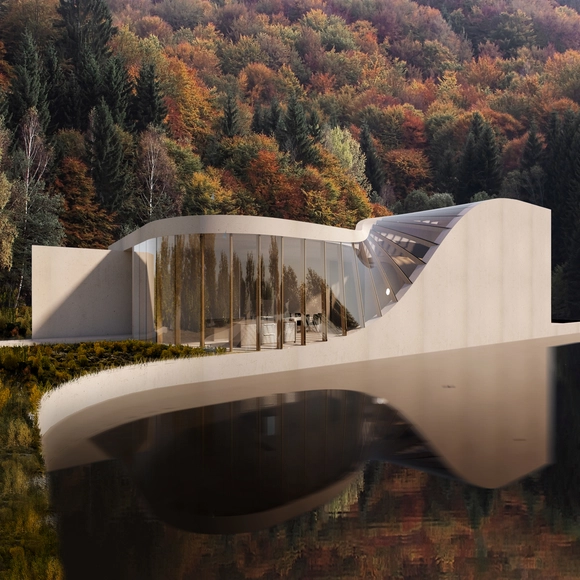
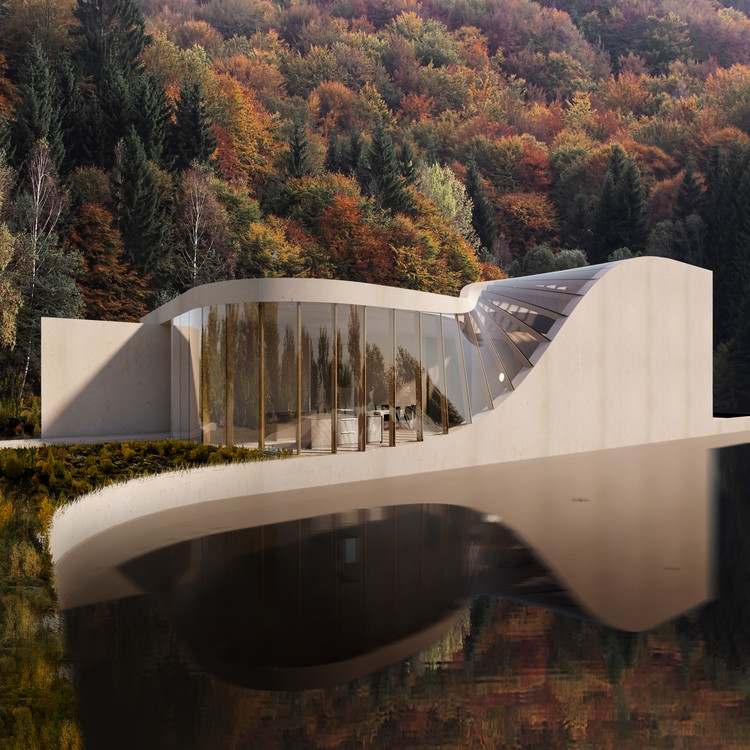
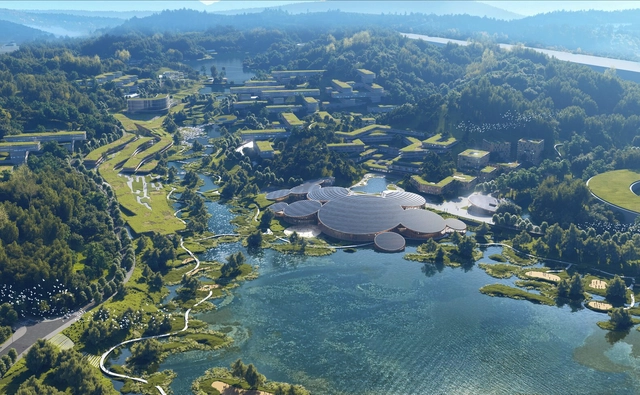
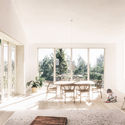
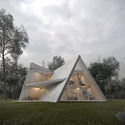
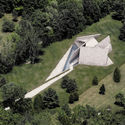
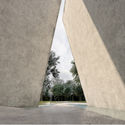
For a small family’s vacation home, Turin-based architecture firm Wafai Architects proposed a uniquely-designed luxury villa overlooking the picturesque Türlersee lake in Switzerland.



















.jpg?1568407487&format=webp&width=640&height=580)
.jpg?1568407514 "© UNIMO Studios")
.jpg?1568407733 "© UNIMO Studios")
.jpg?1568407787 "© UNIMO Studios")
.jpg?1568407611 "© UNIMO Studios")
.jpg?1568407487)