This article is the winning entry of the Epistle Writing Prize 2024, an annual competition dedicated to recognizing outstanding writing on design, architecture, and the environment.
We might be in the age of the digital cloud - however celestial or ethereal it may appear to be - but it is not only incontrovertibly material but also a powerful ecological force. In present times, data centers are mammoth powerhouses of modern information, communication, and technology industries with giant servers that store and process data. While their proliferation is in a sense, a consequence of our consumption patterns, and as the global demand for the digital grows, so does the data center footprint.
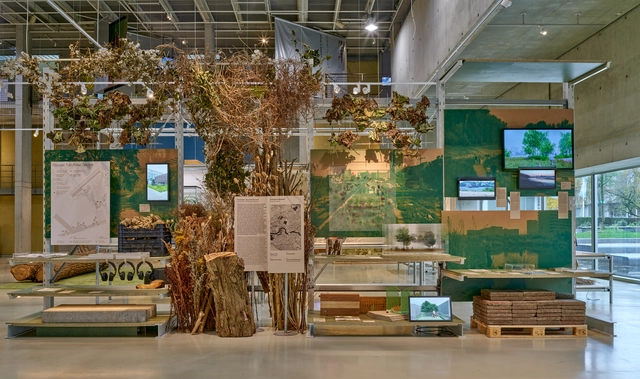
The "Garden Futures" exhibition, currently showing at the Nieuwe Instituut in Rotterdam until April 13, 2025, explores the multifaceted history and future of the modern garden. Curated by Maria Heinrich and spatially designed by Frank Bruggeman, the exhibition presents the garden not only as a personal refuge, but also as a site reflecting broader political and commercial forces. The show's structure, divided into four thematic chapters, allows for a comprehensive exploration of the garden's evolution and its potential for future development.
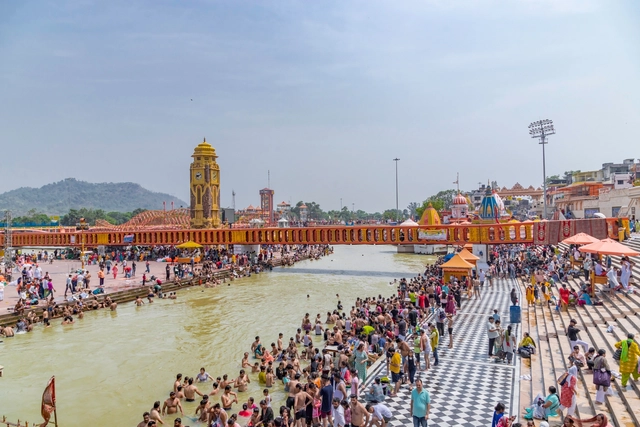
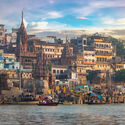
Ancient Indian civilizations once thrived along the banks of the country's many rivers, solidifying a connection between water and culture that endures to the present. Rivers have been integral to India's diverse communities, serving as essential resources for daily life and spiritual practice. Historically, these water bodies experienced an entrenched sense of custodianship; being cared for collectively by the communities that depended on them. Today, responsibility for the rivers shifts between the hands of multiple stakeholders, calling for a joint endeavor that acknowledges their cultural significance.
Ammodo Architecture has just revealed the first 23 recipients of its inaugural Ammodo Architecture Awards, an annual recognition dedicated to advancing socially and ecologically conscious architecture worldwide. The awardees, chosen for their exemplary contributions, will receive financial support ranging from €10,000 to €150,000 to further their work and projects across three categories: Social Architecture, Social Engagement, and Local Scale.
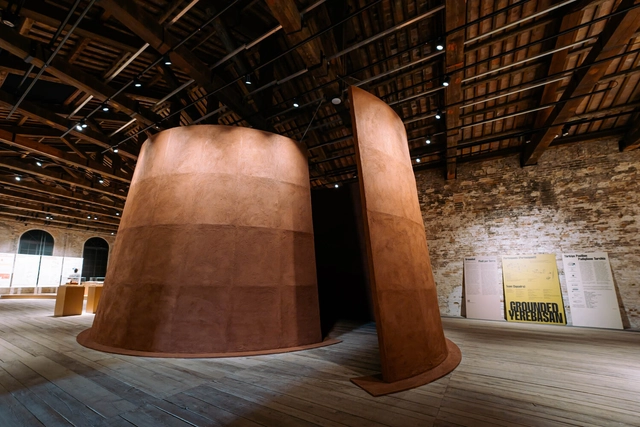
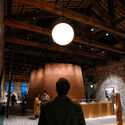
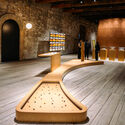
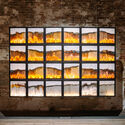
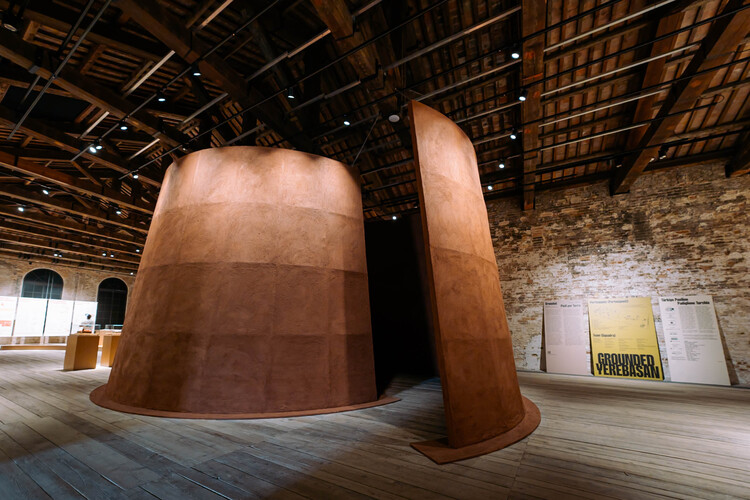
Commissioned by the Istanbul Foundation for Culture and Arts (İKSV), the Türkiye Pavilion presents the exhibition titled "Grounded" at the 19th International Architecture Exhibition of La Biennale di Venezia in 2025. Curated by Ceren Erdem and Bilge Kalfa, the project explores soil as a medium that carries both ecological and cultural memory, presenting it as an active ecosystem with the capacity to store and transmit information. Based on research, the project uncovers new possibilities that integrate diverse artistic and interdisciplinary perspectives. Curators invite visitors to reconsider their relationship with nature and to engage with the complexity and significance of the ground beneath their feet. The exhibition features contributions from 10 individual participants and 10 collaborative teams, alongside a selection of works chosen through an open call.
Women have played a pivotal role in the evolution of landscape architecture, overcoming the constraints of a male-dominated profession to introduce groundbreaking ideas and fresh perspectives. From early pioneers to contemporary leaders, their work has reshaped how we interact with public and private spaces, intertwining aesthetics, functionality, and sustainability in innovative ways.
In the late 19th and early 20th centuries, female landscape architects carved out their place in the profession, emphasizing harmony between built structures and natural landscapes. Their projects showcased a deep commitment to community and ecological balance, setting the stage for an inclusive and thoughtful approach to design that continues to inspire the field today.
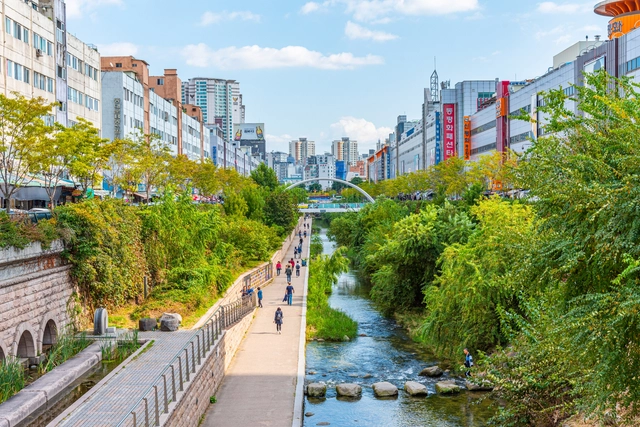
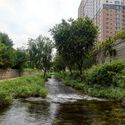
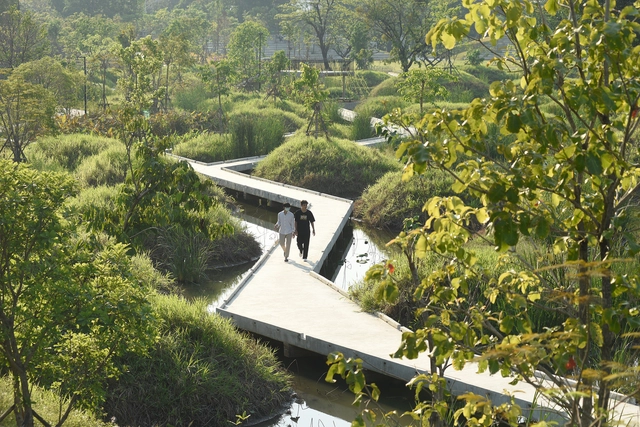
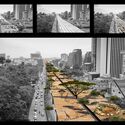
Cheongye Stream, known as Cheonggyecheon (청계천) in Korean, runs eastward through the heart of Seoul, passing through 13 neighborhoods in four districts of the capital of South Korea. Throughout its history, the stream played different roles in the city until it was covered by an elevated highway in the 1970s. For over 30 years, this natural artery remained hidden. It was not until 2003 that the city government launched a restoration project to reintegrate this urban waterway into the city fabric, revitalize the local economy, and revive the area's history and culture. The revitalization efforts were led by Mikyoung Kim Design. Since the project's completion in 2005, it quickly became one of Seoul's most visited tourist attractions. Moreover, it has become a focal point for ample urban research, with many studies offering positive assessments of the impact it had on Seoul's urban, economic, and ecological context.
In the interview conducted by Louisiana Channel, architect Andrés Jaque discusses his foundational interest in architecture and his perspective on its role in shaping society. Jaque, founder of the Office for Political Innovation, emphasizes the creative potential of architecture to intervene in reality and reconnect all elements of the environment. He also goes into perspective on the political aspect of architecture, an interest from which the name of his office derives, as well as his perspectives on the true meaning of sustainability.
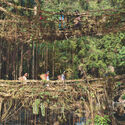
Are humans the only stewards of the built environment? For many architects and planners, spaces are designed with a focus on the needs, comfort, and health of humans. A spatial ordering, in constructed spaces and the urban fabric, designates humans as the default, singular user in this scenario. However, as much as humans have influenced the trajectory of the world, other species play a crucial role in designing, forming, and maintaining the urban landscapes of the twenty-first century.
For decades, the construction industry followed a familiar rhythm: design came first, materials followed. The pressing need for sustainable buildings has shattered this routine. Material selection is no longer an afterthought, but a critical decision made at the outset, with the potential to dramatically reduce a project's environmental footprint. This shift is even more crucial given the construction industry's appetite for raw materials – a staggering 3 billion tons extracted annually. To navigate this new landscape, digital material libraries and data-driven evaluation are emerging as powerful tools, creating a culture where materiality takes center stage to shape a more sustainable built environment.
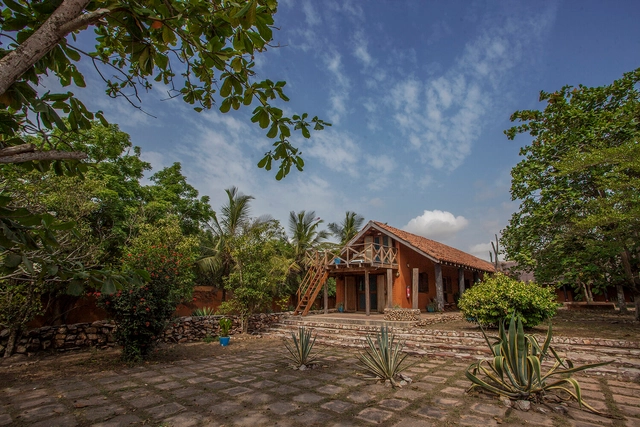
Alero Olympio (1959-2005) was an architect and builder known for an intimately ecological approach to architecture. Born in Ghana, she divided her practice between Ghana and Scotland. She focused on work that prioritized people and was sincerely committed to social and environmental sustainability, prioritizing using locally sourced materials.
Her work legacy includes physical buildings like the Kokrobitey Institute, her advocacy for earthen constructions, research on sustainable forestry products, and so much more. However, a gap exists in the institutionalized archives of her work, leading to the current ongoing efforts to build a comprehensive archive of her contributions. The 2024 Womxn in Design and Architecture (WDA) annual conference organized by Princeton University School of Architecture made a significant contribution. It featured exhibitions, seminars, and panel discussions that reflected on Alero Olympio's legacy and examined the architectural insights her work continues to offer.
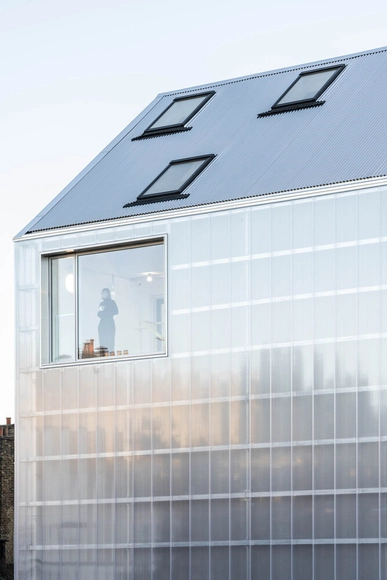
Bradbury Works / [Y/N] Studio. Image Courtesy of [Y/N] Studio
In the contemporary context, global warming has marked a turning point in the way we think about architecture. We are witnessing record temperatures on our planet and a challenging panorama in many large cities, characterized by heatwaves and, in some cases, more severe winters. These circumstances have triggered a cycle in which the demand for heating and cooling systems increases, which, in turn, translates into higher energy and operating costs for buildings.
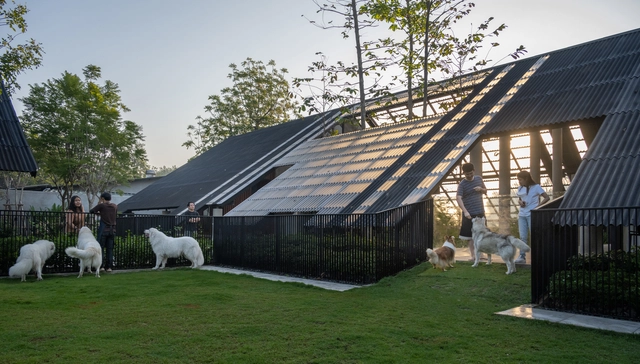
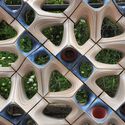
Given this situation, it becomes imperative to design energy-efficient buildings to reduce both the environmental impact and the associated costs. One of the strategies to achieve this is to properly plan the facade, which, serving a function similar to the building's skin, can help reduce the energy required for heating and cooling. In this context, the polycarbonate panels developed by Rodeca contribute to the energy efficiency of buildings, in addition to their lightweight, slender construction, and translucent aesthetics.
https://www.archdaily.com/1009134/ecological-lightweight-and-slender-energy-efficient-architecture-with-translucent-polycarbonateEnrique Tovar
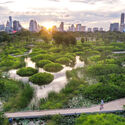
In an age where humanity's detrimental impact on the environment has become increasingly evident, the concept of rewilding is emerging as a powerful approach to conservation and ecological restoration. In line with growing attention on landscape architecture in recent years, the idea of removing human intervention from our natural surroundings in order to restore a stable equilibrium seems to offer a low-effort, ethereal way to right fundamental climate wrongs. But is a lack of meddling in nature really all there is to rewilding, and how does this relate to architecture and design? We look at key concepts, applications, and examples to find out.
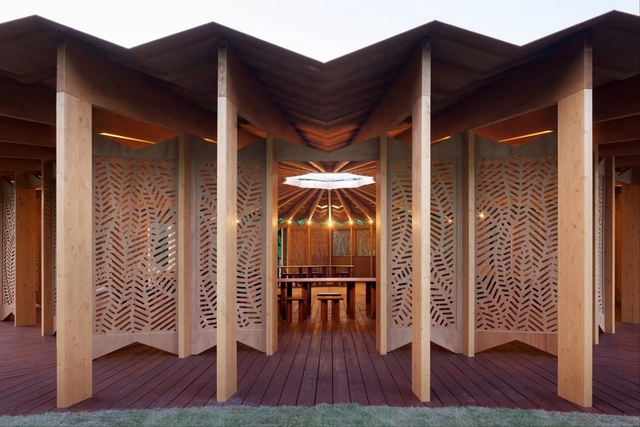
As you make your way through the symphony of wooden colonnades, leafy screen walls, and unfurled roofing, towards the converging veins of flooring and ceiling ribs leading to the light, it feels like a space that was always meant to be there. Part of the park, the pavilion complements the nature around it, reflecting its patterns, and illuminates a main interior feature: a concentric set of tables and stools that inspire people to sit at the moment, hold conversations, and connect with each other. This narrative tells the tale of this year's Serpentine Pavilion, designed by French-Lebanese architect Lina Ghotmeh.
Titled, À table, It draws inspiration from the designer’s connection with nature growing up and is reminiscent of the French call to sit together at a table, share a meal and enter a dialogue. It foregrounds the table as a laboratory of ideas, concerns, joys, connections, and essentially brings people together. It further reflects on the architectural ideals that can provoke and welcome moments of collective conversations.
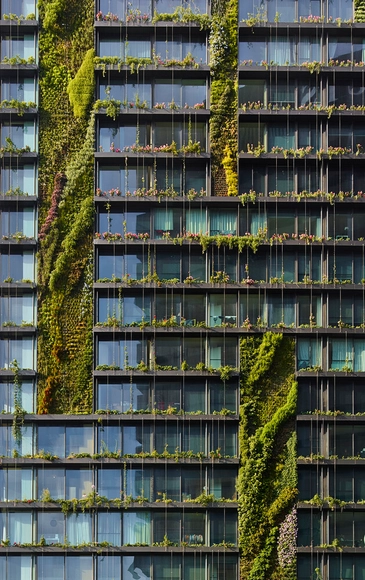
Rising over global cities, the modern skyscraper has long been a symbol of economic growth and environmental decline. For years, they have been reviled by environmentalists for being uncontrolled energy consumers. Malaysian architect Kenneth Yeang acknowledged the skyscraper as a necessityin modern cities and adopted a pragmatic approach to greening the otherwise unsustainable building typology. Yeang’s bioclimatic skyscrapers blend the economics of space with sustainability and improved living standards.
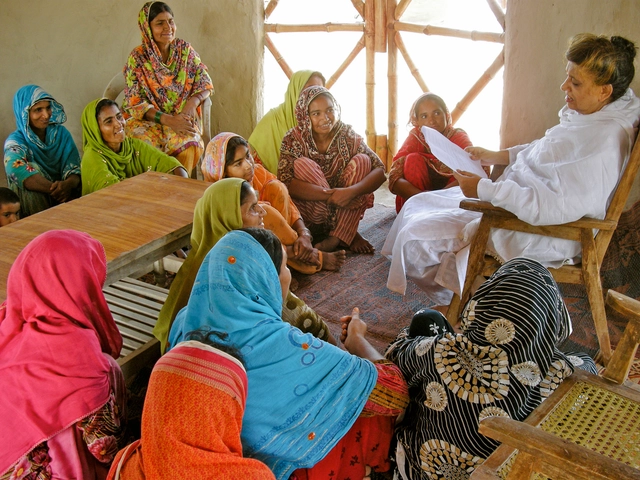
Yasmeen Lari’s Pakistani Chulah - an outdoor stove used by women in South Asia- is a powerful intervention that highlights the architect's commitment to feminist and environmental activism. The project synchronically tackles issues of deforestation, pollution, and health hazards faced by women in rural areas. Her design is systemic, locally specific, and conscious of the needs of society’s most vulnerable - women and nature. Her vast body of humanitarian work elaborated on in Yasmeen Lari: Architecture for the Future, opens up a dialogue for viewing architecture through an eco-feminist lens.
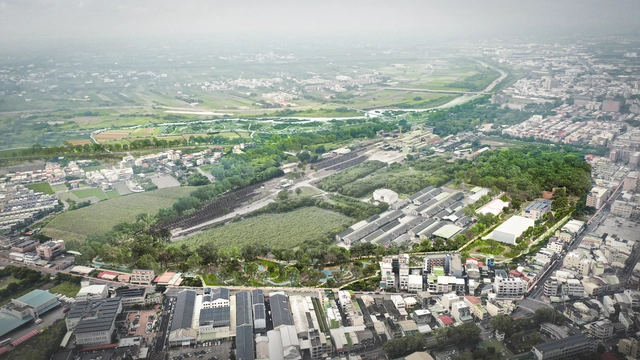
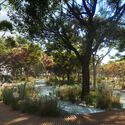
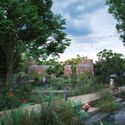
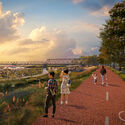
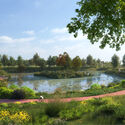
International office MVRDV has been selected by the Taiwan Ministry of Economic Affairs to design the Hoowave Water Factory, a large-scale redevelopment of Huwei’s Beigang and Anqingzhen waterways. The project combines a strategic master plan with the landscape design in an effort to move beyond the mono-functional approach for controlling and distributing water. Besides storing and capturing water, the proposal also opens up access to the river and the natural ecosystem by integrating cycling paths, cultural amenities, and ecological systems. The master plan also includes a comprehensive strategy for flood resilience while improving the quantity and quality of available water. The project is expected to be completed in 2026.
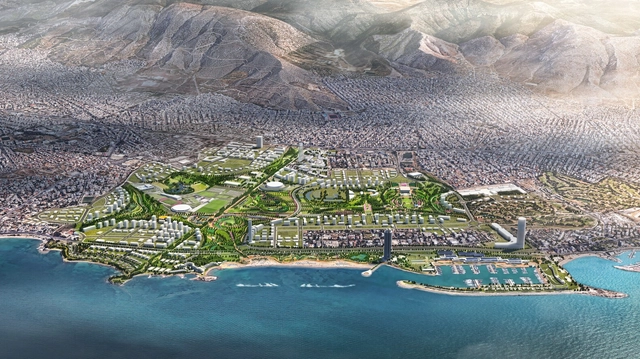
The Athens International Airport was decommissioned in 2001, leading to two decades of work for the local government to establish funding and a governance mechanism to transform the 600 acres of unused space into Europe's largest coastal park. The site has a layered history, from prehistoric settlements to the construction of the airport in the 20th century and the site being used for as an Olympic venue in 2004. Architecture office Sasaki is leading the design to transform the site again and create the Ellinikon Metropolitan Park, a restorative landscape and climate-positive design that will serve as a park, playground, and cultural center for the city of Athens. Developers are planning to break ground early next year.