It is, once again, the time of year where we look towards the future to define the goals and approaches that we will take for our careers throughout the upcoming year. To help the millions of architects who visit ArchDaily every day from all over the world, we compiled a list of the most popular ideas of 2018, which will continue to be developed and consolidated throughout 2019.
Over 130 million users discovered new references, materials, and tools in 2018 alone, infusing their practice of architecture with the means to improve the quality of life for our cities and built spaces. As users demonstrated certain affinities and/or demonstrated greater interest in particular topics, these emerged as trends.
https://www.archdaily.com/910525/the-trends-that-will-influence-architecture-in-2019Pola Mora
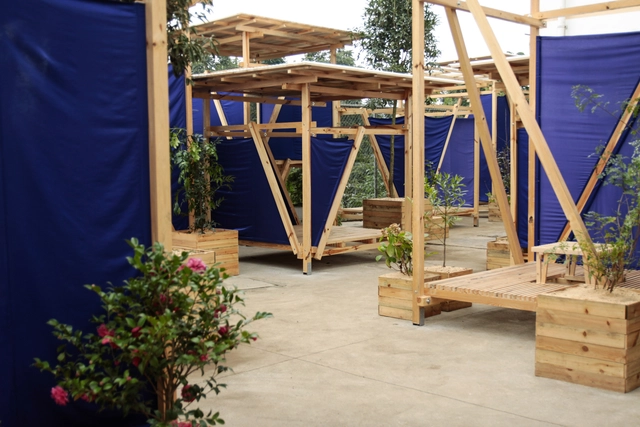
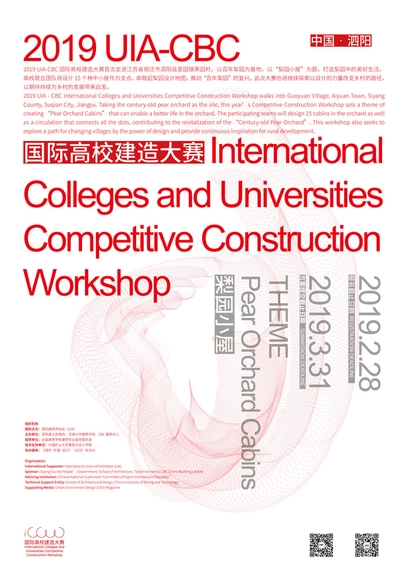
Open Call: 2019 UIA-CBC International Colleges and Universities Competitive Construction Workshop
2019 UIA-CBC International Colleges and Universities Competitive Construction Workshop is now calling for participants from all around the world! Started in 2016 International Colleges and Universities Construction Competition initiated by CBC (China Building Centre), this annual event has been successfully hosted in different places of China and acquired a wide recognition at home and abroad. This year, International Union of Architects (UIA) joined as the international supporter of this event and make it the first China-based International construction competition on such level.
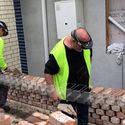
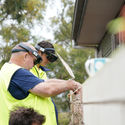
Fusing augmented reality with the physical space, Fologram seeks to facilitate the construction of complex designs (for example, parametric designs that require a series of measurements, verification, and specific care) through digital instructions that are virtually superimposed into the workspace, directing a step-by-step guide for bricklayers during the construction process.
'Research institutions and large companies are working with industrial robots to automate these challenging construction tasks. However, robots aren’t well-suited for unpredictable construction environments, and even the most sophisticated computer vision algorithms cannot match the intuition and skill of a trained bricklayer,' stated their creators.
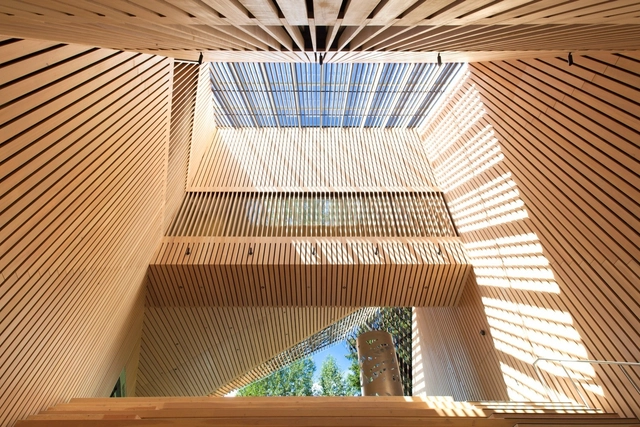
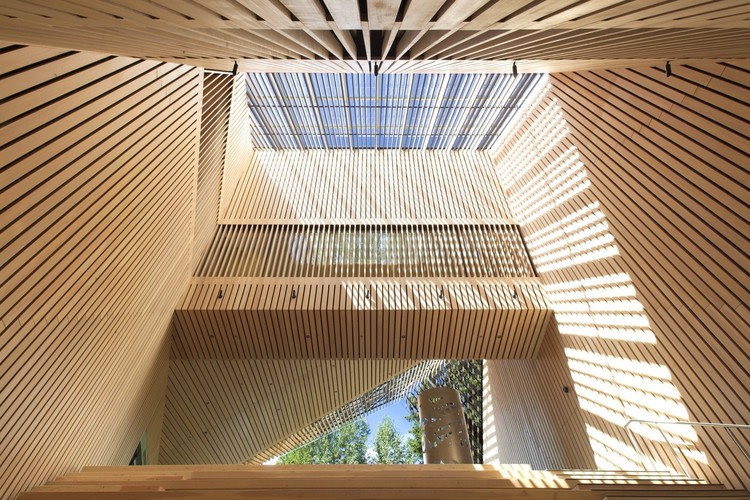
Audain Art Museum (Whistler, British Columbia) / Patkau Architects
The design and construction community is revolutionizing the way we think about wood in construction. Growing pressure to reduce greenhouse gas emissions, coupled with a desire for aesthetically appealing designs, have resulted in a wood momentum that is being celebrated by architects and engineers around the world.
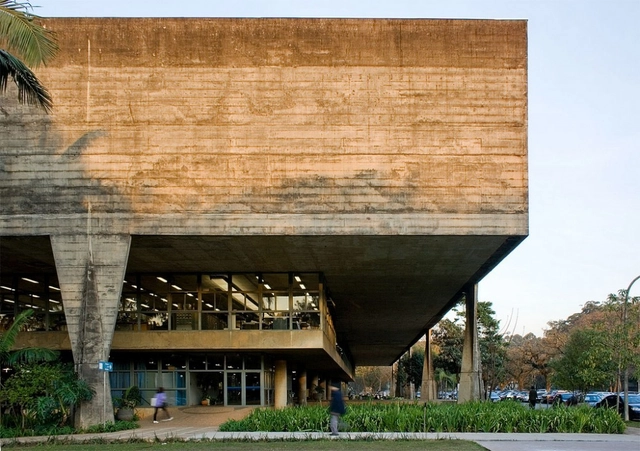
In the eyes of an architect, concrete is practically a fetish. Currently, it's used in a wide range of projects and buildings, from infrastructure to residential, and offers an architect a great deal of freedom in generating eye-catching results. To start, we will show you how to pre-dimension concrete structures and understand what cracks in concrete structures mean. Continue reading to get our tips on how to use concrete and get the best result possible.
Videos
via flickr user conchur licenced under CC BY 2.0
Carrots cannot help you see in the dark, but they could make your buildings stronger, and more environmentally friendly. Engineers at Lancaster University in the UK have worked in collaboration with Cellucomp Ltd UK to study the effects of adding “nano platelets” extracted from the fibers of root vegetables to enhance the performance of concrete mixtures.
The vegetable-composite concretes, made from vegetables such as sugar beet or carrot, have structurally and environmentally out-performed all commercially-available cement additives, such as graphene and carbon nanotubes, doing so at a much lower cost.
https://www.archdaily.com/900003/could-carrots-make-concrete-stronger-and-greenerNiall Patrick Walsh
via Wikimedia. ImageDom Luis Bridge / Porto, Portugal
An unfortunate fact of the AEC (architecture, engineering, and construction) industry is that, between every stage of the process—from planning and design to construction and operations—critical data is lost.
The reality is, when you move data between phases of, say, the usable lifecycle of a bridge, you end up shuttling that data back and forth between software systems that recognize only their own data sets. The minute you translate that data, you reduce its richness and value. When a project stakeholder needs data from an earlier phase of the process, planners, designers, and engineers often have to manually re-create that information, resulting in unnecessary rework.
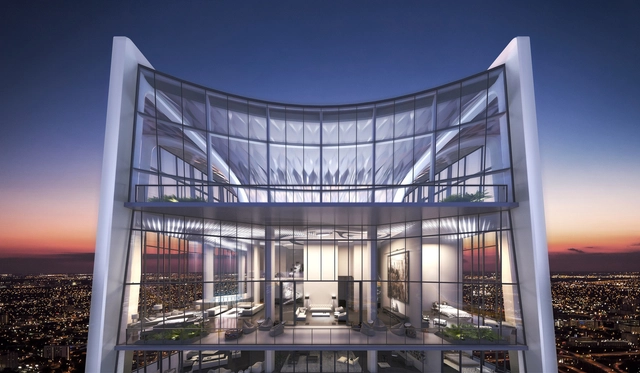
Courtesy of Zaha Hadid Architects. ImageOne Thousand Museum high-rise residential building in Miami, Florida, will feature a curving exoskeleton finished with glass fiber-reinforced concrete.
When it comes to building a bridge, what prevents it from having the most enduring and sustainable life span? What is its worst enemy? The answer is, simply, the bridge itself—its own weight.
Built with today’s construction processes, bridges and buildings are so overly massed with energy and material that they’re inherently unsustainable. While concrete is quite literally one of the foundations of modern construction, it’s not the best building material. It’s sensitive to pollution. It cracks, stains, and collapses in reaction to rain and carbon dioxide. It’s a dead weight: Take San Francisco’s sinking, leaning Millennium Tower as an example.
Modern, smart construction can and will do better. A convergent set of technologies will soon radically change how the construction industry builds and what it builds with.
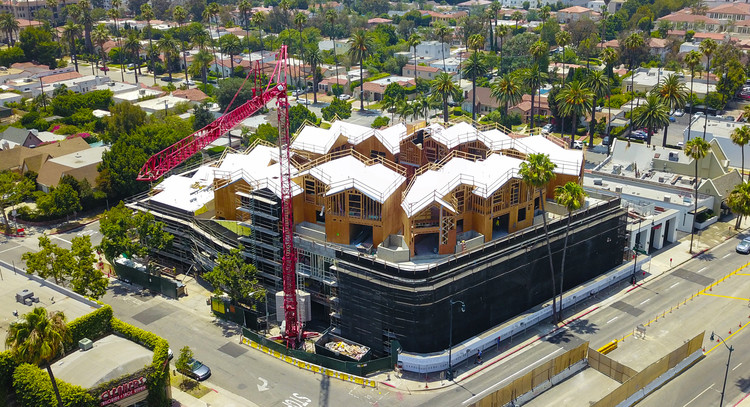
MAD Architects’ first project in the U.S., an 18-unit residential complex, has topped out in Beverly Hills. The project named ‘Gardenhouse’, is founded upon the idea of coalescing nature and the built environment in a dense urban center, providing residents an experience similar to that of living in a “hilltop village”. Once fully completed, Gardenhouse will feature a terraced arrangement of urban villas atop a plant-covered podium.
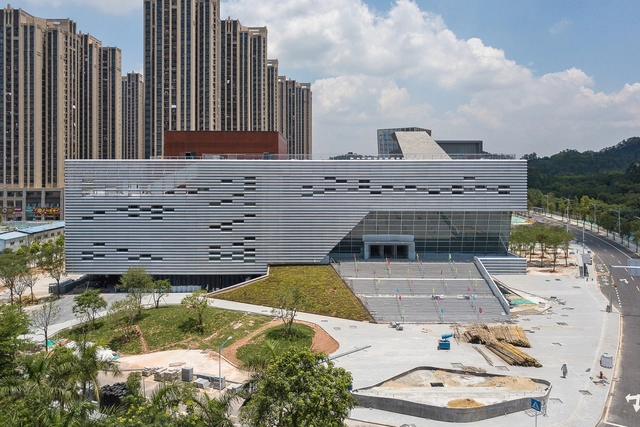
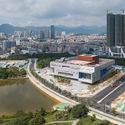
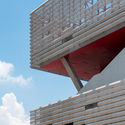
OPEN Architecture has released a new set of photos that documents the construction milestones of Pingshan Performing Arts Center in Shenzhen, China. The project was initially announced in 2015 as the first theatre planned for the newly-developed Pingshan area. With its building envelope now fully formed and cladded in precision-engineered aluminium panels, the Performing Arts Center is set to open by the end of this year as one of the city’s most anticipated cultural venues.
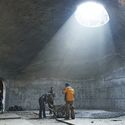
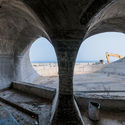
OPEN Architecture has released the latest construction photos of the Dune Art Museum topping out in a Chinese coastal city near Beijing. The art museum manifests itself as a complex of interconnected concrete shells, which in the next and final stage of construction, are to be buried in sand and shrubs to restore the natural silhouette of the dunes on the beach.
Sand is the most-consumed natural resource in the world after water and air. Modern cities are built out of it. In the construction industry alone, it is estimated that 25 billion tons of sand and gravel are used every year. That may sound a lot, but it’s not a surprising figure when you consider how everything you’re surrounded with is probably made of the stuff.
But it’s running out.
This is a scary fact to think about once you realize that sand is required to make both concrete and asphalt, not to mention every single window on this planet. The United Nations Environment Programme found out that from 2011 to 2013, China alone used more cement than the United States had used in the entire 20th century and in 2012, the world used enough concrete to build a wall around the equator that would be 89 feet high and 89 feet thick (27 by 27 meters).
You have to consider many factors when designing an architectural project in order to ensure quality and value. The construction technique is in most cases the first item to be evaluated, because it is the one factor that properly materializes the proposed design and determines the efficiency of the project in terms of time, costs, labor, finishes and final quality.
BI GROUP ARCHITECT AWARDS – is the first international competition for young professionals and graduates of architectural universities in Kazakhstan. The organizer is a large construction holding BI Group — the leader in the real estate market in Kazakhstan. The purpose of this competition is to develop a concept to draw and identify the most modern and progressive architectural and engineering solutions, as well as innovative technologies to solve acute social problems on the territory of the Republic of Kazakhstan, caused by a shortage of cultural facilities, educational and health facilities.
We’ve all seen them: cringeworthy designs and abysmal construction fails. For architects and designers, it's difficult not to hone in on the details of every space we encounter. And, it’s even harder not to laugh at doors incapable of opening, plaster jobs that could have been completed by a 4-year old, and an overly liberal use of caulking to solve any construction mishap.
Inspired by this guilty pleasure, the Instagram account of “Certified Caulk Installer” Trevor Lahey aka greaseball1987 has collected the best of the worst home improvement disasters for your viewing pleasure. See more of Lahey's plethora of hilarious tragedies below.
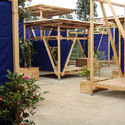
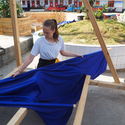
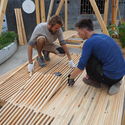
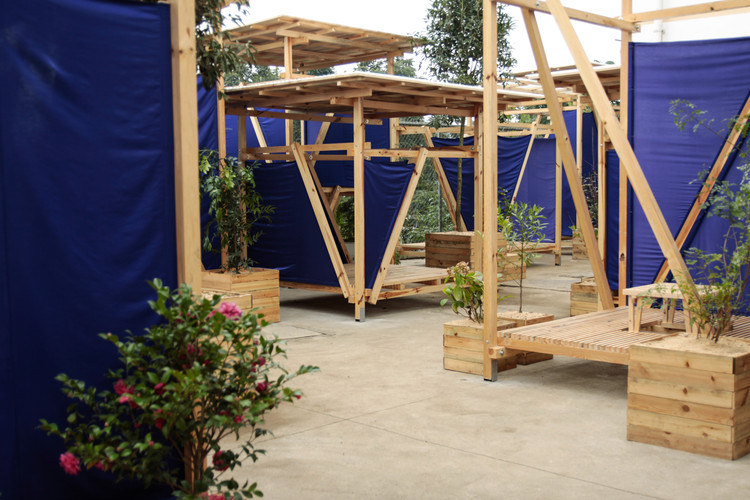
For students of architecture, few things are as thrilling as seeing one of their designs physically built. For a group of Polish and Norwegian-based students, this dream has become a reality.
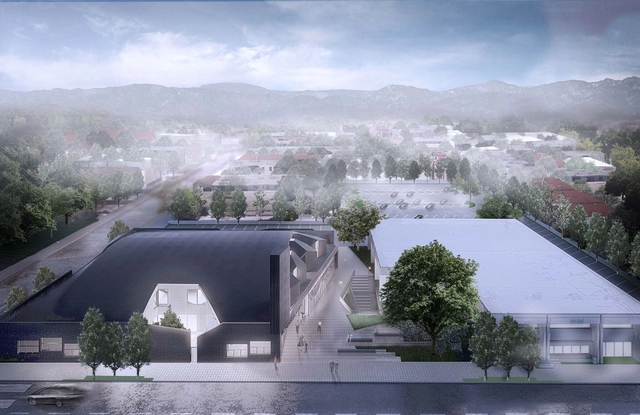
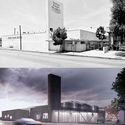
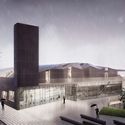
An adaptive reuse project by P-A-T-T-E-R-N-S is currently under construction in North Hollywood, California. The project transforms an existing warehouse into a dynamic medical campus with Urgent Care, Elderly Daycare, Surgical Centre, Physical Therapy, Imaging Centre, Medical offices, café and a small shop.


.jpg?1548884950&format=webp&width=640&height=580)





.jpg?1539029465 "Valley Villa (Vilnius, Lithuania) / Arches")
.jpg?1539029241 "Organic Farm (Tangshan, Hebei , China) / ARCHSTUDIO")








.jpg?1530607923 "Interior. Image Courtesy of MAD Architects")