If quarantine has brought something positive into the lives of many people around the world, it is the opportunity to change up our daily routines and dive into new activities that we did not have time or energy for beforehand. Learning and delving into topics that interest us or that are related to our work is one of them.
https://www.archdaily.com/936791/free-webinars-to-dive-into-software-materials-and-architectureAD Editorial Team
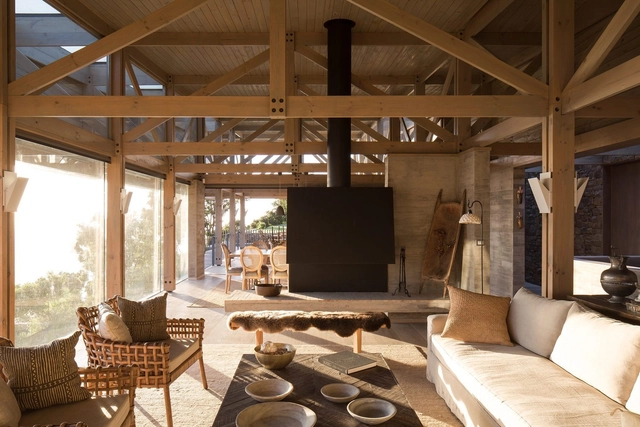
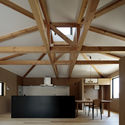
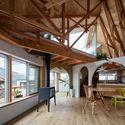
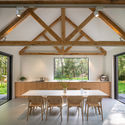
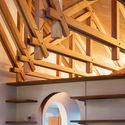
Timber trusses are wooden structural frameworks used to support roofs or other heavy structures. Fabricated from a series of triangles linked by a ridge beam and purlins, wooden trusses are structurally advantageous due to their high strength-to-weight ratios and corresponding ability to support long spans. However, these structural components can also be used for aesthetic ends, and when left exposed, can complexify, beautify, and open an interior space.
https://www.archdaily.com/948955/the-beauty-of-exposed-wooden-trussesLilly Cao
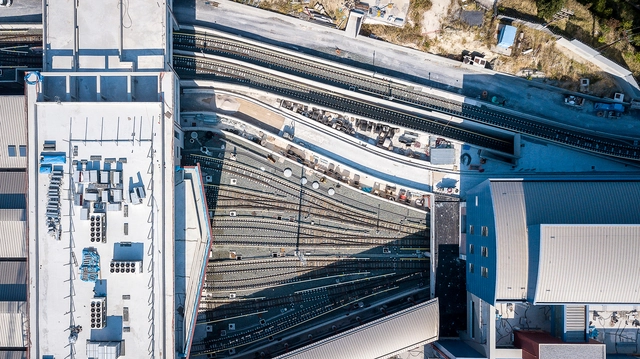
With the recent completion of several new stations and tunnels, the Athens underground metro expansion and the development of the ThessalonikiMetro system are on a set course to completion in Greece. The construction of a direct connection between the Athens airport and the Piraeus harbour, as well as the development of Thessaloniki’s first metro line, are underway, and images by photographer Pygmalion Karatzas show the new underground infrastructure coming together in the two Greek cities.
In the dome of the Pantheon in Rome, several construction techniques were used to allow such a bold construction to stand. One concerns the composition of the concrete (in this case, non-reinforced concrete) with different densities throughout the structure. Closer to the top, lighter stones were used in the mixture, reducing the dome's weight retaining the solidity of the base. Another technique was the inclusion of “coffers”, which are nothing more than subtractions in the concrete, reducing the weight of the dome while maintaining a cross section sufficiently robust to support its own weight. Built almost 1,900 years ago, this building still surprises us with the genius of the solutions. Using a quantity of materials just high enough to fulfill its primary function, and creating intelligent structures as a result, is just one of the lessons that this building provides.
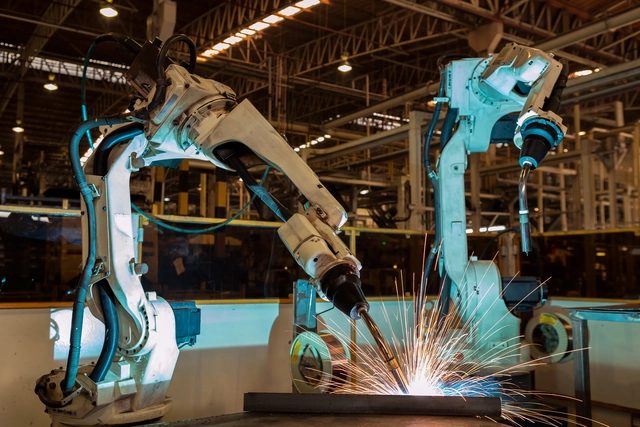
Robotic automation has been widely adopted by the manufacturing industry for decades. Most automotive vehicles, consumer electrical appliances, and even domestic robots were made and assembled by “armies” of robots with minimal human supervision. Robotic automation brings higher production efficiency, a safer working environment, lower costs and superior quality. After years of development and deployment, the process now requires minimal human involvement.
https://www.archdaily.com/945761/a-fully-automated-construction-industry-still-a-long-road-aheadDarwin Lau
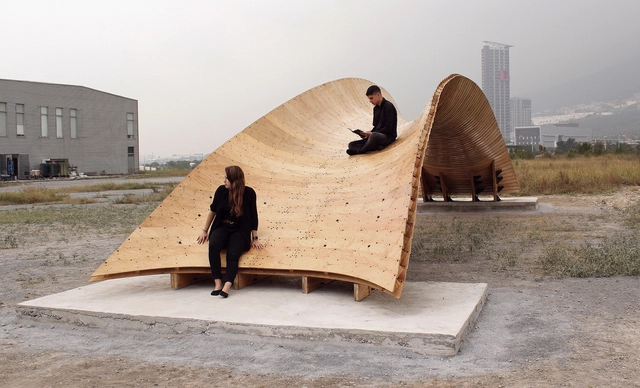
From its starting to point as a tree to its product form as a beam or piece of furniture, wood used in architecture and interior design goes through several stages and processes. A renewable resource and popular traditional building material, wood is also often cited as a promising construction material of the future, one that is suitable for the new demands of sustainability. But unlike concrete, whose molds can create even the most complex curves, wooden architecture most commonly uses straight beams and panels. In this article, we will cover some techniques that allow for the creation of curved pieces of wood at different scales, some of which are handmade and others of which seek to make the process more efficient and intelligent at a larger scale.
Nearly four months after the World Health Organization (WHO) declared a public health emergency of international concern on January 30, the number of coronavirus cases in the world continues to grow. Although some countries, where the virus transmission rate has declined, are reopening businesses and returning to normal, the impacts of the pandemic are continuing to influence people's daily lives, affecting not only the population's health but also their jobs, habits and the economy. Such changes may still endure and may have an impact on the future of architecture and construction, given the prospect of a crisis in the sector.
At the apogee of the Roman Empire, its territory extended over more than five million square kilometers, between Europe, Asia, and Africa. Rome exercised power over a population of more than 70 million people, which equated to roughly 21% of the world population at the time. In fact, as we have already shown in another article, all roads led to the city of Rome. The great seat of the empire and the material and immaterial heritage left by it is immeasurable, and even today researchers seek to understand its full impact on the current world. From the beginning of its expansion in the 6th century BC until its fall in the year 476 AD, the legacy left by the Romans encompasses areas such as law, plastic arts, Latin (which originated many different languages), systems of government, and, importantly, architecture.
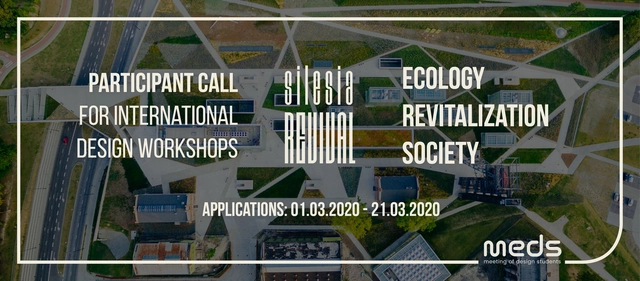
The 11th edition of MEDS workshop, held in the industrial region of Poland - Silesia, is now open for entries! Apply as a participant up to the 21st of March.
MEDS Workshop “Meetings of Design Students” is an international workshop organized each summer in a different country. Every year it gathers around 200 participants associated with various fields of art, design, and architecture. In a span of two weeks, guided by experienced tutors, the participants create and construct group projects, getting in touch with different approaches to design and mastering their skills in a wide range of building techniques. Each project combines
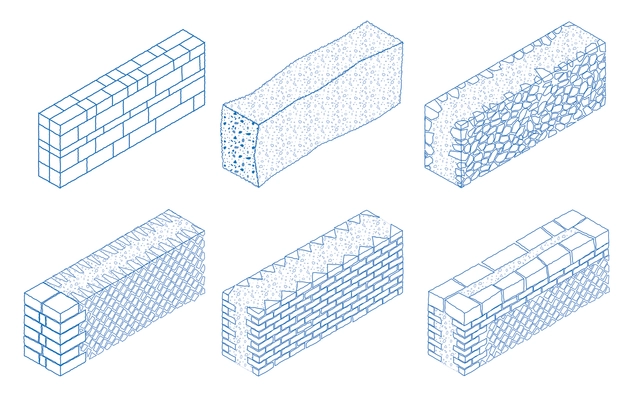
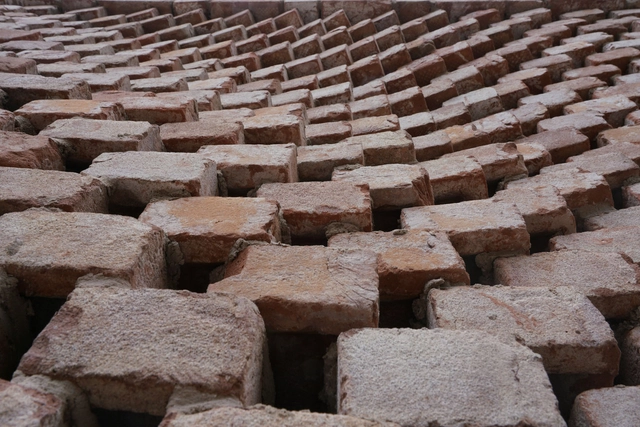
While technology and construction have progressed rapidly in recent years, allowing structures to be built taller and faster than ever, remnants of colossal ancient monuments remind us that construction techniques from as long as hundreds of years ago had enormous merit as well. In fact, many of the innovations of antiquity serve as foundations of modern construction, with the Roman invention of concrete serving as a cogent example. Other essential ancient construction techniques, such as the arch and the dome, are now often considered stylistic flourishes, with designs like the Met Opera House reinterpreting classical typologies in a modern context. Yet perhaps the most relevant reinterpretations of ancient construction today are those that do so in the interest of sustainability, renouncing high-energy modern construction methods in favor of older, more natural techniques.
https://www.archdaily.com/933010/the-future-of-the-old-how-ancient-construction-techniques-are-being-updatedLilly Cao
The annual Council on Tall Buildings and Urban Habitat's (CTBUH) Tall + Urban Innovation Conference explores and celebrates the very best in innovative tall buildings, urban spaces, building technologies, and construction practices from around the world. Incorporating what was previously known as the CTBUH Annual Awards event, this conference sees the owner/developers, design, and engineer teams for 50+ Awarded projects present in front of an international audience and live juries for winning distinctions across several award categories. Hot topics in the building industry will also be explored through presentations in project rooms.
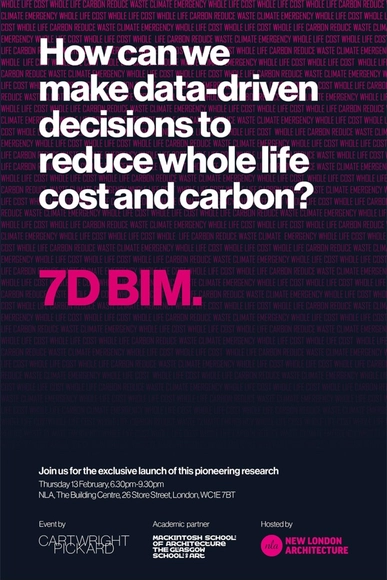
As we embark on a new decade, discussions surrounding the sustainability and longevity of our buildings have reached fever pitch, particularly within the context of the UK’s commitment to a 2050 target of carbon neutrality and a 33% reduction in whole life cost by 2025.
Leading the way in innovative thinking is Cartwright Pickard, who alongside the Mackintosh School of Architecture have conducted research into new software that will greatly assist the government in achieving these essential targets.
The revolutionary technology will integrate advanced BIM (Building Information Modelling) with cloud-based whole life cost and carbon databases, enabling those commissioning and designing buildings
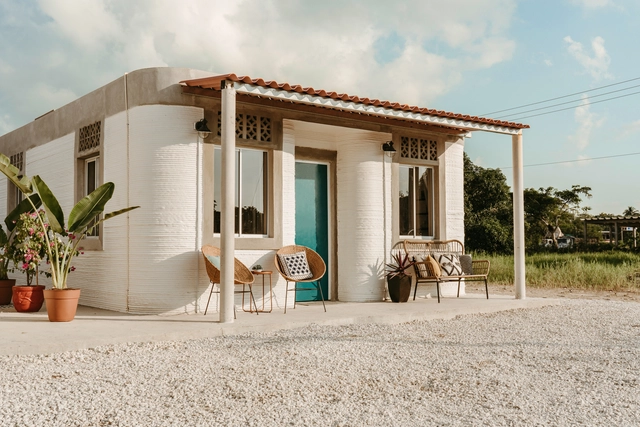
The world’s first 3D printed community is currently underway in a remote area in Mexico. The printer has been created as a solution to minimise homelessness and provide safe and adequate shelter for individuals.
New Story, a not for profit organisation, which was founded five years ago, aims to provide adequate shelter/housing for people exposed to extreme poverty and unsafe housing. New Story, to date, have constructed 2,700 homes catering for 15,000 people located in areas such as Haiti, El Salvador, Bolivia and Mexico. For these homes they have used traditional construction methods and in the past two years have started to explore innovative construction solutions for faster building production that caters for the ever changing social housing sector and housing crisis.
Being up to date with new technologies, understanding the best solutions for each project, and knowing the products present in the market and those that will be used in the future. We have observed that these themes arouse great interest in the architects, students, and architecture lovers who visit our site every day. In 2019, ArchDaily began to focus more on materials, covering products, construction techniques, and raw materials in general. The year is coming to an end, so we have compiled the most viewed articles on these topics, trying to understand what they imply for the present and where they will take us in the coming years.
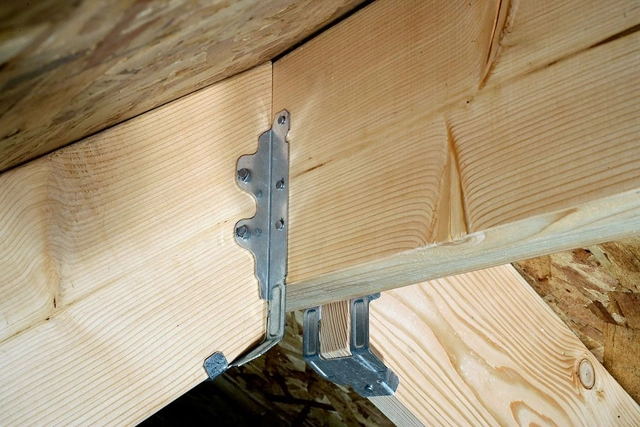
Wood is a very easy-to-work material, allowing professional and amateur builders to manufacture simple objects and structures without major problems. However, when thinking about larger-scale housing or buildings, it's important to take certain precautions that ensure good quality and good construction behavior. To this end, it's essential to evaluate every project and analyze which connection system best suits its structural and aesthetic needs.
We spoke with the experts of Simpson Strong Tie, a leading company in structural connectors, anchors, and fastening systems, to learn more about these topics. Here are six important lessons and tips for building safer and more resistant wooden houses and buildings.
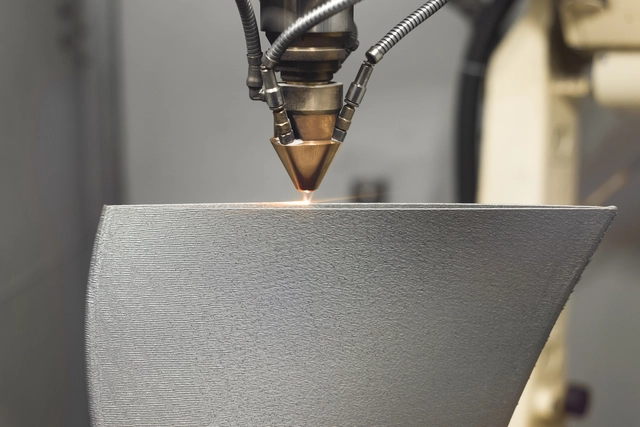
Additive Manufacturing (AM) is a term used to identify the manufacturing processes performed by 3D printing through layer-by-layer construction. In addition to avoiding the generation of waste through the use of precise geometries and exact quantities of material, these controlled processes can be much faster than traditional ones, since they don't require tools or other instruments.
Additive Manufacturing is done based on a digital model. The process begins with a CAD design or three-dimensional scan and then translates that shape into an object divided into sections, allowing it to be printed. Its use has extended from industrial design to the replica of archaeological objects to the manufacture of artificial human organs and tissues, among many others.
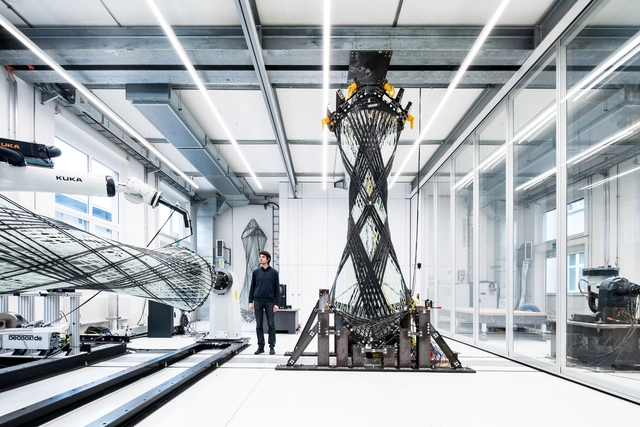
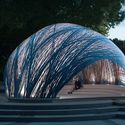
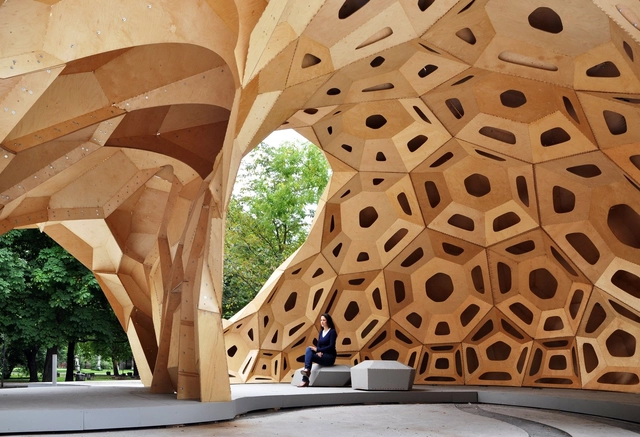
Materials and technology come together in new spaces and experiences. When looking to innovations in advanced construction, the Institute for Computational Design (ICD) and the Institute of Building Structures and Structural Design (ITKE), together with students at the University of Stuttgart, have been creating a series of experimental pavilion for many years. These structures tell a story of computational design and computer-aided manufacturing processes for advanced construction.
As construction evolves, new advancements are shaping how we design. These movements are the product of shared ideas and the convergence of building technologies that open up new possibilities for architecture. From the atomic scale of materials to preassembled homes and faraway planets, the changes in BuildTech are felt across industries. As a result, disciplines are learning from one another to reimagine how we build.