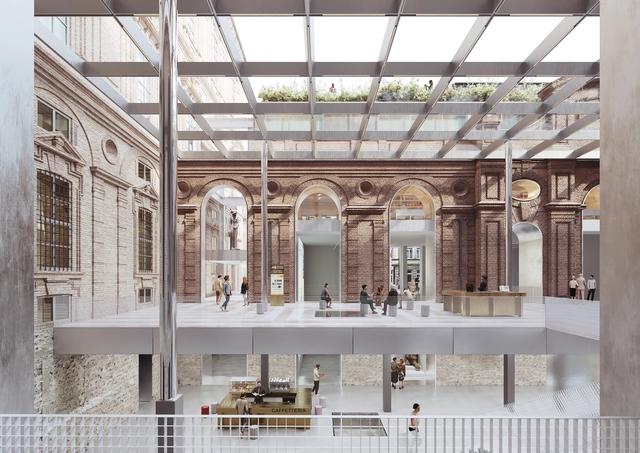
OMA / David Gianotten and Andreas Karavanas have won the competition to renovate the world’s oldest museum for Ancient Egyptian culture, the Museo Egizio founded in 1824 and housed in Collegio dei Nobili in Turin, Italy. The winning project aims to put in place a 2024 vision for the Museo Egizio, transforming the museum into a destination for scholars and a rediscovered public place for all.
In collaboration with, local architects Andrea Tabocchini Architecture, T-Studio, and historical consultant Professor Andrea Longhi, the proposal seeks to open the cultural space to all by creating a covered courtyard and a series of connected urban rooms within the existing settlement.
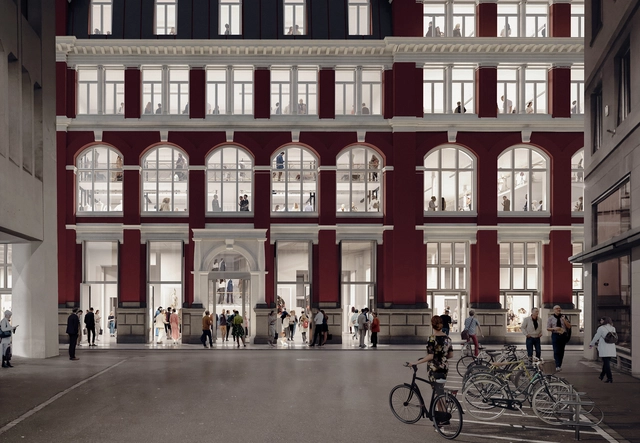
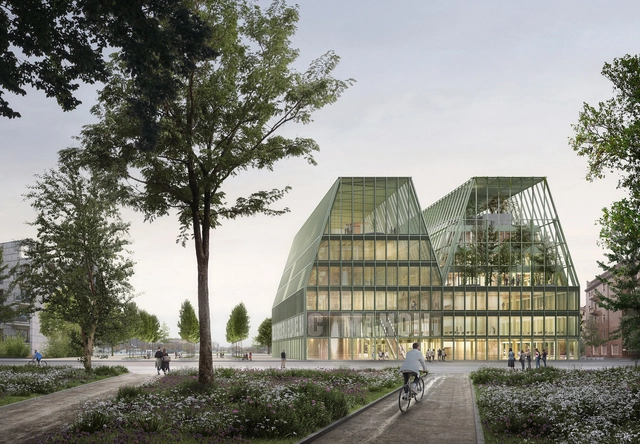
Christian Kerez was announced as the winner of the competition for the renovation of the Palazzo Rosso in St. Gallen, home to the Textile Museum St. Gallen, in eastern Switzerland. The project, titled “Das Schwere ist des Leichten Wurzelgrund,” or “The Heavy Is the Root of the Light,” responds to the goal of raising the profile of the Palazzo Rosso and increasing its visibility and attractivity. The proposal is currently undergoing further development by order of the Textile Museum Foundation for clarifying questions of feasibility and finance.
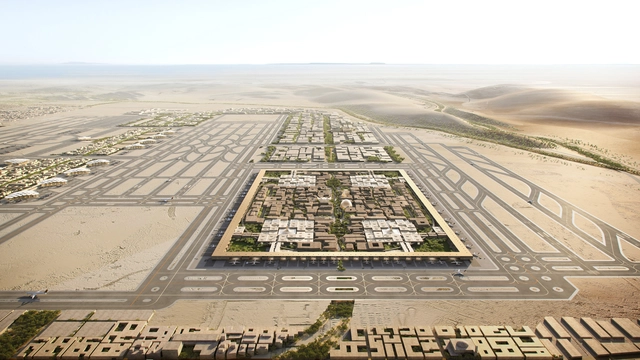
Foster + Partners has been announced as the winner of the competition to design the new King Salman International Airport in Riyadh. Saudi culture and identity drive the airport's architectural design to ensure a unique travel experience for visitors and transit travelers. The master plan will boost Saudi Arabia's capital as a global logistics hub, stimulate transport, trade, and tourism, and act as a bridge connecting 180 million passengers from East to West.
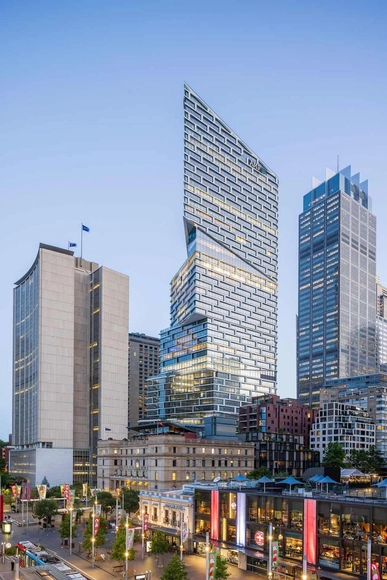
The Danish architectural practice 3XN won the 10th International High-Rise Award for the office tower Quay Quarter Tower in Sydney, Australia, the world's most innovative high-rise in 2022/23. From over 1000 high-rises completed in the last two years, the Quay Quarter Tower was selected because it implemented innovative solutions in a time of increased ecological challenges by integrating a large proportion of the existing 1970s high-rise structure into the new building.
The municipality of Milan has announced the results of the competition to design the new European Library of Information and Culture (BEIC) in Milan, Italy. The winning team is composed of Onsite Studio, baukuh, Yellow Office, SCE Project, Studio Mistretta, Starching, Stain Engineering, Dotdotdot, (ab)Normal, Atmos Lab. The new building, situated in the Porta Vittoria area of Milan, aims to go beyond the traditional functions of a library to become a laboratory for the tools necessary to create contemporary culture.
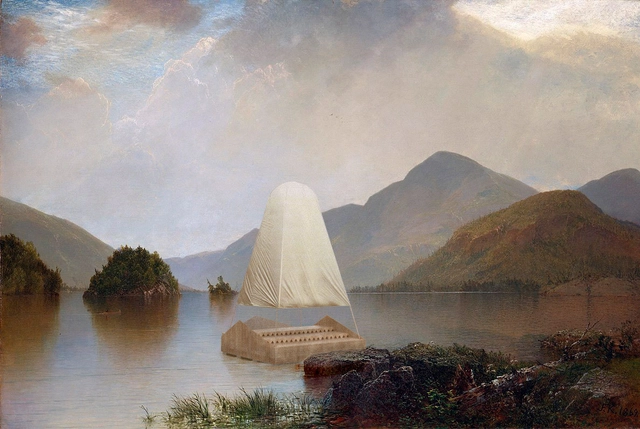
First Place - Federico Fiorino. Image Courtesy of The Outsider magazine and the City Municipality of Maribor
The Outsider magazine and the City Municipality of Maribor have announced the winners of the international competition “Floating Pavilion on the Drava River.” The purpose of the competition was to obtain an innovative design for a floating pavilion that would have two main functions: a space for smaller events during the Lent Festival and a space for contemplation by the river. The City Municipality of Maribor will invite the winning candidate to participate in the implementation of the project.
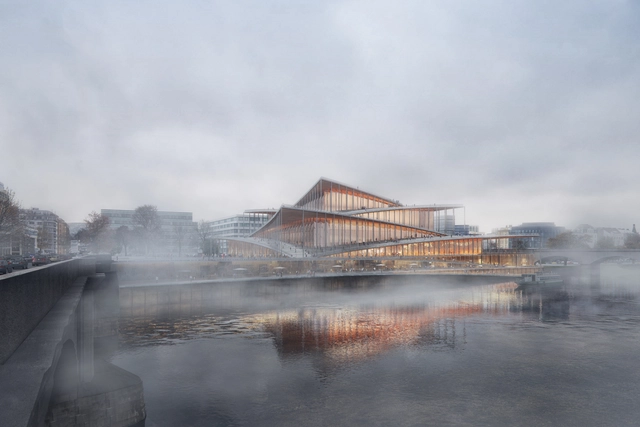
BIG (1st place) - Exterior view. Image Courtesy of Mozses
The City of Prague announced the international competition results for the design of the Vltava Philharmonic Hall. The winning project is designed by Danish studio Bjarke Ingels Group – BIG. The new concert hall aims to become a focal point for the city and reinforce Prague's reputation as a European cultural capital. The proposed volume of the new Philharmonic Hall presents a recognizable image while also being well integrated into the complex topography of the Vltava riverbank. Visitors are invited to follow the meandering series of plazas connected by sloping roofs that take them from the riverbank to the rooftop, promising views of the historic city center of Prague. Spanish architecture practice Barozzi Veiga collaborated with local office Atelier M1 and won second place. Bevk Perović Arhitekti and Petr Hájek Architekti won third and fourth place, respectively, while Snøhetta's proposal was declared the fifth winner.
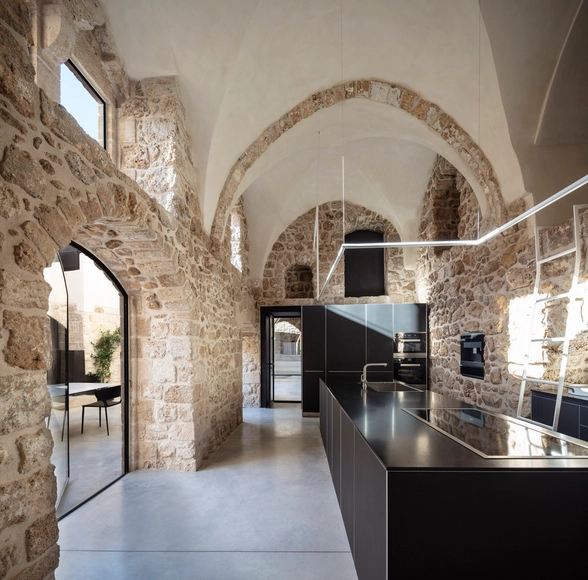
Old Jaffa House 4 by Pitsou Kedem Architects. Image Courtesy of German Design Awards 2022
The German Design Awards have been presented by the German Design Council for the tenth time. The internationally renowned prizes are awarded to companies whose pioneering products and projects stand out in the categories of “Excellent Product Design”, “Excellent Communications Design” and “Excellent Architecture”. In addition to the “Winner” and “Special Mention” awards, the jury gave out a total of 81 “Gold” awards – the highest distinction of the German Design Awards.
Videos
FRANCE - Architecture school of Bordeaux. Image Courtesy of Saint Gobain
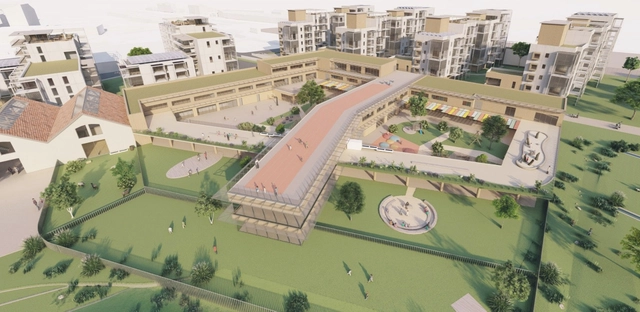
Saint-Gobain has announced the results for the 16th edition of its international Multi Comfort Student Contest. This year, the challenge was to convert the post-industrial area of the Coignet company in Saint-Denis (France) into a space for living, learning, and leisure in the heart of a large green space, respecting both the historical heritage and the needs of sustainable development of modern neighborhoods, in collaboration with the city of Saint-Denis.
Learn more about the top three winning projects below.
The Italian photgrapher, Aldo Amoretti created the initiative to invite people to share their favorite places around the world, with the objective of going beyond his vision and giving the chance to an audience to offer a different perspective of buildings and places.
https://www.archdaily.com/962396/from-your-eyes-to-my-eyes-selected-places-by-aldo-amorettiArchDaily Team
Courtesy of Archstorming HOPE Dental Center contest
Archstorming, the platform dedicated to humanitarian architecture competitions, has announced the winners of HOPE Dental Center contest. The brief called for the design of a dental clinic and training institute for the NGO His Hands On Africa, a non-profit organization that wants to address the lack of dental services in countries such as Rwanda, the chosen location for this competition.
Highlighting and promoting architecture and design that impacts the educational field, the Design that Educates Awards revealed its list of winners for 2020. A collaboration between Laka Foundation and Solarlux GmbH, this year’s competition theme was inspired by the “Educating Buildings” research paper of Dr. Peter Kuczia.
"Co.Living" - Exterior view. Image Courtesy of Saint-Gobain
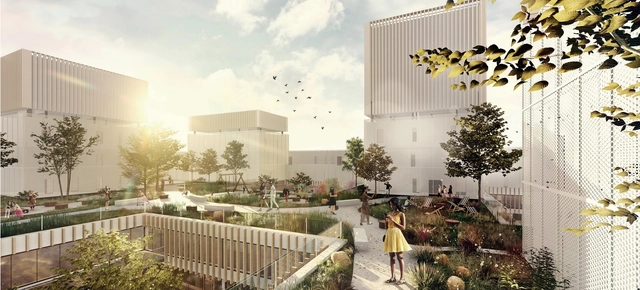
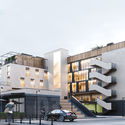
Competing in this year’s 15th annual Multi Comfort Student Contest, Saint-Gobain had over 2,200 students from 199 universities worldwide. The final was narrowed down to 60 competing teams from 34 countries, all of whom traveled to Milan to present their designs to an international panel of experts from the Municipality of Milan. This year’s brief was to design a project to rehabilitate and reconnect the urban area around Crescenzago subway station in Milan in line with the city’s #milano2030 development plan. The competition also focuses on Saint-Gobain’s concept of Multi Comfort: thermal, visual, and acoustic comfort, as well as good indoor air quality.
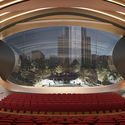
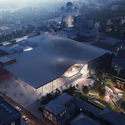
To activate the historical and cultural significance of music in the city of Yekaterinburg, a design competition to create a new concert hall was announced earlier in April. From the 47 proposals that were submitted, the top three architectural concepts were recently selected by the jury committee, awarding first place to Zaha Hadid Architects, and the two runner-up positions to Alvisi Kirimoto + Partners and Robert Gutowski Architects respectively.
Despite selecting ZHA's proposal as the project laureate, all three projects are still in contention as the feasibility studies are ongoing. For the snowy climate of this Russian city, the buildability of the design continues to be under debate.
Overall Winner: "HAPPI: Integrated Apparatus" by Massimilian Orzi, Studio Orzi. Image Courtesy of arch out loud
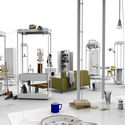
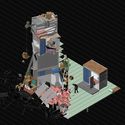
Architectural research initiative ‘arch out loud’ has announced the winners of the HOME competition. Entrants were asked to answer the question: ‘What is the future of HOME?’ A winner was identified for each category: Overall, Innovation, Adaptability, and Pragmatism.
As changes in global circumstances give rise to new design and living trends, the traditional definition of the home as a private place of permanence and stability has altered to accommodate these transitions. The competitors were asked to consider these changes, such as the impact of population shifts, the unpredictability of our changing ecosystem, contemporary forms of community housing and community relations, and newly engineered materials.
Courtesy of Bee Breeders Architecture Competitions
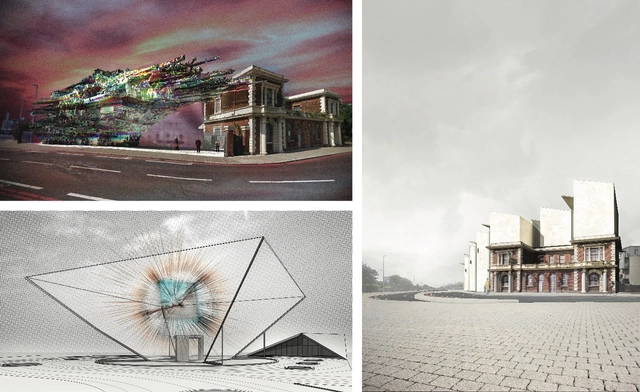
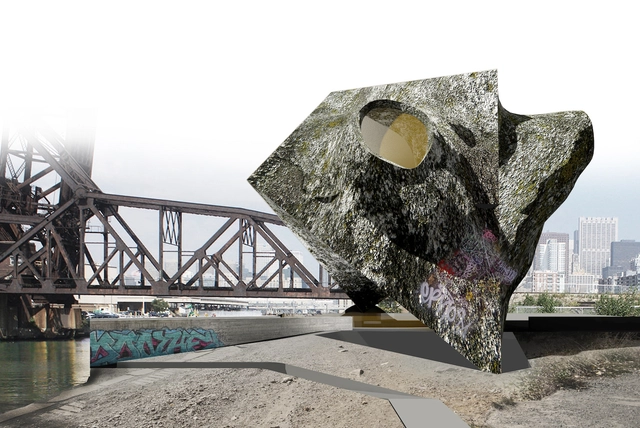
Architecture competition organizers Bee Breeders have announced the winners of the London Internet Museum competition. This speculative project challenged architects to design a museum for “something historically profound and typologically unprecedented — the internet.” Given a site at the former Great Eastern Railway terminal station building, designers were tasked with creating a location that would “connect visitors to both the history of the internet and open them to the possibilities of the future.” Submissions took a wide variety of approaches, and prizes were awarded to projects that rejected the typical associations and precedents that the internet calls to mind.
Continue reading to see the winning entries with brief descriptions.
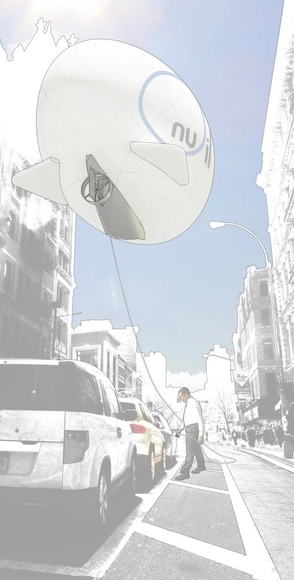
Winning Entry: Nu Oil / Felix Yang and Thomas Noussis. Image Courtesy of Combo Competitions
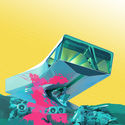
Filling Station(s), the latest ideas-based challenge organised by Combo Competitions, asked participants to "rethink refueling" in a competition which sought to re-imagine the ubiquitous filling station. The historical rise of this 20th century typology, from simple fuel dispensers to palatial rest-stops on the highway, grew with the proliferation of the car and became symbols for societal progression, personal status, and "a bright future." Although the number of vehicles worldwide "surpassed one billion in 2010, there has been a steady decline in filling stations since the end of the last century." As such, perhaps this is the time to start to rethink how these fragments of the international mobility infrastructure operate?















.jpg?1584441338&format=webp&width=640&height=580)
.jpg?1560394338 "\"Induction\" - Exterior view. Image Courtesy of Saint-Gobain")





.jpg?1525297152&format=webp&width=640&height=580)