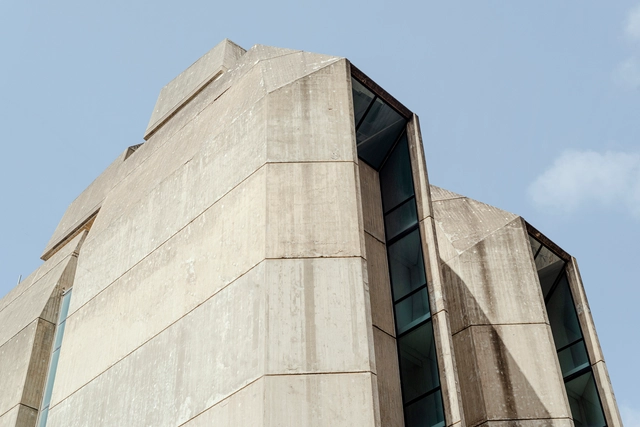
In Beirut, a city marked by transformation, the Interdesign Building echoes the vision of an architect steadfast in his conviction. Designed by Lebanese architect Khalil Khouri in 1973 during a period of economic growth, the building took 23 years to build, a process halted by the onset of the Lebanese Civil War. By the time it was completed in 1996, the urban landscape that surrounded it had changed. The structure has stood largely unused since, as a relic of hopeful modernity. While its design is singular in its narrative and expression, this structure illustrates the tension between aspiration and struggle throughout its complex history.
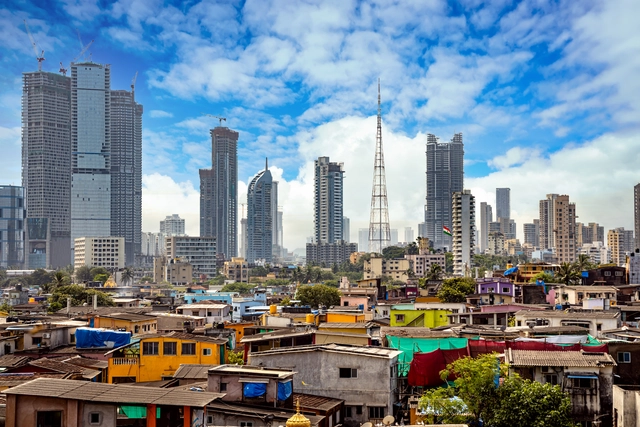
As a result of the nation’s ardent aspirations for growth and development, the social, economic, and physical landscape of India has transformed. A significant portion of the region’s population is of working age and comprises a massive market size, making India a land of opportunity especially in the eyes of foreign investors.
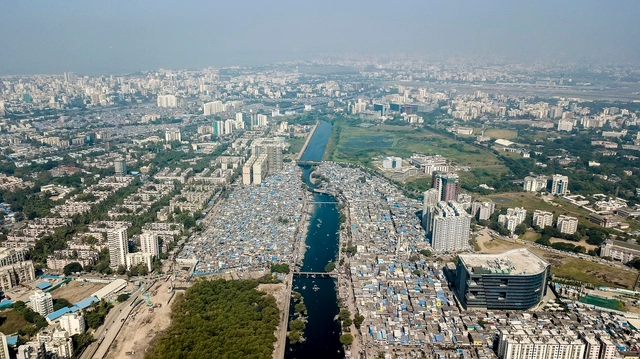
Reflecting this context, multiple mega-cities and mega-projects characterize the built environment and push the nation toward superpower status. On the flip side of the coin, these visionary projects along with the trend of rapid urbanization also bring in a range of side effects - the spread of informal settlements and in turn, the challenges to equitable development.
Over-providing traditionally implies offering more than is necessary, often carrying a negative connotation due to the potential for excess and waste. However, could there be scenarios within the built environment where over-providing proves advantageous? The question critically examines how overprovisioning might enhance a building's flexibility and adaptability to diverse and evolving conditions.
The underlying assumption of accurately providing what is needed for a building is that stakeholders—including owners, architects, and designers—can accurately predict and cater to a structure's current and future needs. This assumption, however, is challenging to realize, as societal, economic, and cultural shifts frequently occur in unpredictable ways. In this context, over-providing emerges as a counterintuitive yet potentially beneficial strategy. As buildings and structures inevitably transform, those designed with inherent adaptability reduce the need for costly renovations or complete rebuilds.
Space exploration isn’t merely a testament to human ambition or a quest for new territories and resources. Our ventures beyond Earth’s atmosphere are driven by a deeper purpose: to understand better our place in the cosmos and to pioneer innovations that can transform life on our home planet.
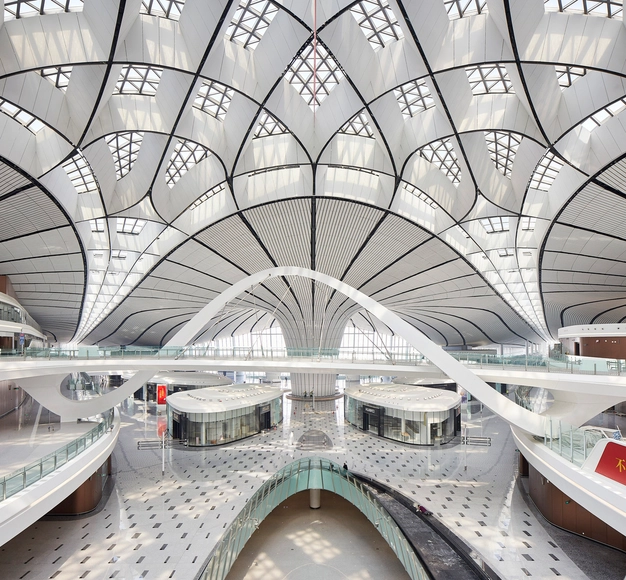
Modern airports have increasingly become symbols of architectural innovation, moving beyond their primary function as transportation hubs to become significant landmarks. A prominent trend in contemporary airport design is the use of curved forms to create fluid, dynamic spaces that enhance both functionality and visual impact. These curves, made possible by advancements in construction technology, allow for more flexible and expansive interiors, as well as designs that can better integrate with natural landscapes and improve passenger circulation and experience.
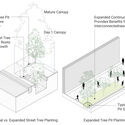
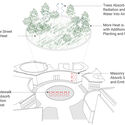
Anyone who walks during the summer in a city like Boston knows that a significant amount of time is spent charting routes with shade. But I can’t use that as my only excuse for being off-task. Honestly, I’m distracted. The swirling headlines of the U.S. presidential election, an unprecedented UN climate conference looming, and the phrase “decade of decisive action” weighs heavy on my shoulders. While it’s easy to get caught up in current events, those of us with solutions must stay focused.
A perhaps helpful Japanese phrase to call upon is “kotsu kotsu,” essentially meaning to slow down and focus on the task at hand, and do it well. Temperatures are soaring, people are suffering. As a recent UN COP letter stated, “time lost is lives, livelihoods, and the planet lost.” Cooling our cities and communities is more important than ever.
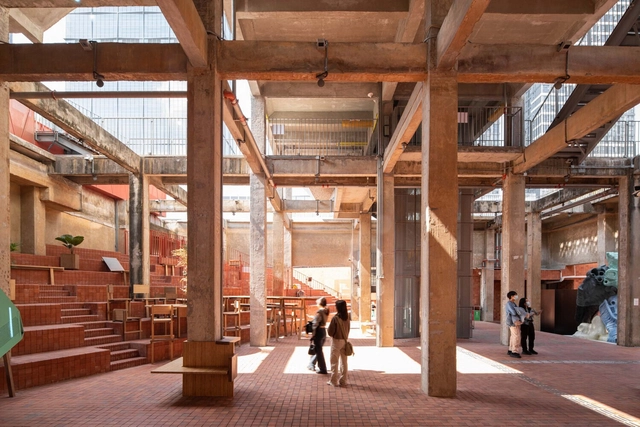
How have architecture and building design adapted to unforeseen future uses? As cities evolve, their needs for buildings inevitably change. Buildings may transition between cultural, commercial, industrial, and office functions depending on a city's identity and economic activity. In a world that is becoming increasingly dynamic and fast-paced, it's essential to consider the challenges static structures face when required to meet new demands. Cities have repurposed these static structures in ways not anticipated during their original design, with many successes in repurposing industrial buildings. Unlike structures designed with flexibility in mind, most manufacturing facilities were not initially intended for multiple uses. Yet, how have cities, communities, and occupants used these spaces, and what are the challenges of transforming a building’s existing uses?
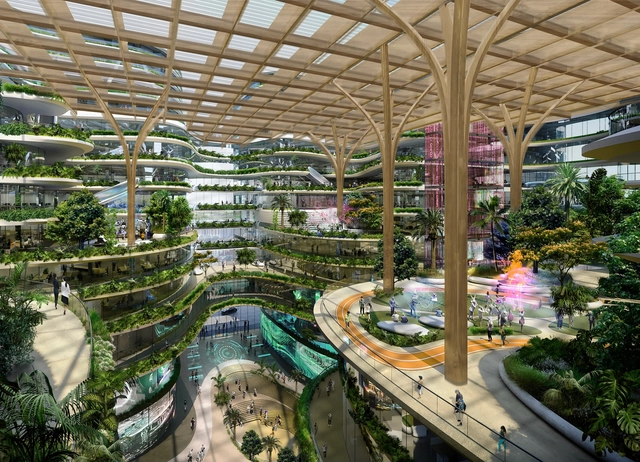
Following a competition, Zaha Hadid Architects (ZHA), in collaboration with JLand Group Sdn Bhd (JLG), have been chosen to design Discovery City in Johor, Malaysia. The disctrict is expected to be to be a visionary 582-acre mixed-use precinct within the expansive Ibrahim Technoloplis in Johor. As ZHA’s inaugural project in Malaysia, Discovery City aims to boast a blend of innovative design and sustainability, blending with the region’s landscapes.
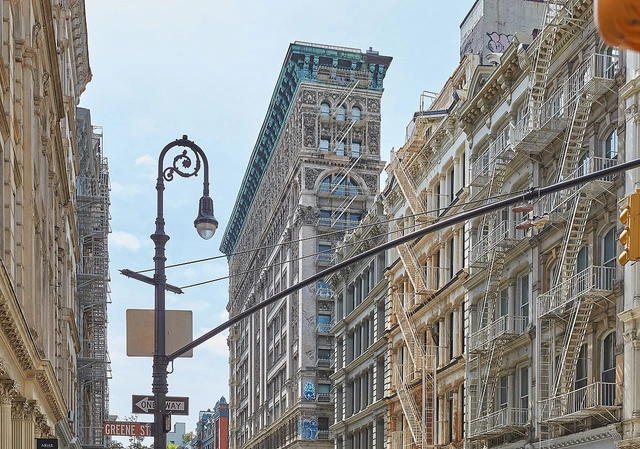
Cities, like people, are dynamic and constantly evolving to keep pace with and adapt to the social, economic, and environmental changes of their time. Similarly, the vision of how the ideal city should be planned has been influenced by each era’s realities and prevailing thoughts.
Industrialization, the increasing migration of people from rural to urban areas, population growth, the development of new materials and construction technologies, the dominance of automobiles as a means of transportation, and, more recently, the search for alternative ways of occupying and moving through cities have all impacted urban planning theories throughout history. These influences have shaped the structure of modern cities—with their successes and challenges.
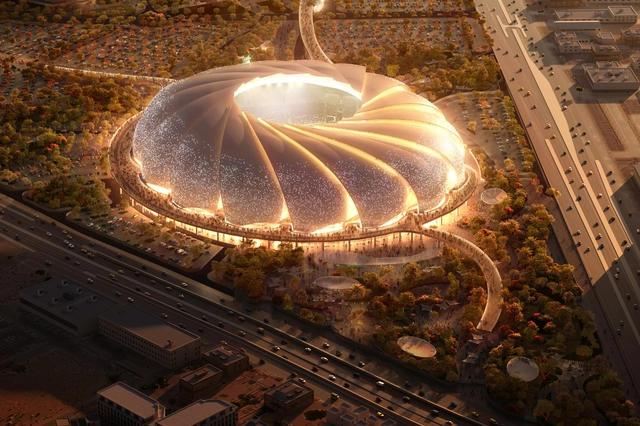
Sports-focused architecture office Populous has been confirmed as the lead designer of the Aramco Stadium, one of the main locations scheduled to host the upcoming 2027 AFC Asian Cup and the 2034 FIFA World Cup. The office has also been commissioned with the design of the surrounding master plan in Al Khobar, Saudi Arabia. The new 47,000-seat venue will be compliant with international standards for premier football competitions, aiming to establish Al Khobar as an international sporting destination.
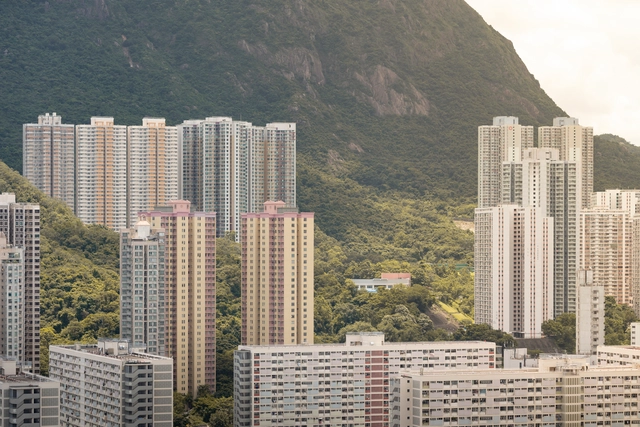
Naturally, a higher population density prevents the formation of ghost towns and vacant shops, which can become hotbeds for crime. However, these positive views on dense living environments often rest on optimistic assumptions about urbanism, such as minimal friction among individuals, easily maintained hygiene and a natural formation of diversity.
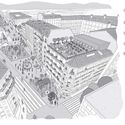
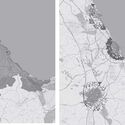
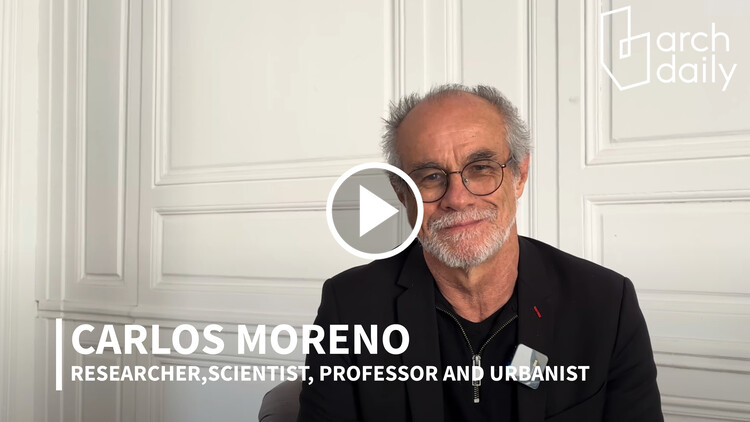
The 15-minute city has become an internationally recognized concept advocating for a people-centric urban model where residents should be able to meet most of their daily needs within a 15-minute walk or bike ride from their homes. The concept was introduced by Professor Carlos Moreno in 2015 following the COP21 conference in Paris, which concluded with the signing of the Paris Agreement. The idea proposes a practical and adaptable framework for introducing low-carbon mobility and creating a vibrant local economy to support more social interaction and more sustainable urban environments. Since then, the concept has been recognized with the 2021 Obel Award and has gained a notable recommendation in UN-Habitat's World Cities Report. Now, Professor Moreno is publishing the book titled “The 15-Minute City: A Solution to Saving Our Time and Our Planet” to showcase concrete examples and strategies for achieving better cities. ArchDaily had a chance to sit down with Professor Carlos Moreno to discuss these ideas, offering insight into Moreno’s urban thinking and the impact of this model.
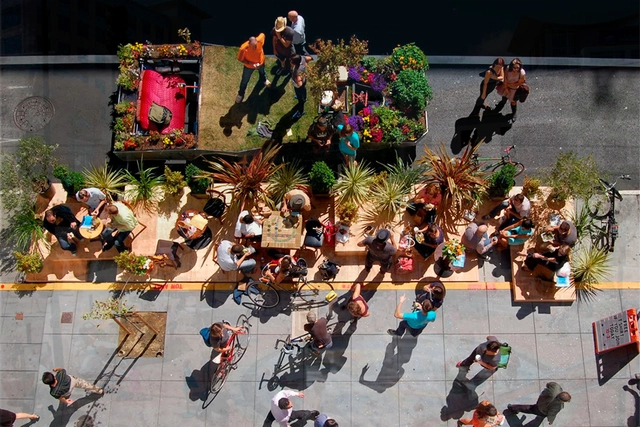
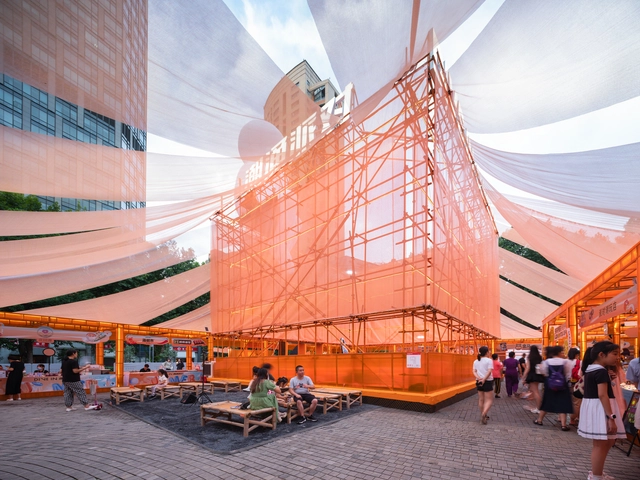
Ephemeral architectures, characterized by their temporary and flexible nature, have emerged as powerful tools for revitalizing urban spaces and fostering architectural creativity. These transient installations transform public areas, engaging communities, and prompting reflections on the potential futures of our cities. By temporarily transforming environments, ephemeral architectures encourage both architects and the public to reimagine the possibilities of urban living. This dynamic interplay, between the temporary and the permanent, challenges traditional architectural practices and opens up new avenues for sustainable and inclusive urban development.
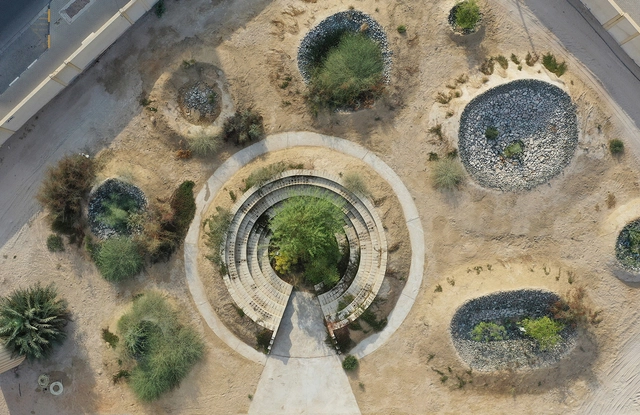
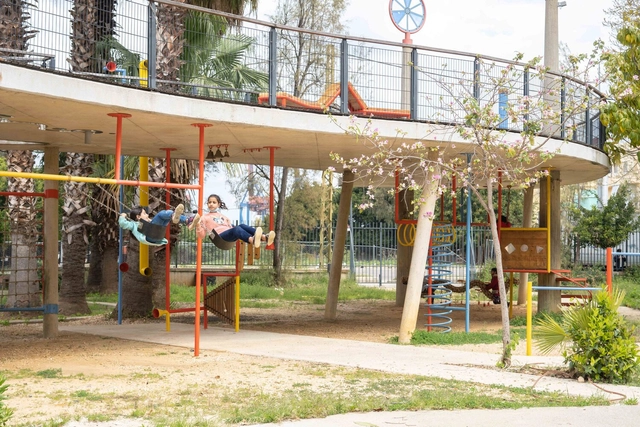
Karantina Public Park 2020-2023. Image Courtesy of CatalyticAction
Public spaces are not always shaped by planning but by the practices they host. Their existence stems from our inherent need for connection with others. As spaces of encounter, these urban, open, and accessible areas reflect how we interact with our surroundings and each other while offering places for exercise, play, socializing, and recreation.
Recognizing that public spaces are more than just physical environments, CatalyticAction is dedicated to fostering a sense of community, safety, and belonging, especially for children, who are among the most vulnerable in society. Their mission is not only to create spaces where children can play and grow but also to empower them, ensuring they have a voice in shaping their surroundings. To learn more about their work, Christele Harrouk, ArchDaily's Editor-in-Chief, spoke with Joana Dabaj, Co-founder and Director of Programmes at CatalyticAction.
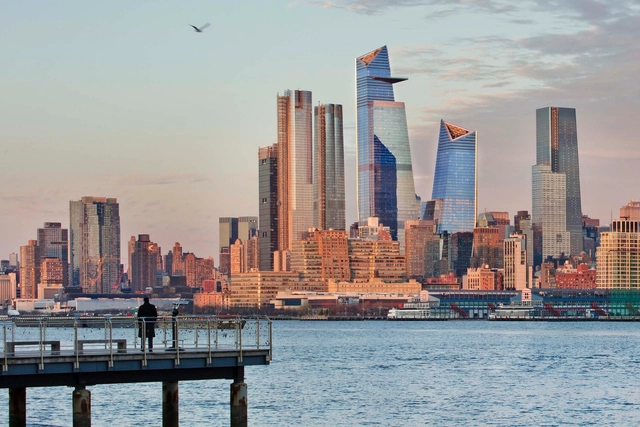
The office building typology emerged from the need to unite thousands of people within a relatively strict working environment. In major cities, these structures clustered into Central Business Districts (CBDs), which became dedicated neighborhoods accommodating commerce and businesses. However, the COVID-19 pandemic disrupted this model, leading to the rise of remote and hybrid work. Now, nearly four years later, occupancy rates in these urban centers remain lower than pre-pandemic levels, signaling a long-term shift in the work environment. To address this challenge, developers have been increasingly looking into “repositioning” their projects, seeking to redefine their image by adapting them to contemporary demands. This typology considers the surrounding urban fabric, aiming to expand the building’s use beyond its original purpose and attract people back to the CBDs.
In November of 2022, the coastal city of Sharm El Sheikh, Egypt, hosted the 27th convention of the United Nations Conference of the Parties, known as COP27. Since signing the Paris Agreement in 2015, the nearly annual conference has gained momentum as a global leader in sharing knowledge and developing frameworks to mitigate climate change worldwide. While the more recent COP28, held in Dubai in 2023, focused on conversations of energy production, this previous conference focused on urban contexts, as they deal with the urgent need for incorporating loss, damage, and climate reparations into climate action plans. As two years have now passed since COP27, it is important to revisit these discussions and hold governing bodies accountable for the promises made and the benchmarks set for climate change mitigation. One of the most ambitious plans from COP27 highlights an urgent debate in our urban environments: how will we define loss, damage, and climate reparations in the twenty-first century?