1. ArchDaily
  2. beijing

beijing: The Latest Architecture and News

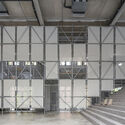
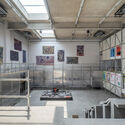
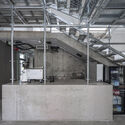
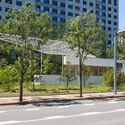
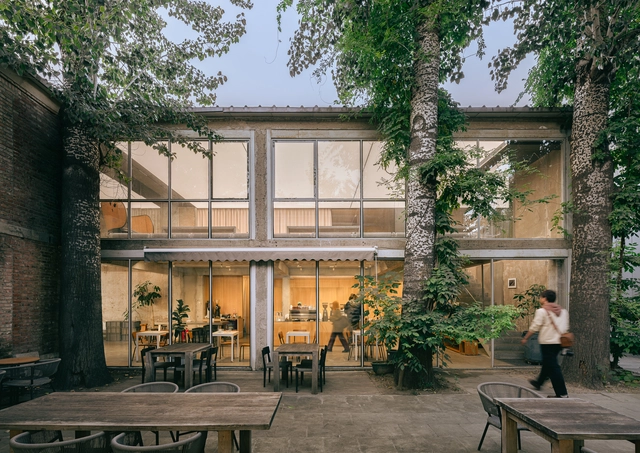
The Community on 3rd Ceramics Street / atelier suasua

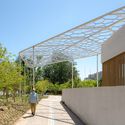
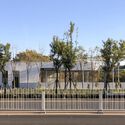
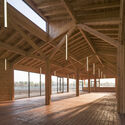
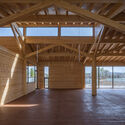
The Community on 3rd Ceramics Street / atelier suasua - Exterior Photography, Coffee Shop InteriorsThe Community on 3rd Ceramics Street / atelier suasua - Exterior Photography, Coffee Shop InteriorsThe Community on 3rd Ceramics Street / atelier suasua - Interior Photography, Coffee Shop Interiors, Beam, LightingThe Community on 3rd Ceramics Street / atelier suasua - Interior Photography, Coffee Shop InteriorsThe Community on 3rd Ceramics Street / atelier suasua - More Images+ 21

  • Architects: atelier suasua
  • Area Area of this architecture project Area:  678
  • Year Completion year of this architecture project Year:  2023

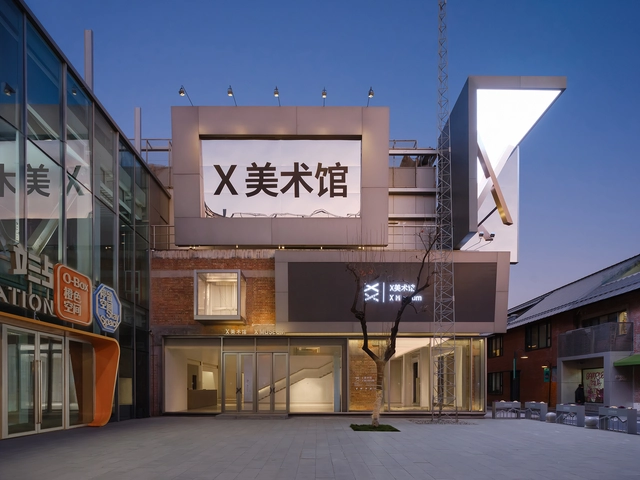
X Museum / Studio NOR

X Museum / Studio NOR - Exterior Photography, Museum, FacadeX Museum / Studio NOR - MuseumX Museum / Studio NOR - MuseumX Museum / Studio NOR - Exterior Photography, MuseumX Museum / Studio NOR - More Images+ 32

Beijing, China
  • Architects: Studio NOR
  • Area Area of this architecture project Area:  3000
  • Year Completion year of this architecture project Year:  2023

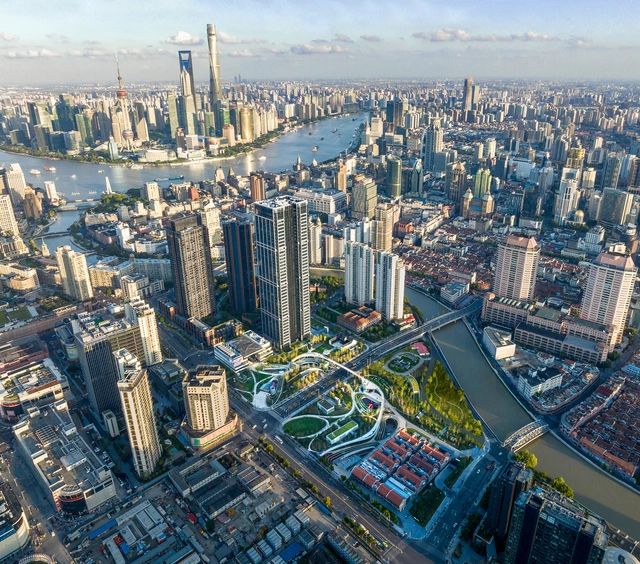
Beijing Architecture City Guide: 28 Projects to Understand Contemporary Architecture in a 3,000-Year-Old City

Subscriber Access | 

Beijing, as the cultural and political center of China, embodies a rich architectural language that bridges history and modernity, tradition and innovation, showcasing the city's profound depth and diversity. From monumental landmarks like CITIC Tower and Daxing International Airport to the hidden courtyard renovations nestled within the city's historic hutongs; from the dramatic revitalization of the Shougang industrial site to the refined transformations of Baiziwan and Baitasi, Beijing's architectural achievements continue to captivate and inspire. Every space tells a unique story of the city, blending heritage with contemporary vibrancy.

In this city, memories are preserved, and vitality thrives. Let us step into Beijing, rediscovering the "new Beijing" within the "old Beijing" through the lens of its architecture, and experience the depth of time and the pulse of the city in its dynamic spaces.
Beijing Architecture City Guide: 28 Projects to Understand Contemporary Architecture in a 3,000-Year-Old City - Image 10 of 4Beijing Architecture City Guide: 28 Projects to Understand Contemporary Architecture in a 3,000-Year-Old City - Image 11 of 4Beijing Architecture City Guide: 28 Projects to Understand Contemporary Architecture in a 3,000-Year-Old City - Image 12 of 4Beijing Architecture City Guide: 28 Projects to Understand Contemporary Architecture in a 3,000-Year-Old City - Image 17 of 4Beijing Architecture City Guide: 28 Projects to Understand Contemporary Architecture in a 3,000-Year-Old City - More Images+ 25

The 25 Tallest Buildings in the World

Subscriber Access | 

Humanity has become obsessed with breaking its limits, creating new records only to break them again and again. In fact, our cities’ skylines have always been defined by those in power during every period in history. At one point churches left their mark, followed by public institutions and in the last few decades, it's commercial skyscrapers that continue to stretch taller and taller. 

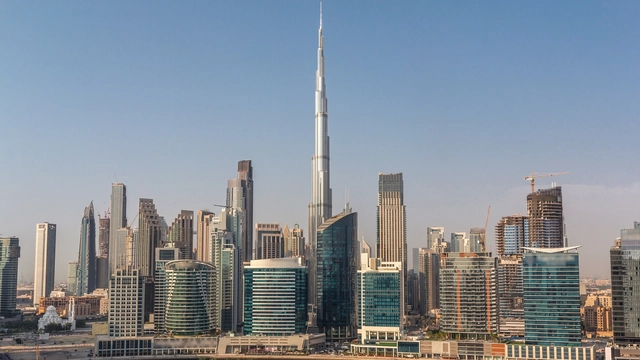
The Council on Tall Buildings and Urban Habitat (CTBUH) has developed its own system for classifying tall buildings, stating that the Burj Khalifa (828 m.) is the world’s tallest building right now. Read on for the 25 tallest buildings in the world today.
The 25 Tallest Buildings in the World - Image 1 of 4The 25 Tallest Buildings in the World - Image 2 of 4The 25 Tallest Buildings in the World - Image 3 of 4The 25 Tallest Buildings in the World - Image 4 of 4The 25 Tallest Buildings in the World - More Images+ 27

Art Galleries Integrated into the Urban Fabric: 12 Projects Bringing Art and Culture to Neighborhoods

Subscriber Access | 

The relationship between art and humanity dates back to the origins of civilization. Museums have become spaces where vast collections of art and artifacts narrate the history of time, humankind, cities, and countless stories about cultures and societies. Over the years, the museum's role has evolved, taking on different forms and scales, including the modern-day art gallery. The importance of art and culture in contemporary cities and neighborhoods is undeniable. However, galleries serve multiple roles in integrating art and culture into daily life. Why are these spaces valuable to communities? How do they support emerging artists? How can galleries revitalize neighborhoods?

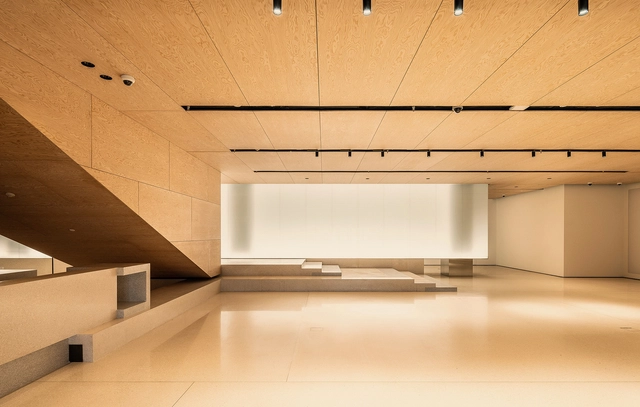
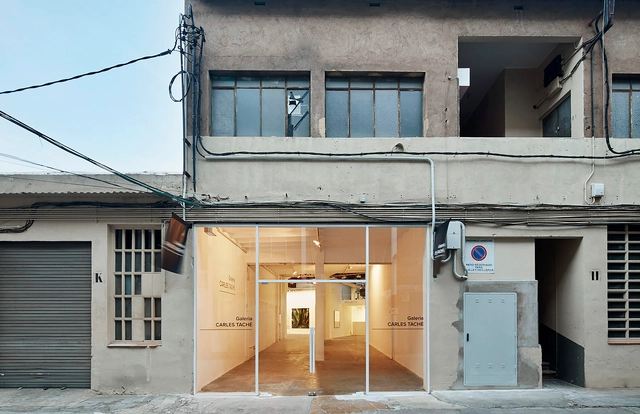
Art Galleries Integrated into the Urban Fabric: 12 Projects Bringing Art and Culture to Neighborhoods - Image 1 of 4Art Galleries Integrated into the Urban Fabric: 12 Projects Bringing Art and Culture to Neighborhoods - Image 2 of 4Art Galleries Integrated into the Urban Fabric: 12 Projects Bringing Art and Culture to Neighborhoods - Image 3 of 4Art Galleries Integrated into the Urban Fabric: 12 Projects Bringing Art and Culture to Neighborhoods - Image 4 of 4Art Galleries Integrated into the Urban Fabric: 12 Projects Bringing Art and Culture to Neighborhoods - More Images+ 38

Long March Cultural Digital Art Museum / China IPPR

Long March Cultural Digital Art Museum / China IPPR - Museum
© Object Lens

Long March Cultural Digital Art Museum / China IPPR - MuseumLong March Cultural Digital Art Museum / China IPPR - MuseumLong March Cultural Digital Art Museum / China IPPR - MuseumLong March Cultural Digital Art Museum / China IPPR - MuseumLong March Cultural Digital Art Museum / China IPPR - More Images+ 25

Gui Yang Shi, China

Art Vessels / OPEN Architecture

Art Vessels / OPEN Architecture - Interior Photography, Cultural Interiors, Door, Facade, ColumnArt Vessels / OPEN Architecture - Cultural InteriorsArt Vessels / OPEN Architecture - Interior Photography, Cultural Interiors, Kitchen, FacadeArt Vessels / OPEN Architecture - Interior Photography, Cultural InteriorsArt Vessels / OPEN Architecture - More Images+ 45

  • Architects: OPEN Architecture
  • Area Area of this architecture project Area:  35000
  • Year Completion year of this architecture project Year:  2022

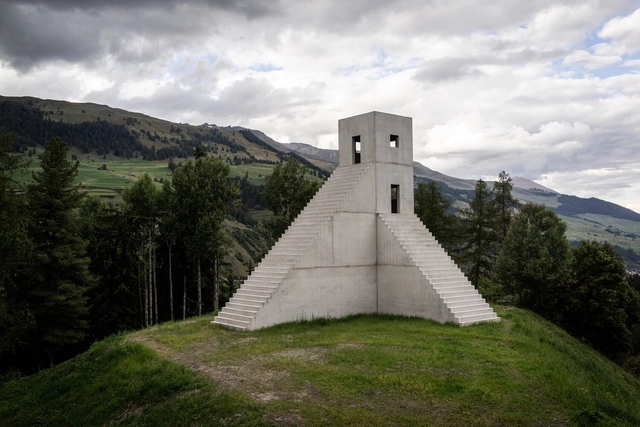
Exploring the Intersection of Architecture and Art: "Not Vital" by Alma Zevi

Alma Zevi has developed a book offering an intimate and definitive account following the career of Swiss sculptor, painter, and architect Not Vital. This comprehensive book delves into Vital's pomading life, seeking and building homes in various cities, from Paris, New York, Beijing, and Rio de Janeiro. The book explores the artist's seminal sculpture practice and architectural projects, featuring a catalog of over 450 sculptures and related works. Drawing on archival material and personal interviews with the artist, Zevi seeks to provide a portrait of his career to date.
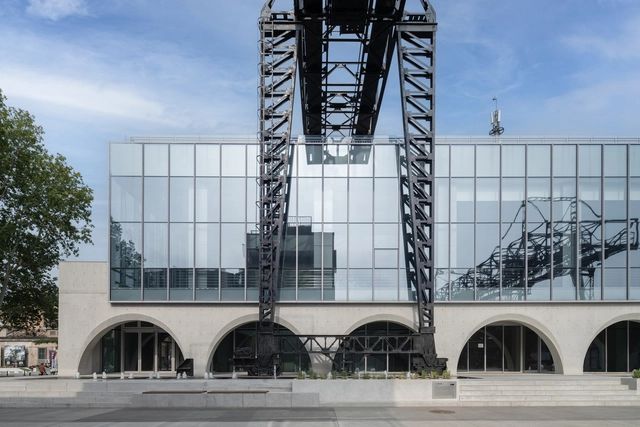
Exploring the Intersection of Architecture and Art: "Not Vital" by Alma Zevi - Image 1 of 4Exploring the Intersection of Architecture and Art: "Not Vital" by Alma Zevi - Image 2 of 4Exploring the Intersection of Architecture and Art: "Not Vital" by Alma Zevi - Image 3 of 4Exploring the Intersection of Architecture and Art: "Not Vital" by Alma Zevi - Image 4 of 4Exploring the Intersection of Architecture and Art: Not Vital by Alma Zevi - More Images+ 7

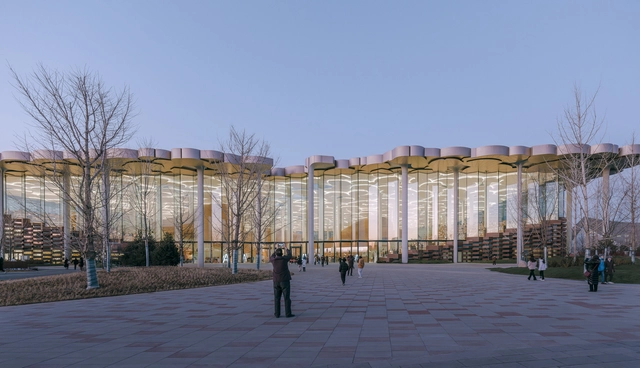
Beijing 751 Library / Do Union Architecture

Beijing 751 Library / Do Union Architecture - Exterior Photography, Library, Facade, ArchBeijing 751 Library / Do Union Architecture - LibraryBeijing 751 Library / Do Union Architecture - Exterior Photography, Library, FacadeBeijing 751 Library / Do Union Architecture - LibraryBeijing 751 Library / Do Union Architecture - More Images+ 23

Beijing , China
  • Area Area of this architecture project Area:  2700
  • Year Completion year of this architecture project Year:  2024
  • Manufacturers Brands with products used in this architecture project
    Manufacturers:  Forster, Hormann

Day and Night Park / CATS

Day and Night Park / CATS - Temporary InstallationsDay and Night Park / CATS - Interior Photography, Temporary Installations, LightingDay and Night Park / CATS - Temporary InstallationsDay and Night Park / CATS - Exterior Photography, Temporary InstallationsDay and Night Park / CATS - More Images+ 13

  • Architects: CATS
  • Area Area of this architecture project Area:  50
  • Year Completion year of this architecture project Year:  2024

“I Let Architecture be Deeply Rooted in a Specific Culture": In Conversation with Zhu Pei

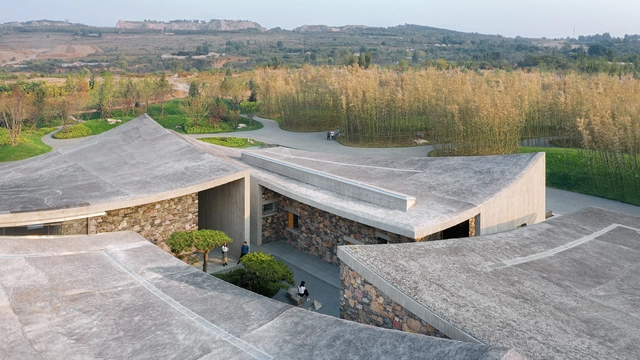
“This is going to be amazing! I feel so excited,” says Zhu Pei about his now under-construction Majiayao Ruins Museum and Observatory in Lintao, Gansu province. The Beijing-based architect designed his building like a deeply embedded cavernous space evoking a giant fragment of ancient pottery, resembling an archaeological site from the Neolithic Age discovered here a century ago. The building is so unusual that it cannot be described in common architectural terms. For example, a vast cast-in-place concrete hyperbolic shell lies prone on the ground, blocking the cold wind from the northwest in winter. The architect used the sand and gravel from the local Tao River to produce a special rough concrete with horizontal scratches on the surface, symbolizing the traces of thousands of years of erosion. All of Zhu’s buildings are quite remarkable. Yet, despite their novelties, they are rooted in culture, nature, and climate. They are designed based on his architectural philosophy, Architecture of Nature, articulated in five fundamental points: incomplete integrity, sponge architecture, cave and nest, sitting posture, and structure and form.
“I Let Architecture be Deeply Rooted in a Specific Culture": In Conversation with Zhu Pei - 1 的图像 4“I Let Architecture be Deeply Rooted in a Specific Culture": In Conversation with Zhu Pei - 2 的图像 4“I Let Architecture be Deeply Rooted in a Specific Culture": In Conversation with Zhu Pei - 3 的图像 4“I Let Architecture be Deeply Rooted in a Specific Culture": In Conversation with Zhu Pei - 4 的图像 4“I Let Architecture be Deeply Rooted in a Specific Culture: In Conversation with Zhu Pei - More Images+ 22

Ramp Space / SpaceStation

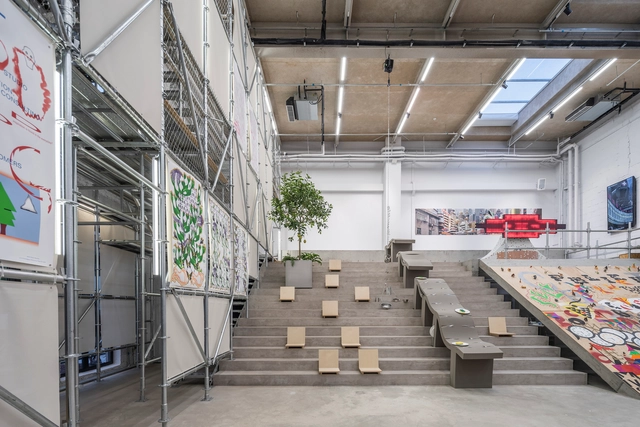
Ramp Space / SpaceStation - Exhibition CenterRamp Space / SpaceStation - Exhibition CenterRamp Space / SpaceStation - Exhibition CenterRamp Space / SpaceStation - Exhibition CenterRamp Space / SpaceStation - More Images+ 18

Beijing,China, China
  • Architects: SpaceStation
  • Area Area of this architecture project Area:  367
  • Year Completion year of this architecture project Year:  2024
  • Manufacturers Brands with products used in this architecture project
    Manufacturers:  Shaoxing Wandao Textile Co.

Four Public Pavilions / Aurelien Chen + CSCEC

Four Public Pavilions / Aurelien Chen + CSCEC - Exterior Photography, Pavilion, FacadeFour Public Pavilions / Aurelien Chen + CSCEC - Exterior Photography, Pavilion, FacadeFour Public Pavilions / Aurelien Chen + CSCEC - Interior Photography, Pavilion, Table, ChairFour Public Pavilions / Aurelien Chen + CSCEC - PavilionFour Public Pavilions / Aurelien Chen + CSCEC - More Images+ 33

IBG “H” Kindergarten / HIBINOSEKKEI + Youji no Shiro

IBG “H” Kindergarten / HIBINOSEKKEI + Youji no Shiro - KindergartenIBG “H” Kindergarten / HIBINOSEKKEI + Youji no Shiro - KindergartenIBG “H” Kindergarten / HIBINOSEKKEI + Youji no Shiro - KindergartenIBG “H” Kindergarten / HIBINOSEKKEI + Youji no Shiro - KindergartenIBG “H” Kindergarten / HIBINOSEKKEI + Youji no Shiro - More Images+ 21

Beijing, China
  • Area Area of this architecture project Area:  811
  • Year Completion year of this architecture project Year:  2023
  • Manufacturers Brands with products used in this architecture project
    Manufacturers:  Daiken, Elkay, Nets Tribe

The 2024 Largest Cities in the World by Population

More than half of the world's population resides in urban areas, with over 4 billion people depending on cities as their main environment. According to the United Nationslatest report on populations in cities, this number is expected to continue to increase over the next 50 years, prompting cities worldwide to strive to find better ways to accommodate their growing population while transitioning to more sustainable urban practices. To highlight this responsibility, the United Nations has declared July 11th the World Population Day.

Under this year’s theme, “To Leave No One Behind, Count Everyone,” the UN aims to also draw attention to the importance of data collection for reflecting societal diversity. The growth of world cities is part of this equation as an important measure for understanding global population trends. The following list presents the top 20 cities worldwide in 2024, ranked by the population size of their metropolitan areas. Comparing the results to the previous editions, the only cities to reduce their size are the two cities from Japan, Tokyo and Osaka. The highest growth rates can be observed in African mega-cities, Kinshasa and Lagos, while China continues to be the most present country in the list, with 5 metropolises present in the top 20: Shanghai, Beijing, Chongqing, Tianjin, and Guangzhou.
The 2024 Largest Cities in the World by Population - Image 1 of 4The 2024 Largest Cities in the World by Population - Image 2 of 4The 2024 Largest Cities in the World by Population - Image 3 of 4The 2024 Largest Cities in the World by Population - Image 4 of 4The 2024 Largest Cities in the World by Population - More Images+ 17

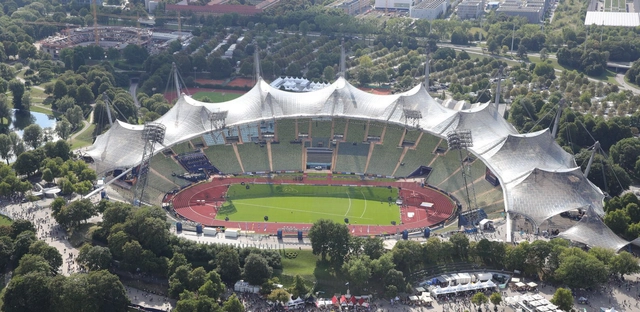
From White Elephants to Sustainable Venues: The Evolving Story of Olympic Architecture

Subscriber Access | 

For cities, hosting an Olympic event represents both an honor, an important opportunity for growth, and a significant challenge. With over 200 nations taking part in the Games, the Olympics are the largest sporting competition in the world. Adapting the public and sporting infrastructure to accommodate this sudden influx of people and the scale of these events runs the risk of misunderstanding the cities’ needs after the closing ceremony, often producing “white elephants” that struggle to adapt to the rhythm and necessities of everyday urban life. Urban transformations are often cited as an advantage of hosting the Olympic Games, as cities are incentivized to invest in their traffic infrastructure, housing, and public spaces. One such example is the city of Paris, which introduced its first metro line on the occasion of hosting the second edition of the Olympic Games in 1900.

When it comes to the venues, however, the issue of adaptive reuse becomes a pressing one, as the architecture is challenged to find solutions to transform, accommodating thousands of people during the Olympics, then scaling down to become a financially sustainable part of a city’s sporting offering. Across the world, several Olympic venues have managed to extend their usability after the closing of the games, opening themselves to the local communities and welcoming a more diverse programming of sports and leisure events. While the high construction costs are often difficult to justify, these venues have become markers of local identity and attractive tourist attractions, extending their use decades after welcoming the Olympic crowds.
From White Elephants to Sustainable Venues: The Evolving Story of Olympic Architecture - Image 1 of 4From White Elephants to Sustainable Venues: The Evolving Story of Olympic Architecture - Image 2 of 4From White Elephants to Sustainable Venues: The Evolving Story of Olympic Architecture - Image 3 of 4From White Elephants to Sustainable Venues: The Evolving Story of Olympic Architecture - Image 4 of 4From White Elephants to Sustainable Venues: The Evolving Story of Olympic Architecture - More Images+ 16

ZGC International Innovation Center / MAD Architects

ZGC International Innovation Center / MAD Architects - Office BuildingsZGC International Innovation Center / MAD Architects - Exterior Photography, Office Buildings, FacadeZGC International Innovation Center / MAD Architects - Exterior Photography, Office BuildingsZGC International Innovation Center / MAD Architects - Office BuildingsZGC International Innovation Center / MAD Architects - More Images+ 24

  • Architects: MAD Architects
  • Area Area of this architecture project Area:  64998
  • Year Completion year of this architecture project Year:  2024

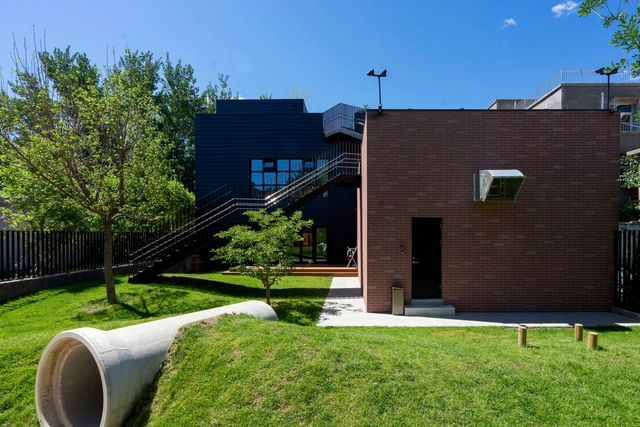
Beijing Shangzhuang Organic Farm Station / hyperSity architects

Beijing Shangzhuang Organic Farm Station / hyperSity architects - Public ArchitectureBeijing Shangzhuang Organic Farm Station / hyperSity architects - Public ArchitectureBeijing Shangzhuang Organic Farm Station / hyperSity architects - Public ArchitectureBeijing Shangzhuang Organic Farm Station / hyperSity architects - Public ArchitectureBeijing Shangzhuang Organic Farm Station / hyperSity architects - More Images+ 25

  • Area Area of this architecture project Area:  400
  • Year Completion year of this architecture project Year:  2022