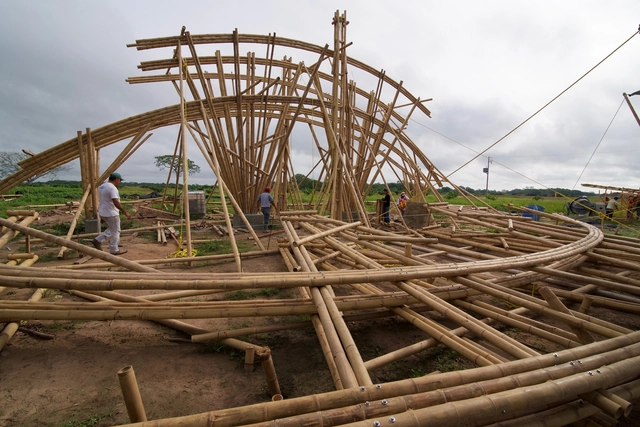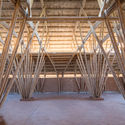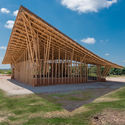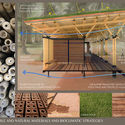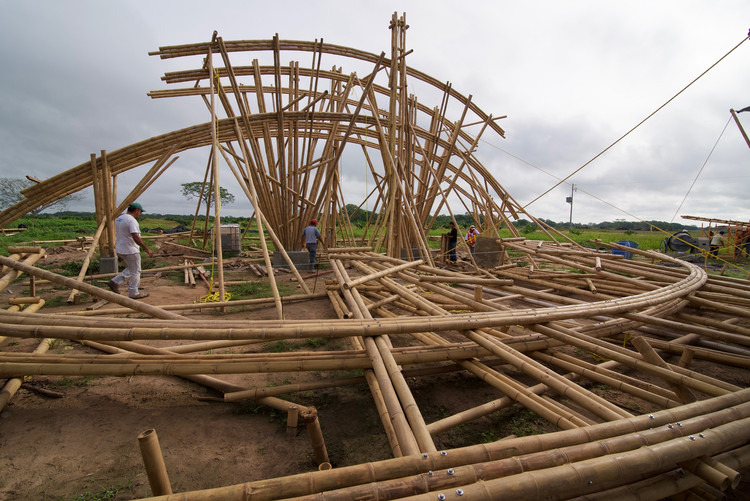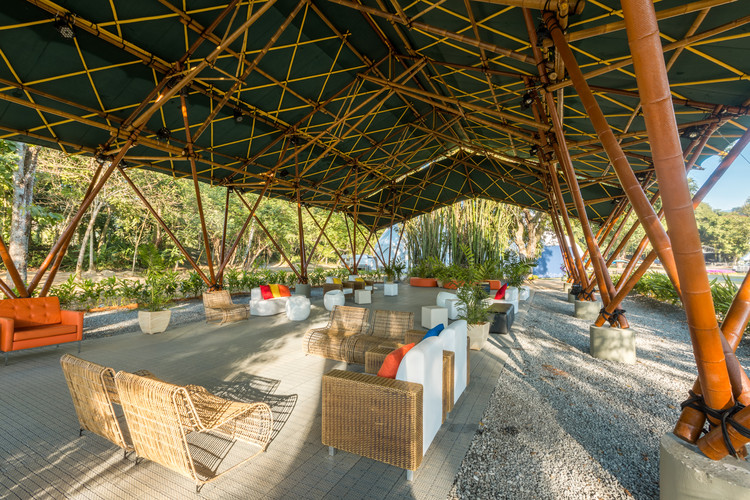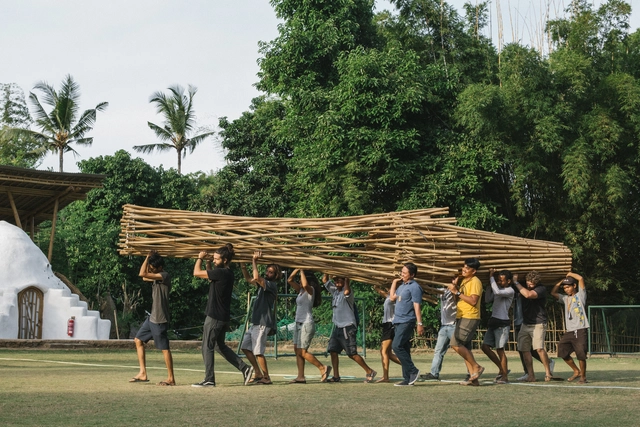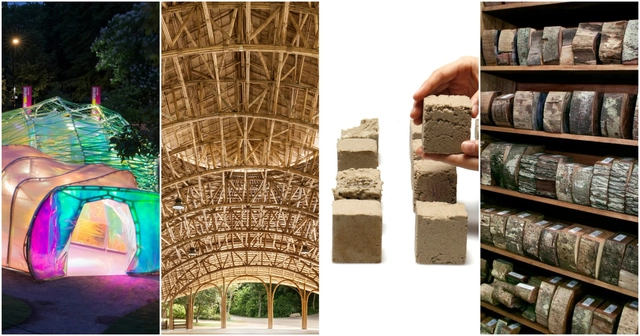
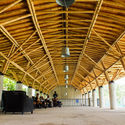
Tradition and innovation. Those are the two pillars within which Bamboo U's workshop’s creative pendulum strives to swing. Following the practice of ancient Mongolian yurts, participants of Bamboo U, a build and design course in Bali, have created a bamboo yurt which can fold like an umbrella and can be deployed in an instant. Under the guidance of the German master-builder Jörg Stamm, students built the first retractable yurt prototype in Bali during Bamboo U’s last edition in April.
https://www.archdaily.com/897908/a-bamboo-yurt-you-can-fold-and-moveJules de Laage
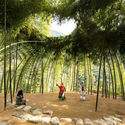
Bridging the gap between the old and the new is never easy. Traditional building methods, where you often adjust to the unpredictability of a natural material, seem to contrast with the mechanical precision of modern construction. Sombra Verde - a bamboo gazebo developed by AIRLAB and Singapore University of Technology and Design (SUTD) as part of Singapore’s Urban Design Festival 2018 - bridges this gap. The traditional raw bamboo poles, used extensively throughout Southeast Asia, are combined with 3D printed connectors, utilizing a series of new technologies. The result is an iconic, lightweight structure in Singapore’s Duxton Plain Park that promotes the use of public space, sheltering the population from both the intense sun and heavy rain.
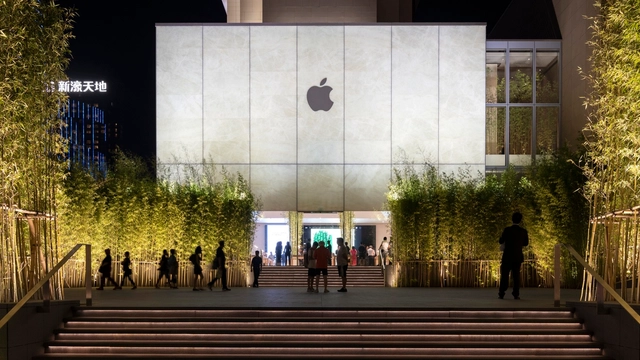
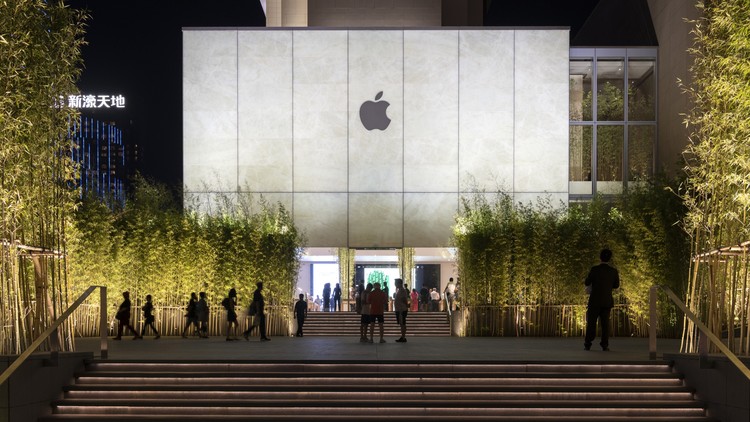
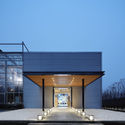
Apple Store, Sands Cotai Central, Macau - exterior at night with the cube illuminated and bamboo planting framing the entrance with people. Image Courtesy of Nigel Young, Foster + Partners
Foster + Partners has published photographs of their recently-opened Apple Store in Macau, intended as a “new oasis of calm” against the city’s buzz and excitement. The store, opened on June 29th, was designed in response to a brief calling for “an inviting, contemplative space, where technology, entertainment, and arts come together to make a positive contribution to the city.”
In architecture we are so caught up in creating something new, we often forget about what happens at the end of a building’s life cycle—the unfortunate, inevitable demolition. We may want our buildings to be timeless and live on forever, but the harsh reality is that they do not, so where is all the waste expected to go?
As with most non-recyclable waste, it ends up in the landfill and, as the land required for landfill becomes an increasingly scarce resource, we must find an alternative solution. Each year in the UK alone, 70–105 million tonnes of waste is created from demolishing buildings, and only 20% of that is biodegradable according to a study by Cardiff University. With clever design and a better awareness of the biodegradable materials available in construction, it’s up to us as architects to make the right decisions for the entirety of a building’s lifetime.
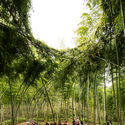
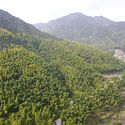
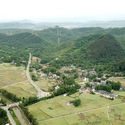
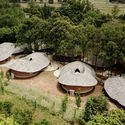
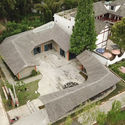
Travel seven hours by car in a Southwest direction from Shanghai and you will arrive in Songyang County. The name is unfamiliar to many Chinese people, and even more foreign to those living abroad. The county consists of about 400 villages, from Shicang to Damushan.
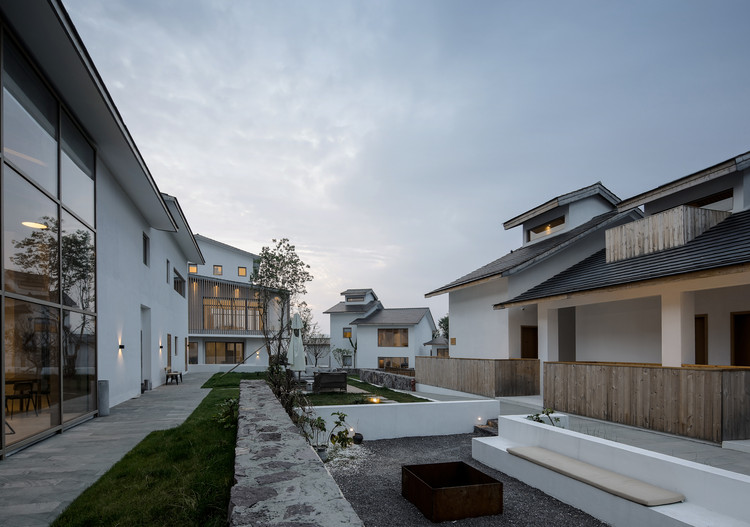
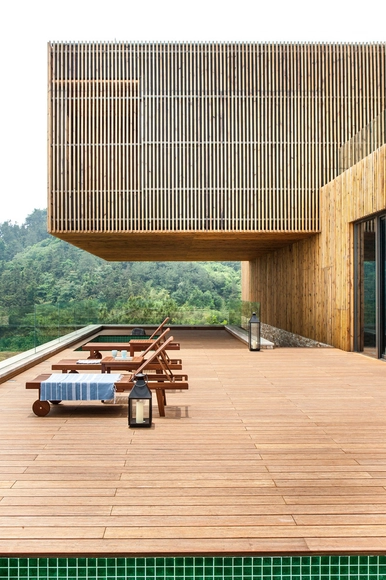
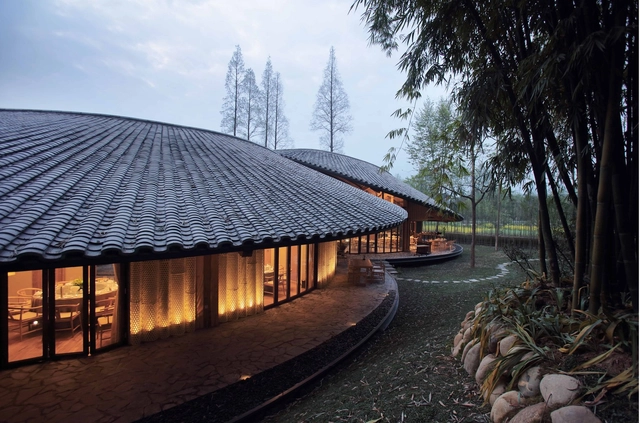
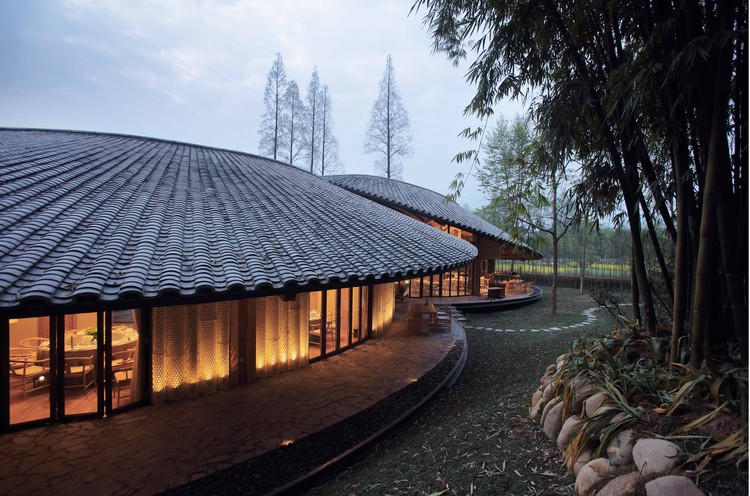
Here, undulating lush green terraces hug the sides of Songyin river valley, itself the one serpentine movement uniting the lands. Follow the river and you will see: here, a Brown Sugar Factory; there, a Bamboo Theatre; and on the other side, a stone Hakka Museum built recently but laid by methods so old, even the town masons had to learn these ways for the first time, as if they were modern methods, as if they were revolutionary.
And maybe they are. Songyang County, otherwise known as the “Last Hidden Land in Jiangnan,” may look like a traditional Chinese painting with craggy rock faces, rice fields and tea plantations, but it has also become a model example of rural renaissance. Beijing architect Xu Tiantian, of the firm DnA_Design and Architecture, has spent years surveying the villages of Songyang, talking to local County officials and residents, and coming up with what she calls “architectural acupunctures.”
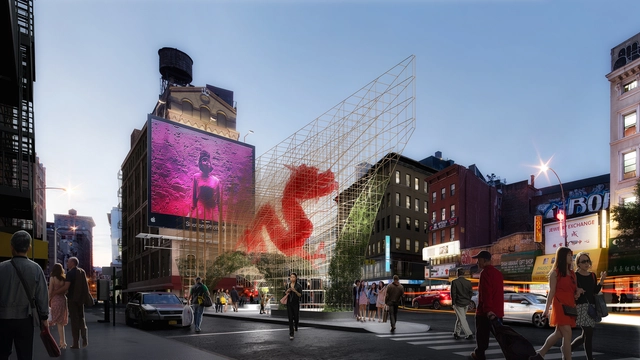
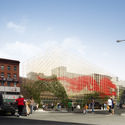
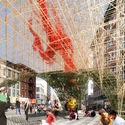
ODA New York has released images of its proposed “Dragon Gate” pavilion for New York’sChinatown, seeking to act as a symbolic gateway to the famous Manhattan neighborhood. Using modern materials and forms to invoke symbols of traditional Chinese culture, the scheme seeks to capture Chinatown’s remarkable duality: a community of tradition resistant to change, yet one regarded as a uniquely contemporary phenomenon showcasing New York’s inclusive diversity.
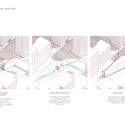
Situated on a triangular traffic island at the intersection of Canal, Baxter, and Walker Streets, ODA’s scheme seeks to activate a currently-underused pedestrian space. The Dragon Gate consists of a triangular form adhering to a three-dimensional, gridded structure formed from interwoven, tubular, bronze steel inspired by bamboo scaffolding. As the structure densifies, selected pieces will be painted red to create the illusion of a dragon in mid-flight.
https://www.archdaily.com/891930/oda-unveils-images-of-bamboo-inspired-dragon-gate-for-new-yorks-chinatownNiall Patrick Walsh
The use of bamboo in construction is not yet widespread. This is the reason why Eleena Jamil proposes the use of this sustainable material in different configurations, resulting in a resistant, light and permeable structure.
The project, an urban pavilion in Malaysia built mainly with circular bamboo rings, explores the different possibilities of the linear material with a variety of measurements and links of joinery and strings.
https://www.archdaily.com/889273/permeable-bamboo-walls-for-an-urban-pavilion-in-malaysiaAD Editorial Team