1. ArchDaily
  2. Arts & Culture

Arts & Culture: The Latest Architecture and News

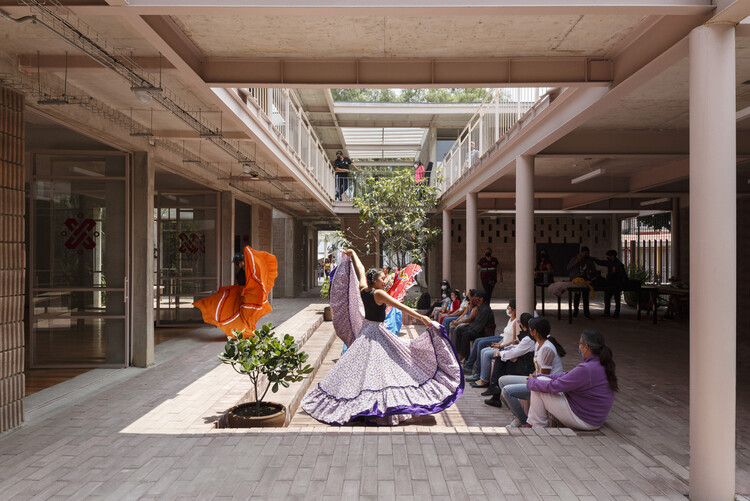
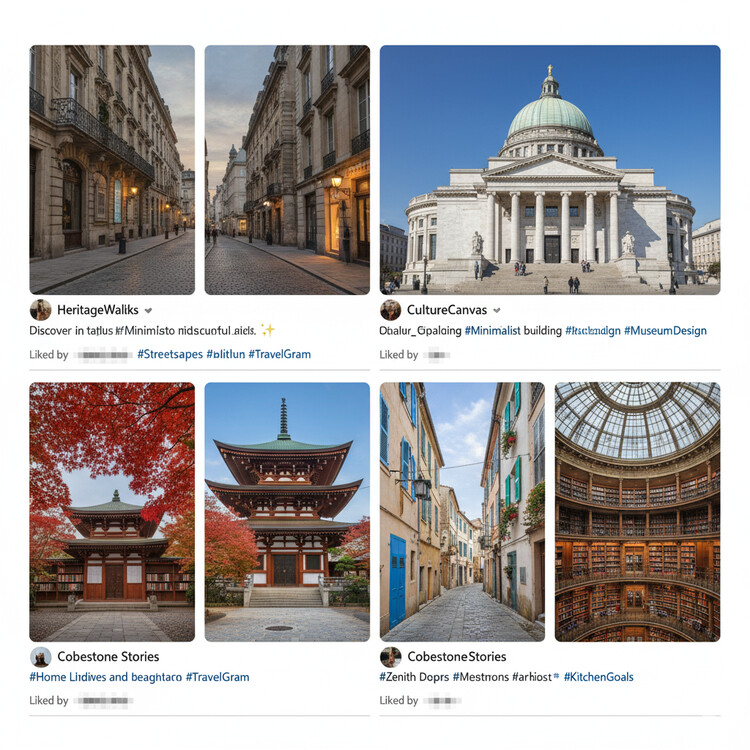
Architectural Rebuilding as Cultural Memory: The Paradox of Ever-Fresh Heritage

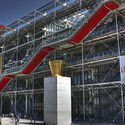
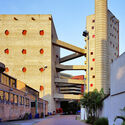
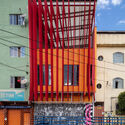
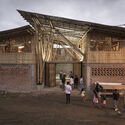
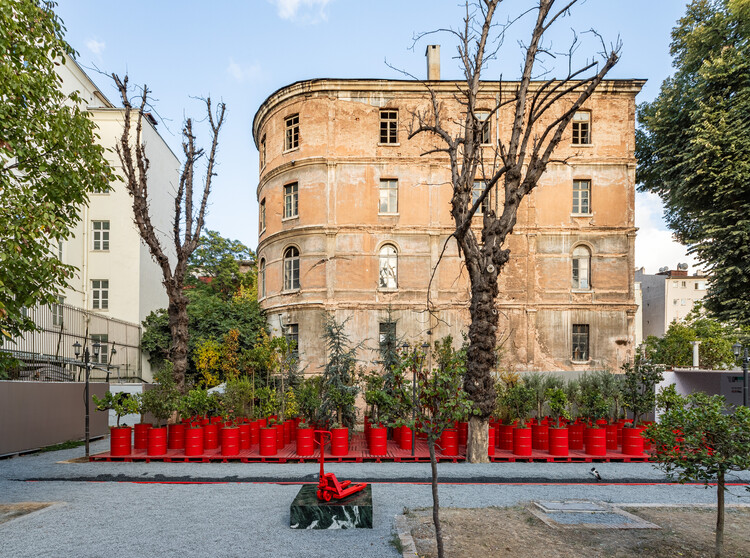
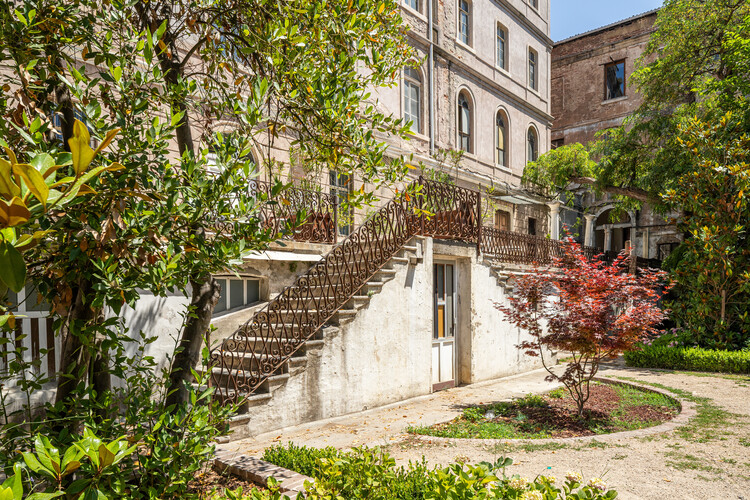
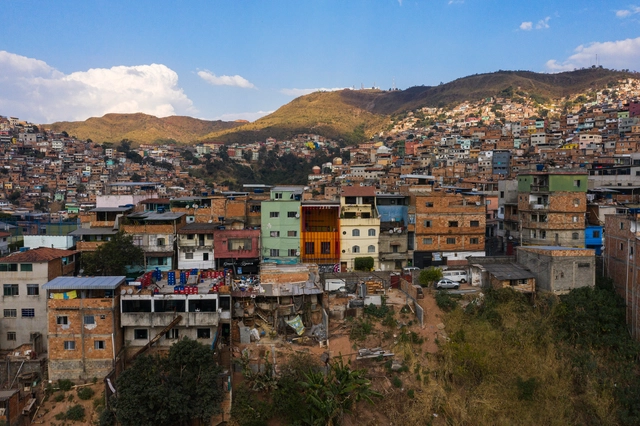
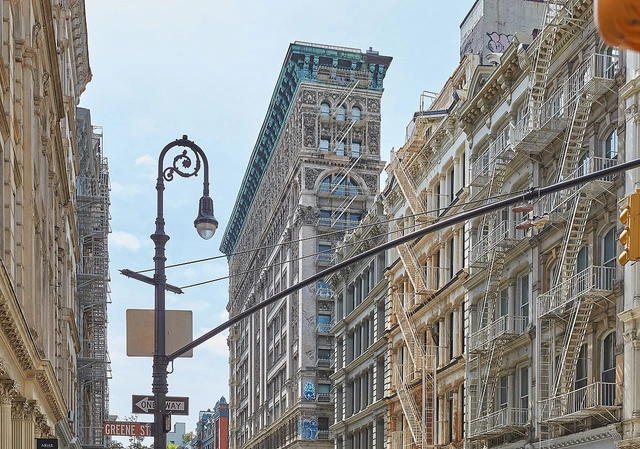
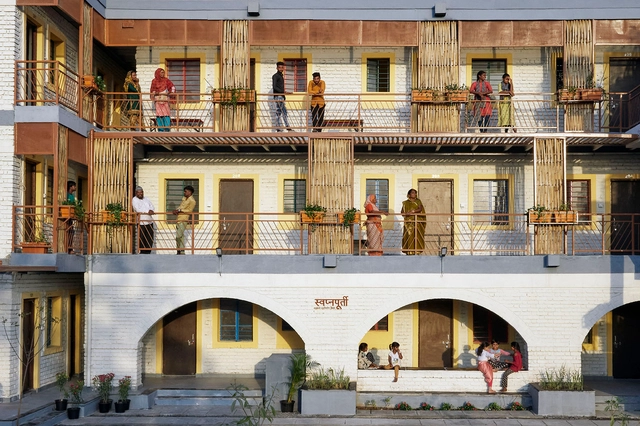
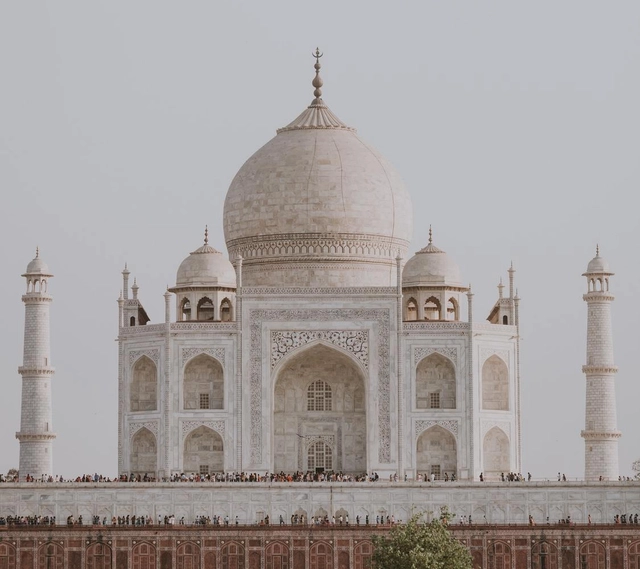
Architecture—one of the few cultural artifacts made to be publicly lived with, preserved, and often capable of standing for centuries—contributes significantly to the cultural identity of places and people. Historically, buildings have expressed institutional attitudes, influence, and power; they are clear demonstrations of culture. Yet longevity complicates preservation: when a structure is rebuilt, repaired, or entirely reassembled, in what sense is it still the same building?

There's the classic Ship of Theseus puzzle from Plutarch. if a ship's planks are replaced one by one over time, is it still the same ship? Thomas Hobbes adds a twist—if the original planks are reassembled elsewhere, which ship is "the original"? The paradox tests what grounds identity: material fabric, continuous use and history, or shared recognition. In architecture and conservation, it reframes preservation as a choice among keeping matter, maintaining form and function, or sustaining the stories and practices that give a place meaning.

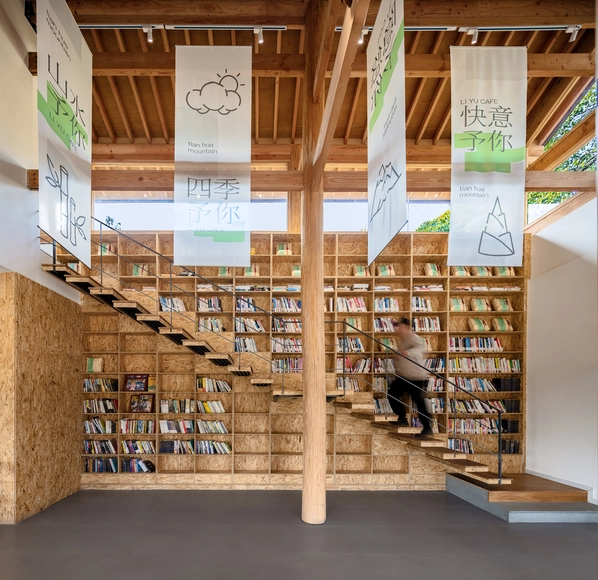
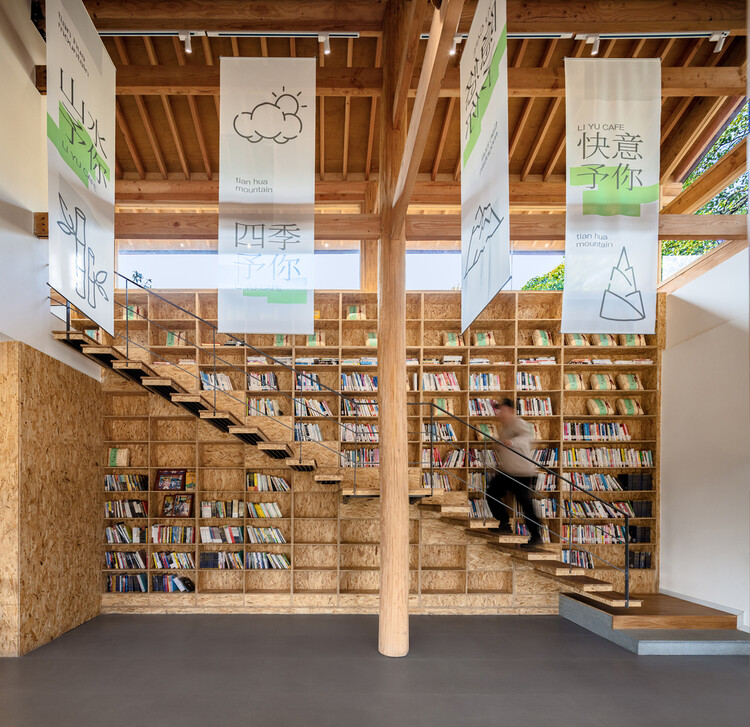
Architectural Rebuilding as Cultural Memory: The Paradox of Ever-Fresh Heritage - Imagen 1 de 4Architectural Rebuilding as Cultural Memory: The Paradox of Ever-Fresh Heritage - Imagen 2 de 4Architectural Rebuilding as Cultural Memory: The Paradox of Ever-Fresh Heritage - Imagen 3 de 4Architectural Rebuilding as Cultural Memory: The Paradox of Ever-Fresh Heritage - Imagen 4 de 4Architectural Rebuilding as Cultural Memory: The Paradox of Ever-Fresh Heritage - More Images+ 17

First Chapter of the 18th Istanbul Biennial Opens, Exploring Self-Preservation and Futurity

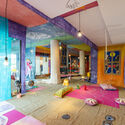
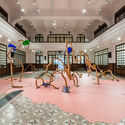
The 18th Istanbul Biennial, organized by the Istanbul Foundation for Culture and Arts (İKSV), has opened its first phase to visitors and will remain on view until November 23, 2025. Curated by Christine Tohmé under the title "The Three-Legged Cat," the biennial is envisioned as a three-year process unfolding between 2025 and 2027. The second phase, scheduled for 2026, will focus on establishing an academy and collaborating with local initiatives through a series of public programs. The third and final chapter in 2027 will bring together the accumulated encounters through exhibitions and workshops.

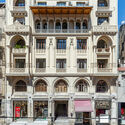
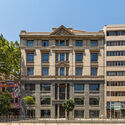
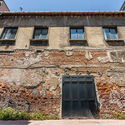
First Chapter of the 18th Istanbul Biennial Opens, Exploring Self-Preservation and Futurity - Imagen 1 de 4First Chapter of the 18th Istanbul Biennial Opens, Exploring Self-Preservation and Futurity - Imagen 2 de 4First Chapter of the 18th Istanbul Biennial Opens, Exploring Self-Preservation and Futurity - Imagen 3 de 4First Chapter of the 18th Istanbul Biennial Opens, Exploring Self-Preservation and Futurity - Imagen 4 de 4First Chapter of the 18th Istanbul Biennial Opens, Exploring Self-Preservation and Futurity - More Images+ 8

The 18th Istanbul Biennial Unveils Venues and Artists for Its First Leg

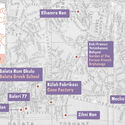
Organized by the Istanbul Foundation for Culture and Arts (İKSV), the 18th Istanbul Biennial will be realized in three stages between 2025 and 2027, continuing to be Türkiye's largest international exhibition dedicated to contemporary art. Curated by Christine Tohmé under the title The Three-Legged Cat, the first leg will be held from September 20 to November 23, 2025. Continuing the Biennial's approach of engaging directly with Istanbul through a dispersed model rather than a fixed venue, this edition will use eight sites located within walking distance along the BeyoğluKaraköy axis. Over this period, works by 47 artists from more than 30 countries will be presented to the public, accompanied by a program of performances, screenings, and live events during the opening week.

The 18th Istanbul Biennial Unveils Venues and Artists for Its First Leg - Imagen 1 de 4The 18th Istanbul Biennial Unveils Venues and Artists for Its First Leg - Imagen 2 de 4The 18th Istanbul Biennial Unveils Venues and Artists for Its First Leg - Imagen 3 de 4The 18th Istanbul Biennial Unveils Venues and Artists for Its First Leg - Imagen 4 de 4The 18th Istanbul Biennial Unveils Venues and Artists for Its First Leg - More Images+ 4

Zaha Hadid Architects Designs River Culture and Art Center in China

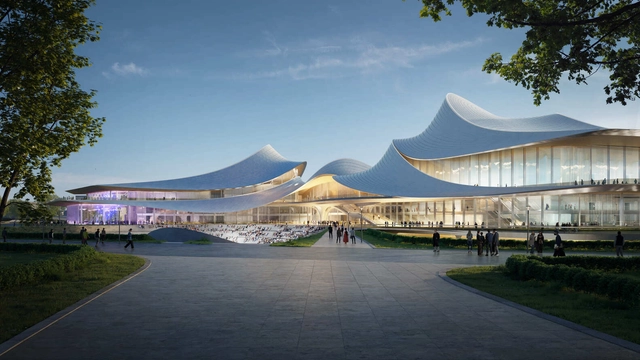
Zaha Hadid Architects has been selected to design the Zhejiang Shaoxing Shangyu District Cao'e River Culture and Art Center, located within a newly planned cultural district in Shaoxing's Shangyu area in Zhejiang province, China. The project is situated along the Cao'e River, a location with historical significance, and is envisioned to serve as a key cultural and artistic space for both the local community and visitors. Its design seeks to integrate contemporary functionality with the architectural and cultural traditions of the region.

Zaha Hadid Architects Designs River Culture and Art Center in China - Featured ImageZaha Hadid Architects Designs River Culture and Art Center in China - Image 1 of 4Zaha Hadid Architects Designs River Culture and Art Center in China - Image 2 of 4Zaha Hadid Architects Designs River Culture and Art Center in China - Image 3 of 4Zaha Hadid Architects Designs River Culture and Art Center in China - More Images+ 7

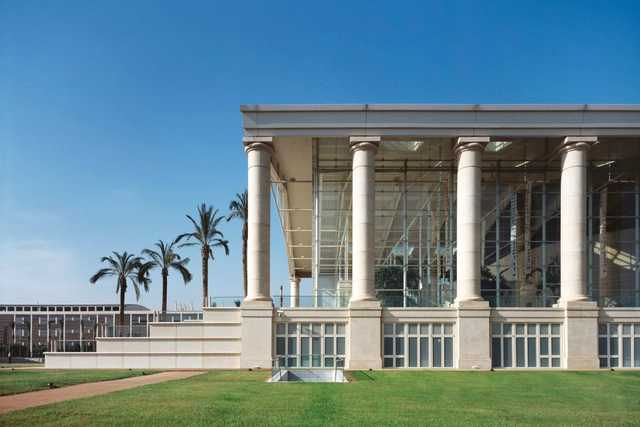
Catalonia’s National Theatre Designed by Ricardo Bofill Celebrates Its 25th Anniversary

Subscriber Access | 

Catalonia's National Theatre, known by the abbreviation TNC, is a public theatre located in the Plaça de les Arts, near Plaça de Glòries, in Barcelona. It is one of the city's most prestigious buildings and one of the most important cultural institutions in Catalonia.

Visit Over 4,500 Museums and Sites Worldwide From Your Desk With Google Arts & Culture

Users now can virtually visit museums all over the world thanks to Google Arts & Culture. The project offers 360 ° views of places that can often be inaccessible due to financial costs or distance.