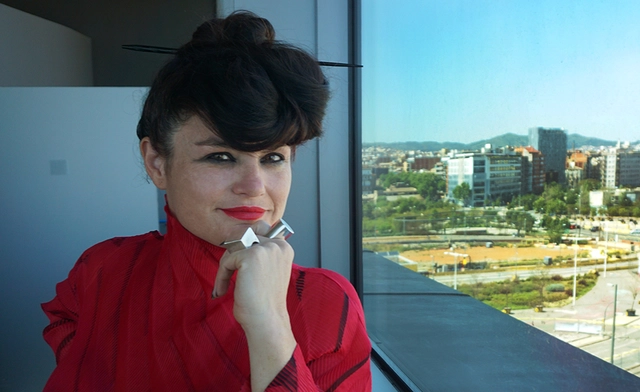
Eva Franch I. Gilabert is one of the three artistic directors of Model. Barcelona Architectures Festival, together with Beth Galí I. Camprubí and José Luis de Vicente. The first edition of a project that has taken the city of Barcelona as a place for experimentation and debate.
From the 5th to the 15th of May, they took the public space and transformed it into both a playground and platform for international voices, local architects, policymakers, politicians and citizens, to engage and discuss what the future of Barcelona and other cities could be.
"Growing up queer means experiencing the destabilizing absence of a broad and accessible queer history, most notably, in our case, in relation to spatial design". This account is what intrigued artist Adam Nathaniel Furman and architectural historian Joshua Mardell to bring together a community of contributors who bring new perspectives to the field of architecture and share stories of spaces that challenge cis-heteronormative morals, sheltering lives that seek to live their own truths. The result of this quest is a book titled Queer Spaces: An Atlas of LGBTQIA+ Places and Stories, which explores stories about distinct social, political, and geographical contexts within the community.
Unions are a trend among college-educated young people, the New York Timesreports. They seek solidarity—collective leverage—to bring about desired changes that are being resisted. While Amazon and Starbucks get the headlines, younger architects are also organizing. Doing so is urged on by The Architecture Lobby, a group that leans Democratic Socialist. The Manhattan-based firm SHoP was a recent, ultimately unsuccessful target of a group of its employees and a sponsoring trade union.
Machine learning and generative design are profoundly shaping modern life. A central critique to the value and advancement of artificial intelligence, especially in the context of architecture, is the ability for a machine to design, as well as the resulting fear that professional services may be limited. As cities continue to develop, new tools emerge to help envision and create the built environment. How can architects embrace generative design to reimagine models of sustainability, inclusive practice, and new aesthetics?
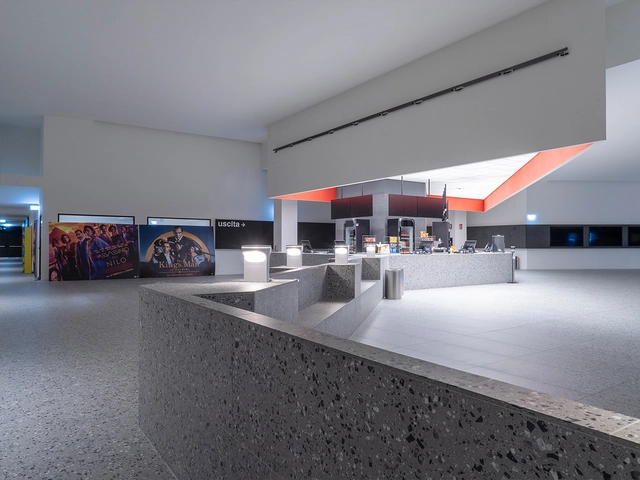
Arcadia Cinema / DW9. Image Courtesy of Iris Ceramica Group
In the context of the pandemic, where several businesses were forced to close temporarily, movie theaters across the world were among the most affected. Fast forward more than two years later, and the lingering effects of COVID-19 are still present, marking a turning point in the traditional cinema experience. But even as attendance is still not close to pre-pandemic levels, certain segments of moviegoers are enjoying the benefits of the giant screen, comfortable seats, massive speaker systems and theater snacks.
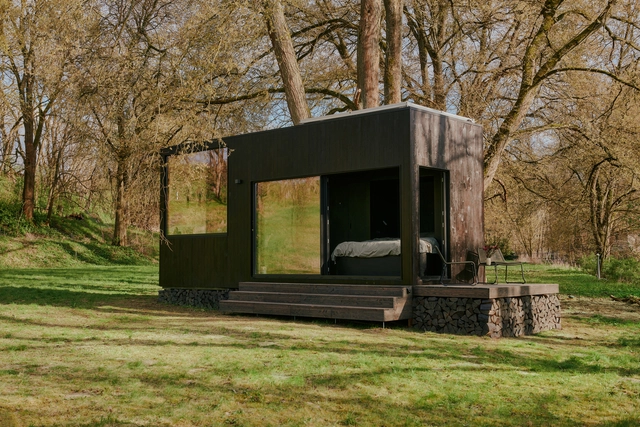
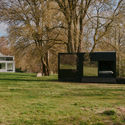
Berlin-based hospitality tech start-up Raus has collaborated with Danish designer and architect Sigurd Larsen to create nature-inspired cabins in the middle of nature. The small retreats are designed with eco-friendly features, offering city dwellers the opportunity to escape the bustling city life, and stay in a chalet that combines art, culture, and nature. The cabin will be temporarily located on the grounds of Wehrmuehle in Biesenthal, Brandenburg, and will soon expand beyond Germany and its borders.
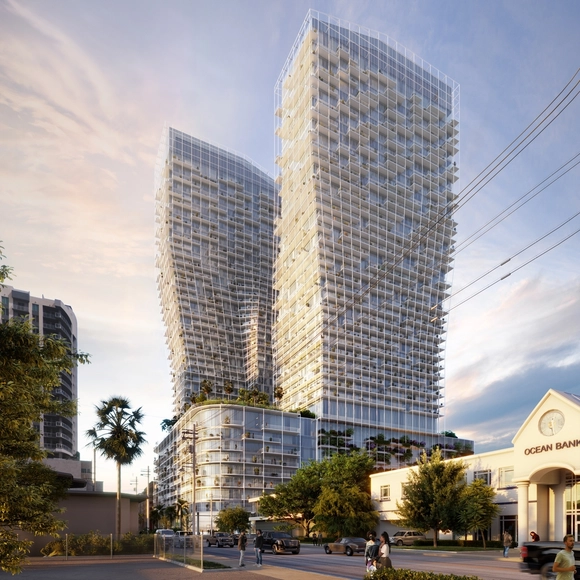
New York-based architecture studio ODA has revealed the design of Ombelle, a duo of residential towers in Fort Lauderdale, Florida. The two 43-story buildings will accommodate 1,100 rental units, completed with amenities and retail spaces. At the base of the building, an urban plaza connects the development to its neighboring area and Flanger Village. The Ombelle complex is ODA's second large-scale residential project in Fort Lauderdale. The first one, the Kushner tower, is located in the same district.
Have you ever heard of neuroarchitecture? What would spaces look like if architects designed buildings based on the emotions, healing and happiness of the user? Hospitals that help with patient recovery, schools that encourage creativity, work environments that make you more focused…
This is neuroarchitecture: designing efficient environments based not only on technical parameters of legislation, ergonomics and environmental comfort, but also on subjective indices such as emotion, happiness and well-being.
As the design world prepares for one of the most anticipated events of the year, Designboom, Architonic, and ArchDaily which make up DAAily platforms have put together for the visitors of Milan Design Week 2022, a unique, storytelling-programmed space, designed by architects and designers for architects and designers. This year, DAAily platforms are taking the opportunity to take to the stage together from 7 to 10 June at the Swiss Corner at Piazza Cavour / Via Palestro 2, hosting curated talk series and gathering spots, along with immersive art installations.
Selected among five invited architects including OMA, Snøhetta, 3XN, and Toyo Ito & Associates., the BIG-designed building for the Basque Culinary Center, is a new food tech hub located in San Sebastian, Spain. TheGastronomy Open Ecosystem (GOe) is in fact a 9,000 m2 project that seeks to push forward the art and science of gastronomic innovation, bringing together food start-ups, researchers, and chefs. Currently in progress, the building will focus on the development of alternative proteins, agricultural robotics, the prevention of food waste, and much more.
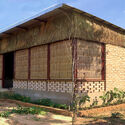
In these fast-paced and constantly evolving times, architecture has been adapting to new building technologies and complexities to serve today’s world needs. Teams of experts from all areas, architecture, engineering, construction, and a long list of professionals, come together to bring these solutions to our built environment. At ArchDaily we have been highlighting these actors in the architecture we curate and publish every day, but we often come across other types of projects, in which we spot different needs, and ways of building in certain places and communities, that equally require a highly qualified team, specific local techniques, and knowledge that are worth sharing.
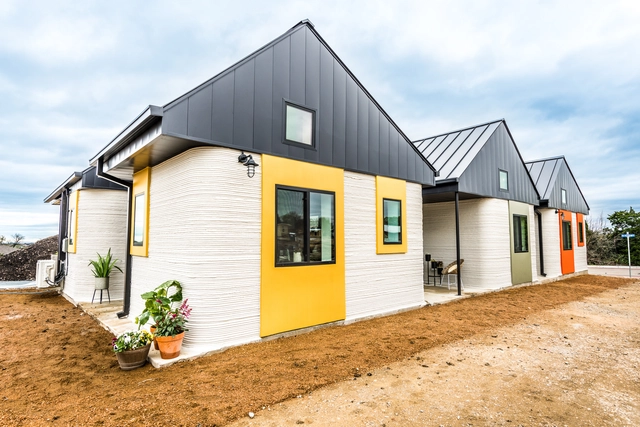
In recent years, the construction industry has faced unprecedented challenges. A lack of skilled workers is driving up costs of labor, there is a global housing shortage, and the effects of climate change around the world are clearer than ever. Therefore, questioning traditional construction methods and pushing the limits of innovation has become a top priority, forcing the industry to implement new technologies as they get on board the digital transformation era. There is one innovation, however, that looks particularly promising: 3D construction printing. Although relatively recent, the technology has already been successfully tested in numerous structures, houses and apartment buildings, reshaping residential construction as we know it. Hence, 3D printing could very well be a viable alternative for more efficient, sustainable and cost-effective mass housing solutions in the near future, positively impacting people’s lives and contributing to greener, healthier cities.
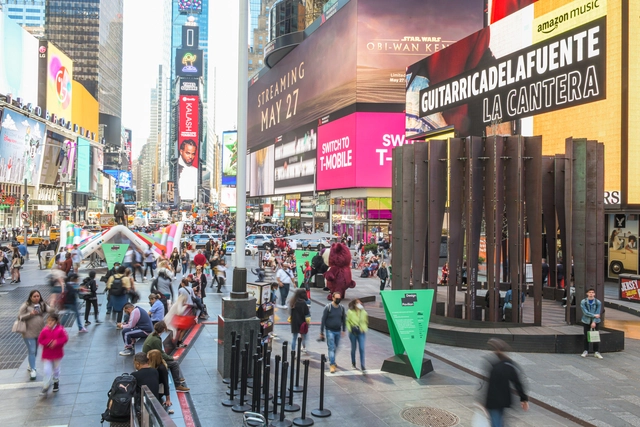
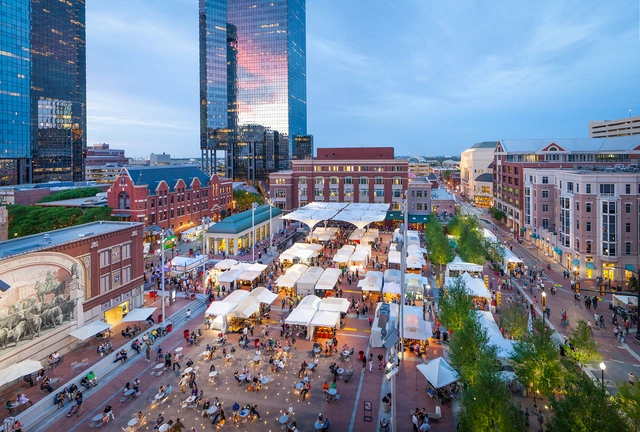
Sundance Square, a new central place for the city of Fort Worth, TX, USA. Image Courtesy of PPS
Public spaces play a significant role in organizing the life of every community but defining what differentiates them from other spaces within the city is not an easy task. Once these spaces start to settle into the collective memory of the local communities, they become key elements that concentrate the mental image of a city. While this process usually happens with urban spaces, monuments and isolated architectural elements can also become markers for the urban life of an area. So, what happens when dramatic events like fires, war, or even the pandemic alter that image?
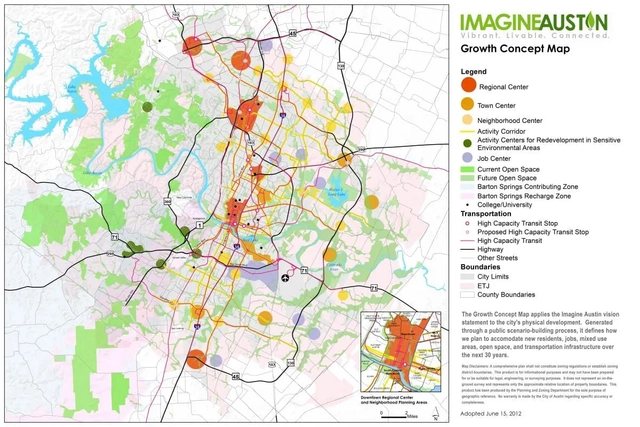
Imagine Austin Growth Concept Map / City of Austin. Image Courtesy of The Dirt
“The planning practices of the past are inadequate for today’s challenges,” said David Rouse, ASLA, a landscape architect and planner, at the American Planning Association‘s National Planning Conference in San Diego. Rapid technological change, socio-economic inequities, natural resource depletion, and climate change are forcing planning and design professionals to adapt. “How can the practice of planning evolve to be more sustainable and equitable?”
https://www.archdaily.com/982475/planners-must-now-anticipate-the-unanticipatedJared Green
With a mission to support, empower, and grow the city's design sector, New York's annual design festival, the NYCxDESIGN presented a selection of architectural installations, talks, and events to celebrate global creative accomplishments, share new ideas, and inspire through design. This year, the festival returned for its tenth edition, running from May 10th - 20th. Having been a special anniversary, this year showcased New York's creative diversity and talent, putting on display its designers, makers, manufacturers, innovative design businesses, as well as world-class cultural and academic design institutions.
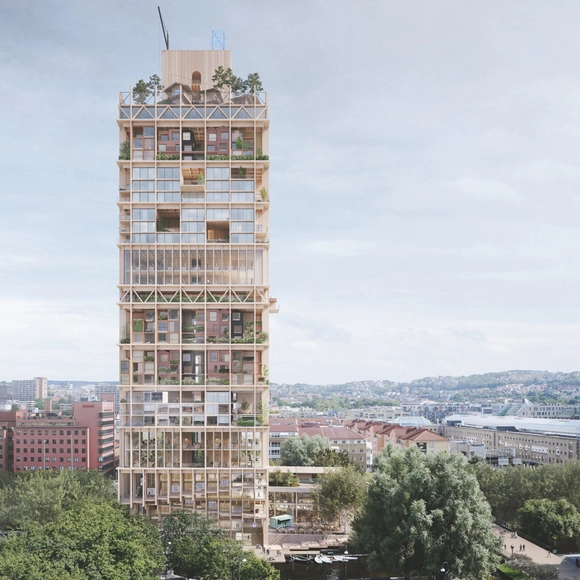
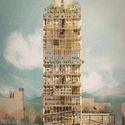
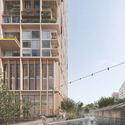
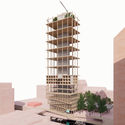
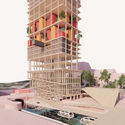
Haptic and Ramboll conceptualize a novel structure that hopes to eradicate the need for demolition. The timber high-rise construction is built for maximum flexibility and longevity, being able to change its configuration and, consequently, its functions to adapt to the city’s changing needs. The design concept is based on the idea of maximizing the potential of sites in inner-city neighborhoods. To exemplify the regenerative potential of this model, the architects have applied the concept to a tight urban area in the center of Oslo, Norway.



























._Image_by_Zupagrafika.jpg?1653259487 "Orła Białego prefab panel estate in Poznań (Brutal Poland). . Image © Zupagrafika")