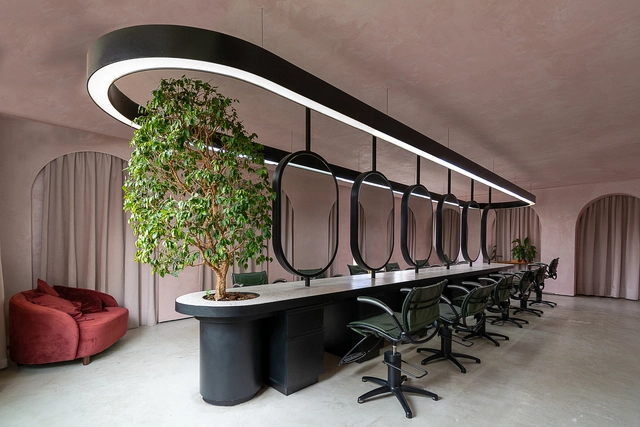
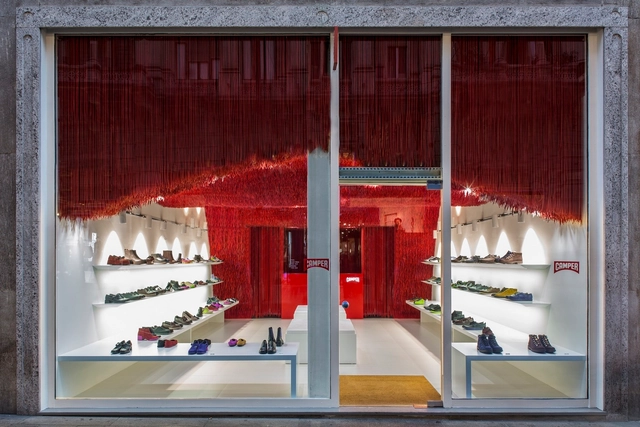
Creating a showcase is more than just displaying products, just as designing a store goes beyond a showcase. Both charges reinforce the concept of a collection, attract customers and improve a brand’s image. It is no coincidence that many architects work in the Visual Merchandising area along with graphic and interior designers, retailers, and stylists, to design a spatial experience that generates a unique narrative and brings greater customer engagement to the store.
The topic of cannabis can be rather taboo in some instances, as countries around the world have differing views on the legalization of marijuana products based on their cultural and religious beliefs. In the United States specifically, it’s been a long contended issue that each state has, for now, been left to decide on how they want to handle. Each year, more and more states (now totaling 18 and the District of Columbia out of 50), have legalized the recreational sale and use of a limited amount of cannabis, but it remains illegal on a federal level.
Milan Design Week is back bigger and more ambitious than ever, and 2022 is a very special year. Designboom, Architonic, and ArchDaily which make up DAAily platforms have created for the visitors of Milan Design Week 2022, a unique, storytelling-programmed space - by architects and designers for architects and designers.
While each of our three online platforms continues as a leader in its particular field, addressing the needs of its specific community, we’re taking the opportunity to take to the stage together – and quite literally – at our special, can’t-miss Milan venue to the east of Brera. The Swiss Corner at Piazza Cavour / Via Palestro 2 will play host to the DAAily bar from 7 to 10 June, where a curated talk series hosted by our three Editors-inChief will seek to inspire and entertain, while our bar, lounge, and outdoor terrace deliver a healthy dose of conviviality and connection.
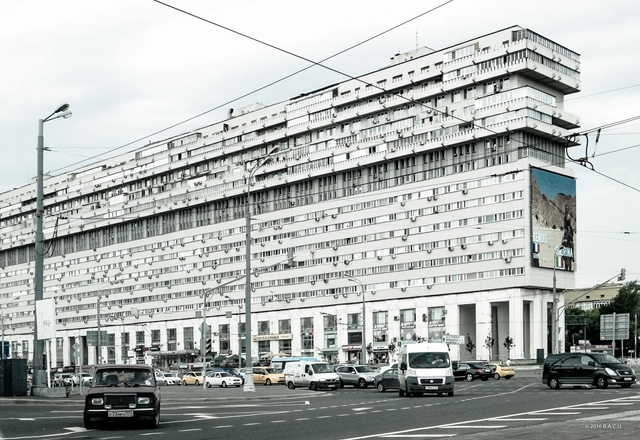
When cities grow, fuelled by an expanding population, housing becomes an essential component of the urban character of a metropolis. Across the world, housing experiments have been propagated by governments and states, with mixed results, and undoubtedly mixed opinions. The Soviet-era housing estates of Central and Eastern Europe are particularly interesting in that regard. These mass housing projects have been dismissed as eyesores and viewed as unimaginative monolithic structures. The legacy of these developments, however, is a lot more complicated than that.
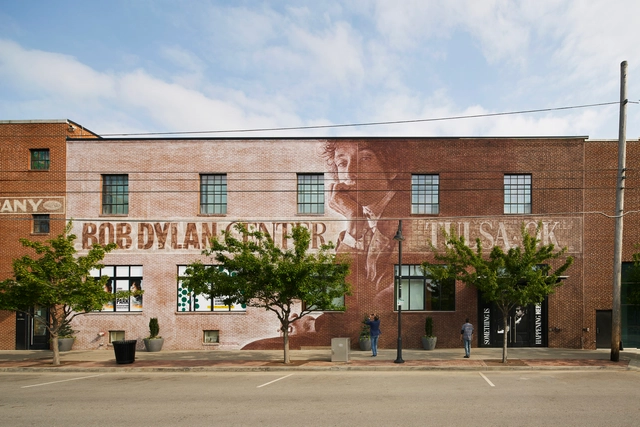
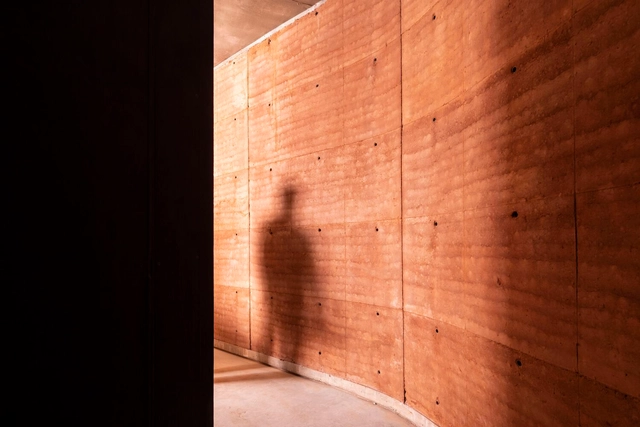
Olson Kundig has announced the opening of its new Bob Dylan Center, a warehouse-turned-museum that gives visitors exclusive access to the cultural treasures found in The Bob Dylan Archive®. Led by design principal Alan Maskin, the center showcases Bob Dylan's worldwide cultural significance, featuring a collection of more than 100,000 items spanning nearly 60 years of Dylan’s career, from handwritten manuscripts and correspondence, to films, videos, artwork, and original studio recordings.
Syrian architects Marwa Al-Sabouni and Ghassan Jansiz bring an Arabic-inspired architectural element to the seafront of Hove as part of this year’s Brighton Festival. The temporary pavilion is built in the shape of the traditional arcade called The Riwaq. Conceived as a place that brings people together, the installation will host free cultural and community events, all organized as part of England’s largest annual multi-arts festival. Established in 1967, the Brighton Festival celebrates music, theatre, dance, art, film, literature, debate, and outdoor events in various locations across Brighton, Hove, and East Sussex.
The concept of aesthetics goes back to the Greek civilization and refers to perception through the senses. Despite being a philosophical concept, in architecture, aesthetics is used to translate architectural ideologies and concepts from the set of constructive elements, forms and materials, being intrinsically linked to the physical shape of a building and, therefore, bound to a social, economic and political context. In addition to a discussion of tastes, architectural aesthetics is a source of historical reading and analysis.
After a prolonged period known as the Middle-Ages, a growing desire to both study and mimic nature itself began to emerge, with an inclination to discover and explore the world. Between 1400-1600 A.D. Europe was to witness a significant revival of the fine arts, painting, sculpture, and Architecture. The ‘Renaissance’, meaning ‘rebirth’ in French typically refers to this period of European history, although most closely associated with Italy, countries including England and France went through many of the same cultural changes at varying timescales.
Prior to the dawn of the Renaissance, Europe was dominated by ornate and asymmetrical Gothic Architecture. Devoured by the plague, the continent lost approximately a third of its population, vastly changing society in terms of economic, social and religious effect. Contributing to Europe’s emergence into the Renaissance, the period ushered in a new era of architecture after a phase of Gothic art, with the rise of notions of ‘Humanism’. The idea of attaching much importance to the essence of individualism. The effect of Humanism included the emergence of the individual figure, greater realism and attention to detail, especially in depictions in art.
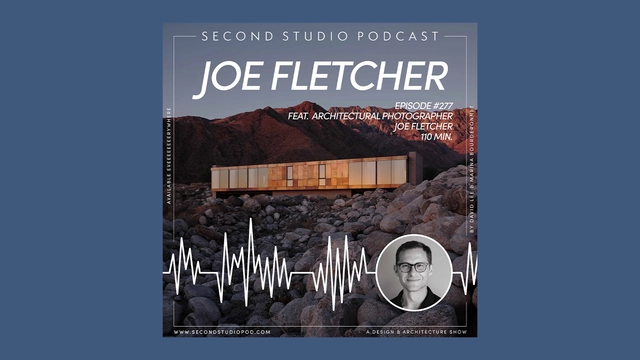
The Second Studio (formerly The Midnight Charette) is an explicit podcast about design, architecture, and the everyday. Hosted by Architects David Lee and Marina Bourderonnet, it features different creative professionals in unscripted conversations that allow for thoughtful takes and personal discussions.
A variety of subjects are covered with honesty and humor: some episodes are interviews, while others are tips for fellow designers, reviews of buildings and other projects, or casual explorations of everyday life and design. The Second Studio is also available on iTunes, Spotify, and YouTube.
This week David and Marina are joined by Joe Fletcher, Architectural Photographer to discuss his transition from painting to photography; his experience with a formalized education in photography; how an architectural photographer can influence architects and architecture; his process; the distillation of architecture through photography; why photogenic buildings are not always comfortable to be in; and more.
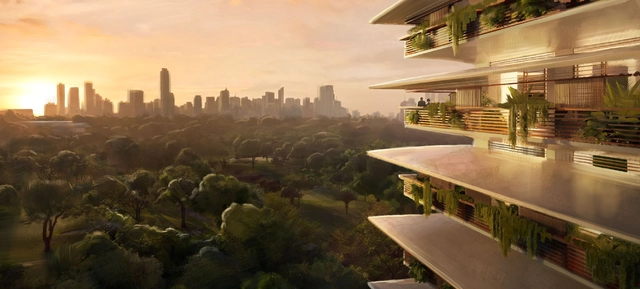
Foster + Partners has revealed the design of the BWDC Residential Tower, a luxury apartment building in Manila, the Philippines. The new tower combines the city’s vernacular architecture and traditional veranda lifestyle with modern high-rise living. The project is the firm's latest in the tropics which responds to the regions’ intense weather systems, mitigating high temperatures and humidity through passive design strategies.
"The details are not the details. They make the design." – Charles Eames. Creating attractive spaces that anticipate the needs of users relies on several factors: scale, circulation, functionality, and comfort. However, the past few decades have proved that the visual appeal of a project is also greatly important, and can make or break the interior space. In this interior focus, we will explore the aesthetic side of interior design, looking at popular styles across the world and how architects and designers use elements such as color, furniture, accessories, and finishes to define their spatial identity.
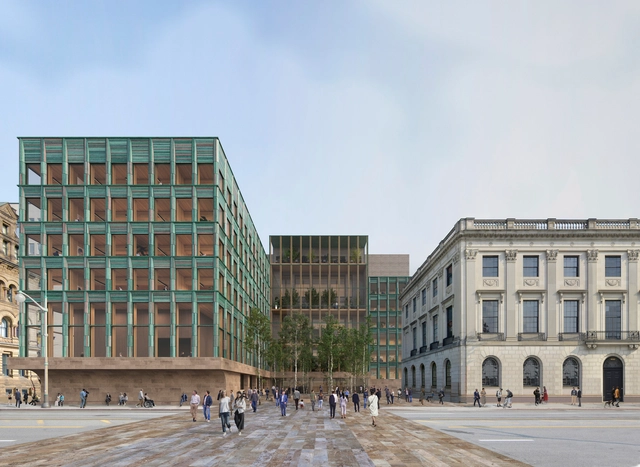
David Chipperfield Architects and Toronto-based Zeidler Architecture, have won an international competition to transform the Block 2 parliamentary precinct, a 51,000 sqm redevelopment zone in downtown Ottawa, Canada. As a site with significant national importance, the project aims to not only provide facilities for democratic government and urban infrastructure, but also to represent the values of a nation and a vision for its sustainable and inclusive future. The project proposes a new public square alongside the main building and on axis with the Peace Tower, as well as an open space to promote dialogue between Parliamentarians, the community, and the wider public.
The Camden Highline, a London project that plans to turn a disused stretch of railway viaduct into a new elevated park and walking route, was submitted for planning. The 1.2km route, 8 meters above ground, will connect Camden Gardens in the west to York Way in the east. The design was awarded to a team led by James Corner Field Operations, the practice behind the New York High Line, who will work with Kentish town-based vPPR Architects, London artist Hew Locke, community consultation organization Street Space and Dutch garden designer Piet Oudolf, among others.
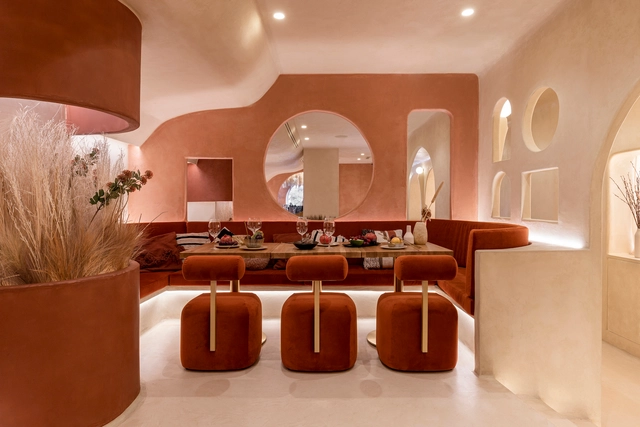
Usually, people look for a beauty salon to leave transformed. In addition to the aesthetic changes, the environment itself can trigger different sensations that change the mood of customers. That being said, some establishments hire architects and interior designers to think of ways to innovate their spaces. Relaxing, having fun, surprising, are just some of the actions that can be passed through a project that thinks about different ways to bring comfort to users.
The hands hold the weight of the entire body, feeling the rough texture of unplastered mortar on its thin membrane. Even with the whole body stretched out against the wall, it still was not possible to see what was behind it. Sweat, in a mixture of adrenaline and heat, ran down his temples, indicating the movement for a final effort, a last impulse before the imminent fall that, for a few seconds, allowed him to overcome the last row. The field of vision was then opened to a fragmented, disconnected and oddly free world. An urban power that allowed itself to be strangled by the breath of tropical vegetation while being consumed by abandonment amidst an active and dynamic city.
The new, online NYC Climate Dashboard confirms that New York City is not doing enough to meet its climate goals. What’s worse, the goals don’t measure up to the challenge citizens face. A growing consensus among scientists says the world has only until the end of this decade to avert catastrophic climate change. Here in New York, the biggest contributions to greenhouse gasses come from our buildings and our driving. As an architect and urban designer, John Massengale shares what he believes the world is missing and some significant changes that the world can make for the sake of future generations.
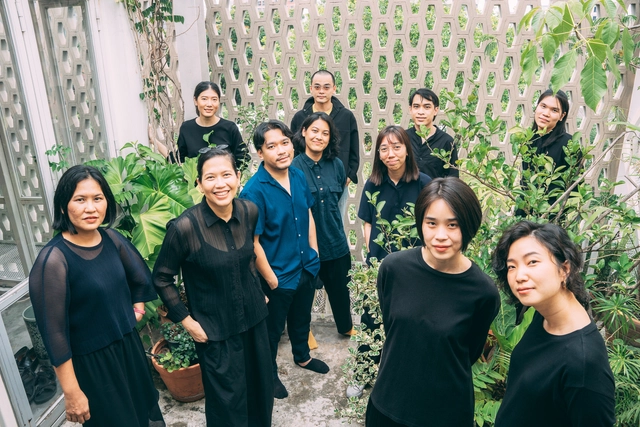
The Naomi Milgrom Foundation has announced that internationally renowned architecture and design practice all(zone) is the the recipient of the MPavilion 2022 commission. Demonstrating how architecture and design can contribute to creating equitable cities, the Bangkok-based studio was commended for its commitment to designing built environments where people can feel at home in the world, reusing and recycling local materials in bold and innovative new ways.




.jpg?1653161266&format=webp&width=640&height=580)






_2.jpg?1653224708&format=webp&width=640&height=580)
.jpg?1653224549 "© Jim Stephenson")
.jpg?1653224741 "© Jim Stephenson")
.jpg?1653224579 "© Jim Stephenson")
.jpg?1653224564 "© Jim Stephenson")
_2.jpg?1653224708)


















.jpg?1653033928&format=webp&width=640&height=580)

.jpg?1653033936 "Camden Highline aerial view visualisation. Image © Hayes Davidson")
.jpg?1653033928 "Camden Highline ground level view visualisation. Image © Hayes Davidson")
.jpg?1653033934 "Camden Highline axon drawing. Image © Camden Highline")
.jpg?1653033928)