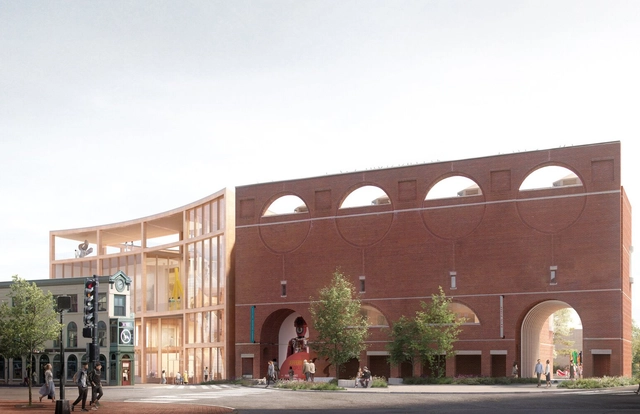
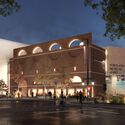
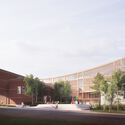
Four teams have been declared the finalists in the competition to design the Portland Museum of Art campus expansion located in Portland, Maine. The finalist teams are led by Adjaye Associates, Lever Architecture, MVRDV and Toshiko Mori Architect + Johnston Marklee + Preston Scott Cohen. The project includes a 60,000 square feet expansion in the form of a six or seven-story structure planned to accommodate an increase in the number of visits and a growing collection of art. The museum is now asking for public feedback on the designs, as the projects are on view at PMA until December 11th.
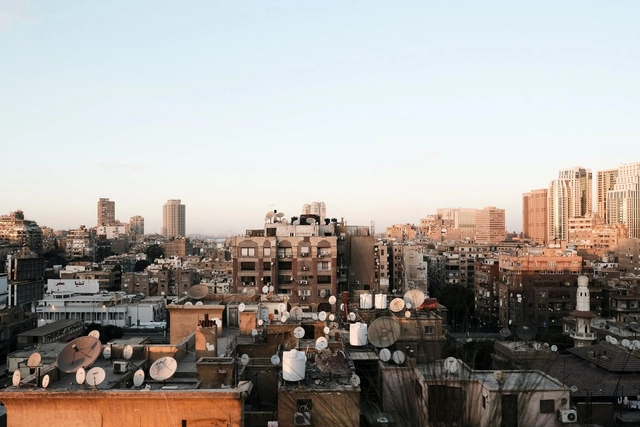
As of today, over 50% of the world’s population lives in urban areas, and by 2050, this urban population will almost double in size, and 7 of 10 people in the world will live in cities. As cities have continued to grow and expand throughout history, a new vocabulary has also emerged, often to better communicate the scale of urban living in a relatively contemporary context. One such example is the term megalopolis – typically defined as a network of large cities that have been interconnected with surrounding metropolitan areas by infrastructure or transportation. In effect, it’s a region perceived as an encompassing urban area, within which there is a constant flow of commerce and migration.
The Philippines' history and cultural background are continually reflected in the architectural landscape throughout the country, with its structures and dwellings harboring a handful of influences from the nations that once purveyed the island.
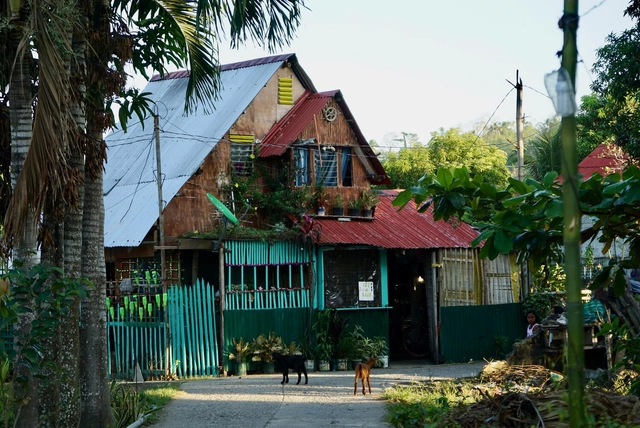
When we talk about the topic of Filipino architecture and dwellings, more often than not, we may think of the first known Filipino home: Bahay Kubo. The Bahay Kubo is a small hut comprising nipa, bamboo, and other indigenous materials. It is often times that many citizens still choose to adopt this style of habitation, however, over time, the concept of the nipa hut has evolved into a more modern structure.
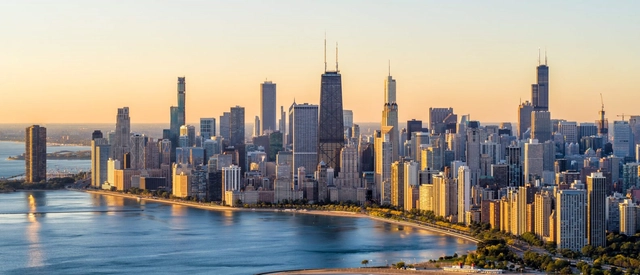
Blair Kamin stepped down as architecture critic for the Chicago Tribune in January 2021, after a nearly 30-year run in the post. He won a Pulitzer Prize in 1999 for a body of work highlighted by a series on Chicago’s lakefront, including a story that documented the race- and class-based disparity between the city’s north and south lakefronts. He has previously published two collections of his work: Why Architecture Matters (2001) and Terror and Wonder (2010), both from the University of Chicago Press. His third collection, Who is the City For? Architecture, Equity, and the Public Realm in Chicago, was released last week. Recently I talked to Kamin about the new book, the state of post-pandemic Chicago, and the need for more mainstream architecture criticism. I will post the second of our conversations tomorrow, in which the critic pushes the need for a redefinition of the phrase “design equity.”
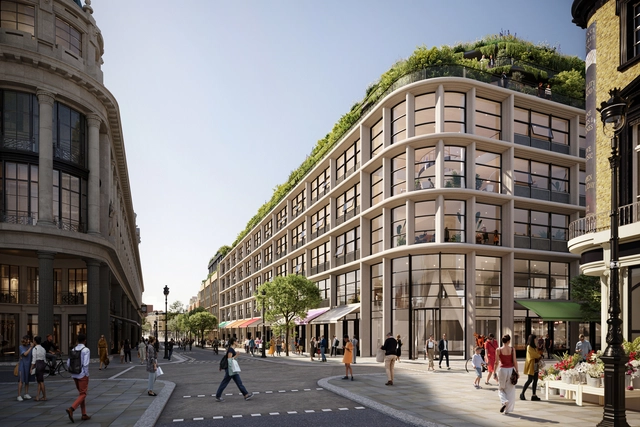
Foster + Partners has revealed the design for a new mixed-use development in the northern end of the central London high street. The building is located on Queensway, opposite the Whitley, the famous department store, which is also being transformed by Foster + Partners as part of a larger redevelopment scheme. Named The William, after William Whiteley, the eponymous founder of the famous Whiteleys, the project includes six floors of office space, shops, and 32 new homes, 11 of which will be affordable.
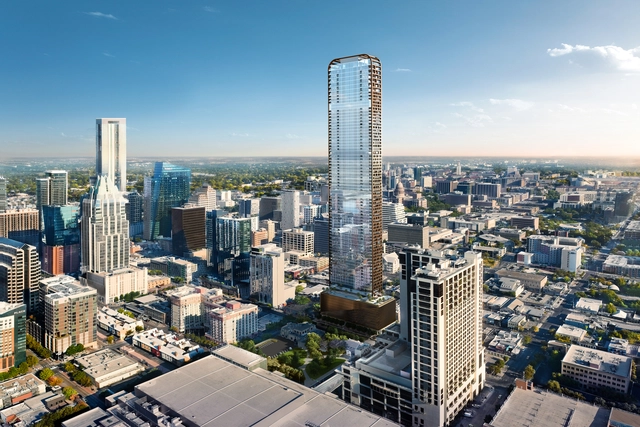
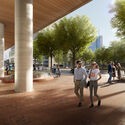
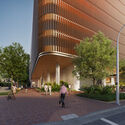
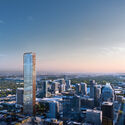
Austin-based office HKS announced the design of the Wilson Tower, a high-rise of 315 meters in Texas' capital featuring 80 floors, 450 units, outdoor terraces, and gardens. The tower will be delivered in collaboration with Britt Design Group and Wilson Capital, and is expected to break ground in the summer of 2023. After completion will become the tallest residential tower in the USA outside of New York.
TV shows about renovations are seductive. We feel anxiety when seeing that home remodeled in an unimaginable way, providing a family reconnection with the new space. The tears at the end, the host-architect-contractor satisfied with the result, intact wooden floors, shiny appliances, and bathtubs ready to be used. It is no wonder that these programs are reaching an ever-increasing audience and, consequently, inspiring many transformations in other people's homes.
But if, on the one hand, they encourage viewers to change by showing the infinite possibilities of transforming and improving a space, on the other hand, they can reproduce misconceptions about architecture, especially concerning the conception and execution process.
Noises –especially those we can’t control– greatly affect both physical and mental health. Whether coming from the street, upstairs neighbors or the room next door, research suggests that these can raise stress, reduce productivity, interfere with communications and contribute to developing issues such as high blood pressure. Ultimately, sound quality defines user experience and (literally) sets the tone for the rest of the interior. The bad news is that most conventional building materials used today in modern architecture –concrete, glass, masonry– have extremely hard surfaces and limited acoustic properties, reverberating sound several times over and forcing users to raise their voices to be understood. Coupled with growing urban density and projects adopting a mixed-use layout, all of this results in increasingly noisy, uncomfortable and distracting living and working environments.
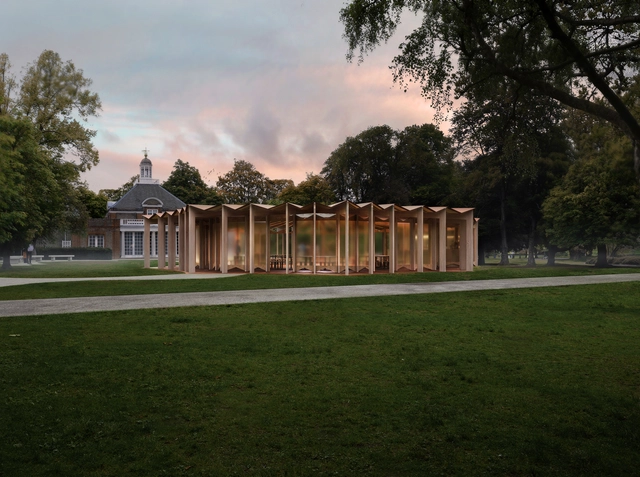
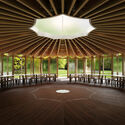
Beirut-born, Paris-based architect Lina Ghotmeh has been announced as the designer of the 22nd annual Serpentine GalleryPavilion. Titled “À Table,” the French expression for sitting together to eat, her proposal introduces a slender wooden structure with nine pleated petals supported by radial ribs. Inside the pavilion, a ring of tables and benches invites visitors to enter, sit down and relax, eat or work together. According to the architect, the modest space and low-slung canopy is meant to make people feel close to the earth. The Serpentine Pavilion will be open from June to October 2023.
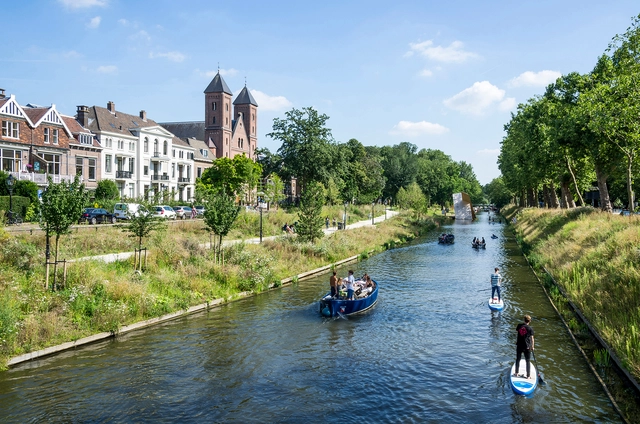
The Dutch firm OKRA landschapsarchitecten has been awarded the European Prize for Urban Public Space 2022 for its project to restore the Catharijnesingel canal in the city of Utrecht in the Netherlands. Being an initiative of the Center of Contemporary Culture of Barcelona (CCCB), this eleventh edition received 326 projects from 35 different countries showing those problems that European cities must face and proposing some solutions in the framework of a post-pandemic context focused on climate change and how to make cities more livable.
Along coasts and fjords, mountains, and waterfalls, Norway's National Tourist Routes traverse the country's most unique natural landscapes. They are 18 roads that are intended as alternative experiences to the main roads, with rest stops and remote viewpoints that were developed over nearly three decades by some 50 architecture and landscape offices.
“We shape our buildings; thereafter they shape us.” Despite Winston Churchill’s words, architects are shaped by our culture, and our work reacts to it. Because our culture evolves, the practice of architecture evolves. What is “New” in architectural practice has had accelerating change, exploding in the 21st century because new technologies have changed everything on a level of the Industrial Revolution, 200 years ago.
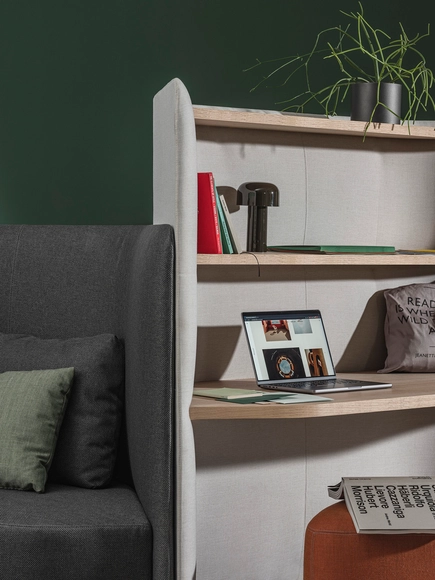
In Out Office / Alfredo Häberli. Image Courtesy of Andreu World
Interior architects and designers have often claimed that a well-designed office space will translate into greater productivity, creativity and worker satisfaction –yet the impact is greater than most tend to imagine. Recent studies suggest that good design positively impacts company culture, fosters a sense of community and creates a healthy, happy and motivating environment. In fact, it directly influences the recruitment and retention of talent: “workplace design significantly increases the attractiveness of employers to potential candidates.” Proper lighting, a flexible layout and biophilic features are all important factors to consider during the planning stage. But to fully address user comfort and well-being, these must be combined with excellent furniture design. After all, integrating high-quality ergonomic pieces is a simple way to boost mood and enhance functionality and aesthetics when creating or redecorating the workspace.
Envision your ideal neighborhood. Maybe it’s on a cul-de-sac in the suburbs, where every neighbor has a well-manicured lawn, a two-car garage, and everyone gives each other a friendly wave on their way to work. Or maybe you live in a high-rise building in a dense urban center, where you take public transit to the office five days a week and say hello to your doorman on your way out. Whatever your neighborhood might look like, there’s always a sense of wanting to know the people who live around your- or at least an unspoken reliance on one another to ensure that your surroundings are safe. What happens when technology brings you and your neighbors together to report on local happenings? Is it a good thing, or does it create a vigilante situation gone awry?
ASPECT Studios won the international design competition for Alibaba’s Headquarters (Park C) Campus Project in Hangzhou, in the Zhejiang province. Based on the “BioHabiNet” concept, ASPECT's proposal focuses on an interconnected network of layered biodiversity, sustainable water systems, and community-orientated workplaces. The Xixi Campus will host over 30,000 Alibaba staff and aims to become a precedent for further corporate parks in support of China’s carbon-neutral target for 2060.
Videos
Discovery por lifeforms.io. Image Cortesía de Damjan Jovanovic
Today, architects and designers are increasingly aware of the responsibility they have in leading the construction of the virtual environment. But how is it designed? How is it built? What is the degree of experimentation that exists?
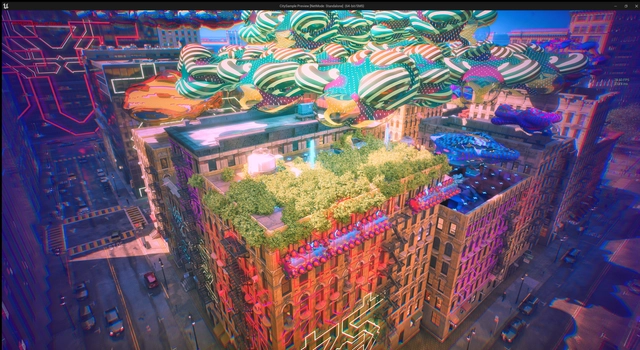
'Discovery: a story about rooftops, airships, robots, and inflatables' is a recently opened exhibition at the SCI-Arc gallery that addresses just this theme. Designed by Damjan Jovanovic and Lidija Kljakovic, founders of lifeforms.io - a video game creation studio based in Los Angeles, California - it presents an exploration of the creation of worlds, artificial intelligence, and ecology.
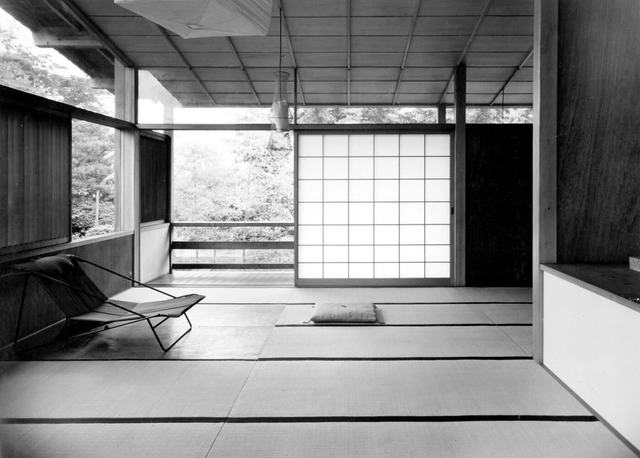
In the following interview with Paul Tange, the chairman and senior principal architect at Tange Associates in Tokyo, we discussed the relationship with his famous architect-father Kenzo Tange (1913-2005; the most influential architect in postwar Japan and the winner of the 1987 Pritzker Prize), the fate of the house Tange senior built for his first family, the decision of joining his father’s practice right after graduation from Harvard, sharing his father’s design principles, and the vision behind his first independent built work – a 50-story Mode Gakuen Cocoon Tower in Tokyo, a vertical campus that can accommodate up to 10,000 students; the project won an international competition, in which 50 international architects participated.
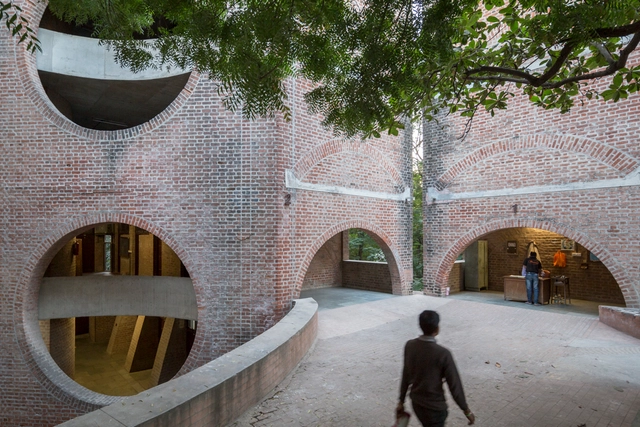
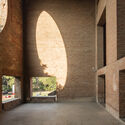
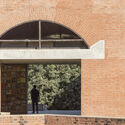
On November 3rd, 2022, the Indian Institute of Management Ahmedabad (IIMA) announced the decision to end the restoration works for elements of the campus designed by Louis Kahn with Indian architects Balkrishna V. Doshi and Anant Raje in 1962. The decision affects the faculty blocks, classroom complex, and dorms other than dorm D15. According to the statement, the institution plans to replace some of the buildings, as the complex is “facing structural damage, deterioration and have become uninhabitable, posing a safety concern for the campus's residents.” This represents a reversal of the decision to withdraw the first demolition plans following global protests, announced in January 2021.