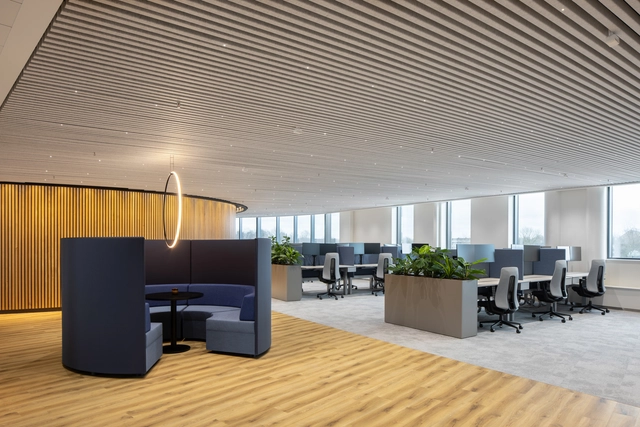
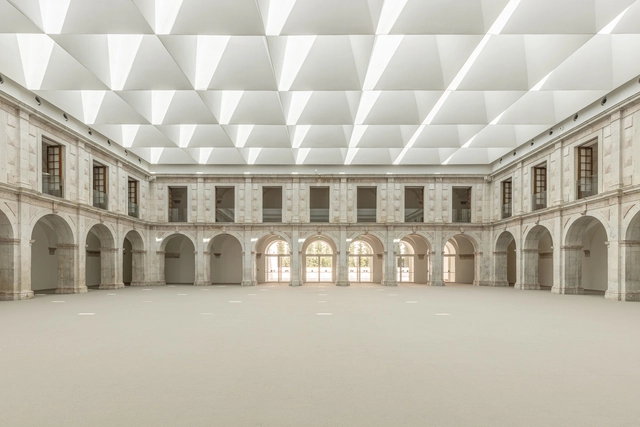
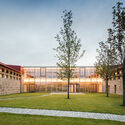
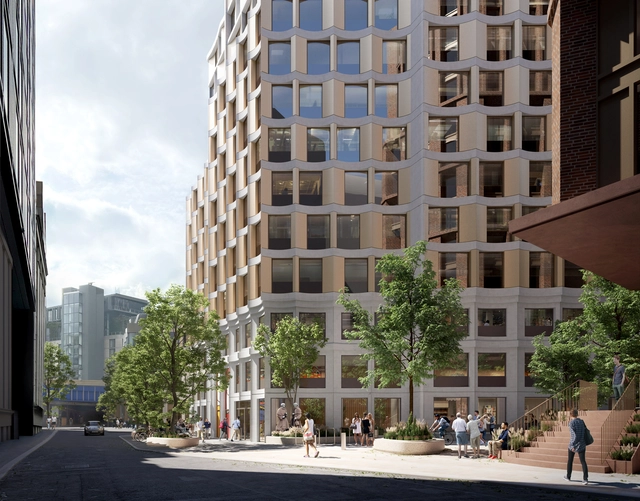
HeartFelt® Linear. Image Courtesy of Hunter Douglas & Inteco
Every day, architects and designers tackle an ambitious task: crafting spaces that not only captivate the eye but that also nurture the health and well-being of those who inhabit them. A key part of this mission involves implementing design strategies that foster a pleasant indoor climate, as temperature, humidity and air quality all have a significant impact on users’ mood, productivity and overall health. Humans simply operate better if they are comfortable and content in their home or working environment. Although air-conditioning, ventilation and heating systems have conventionally served as popular solutions to regulate indoor climate, they often carry with them undesirable consequences –the presence of dust and bacteria, the need for regular maintenance and a cluttered, unappealing look. There is, however, an alternative solution.
Refurbishment and adaptive reuse have been at the forefront of architectural discourse in recent years. This demonstrates that the profession is becoming increasingly aware of its impact on the environment and the opportunities presented by reusing what has already been built. Architecture 2030 has recently launched CARE, or Carbon Avoided Retrofit Estimator, a new digital tool that enables designers, owners, and communities to quantify the carbon benefits of adaptive reuse. By entering a streamlined set of project information, such as energy targets and potential building interventions, users can quickly estimate both operational carbon emissions generated by the use of the building and embodied carbon emissions, which are tied to the building materials employed.
Better for sight, better for eyes, better for health, and better for moods, natural light is understandably the majority’s favored method of illumination, but it’s an uncontrollable resource. It can be increased with larger windows, open-plan interiors, and reflective or light-hued surfaces, but ultimately, when those cold winter nights draw in, the majority of our time is spent fumbling around in the dark.
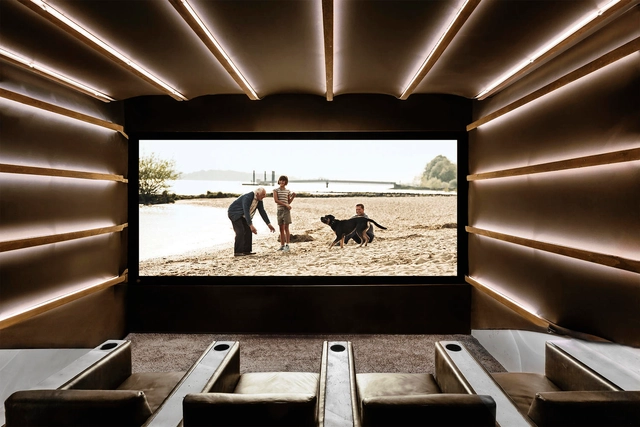
It’s not all doom and gloom, however. Well-thought-out lighting concepts can entirely transform an interior environment. This home in Japan, for example, highlights its architectural features with hidden lighting, bringing them to life at night, while this small-scale showroom cinema also uses indirect lighting strips to graphically define its interior.
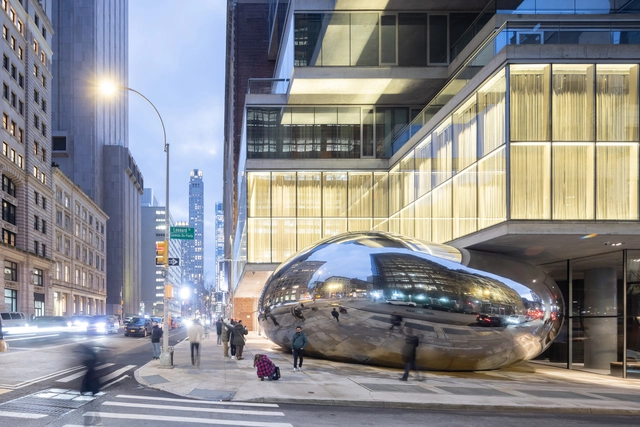
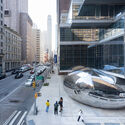
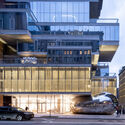
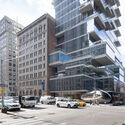
On January 31st, construction scaffolding and barriers were disassembled from the site at 56 Leonard Street, revealing Anish Kapoor’s first permanent artwork in New York City. The 48-foot-long, 19-foot-tall, 40-ton sculpture is nestled partially beneath the Herzog & de Meuron-designed residential building in the Tribeca neighborhood in Lower Manhattan. The mirrored sculpture is reminiscent of Kapoor;’s work called Cloud Gate, also known as “The Bean,” in Chicago, US.
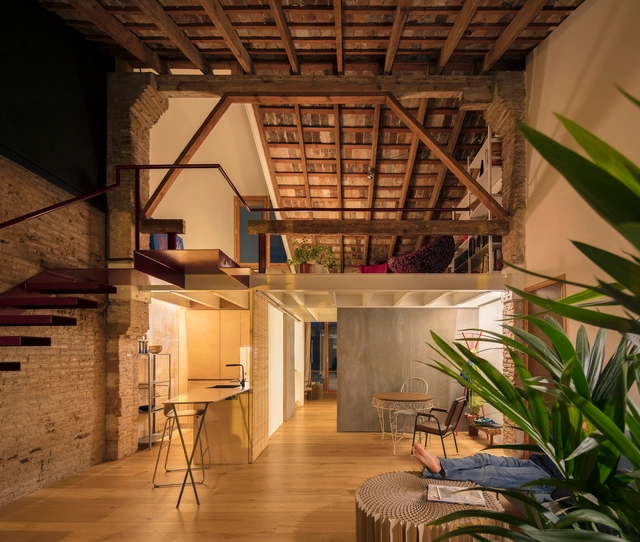
Lofts can refer to the highest story of a building, such as attics, for example, which have been converted into apartments or studios. Later on, the term loft started to be used to describe open-concept spaces, where the entire architectural program was incorporated into one large room, resulting in a market trend.
People are increasingly looking for more flexible and open spaces, so we have put together a selection of 25 lofts that provide different approaches to these environments: either by creating a mezzanine to take advantage of the high ceiling or simply by arranging furniture.
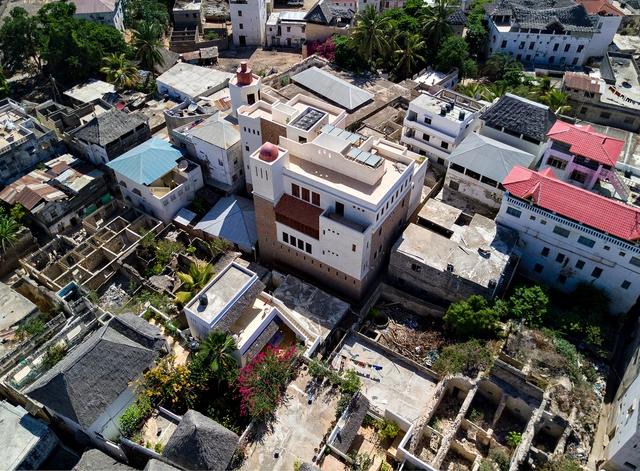
Subject to the forces of capital, migrating populations, and political circumstances, our planet’s cities are constantly evolving. This continuous evolution is evident in the built fabric of settlements, as architects and planners build upon layers of the built environment, with some having the strenuous task of having to integrate the historic urban areas of cities successfully with contemporary architectural interventions and systems.
The cities of this category are frequently in an internal conflict — oftentimes having to grapple with the sometimes contradictory aims of both sustaining local populations and welcoming outside investment and national development projects.
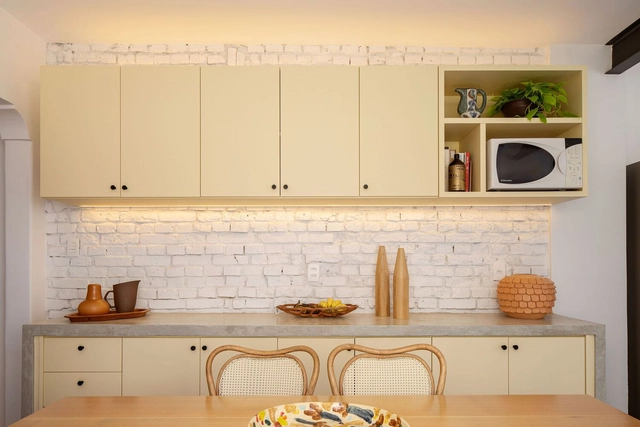
Over time, the kitchen has ceased to be considered only as a workspace and became a meeting and leisure area. For many, it is the heart of the home. Therefore, it is necessary to design an ambiance that can help when preparing dishes and also bring comfort during a gathering with friends and family.
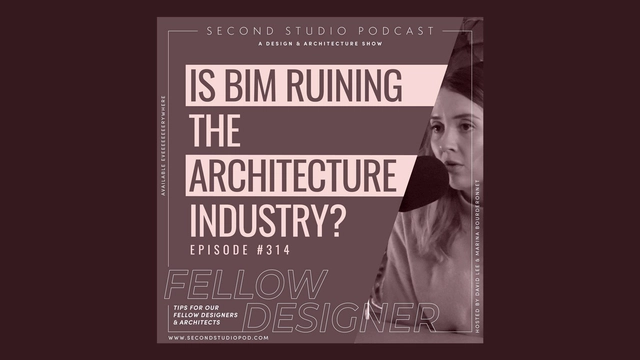
The Second Studio (formerly The Midnight Charette) is an explicit podcast about design, architecture, and the everyday. Hosted by Architects David Lee and Marina Bourderonnet, it features different creative professionals in unscripted conversations that allow for thoughtful takes and personal discussions.
A variety of subjects are covered with honesty and humor: some episodes are interviews, while others are tips for fellow designers, reviews of buildings and other projects, or casual explorations of everyday life and design. The Second Studio is also available on iTunes, Spotify, and YouTube.
https://www.archdaily.com/995576/the-second-studio-podcast-is-bim-ruining-the-architecture-industryThe Second Studio Podcast
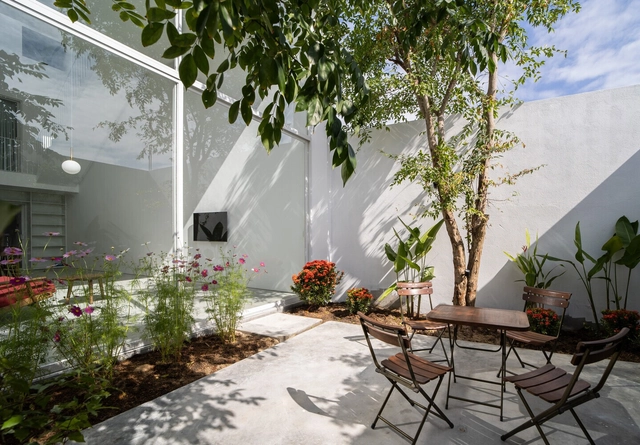
In urban centers, houses rarely have a large backyard to create a leisure or living area, that's why we have gathered some examples that have managed to occupy these areas, improving the connection between interior and exterior and enhancing their users' comfort.
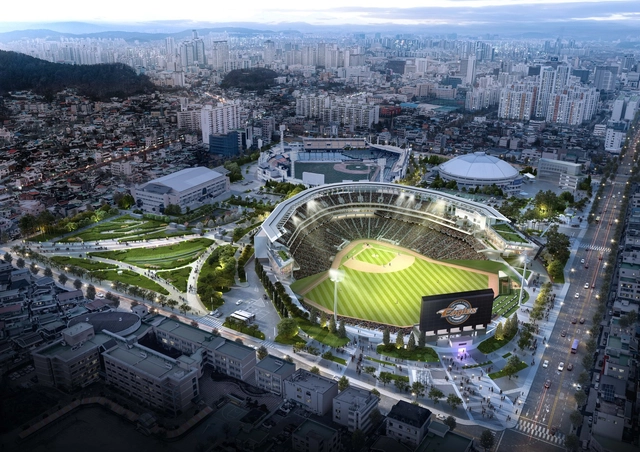
Baseball Dream Park / HAEAHN Architecture, Inc.. Image Courtesy of HAEAHN Architecture
Sport plays an important role in the life of every city, yet the buildings housing these activities pose a particular set of challenges to the architects. Scale and dimensions need to be adapted to allow for unrestricted movement, heights are adjusted to the force of an athlete’s throw, and lighting, surface, and finishes require careful consideration. The matter becomes even more complex if these activities become the center of large-scale events. The flow of people becomes an integral part of the design, as different types of users require separate circulation paths.
This week’s curated selection of Best Unbuilt Architecture highlights the design of sports centers submitted by the ArchDaily community. From a tennis stadium in Italy, to a yoga pavilion on the cliffs of Portugal, this selection features projects centered around movement, practicing, following, and enjoying sports, be it tennis, baseball, yoga or football. The article presents projects from various counties, such as South Korea, Canada, Portugal, and Argentina.
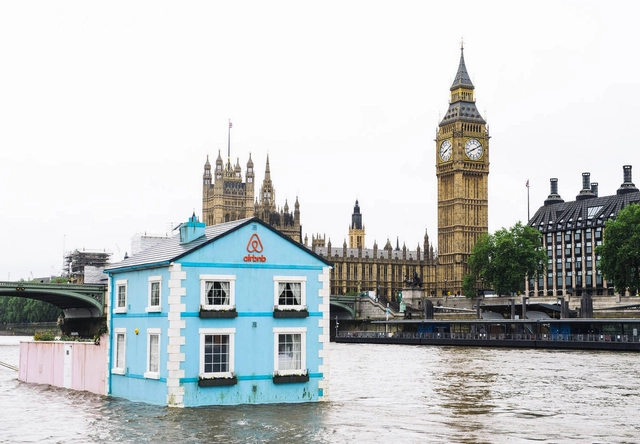
Airbnb has long been a reliable way to find a homestay. Since its inception in 2008, the site has hosted more than 7 million homes around the world where travelers can stay in a room, or rent an entire house out for themselves. Recently, many cities have been cracking down on short-term stays, citing safety issues, false listings, and rising property prices which push people out of their homes when housing becomes used just for Airbnb rentals. What are cities doing about these issues? What is Airbnb doing to help remediate them? And will Airbnb be viable for much longer?
The Saudi Arabian government has revealed the design for the Mukaab, a cube-shaped supertall skyscraper that will become the center of the New Murabba district in downtownRiyadh. The Mukaab aims to become the largest built structure in the world, measuring 400 meters in height, width, and length. The building will be situated in the North West of Riyadh, in a 19 square kilometers area that will become one of the largest downtown developments in the world. The Mukaab skyscraper and the Murabba district were announced by His Royal Highness Crown Prince Mohammad bin Salman bin Abdulaziz, Prime Minister and Chairman of the New Murabba Development Company (NMDC).
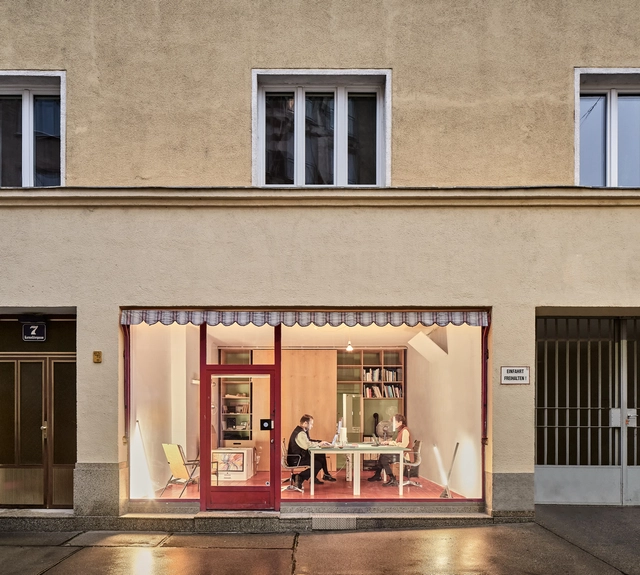
Architectural photographer Marc Goodwin adds one more photo series to his Atlas of Architectural Atmospheres, this time capturing 12 architecture offices in the Austrian capital of Vienna. The series includes the intimate workspaces of AllesWirdGut, Feld72 Architekten, querkraft architekten amongst others.
Goodwin has been working on this project for several years, and the collection holds photographs of work environments of architecture offices in Madrid, Frankfurt, Berlin, Istanbul, Seoul, and many more.
In the late 1960s, Ben Bradlee, the storied executive editor of The Washington Post from 1965 until 1991, confronted making the paper more appealing to younger readers. He ditched Lifestyle as the name of a new, updated section, which he found irksome; instead, he chose Style. As he explained in his memoir: “I liked the word ‘Style’ … I like people with style, with flair, with signature qualities.” After 50 years as Style, and nine years after Bradlee’s death, the section has been renamed Lifestyles. The editorial change notwithstanding, Bradlee used “style” as most non-architects think of it and much in keeping with how Duo Dickinson seems to frame it in a recent Common Edge piece: “Wrestling With Architectural Style in a Post-Style World.” Yet in matters architectural, at least historically, it’s long been another thing altogether.
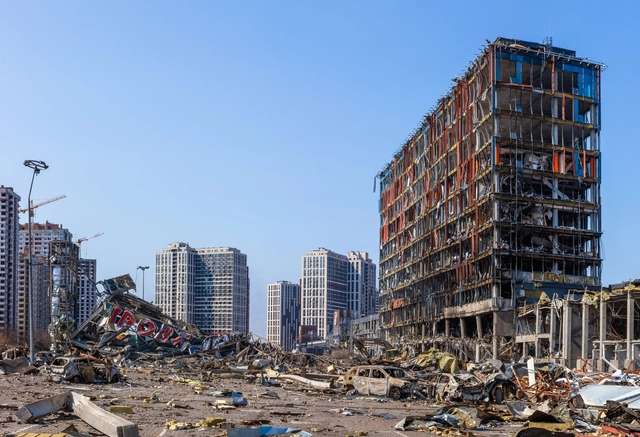
On 24 February 2022, Russia invaded Ukraine, a major escalation of the conflict dating since 2014. Now, a year later, the war is still ongoing. Both soldiers and civilians have fallen victim, while millions of others have become refugees, fleeing to safer areas across Europe or within Ukraine. What was instilled was a severe humanitarian and refugee crisis. The hostilities have also threatened Ukraine’s cultural and architectural heritage, as museums, monuments, and historical landmarks have become targets.
The implications are also reaching Europe and globally, as energy resources and food supplies become scarcer, damaging some economies. Still, Western countries remained unified in their support of Ukraine, as reported by international news outlets. Despite the economic difficulties, international support was mobilized through various initiatives in hopes of helping displaced people, protecting cultural heritage, and mapping a plan for reconstruction.
The United Nations estimates that the world population will reach 10.4 billion by 2100. Already by 2050, 2 out of 3 people will call cities home, coming in search of the opportunities, services and amenities on offer. That puts even more pressure on urban areas given all these people will need access to water, food, public space, good infrastructure and, above all, housing. In fact, estimates suggest more than two billion homes will need to be built by the end of the 21st century to accommodate this population explosion. As cities grow, so does urban sprawl, which brings its own set of environmental and social challenges. In the face of climate change, sustainable urban development must ensure that future housing solutions –new and renovated– are built to support healthy communities, prioritizing both human and environmental well-being. In turn, cities will need to be built denser and faster, but not without meeting a long list of stringent criteria. Only this way can we avoid the negative, often overlooked, effects of uncontrolled hyper densification that give urban development a bad name.