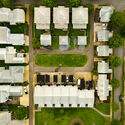
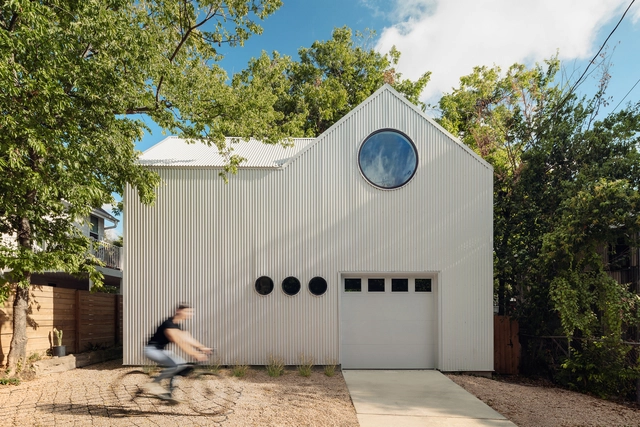
There are three primary settings in which lower-density urbanism can be useful, and where conditions favored by YIMBYs are weak or nonexistent: as a replacement for what is currently slated to be built out as sprawl, as a recovery process for existing sprawl, and in small towns that are growing. Giving up on these settings forces all development intended to combat the housing crisis into urban settings, ideally near transit, where land is much more expensive to acquire and to develop. It also allows the sprawl machine to roll on unimpeded.The best vehicle for implementing principles illustrated here at the scale of a neighborhood, hamlet, or village is not a major production builder, as these principles violate almost all of their conventional industrial practices. Instead, look to the record of stronger New Urbanist developers who are no strangers to doing things considered unconventional by the Industrial Development Complex in the interest of better places with stronger lifetime returns.
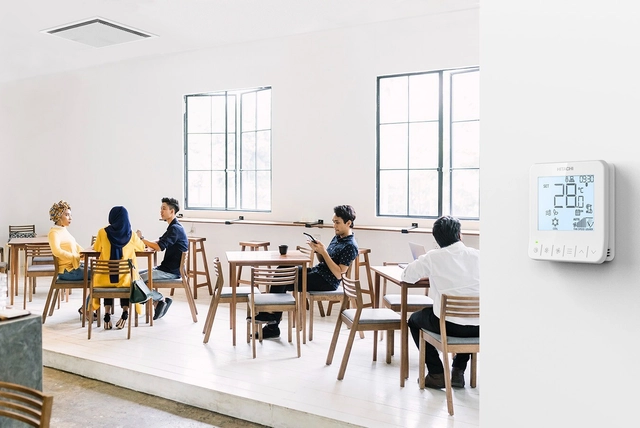
Heating and cooling buildings have always been two of the most important challenges in ensuring indoor user comfort. At a biological level, our bodies generate heat through metabolism, a physicochemical process. And although the human body has temperature regulation mechanisms, such as sweating and vasodilation, sometimes we need additional help to achieve thermal comfort. Therefore, since ancient times, traditional strategies have been sought to help achieve this, and many have been adapted to their historical and material contexts.
https://www.archdaily.com/1001837/empowering-thermal-comfort-through-smartphone-technology-in-hvac-systemsEnrique Tovar
Jingru (Cyan) Cheng . Image Courtesy of Wheelwright Prize
Harvard University Graduate School of Design (GSD) has announced Jingru (Cyan) Cheng as the recipient of the 2023 Wheelwright Prize, a study grant created to support globally-minded research and investigative approaches to contemporary architecture. The winning research project, titled “Tracing Sand: Phantom Territories, Bodies Adrift,” delves into the multifaceted impacts of sand mining and reclamation, understood from cultural, economic, and ecological perspectives. The unassuming material has become an indispensable element for our built environment and human communities, serving as a vital component in the production of glass, concrete, asphalt roads, and artificial land. Yet the process of dredging underwater systems and sand mining leads to the disruption of habitats in a process that simultaneously shapes one habitat while devastating another.
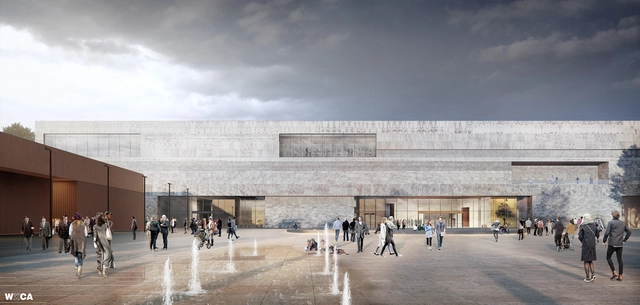
Polish History Museum . Image Courtesy of WXCA Architects
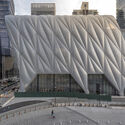
In the capital city of Poland, WXCA won a competition to design one of the largest museums completed in Europe today. The museum is now under construction at the Warsaw Citadel. The development is a combination of the Polish History Museum and the Polish Army Museum. Located on the site of a former fortification, the complex will become a culture hub rooted in remembrance.
There are many ways to define architecture, from the most technical to the most poetic. It uses many aspects within its context: space, program, tectonics, and gesture, which refers to the stroke, the drawing, and the design. Perhaps the quick sketch that comes to mind when talking about gesture is that of shelter: a cut or elevation, with human scale, of vertical enclosures and coverings.
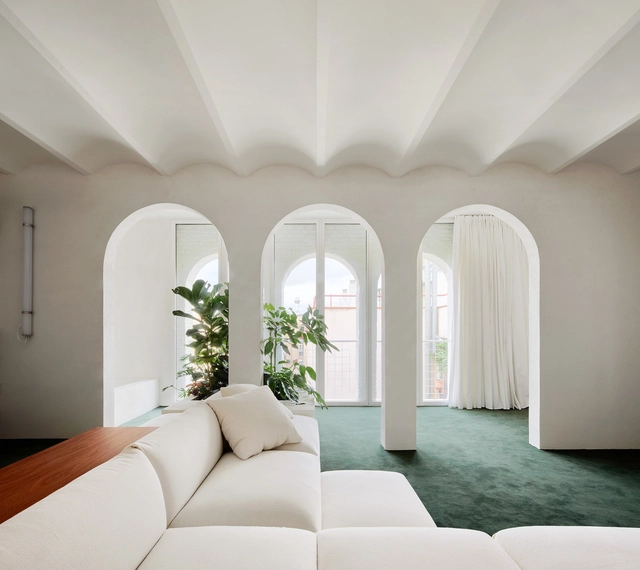
Although the use of arches in architecture dates back to the 2nd millennium B.C., it was the Romans who solidified them as both an engineering element and a symbol of military victories, which we now see excessively as memorial arches. Shortly after, different civilizations and cultures adopted the arch for their own purposes, bridging together structural necessity and aesthetics. In this article, we look at how arches evolved from significant structural elements to captivating decorative details.
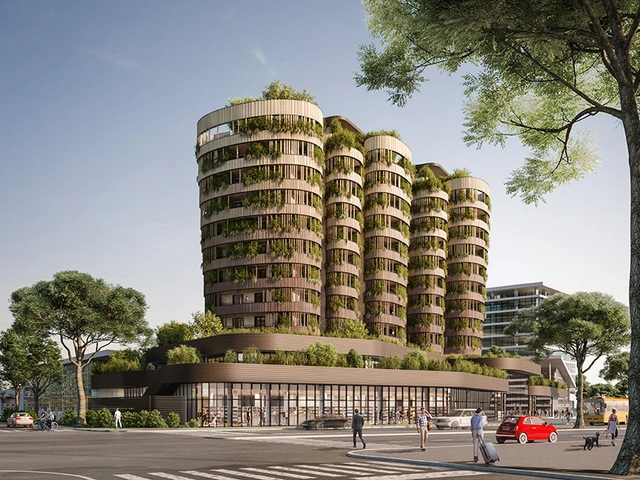
Mario Cucinella Architects has unveiled the design for the new Piazza dei Navigatori in Rome, Italy. Planned as a mixed-use development, the design is predominantly for residential spaces, with a retail and office component, parking, and "plant rooms". The development is located in an area rich in natural elements, which heavily inspires this urban agglomeration.
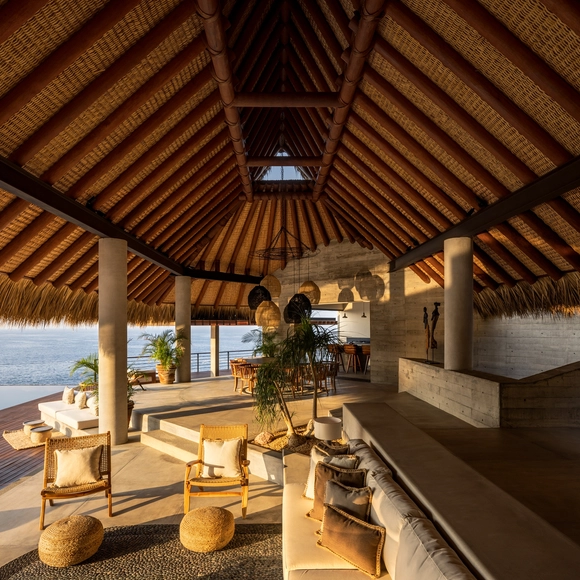
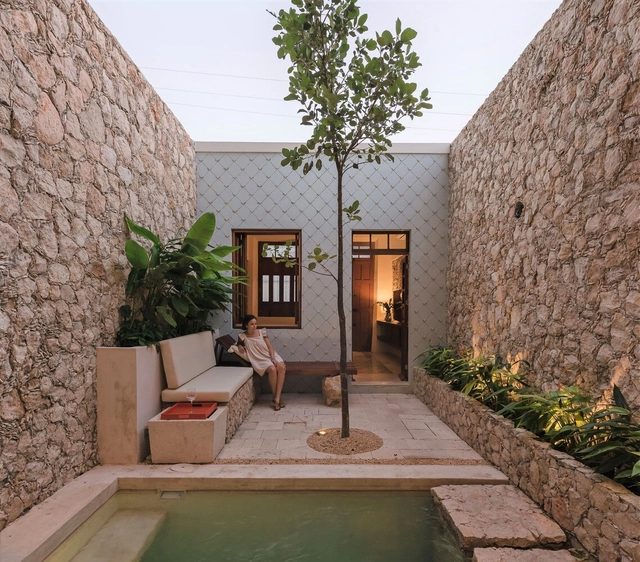
The city of Mérida, the capital of the state of Yucatán in Mexico, has experienced a significant architectural boom in recent years due to emerging talent that has gained recognition through awards and biennials across the country. With its tropical climate, the architecture in this region responds to specific geographical conditions, making it one of the most visited destinations. Mérida is a city that was built upon the remnants of the Mayan city called T'Ho and is composed of a rich culture that combines different moments in history. As a result, the contemporary architecture of this region incorporates traditional elements such as vaults, lattices, and sustainable traditional finishes that are reinterpreted to create a new language that reflects the present moment in which they were constructed.
Foodscapes: Spain's Pavilion for the Venice Architecture Biennale 2023, curated by Manuel Ocaña and Eduardo Castillo-Vinuesa, explores the Spanish agro-architectural context to address global issues. It analyzes the past and present of food systems and the architectures that construct them, in order to look towards the future and question other possible models that are capable of feeding the world without devouring the planet.
https://www.archdaily.com/1003304/foodscapes-a-journey-into-the-architectures-that-feed-the-worldArchDaily Team
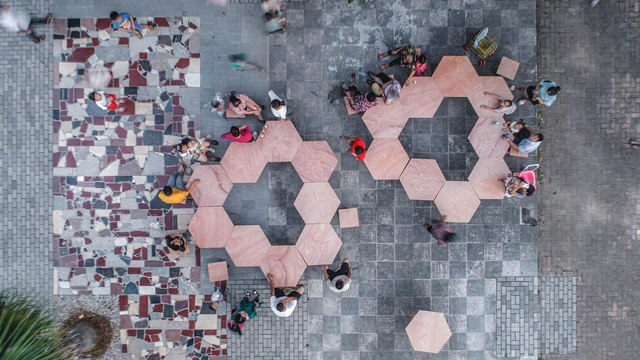
Advancements in technology have paved the way for a revolutionary approach to architecture, one that involves responsiveness and movement. This concept called "kinetic architecture" allows buildings to dynamically adapt to their ever-changing surroundings. As of today, kinetic principles are commonly applied to enhance the environmental sustainability of buildings, especially through facades. However, kinetic architecture has the potential to impact the built environment in other facets as well. In public spaces, kinetic architecture holds immense promise, presenting opportunities to make them more accessible, inclusive, and user-friendly. Introducing kinetic elements into public spaces challenge long-held assumptions about architecture as a passive arrangement, ushering in a new era of interactive and engaging urban environments.
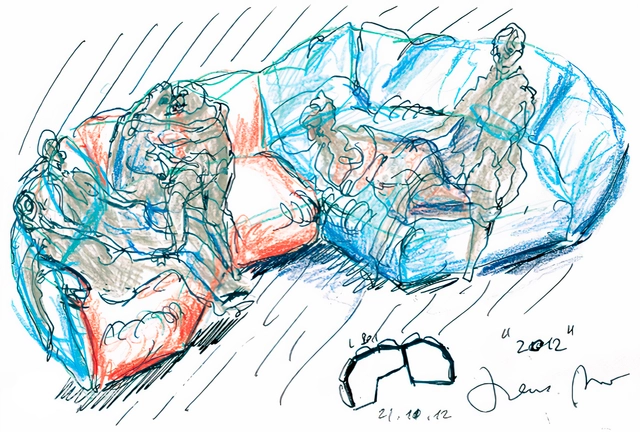
Standard, project sketches. Francesco Binfaré, 2012. Image Courtesy of Edra
The earliest vestiges of furniture in society can be traced back to the Fourth Dynasty of Egypt when the armchair of Queen Hetepheres I (ca. 2600 BC) was discovered. This armchair marked a significant milestone in the history of furniture. It is not surprising, therefore, that the chronology of furniture is intertwined with architectural, pictorial, and sculptural expressions of the time, where these elements often act as witnesses and, in exceptional cases, as central objects in the history of art and design.
Furniture consists of everyday objects designed to meet specific needs in our daily lives. However, sometimes they transcend their practical function and take on an autonomous presence. A piece of furniture has no nobler purpose than its interaction with human beings, therefore, separating these objects from their utilitarian dimension becomes an act of disruption. As a result, designers such as Francesco Binfaré have described sofas as “The most mysterious object amongst the furniture populating the interior design universe”. In this context, Edra creates unique objects that blend art and industrial production, reflecting contemporary domestic landscapes and experimenting with new shapes and materials.
https://www.archdaily.com/1002698/the-renaissance-of-the-sofa-innovations-atypical-shapes-and-anthropometryEnrique Tovar
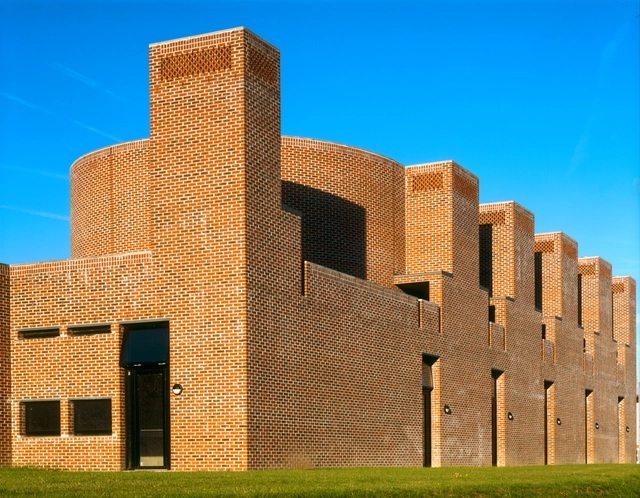
Irish architect Shane de Blacam has been awarded the 2023 Royal Academy Architecture Award in recognition of his commitment to creating communal spaces and the craftsmanship and detail of his projects. In 1976, De Blacam co-founded the architectural firm de Blacam and Meagher alongside John Meagher, establishing a collective practice focused on the careful integration of local materials and the creation of comfortable spaces for people. Each year, London’s Royal Academy awards individuals or collective practices whose body of work has made a meaningful and positive impact on society.
Five finalists have been shortlisted in the competition to design the new Griegkvartalet Theater in Bergen, Norway. The project is set to be a cultural powerhouse in Western Norway, hosting multidisciplinary forms of art, including opera, musical theater, ballet, dance, concerts, and conferences. The competition emphasizes integration with the surroundings, urban space, energy efficiency, and feasibility.
The shortlisted teams include Henning Larsen Architects, Snøhetta, Zaha Hadid Architects, MAD arkitekter and Kengo Kuma, and the Nordic Office of Architecture includes Arkkitehtitoimisto ALA in the architecture subjects. Each studio was selected from 32 participants worldwide and will be filtered into three winners in the coming stages in the fall of 2023. Ultimately, by March 2024, one winner will be selected and receive the official service contract to begin construction.
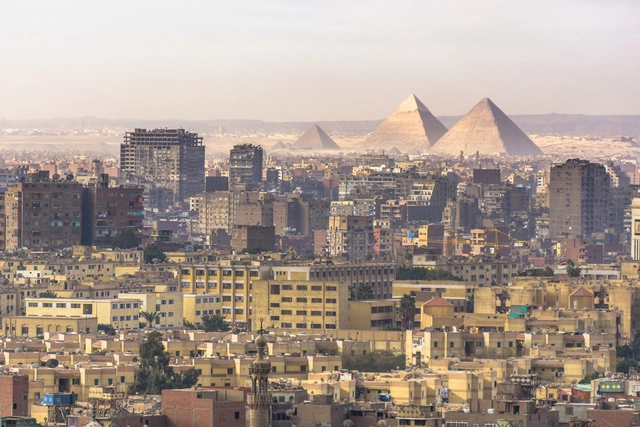
Cairo,Egypt's vibrant capital, is a unique synthesis of both historical and contemporary architecture. One of the most populated cities in Africa, this busy urban agglomeration has a long, rich history and is home to nearly 20 million people. Apart from the infamous Great Pyramids of Giza and the Sphinx, which have attracted tourists for ages, the city has been a melting pot of cultures, histories, and built environments alike.
The city of Cairo has witnessed many different eras, each characterized by unique architectural styles. After the Ancient Egyptians, the Islamic Period saw the birth of iconic buildings like the Mosque of Ibn Tulun and the Mosque of Sultan Hassan. These were followed by the Mamluk Period, during which structures such as the Al Rifai Mosque and the Mosque Madrassa of Sultan Barquq were constructed, boasting exquisite stone carvings, towering minarets, and intricate decorative motifs. The Ottoman era brought its own landmarks, including the Mosque of Muhammad Ali and the Citadel of AlQalaa. In the late 19th and 20th centuries, Cairo experienced an influx of European architectural styles due to colonial influences. This resulted in the construction of notable structures such as the Cairo Opera House and the Cairo Tower.
Sayulita is a small beach town in Nayarit, a state located in the western region of Mexico. It is a locality of about 3,390 inhabitants that has grown significantly in the last decade due to tourism, mainly from the United States and Canada, who are attracted by the landscapes and waves that have made it one of Mexico's main surfing destinations.
Bogotá is a metropolis that celebrates the convergence of different architectures, reflecting a significant part of Colombia's diverse culture and geography. Limited by the Eastern Hills, it is not only one of the highest capitals in the world, reaching almost 2,600 meters above sea level, but its history dates back to its foundation as the center of the New Kingdom of Granada in the year 1538.
This guide aims to provide an overview of its colonial, modern, and contemporary architecture, highlighting its main buildings and architectural points of interest. From its civic spaces to renowned public projects such as museums, libraries, and cultural centers, this list of 30 sites showcases works by modern architects like Rogelio Salmona and Germán Samper, as well as contemporary ones like Equipo Mazzanti and TAB. We hope it helps you get to know the city!
The 18th International Architecture Exhibition of the Venice Biennale, inaugurated on May 20th, is truly embodying its theme: "The laboratory of the future". Presented by the main curator Lesley Lokko, it invited "architects and professionals from an expanded field of creative disciplines to draw examples from their contemporary practices that would pave a path for the audience to move forward, imagining for themselves what the future may hold."
The Chilean pavilion, curated by Gonzalo Carrasco, and Alejandro Beals, as well as Loreto Lyon (Beals Lyon Arquitectos), was centered on "Moving Ecologies." The exhibition presented the current challenges regarding ecological repair and restoration, focusing on the study of soil recovery processes using endemic seeds.
https://www.archdaily.com/1003230/moving-ecologies-the-future-will-not-only-be-built-but-also-sown-and-plantedArchDaily Team
Contemporary family living setups mean parents and grandparents in need of care, teenagers and young adults in need of independence, and homeowners in need of the financial security of a guaranteed passive income are all finding themselves in the same situation, and under the same roof. With little extra space to move into, and few options in an increasingly squeezed housing market to move out to, the simple solution is just to add another roof.
For those in the market for more functional floorspace, detached single-story ADUs (accessory dwelling units) are a simple way to boost a home’s usability fast, while avoiding the regulatory wranglings inherent in more complex structural adaptations.