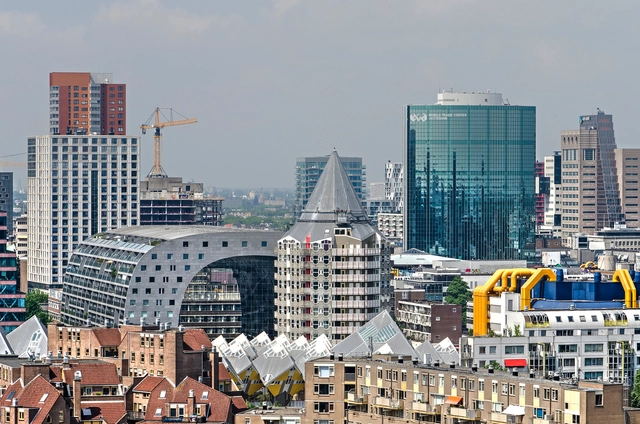
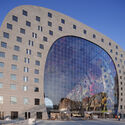
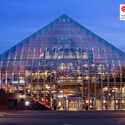
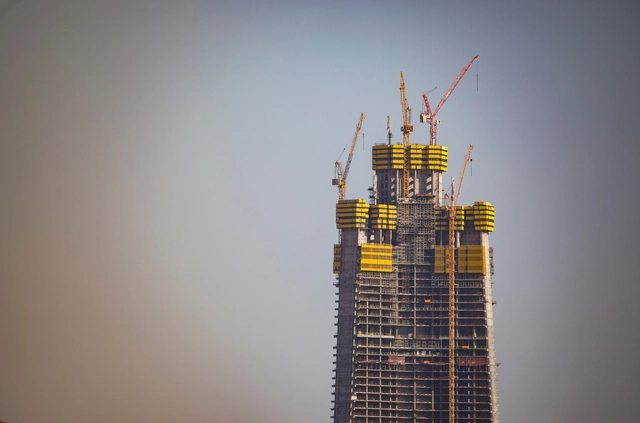
Often referred to as the “Manhattan on the Maas,” Rotterdam is a city unlike any other in the Netherlands. The Dutch metropolis with its striking skyline, tells a unique architectural narrative with chapters filled with the rubble of the devastating bombings of World War II, followed by a story of reconstruction that transformed the city into a hub for experimental architecture and urban planning. Today a mosaic of architectural styles, Rotterdam has embraced innovation, becoming a global showcase for cutting-edge design and sustainable urban development.
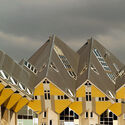
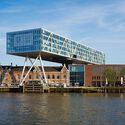
In 1940, almost the entire city center was wiped out by German bombs. Instead of following other European cities’ examples of reconstruction, Rotterdam decided to reinvent itself. Today, the city hosts some of the most well-known Dutch pieces of architecture, such as the Kubuswoningen or the Het Nieuwe Instituut. Its open attitude toward innovation and experimentation continues to attract talent from around the world, as its distinctive skyline continues to change and adapt to contemporary conditions.
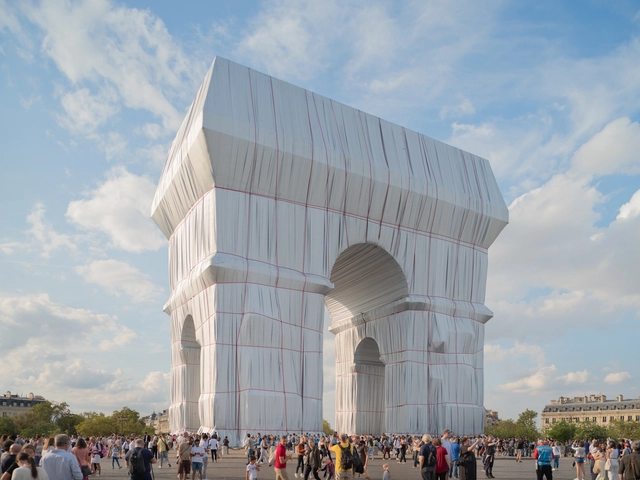
Two years ago, on September 18, 2021, Christo and Jeanne-Claude's L'Arc de Triomphe, Wrapped, 1961–2021, was inaugurated. The monumental public artwork wrapped the Parisian monument in over 25,000 square meters of silvery fabric tied in place with 7,000 meters of red rope. The materials, all made out of woven polypropylene, a type of thermoplastic, are now being reused, upcycled, and recycled, following the artists’ vision. Most of the materials will be transformed to serve practical uses for future public events in Paris. The Christo and Jeanne-Claude Foundation is also collaborating with Gagosian to bring Christo’s early works to London’s East End for an exhibition open from October 6-22, 2023.
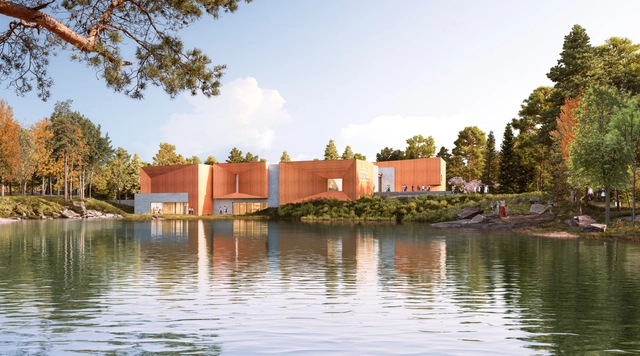
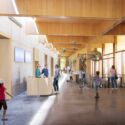
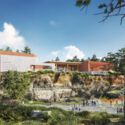
Ennead Architects and KSS Architects have just unveiled the design for the Jean & Ric Edelman Fossil Park Museum of Rowan University. The museum is located at the heart of a 65-acre fossil park in Mantua Township, New Jersey. Spanning 44,000 square feet, the program focuses on exploration, preservation, and education. Moreover, it allows citizens and scientists to have the unique opportunity to participate in fossil excavation alongside research actively. The visitor and the researchers will study the events leading to the fifth mass extinction, all within the confines of a 66-million-year-old former quarry. The project is scheduled to open its doors to the public in early 2024, positioning itself as a symbol of scientific exploration and environmental stewardship.
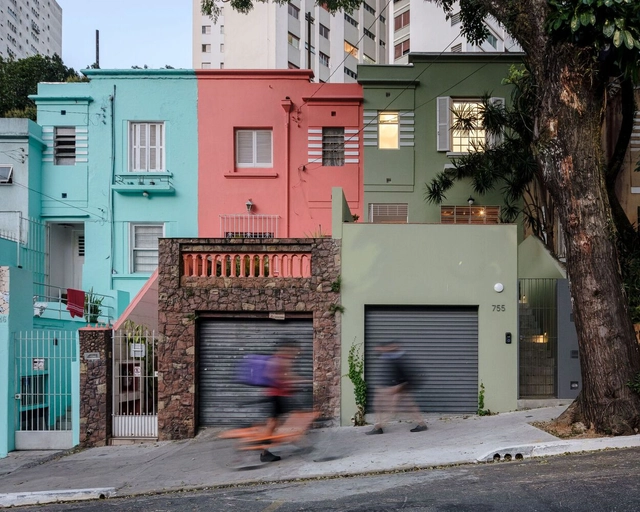
More and more, the field of architecture is shifting its focus towards revitalizing existing spaces. This shift is motivated by various factors, including concerns about sustainability, cost constraints, and the scarcity of available land in rapidly expanding urban areas. It presents an opportunity not only to renovate buildings but also to engage with the layers of time. This intricate task involves fostering a dialogue between contemporary and historical materials, acknowledging traditional construction techniques, and even uncovering hidden aspects of history and geography within the built environment to create truly unique architectural experiences.
https://www.archdaily.com/1007028/architecture-with-history-7-brazilian-houses-that-respect-the-layers-of-timeArchDaily Team
As society, technology, and architecture have evolved, designers and architects have embraced novel construction systems and innovative approaches to reshape the built environment. This advancement has stretched the boundaries of traditional construction techniques and ignited fresh ideas in building design.
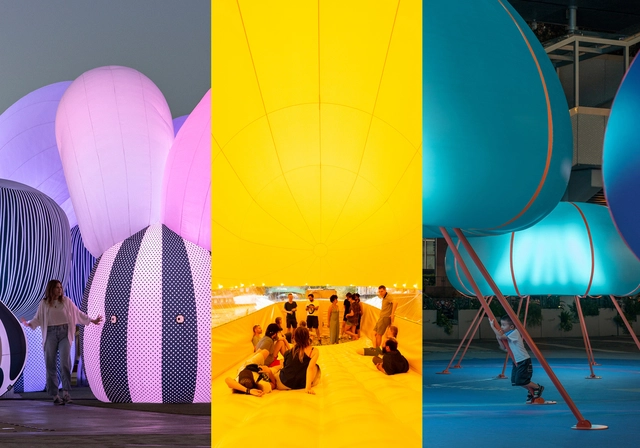
In the past, some architects and artists aimed to question an architectural paradigm deeply entrenched in anthropocentrism. Historically, architecture has been linked to the notion that buildings, being conceived by human beings, must be extremely durable, even imperishable. Considering the principle that the best intervention is the least intrusive, inflatable architecture, in contrast to these human-centric viewpoints —but aligned to our ephemeral nature—, can propose structures that may exist one day and vanish the next, leaving a temporal imprint on the landscape. This architectural approach uses textiles as the primary material and air as the structural system, potentially challenging the traditional Vitruvian ideals of Venustas, Firmitas, and Utilitas.
https://www.archdaily.com/1007496/inflatable-architecture-pneumatic-structures-transforming-built-environmentsEnrique Tovar
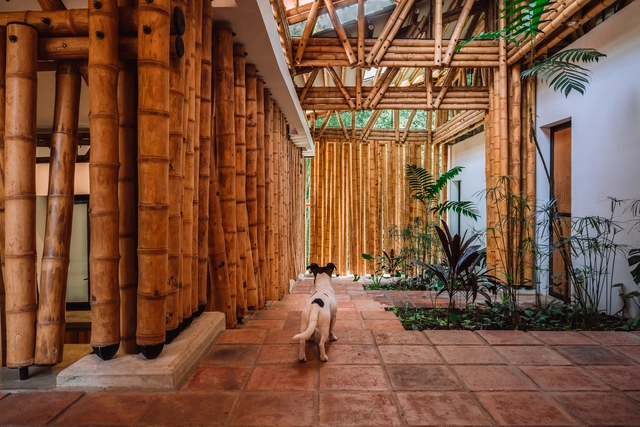
The use of local materials in architecture is becoming more and more important as there is a growing need to find new, sustainable construction methods that can help address the current climate crisis. Understanding the behavior of different materials and their key construction properties, architects and other professionals in the field are increasingly turning to bamboo, aiming to develop strategies and techniques that enable its use in both the structures of their projects and the various components of spaces.
Digitization has revolutionized the way we experience art on platforms like SINGULART, which combines multiple influences from various artists.. Image Courtesy of SINGULART
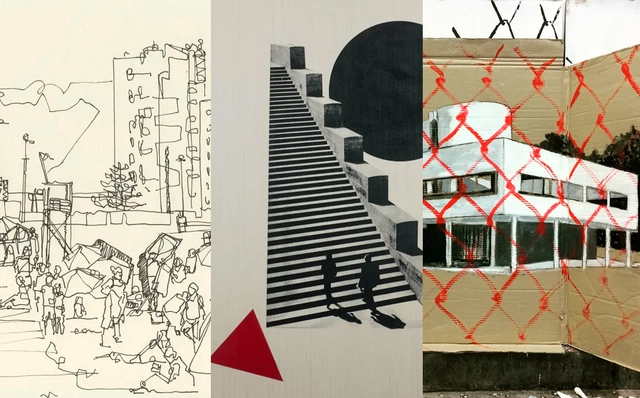
The relationship between art and architecture is a recurring topic of discussion, seeing as architecture can be positioned at the intersection of structure, technology, and aesthetics. Despite the utilization of technical knowledge, architecture, and interior design also incorporate artistic concepts into their processes. From captivating illustrations during the design development phase to murals and artistic pieces that form an integral part of spatial conception, art plays an essential role in architectural production and society.
In the context of contemporary society, many of our activities are carried out digitally, from booking accommodation for travel to manufacturing materials and creating art exhibitions. In this sense, digitalization has also permeated the art world, conceiving initiatives like SINGULART, which challenges the traditional concept of art galleries by existing in a digital format. This platform combines works from various sources of inspiration and artistic techniques, encompassing everything from sketches and paintings to architectural photography. It fuses multiple influences from various contexts, including architectural work.
https://www.archdaily.com/1006625/from-sketch-to-painting-a-digital-art-gallery-to-inspire-everyday-architectural-workEnrique Tovar
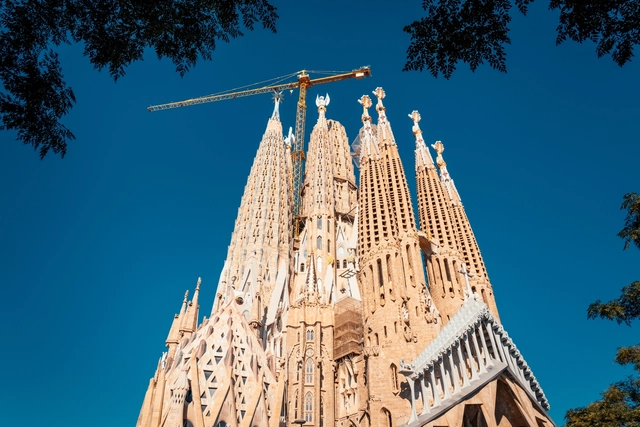
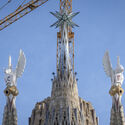
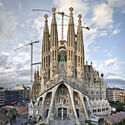
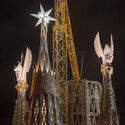
Sagrada Familia, Antonio Gaudi’s famous yet incomplete landmark, is moving forward toward completion. As of last week, five out of the six central towers have been fully constructed. Since this January, when the towers of Evangelists Luke and Mark were finished, two additional towers, dedicated to Evangelists Matthew and John, have been crowned with statues by sculptor Xavier Medina-Campen, marking their completion. The Junta Constructora del Temple Expiatori de la Sagrada Família, the foundation overseeing the construction, announced a special Mass on November 12 to mark the inauguration, initiating the illumination of the four towers all throughout the Christmas season.
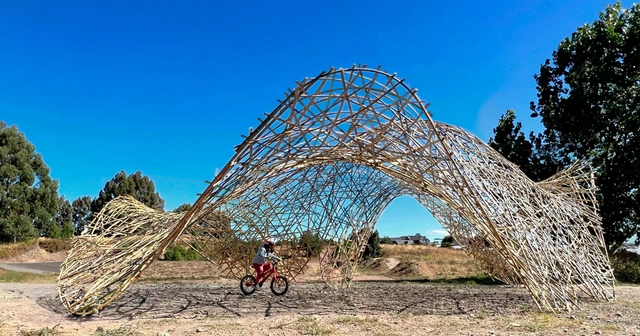
Innovation in materials and construction systems has been a significant theme in 2023, and BASE Studio has decided to surprise us with a new material configuration that showcases the mechanical and aesthetic capabilities of Colihue. Alongside this proposal, innovative ideas for habitable projects have been generated, setting them apart from others through a distinctive spatial morphology created within a rigid perimeter of arches that inscribe a paraboloidal surface.
Besides denoting a show of careful thought, in architectural terms, the word ‘considerate' also suggests an emotional and perhaps even empathetic approach. And why shouldn't it?
Good architecture can and should be considerate—in all the varied ways the word embodies. While it could start off with the motivation to do good and require an initial moral approach, this sensibility, combined with a meticulous knowledge of individual/communal needs and transparent communication, generates a well-adapted, and accessible built environment that can promote growth.
https://www.archdaily.com/989415/good-architecture-is-considerateArchDaily Team
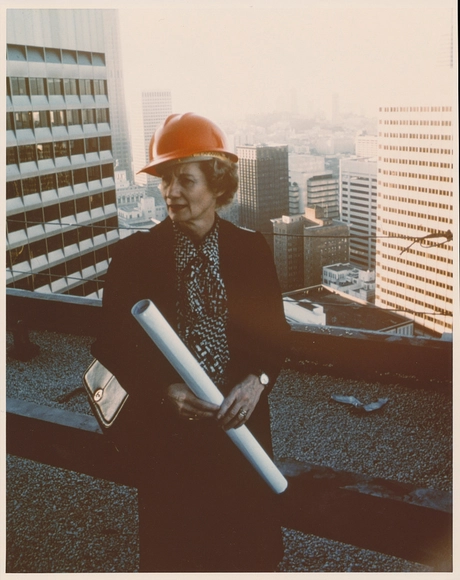
Beverly Willis, architect, wearing a hard hat at a construction site. Image Courtesy of Library of Congress Prints and Photographs Division Washington
American architect and tireless advocate for gender equality Beverly Willis passed away on October 1, 2023, at the age of 95, as reported by The New York Times. Throughout her career, she was dedicated to breaking down barriers for women in a traditionally male-dominated profession. She ran an accomplished studio in San Francisco, having completed over 800 projects across the US, and established a Foundation for recognizing and promoting women in architecture. Across various programs and scales, her designs have gained national recognition for their humanistic concern for the occupant and for adapting historic buildings to modern purposes, a practice now known as adaptive reuse.
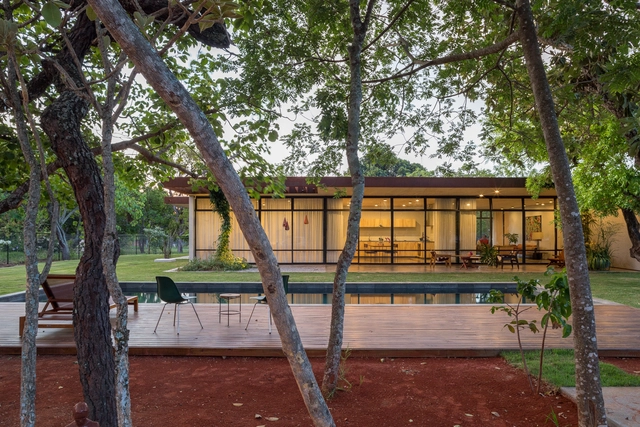
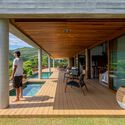
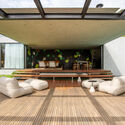
Living in a tropical country means cherishing outdoor experiences, whether feeling the gentle breeze, connecting with nature, or basking in the sunlight. We have grown up with a cultural tradition of playing in our yards, gathering with family and friends on balconies, enjoying barbecues, or simply admiring the beautiful landscape. Numerous Brazilian residences integrate wooden decks for these purposes. They are versatile spaces that fulfill various functions.
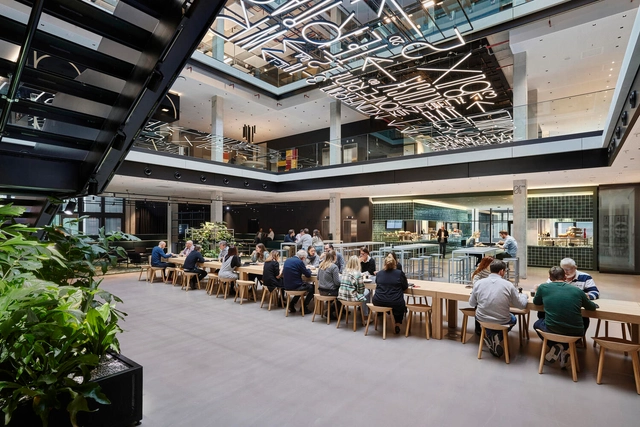
The atmospheric sadness of a typical office ‘kitchen’ – and by kitchen I mean an old kettle, two rusty spoons (both missing) and three flimsy chairs around a one-person table – can be the root of much employee unrest. But when the alternatives mean either walking through the city smog or hunching over a desk with a Tupperware sandwich, dropping crumbs on the keyboard, there isn’t much choice.
In the post-pandemic workplace, however, where employee wellness demands respect and employers themselves are searching for ways to make their offices more appealing in a hybrid schedule, the age-old canteen format might just find its way back onto the menu. Here is a selection of projects that prove it can work, and how.
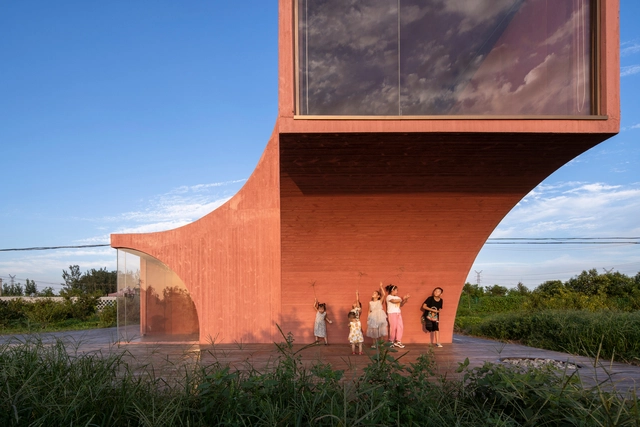
ATELIER XI has been selected for ArchDaily's 2023 New Practices and is one of the few firms still rooted in traditional architectural design. Founded in 2017, ATELIER XI began their practice in Shenzhen, one of the fastest-growing and urbanizing cities in China. Their work represents the current state of a generation of architects, with major projects in small-scale urban architecture, exhibition design, interior design, renovation, and rural architecture. While they may not become urban landmarks, they can still influence the lifestyle of the community through small-scale design.
The studio aspires to create spaces that bring unique poetry and profoundness to contemporary urban and rural environments: "We see architecture as an art of mediation between social, economic, and political interests. We strive to create meaningful places with minimal resources. We aim to convey emotions and memories through spatial poetry. We believe that each space, whether grand or tiny, offers a glimpse into the vastness of our world and serves as a testament to the glory of everyday life. By planting these quiet and resilient spaces one at a time, we envision architecture branching out and flourishing with life and narratives."
https://www.archdaily.com/1007149/how-to-challenge-the-design-brief-an-interview-with-atelier-xi韩爽 - HAN Shuang
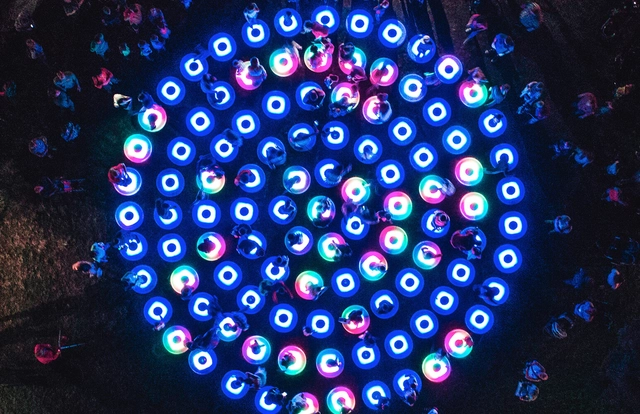
Courtesy of Jen Lewin, Photo by Brendan Burkett / The Pool
In the world of interior design, light serves as an essential medium, but light can also create immersive public spaces. While James Turrell, Olafur Eliasson, and Dan Flavin are celebrated for their transformative mastery of color, reflections, and luminous contrasts, it's crucial to note that the realm of light art isn't exclusively male-dominated. In response to the underrepresentation of female light artists, a refreshing and enlightening perspective emerges from the British lighting designers Sharon Stammers and Martin Lupton of Light Collective.
After founding the platform "Women in Lighting" their book "Women Light Artists," takes a bold step in introducing us to 40 creative women whose work radiates with responsive ingenuity and brilliance. The book offers a captivating spectrum of projects from interactive pools to the play of colorful daylight shadows dancing across a bridge in London, from the peaceful projection onto an iconic Berlin landmark to the vivid rainbow arching above Manhattan's skyline, each work embodies a unique dialogue between light and space. The luminous journey offers a valuable tribute to the power of female artists who, for far too long, have remained in the shadows.
As has become customary in recent years, on the first Monday of October, we celebrate both World Architecture Day and World Habitat Day, serving as a reminder to the global community of its collective responsibility for the well-being of the built environment. This edition, like its predecessors, sheds light on the realm of architecture and the challenges faced by our cities, introducing new themes, contemplating the state of our urban areas, and proposing constructive strategies.
Since urban economies have encountered significant difficulties this year, the UN's World Habitat Day focuses on "Resilient Urban Economies: cities as drivers of growth and recovery." Launching Urban October, this event seeks to bring together diverse urban stakeholders to deliberate on policies to help cities recover after the dual economic impacts caused by the COVID-19 pandemic and conflicts worldwide. Aligned with this concept, World Architecture Day, created by the UIA in 1985, has chosen to concentrate on "Architecture for Resilient Communities," emphasizing the role and duty of architecture in fostering thriving community existence while initiating a global dialogue regarding the interconnectedness of urban and rural regions within every nation.
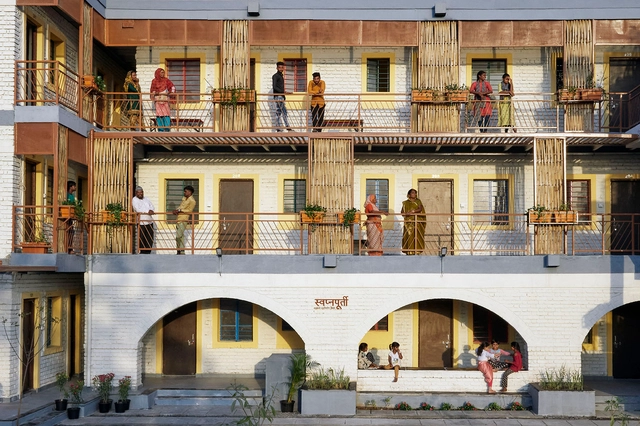
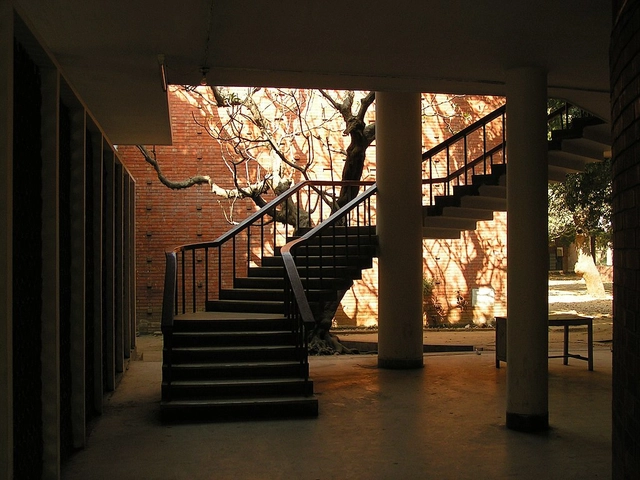
For the Indian subcontinent, the mid-1900s marked a transformative period, brimming with turmoil and hope. Leaving a century of British rule, India and the newly formed countries of Pakistan and Bangladesh held onto an optimistic vision of a transformed society. The newfound independence invited the international Modernist movement to envision a fresh identity for the nations. Spearheading the movement in Bangladesh was the architect Muzharul Islam whose work continues to influence contemporary Bangladeshi architecture.