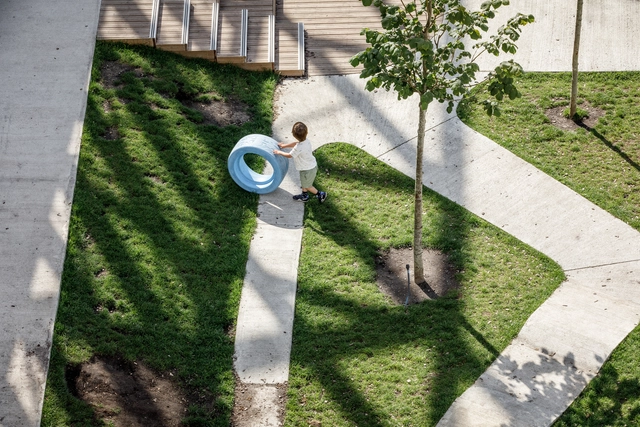
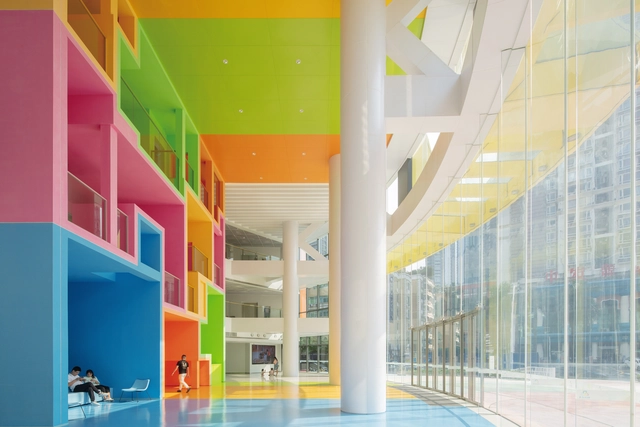
Have you ever considered how spaces are perceived, experienced, and enjoyed from a height of 95 cm? Considering urban design from the child's perspective is essential for fostering inclusive, healthy, and secure cities. Components tailored to these needs benefit children and enhance the experience for adults, the elderly, and people with disabilities. Blocks play a pivotal role in this discourse as key urban elements. These spaces provide several opportunities for utilization and adaptation within urban environments. They can be modified and designed in diverse ways, incorporating strategies to better cater to the specific needs of children.
The vomitorium and its purpose is one of historical architecture’s most common misconceptions. It’s said that the vomitorium was a room that neighbored Roman feasts, where guests could socially eject the contents of their stomach before returning to the feast with renewed capacity. Although this theory was not entirely based on fiction – as Romans are known to have indeed taken up habitual regurgitation, possibly as a sign of excess wealth – there’s no reason to believe there was a specific room dedicated to the practice.
The original usage of the term ‘vomitorium’ – taken from the same Latin root ‘vomere’ – in fact refers to a room that allows a large building to disgorge itself of its contents. A vomitorium, therefore, is nothing more than a corridor. Specifically, a wide, arterial corridor leading to or from a high-capacity public space such as a theatre, arena, or stadium, designed with the intention to get as many people in or out of the venue as quickly as possible. A well-designed vomitorium, for example, is essential for efficient emergency evacuation procedures, but even during day-to-day activity, the ability to move large numbers of people quickly helps with a venue’s turnover and creates a more pleasant crowd experience.
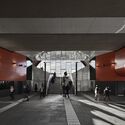
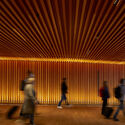
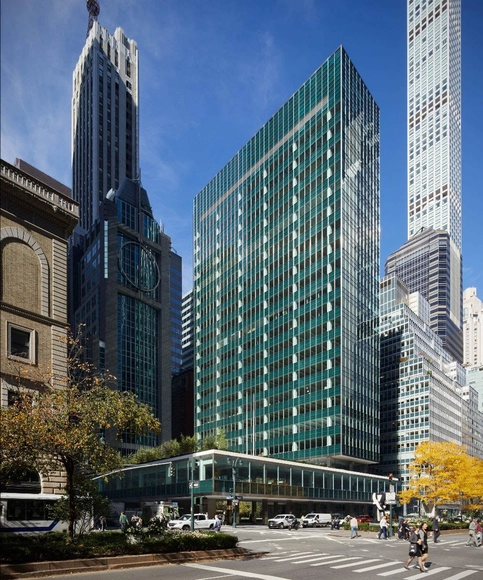
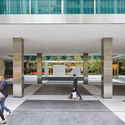
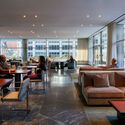
Skidmore, Owings & Merrill (SOM) has completed the restoration works for Lever House, one of New York’s Modernist landmarks. The building was completed in 1952, following SOM’s design. At that time, architecture critic Reyner Banham said of the building “it gave architectural expression to an age just as the age was being born.” Since then, SOM has retained a level of stewardship, revisiting the building and ensuring that the restoration works preserve the original image without compromising contemporary standards of performance.
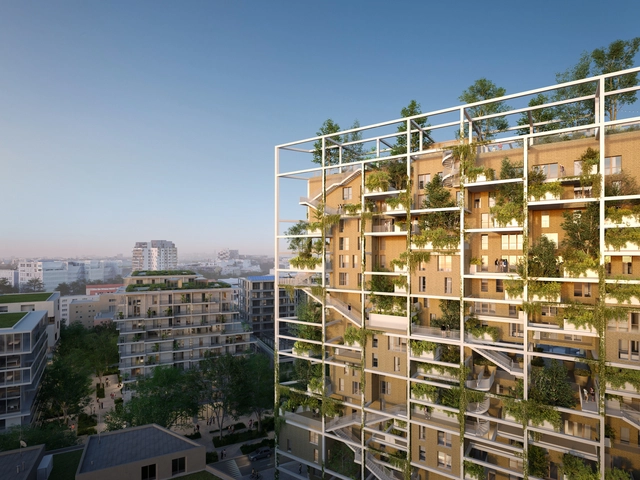
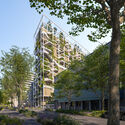
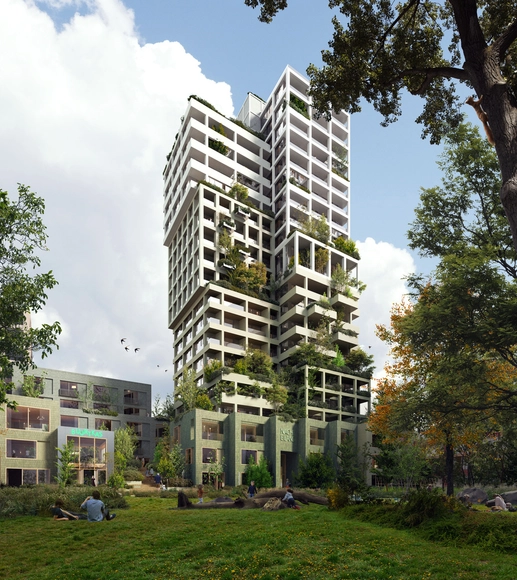
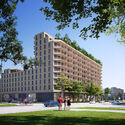
Construction on MVRDV’s La Serre started. Situated in the ZAC Léon Blum eco-district in Issy-les-Moulineaux, just outside of Paris, and designed by MVRDV, in collaboration with landscape architect Alice Tricon, and developer OGIC, the scheme aims to challenge conventional apartment living by integrating nature into the urban setting. The project features housing units, shops, and ample greenery, aiming to create a haven of biodiversity.
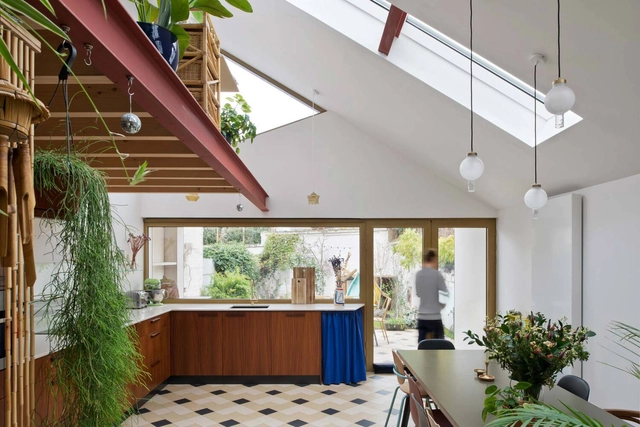
Double-height ceilings, commonly found in museums and industrial warehouses to accommodate large objects, offer both aesthetic and functional advantages. This concept seamlessly translates to residential designs, where these ceilings are often strategically placed near social areas or stairs. By doing so, they enhance the overall space, increase illumination, and add an impressive sense of height. In this context, we present examples to illustrate how to maximize the benefits of double-height ceilings in your home.
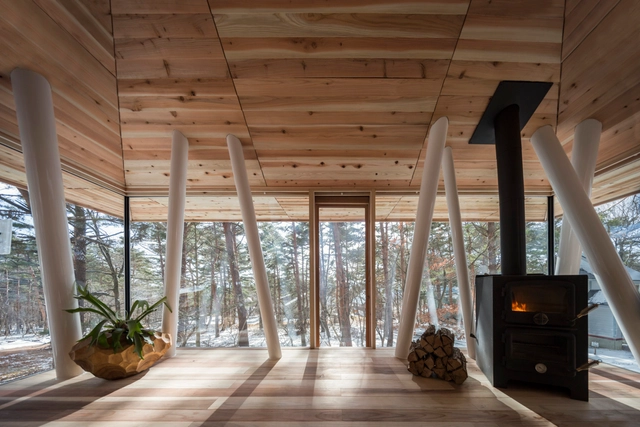
Some of the most picturesque projects are those built in the mountains; the rustic cabin wrapped with a floor-to-ceiling glass panel that overlooks the snow-covered trees. Visually, the architecture exudes an enchanting feeling, but is it truly a habitable space? When houses are built on an elevation of 3,000 meters, installing a fire element alone is not efficient or sustainable. Spaces on such altitudes or particular geographic locations require to be treated thoroughly, beginning with the architecture itself. Whether it's through hydronic in-floor heating systems or wall-mounted chimneys, this interior focus explores how even the most extreme winter conditions did not get in the way of ensuring optimum thermal comfort.
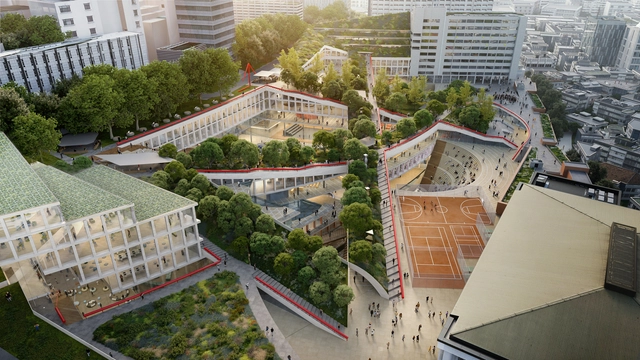
OMA / Chris van Duijn won the competition to design a new campus for Hongik University in Seoul, South Korea. The proposal introduces a cluster of low-rise buildings interconnected by a network of public spaces molded on the existing topography of the site. The design aims to reemphasize the university’s connection to the city and its neighboring areas and to introduce greenery and various open spaces creating a seamless connection between roof terraces, outdoor courtyards, and sunken plazas. The winning proposal was chosen from the entries from established international practices, including SANAA, Herzog & de Meuron, Renzo Piano Building Workshop, and David Chipperfield Architects.
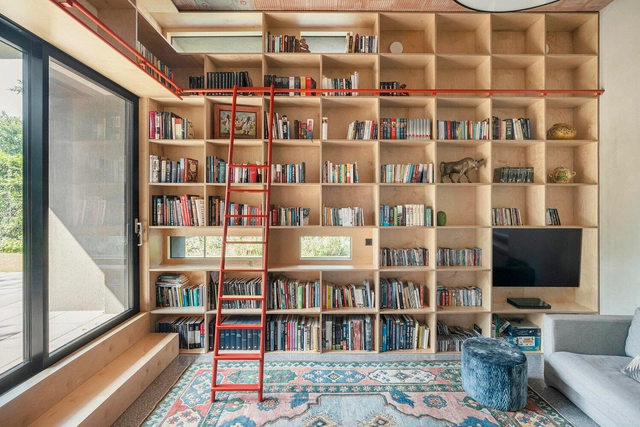
Hidden in plain sight right above our heads, there’s around 50-150cm of wasted space going unused and unnoticed. Those hard-to-reach spots atop wardrobes, kitchen cupboards, and bookcases are reserved only for seldom-used objects, left to be forgotten and gather dust. Helping rooms with high ceilings make full use of their additional height, however, interior ladders allow storage spaces to reach their full potential, while making sure they remain safe, comfortable, and easy to access by everyone.
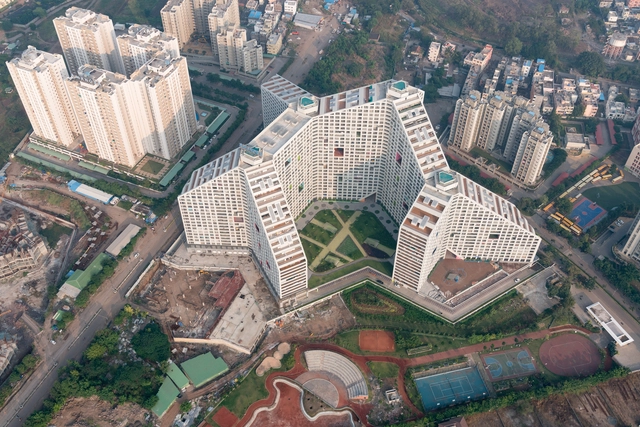
Like most countries, India faces a perpetual housing crisis. As the world’s most populous nation, with an urban population expected to grow from 410 million in 2014 to 814 million by 2050, this becomes a pressing concern. The Indian built landscape brings further complexities in the form of a pervasive market-driven approach and the need for socially relevant housing. Looking into the future, how will India address the needs of its growing population to house the next million urbanites?
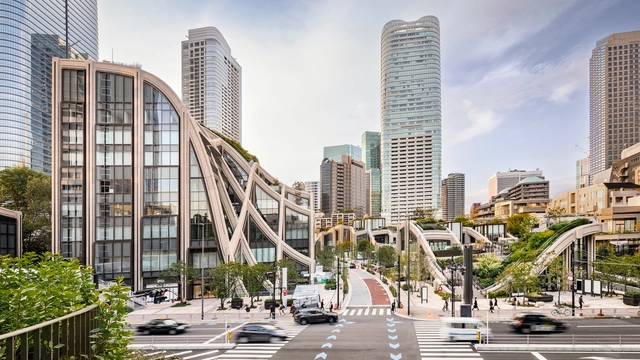
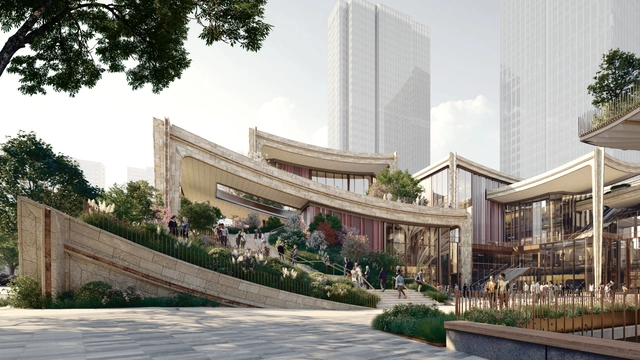
Heatherwick Studio has revealed the design of a new shopping district in the historic city of Xi’an in Shaanxi, China. The proposal aims to highlight the city’s rich heritage of ceramic-making and, through this, to create a sensory experience for visitors in opposition to the restricted act of online shopping. Spanning over 1115,000 square meters, the development features a mixture of functions, from offices, apartments, and a hotel, to a variety of green spaces, rooftop terraces, gardens, and a sunken terrace, all doubling as social spaces. The project is under construction and scheduled for completion in 2024.
Respecting others seems like something still distant from prevailing in humanity. In a world where news bombards us with various forms of violence, it is always necessary to find ways to recognize the worth and dignity of each person and to respect differences. We need to cultivate tolerance towards what we don't know, and in this regard, architecture can be an important ally.
The Holcim Foundation for Sustainable Construction has revealed the winning projects for the Holcim Awards 2023 competition, as well as the silver, bronze, and acknowledgement prizes, at a ceremony on November 18 in Venice, Italy. Evaluated by a jury comprising five independent expert panels from around the world, these projects were chosen to highlight contextual and practical approaches to sustainable construction, showcasing diversity across scales, budgets, geographies, and forms. On another hand, Francis Kéré winner of the Global Holcim Gold in 2012 and Laureate of the Pritzker Architecture Prize in 2022 took the stage at the event to talk about the influence of the Holcim Award on his career.
DnA_Design and Architecture Studio took home the golden prize for Asia-Pacific for an adaptive reuse project of a heritage building, while Husos, Elii, and Ultrazul won for Europe with a360° co-design process for the rehabilitation of an industrial building. For the Latin American territory, Cano Vera Arquitectura was selected for an urban forest and social infrastructure precinct, and for the MEA region, Juergen Strohmayer and Glenn DeRoché were praised for a youth empowerment and responsible tourism cooperative. Finally, Partisans Architects and Well-Grounded Real Estate won the first prize for North America with ahigh-tech and low-cost modular housing solution for urban living.
Videos
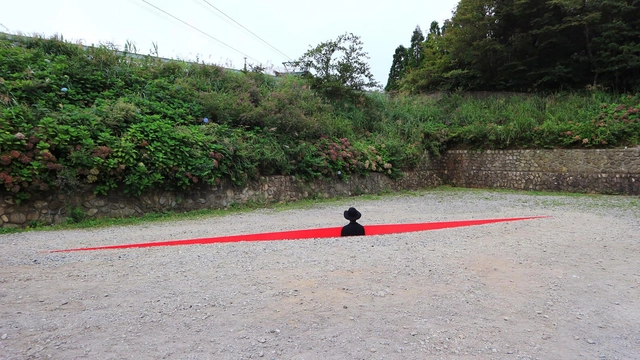
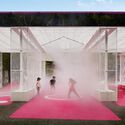
I Was Born Installation / HAJIME YOSHIDA ARCHITECTURE + YOSHIHIRO MIKAMI. Photo: Courtesy of HAJIME YOSHIDA ARCHITECTURE + YOSHIHIRO MIKAMI
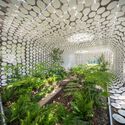
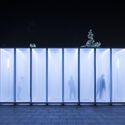
A space is much more than just its appearance. Textures, smells, and sounds can strongly affect the user's experience. Based on this, sensory architecture can transform the interaction between people and the built environment into something even deeper.
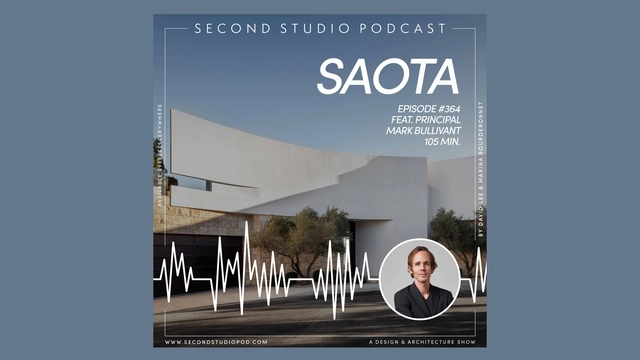
The Second Studio (formerly The Midnight Charette) is an explicit podcast about design, architecture, and the everyday. Hosted by Architects David Lee and Marina Bourderonnet, it features different creative professionals in unscripted conversations that allow for thoughtful takes and personal discussions.
A variety of subjects are covered with honesty and humor: some episodes are interviews, while others are tips for fellow designers, reviews of buildings and other projects, or casual explorations of everyday life and design. The Second Studio is also available on iTunes, Spotify, and YouTube.
This week David and Marina of FAME Architecture & Design are joined by Architect Mark Bullivant, Principal of SAOTA to discuss his background; attending architecture school in South Africa; working on projects across continents; the differing roles of contractors in different areas of the work; their collaborative approach; leadership and management of a large office; the various types of projects they work on; and more!
Watch live the Holcim Awards 2023 Ceremony on November 18, broadcasted from Venice, Italy during the final weeks of the Biennale Architettura 2023 - 18th International Architecture Exhibition, to discover the winners and the ranking of the nominees. Consisting of five independent expert panels from around the globe, the jury has chosen projects that demonstrate contextual and practical approaches to sustainable construction, divided into regional categories: Asia-Pacific, Europe, Latin America, Middle East and Africa, and North America.
Founded in 2004 by the Holcim Foundation for Sustainable Construction," the Holcim Awards for Sustainable Construction are the world’s most significant competition for sustainable design - showcasing projects that contribute to the transformation of the building sector." The Awards recognize projects that integrate sustainable design and construction with architectural excellence. Serving as a catalyst for innovators, these awards have granted so far over 320 prizes.
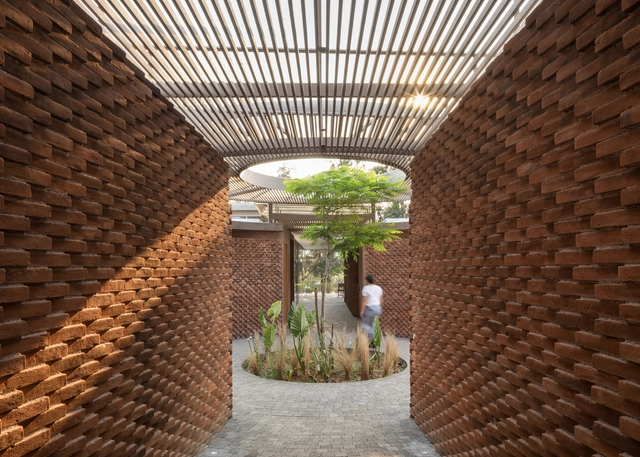
The term brick is often used as a synonym for common clay solid blocks, but there's more to it. Bricks are perhaps the most elementary of building materials and can be used to design modular, optimized, and most importantly, versatile buildings. This article explores the most popular types of bricks according to their use in construction.