We are thrilled to announce our upcoming February workshops in collaboration with our ArchDaily Supporters partner, Parametric Architecture. These workshops have been thoughtfully curated to empower architects, designers, and enthusiasts by providing them with the latest insights and skills in the dynamic realm of parametric design. Guided by industry experts and visionaries, these immersive sessions will explore cutting-edge techniques, innovative tools, and practical applications, creating an inspiring and dynamic learning environment where participants can take their design expertise to unprecedented levels.
As a token of our appreciation, ArchDaily Supporters will be entitled to exclusive benefits, including special discounts on any of the workshops offered by Parametric Architecture and one complimentary monthly workshop. Your commitment to advancing architectural innovation seamlessly aligns with the enriching experiences that these workshops promise to deliver. Stay tuned for more information on how you can fully unlock your creative potential and embark on an exciting journey of design exploration in February.
https://www.archdaily.com/1012858/parametric-architecture-february-workshopsArchDaily Team
The relocation of a capital city is a complex urban decision with various dimensions and consequences for both the old and new capital. It can be driven by political, economic, societal, and other factors, and has urban and architectural implications for residents. These include factors such as location, planning, building design, the purpose of the old capital, climatic conditions, and separating the political/administrative hubs from cultural and economic cities.
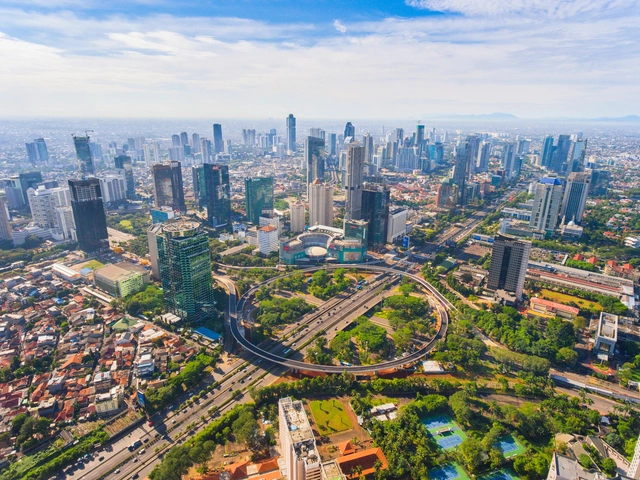
In light of the ongoing urban discourse, countries like Egypt are constructing a new capital city to alleviate population and urban stress on Cairo. Similarly, Indonesia is planning a new capital in response to challenges faced by Jakarta, such as pollution, traffic congestion, and rising sea levels. It is valuable to examine other countries in the global south that have relocated their capital cities, noting the architectural and urban lessons learned from their experiences.
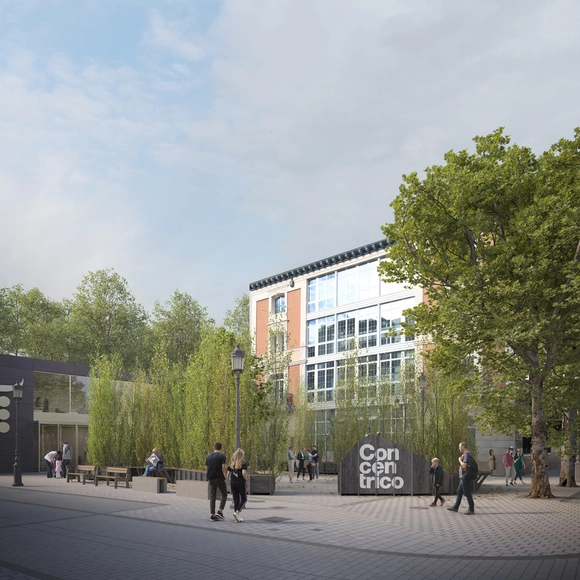
Poplar Assembly / Francisco Javier García García . Image Courtesy of Concéntrico
Now in its 10th edition, Concéntrico, the international festival of architecture and design in Logroño, has announced the winners of the open calls for urban interventions. Responding to the call to ‘Celebrate the City,’ the winning proposals will be temporarily built in Plaza Escuelas Trevijano, in Viña Lanciano of Bodegas LAN, and in Paseo del Espolón in the Spanish town of Logroño. The Festival welcomes visitors between April 25 and May 1, 2024, to explore the city through installations, exhibitions meetings, and performances.
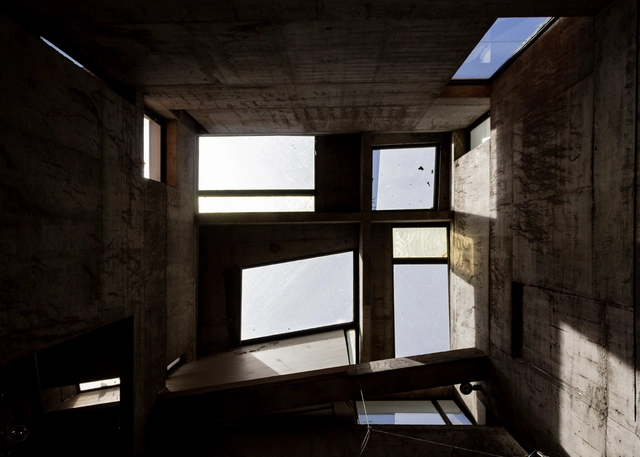
From 1987 to 1993, architect Pablo Tomás Beitía set out to transform the former housing complex and rental houses of Argentine artist Alejandro Xul Solar into a museum. The goal was to create a new space that would adapt to exhibition requirements and engage in avant-garde dialogue with the pre-existing structure. Situated in the Palermo neighborhood within the Autonomous City of Buenos Aires, the Xul Solar Museum was designed to serve as a space for cultural encounters. The remodeling and expansion project was conceived by interpreting the artist's pictorial worldview, maintaining the facade intact, and embracing the painter's house with a new interior architecture.
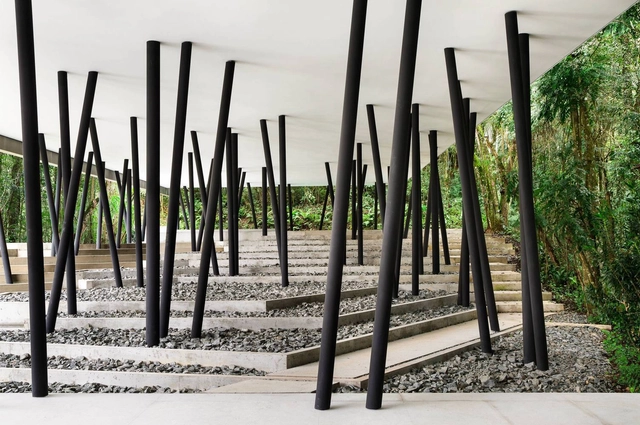
The unique language employed by each architect serves as the foundation for analyzing their work. Over time, this distinctive style becomes more evident, allowing for the identification of past influences and references. Simultaneously, it showcases a continuous evolution of this language, manifesting as a formal progression that aligns with the contemporary context. The projects by Studio Guilherme Torres serve as exemplary instances of this developmental journey, spanning from its inception to the present day.
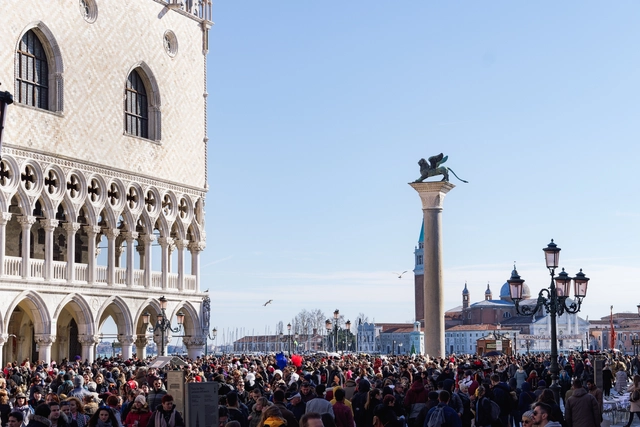
Venice authorities have launched a pilot program for their long-term discussed plan to introduce fees for day-trippers visiting the city. The program, which has been delayed several times citing logistical issues, was officially launched on January 16th, when the online payment platform became operational. While the scope of the program is expected to expand, for now, it will be applied only on certain days during the most crowded season, between April 25 and July 14.
Renovation work on Egypt’s infamous Menkaura Pyramid at Giza has sparked criticism on online platforms over the past two days. Dubbed by the head of Egypt’s Supreme Council of Antiquities as “the project of the century,” the ongoing renovation aims to restore the pyramid’s original style by reconstructing the granite layer. Initially, the pyramid was encased in granite and lost part of its covering over time.
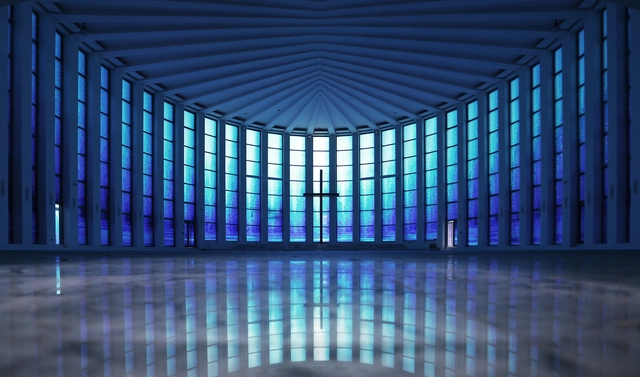
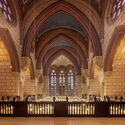
Whatever religion we classify ourselves as – or even if we actively renounce or denounce organized religion in all its forms – the one aspect of Christianity those in predominantly Christian countries are touched by at some point in their lives, is the classical aesthetic of church architecture.
Whether we actively attend church multiple times a week, begrudgingly once or twice a year, or once every ten years for one of life’s trinity of events: births, deaths, and marriages, while there we’re struck by the soaring arches, intricate stonework, and, on a sunny day, the spiritual beauty and colorful rainbows of light that stream through stained glass windows.
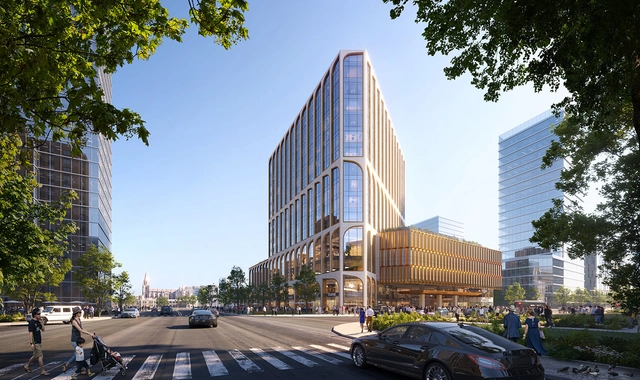
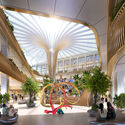
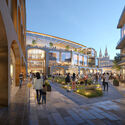
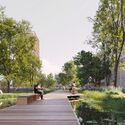
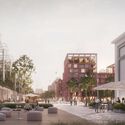
Goettsch Partners has recently won a design competition for an expansive urban renewal initiative in Jinan, China. Spanning three parcels, encompassing a total area of 111,500 sqm, the scheme is situated alongside the infamous Honglou Plaza. Positioned at the city’s center, Honglou Plaza holds historical significance as home to one of the region’s oldest cathedrals. The competition aimed to introduce concepts that would re-energize the regional core, through a design centered on pedestrian engagement.
Within a city, various factors are taken into account when it comes to housing, such as location, proximity to services, mobility, access to natural light, view, and noise levels. These considerations are particularly crucial in densely populated areas, with a stronger relevance to apartments in high-rise buildings. In contrast, when designing a house, specific factors are inherently addressed. It is assumed that a single-family residence is situated away from busy city centers, leading to longer commutes for services. The availability of natural light is influenced by the location of the building on the land, and noise is minimized because residential areas are usually away from bustling urban environments.
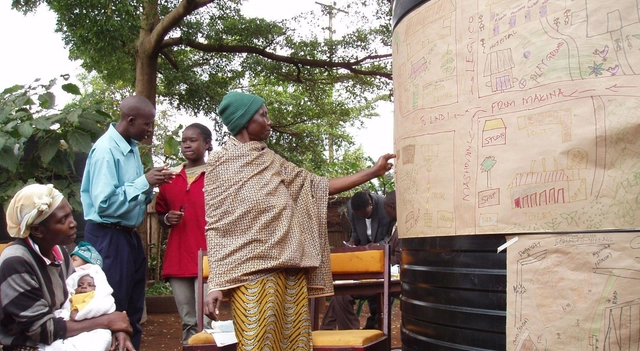
Women-led community planning session in Kibera, Nairobi, Kenya / Kounkuey Design Initiative (KDI). Image Courtesy of The Dirt
"We are focused on creating a just public realm," said Chelina Odbert, Hon. ASLA, CEO and founding principal of Kounkuey Design Initiative (KDI), at the National Building Museum in Washington, D.C. And by just, "we mean free, inclusive, accessible, unbiased, and equitable". A "just public realm is open to everyone.” There is unlimited access to streets and public spaces so people can travel to school and work and be full members of their communities.
Unfortunately, the public realm is instead often “intimidating, exclusionary, inaccessible, unjust, and inequitable” for many women, LGBTQIA+ people, people with disabilities, and people of color. Landscape architects, planners, and others need to understand who feels safe and comfortable in public spaces or there is a risk of perpetuating inequalities, Odbert argued.
https://www.archdaily.com/1012717/designing-spaces-that-are-good-for-women-and-everybody-elseJared Green
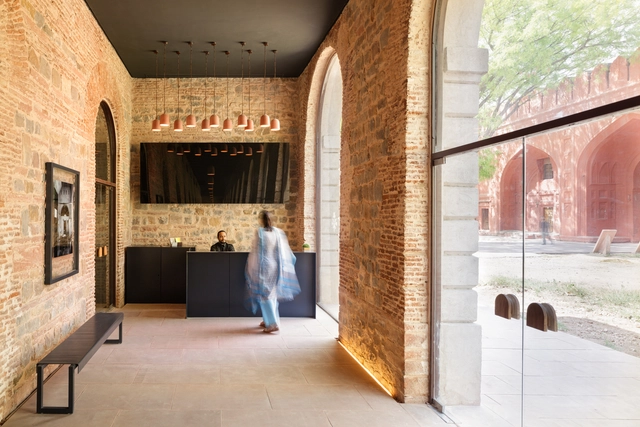
The Indian built environment constantly negotiates ancient traditions, diverse population, and globalized ambitions. When it comes to heritage preservation, these forces often converge to create a distinctive approach to conservation efforts in the country. Beyond the conventional models seen in many parts of the world, India's conservation projects intertwine historical practices, community engagement, and a reverence for the living essence of buildings.
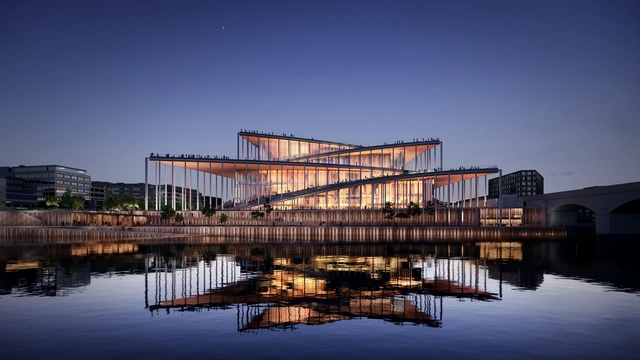
After winning the international competition for the design of the Vltava Philharmonic Hall in May 2022, Danish studio BIG-Bjarke Ingels Group has now developed the design into a detailed architectural study. The project continues the central concept of the competition, that of connecting the riverbank with the venue’s rooftop via a meandering path that expands the public space and invites visitors to engage with the new building. Construction is expected to start in 2027, after completing the project documentation for the building permit and selecting a contractor. The Philharmonic Hall is expected to open in 2032.
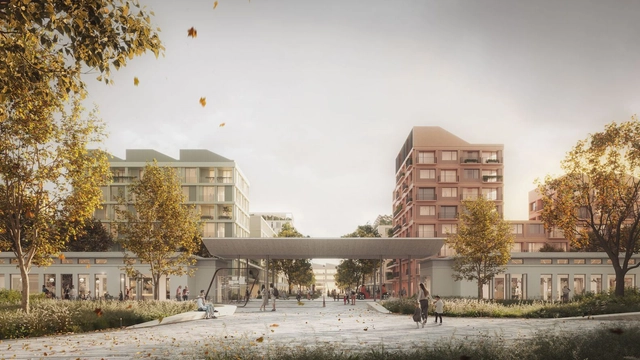
Last week, WXCA Architects unveiled the design for a new “green district of the future,” to be developed on a former FSO car factory site in Warsaw. Covering over 60 hectares, the project aims to accommodate more than 17,000 residents and provide employment for approximately 13,000 individuals by 2050. The Polish automotive FSO factory will be transformed, outlined in a master plan envisioning a multi-functional and environmentally conscious district.
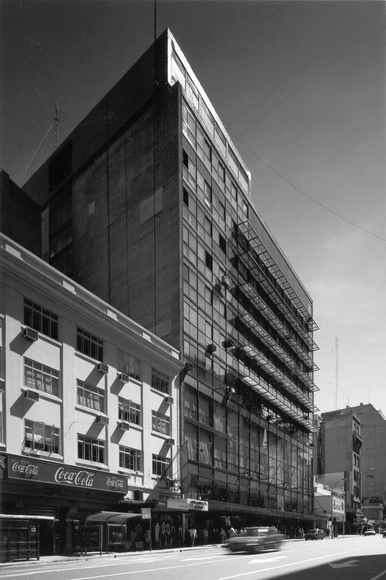
On Avenida Corrientes, the Teatro Municipal General San Martín (TGSM) rises between party walls in the heart of downtown Buenos Aires. Designed by Mario Roberto Álvarez and Macedonio Oscar Ruiz in 1954, this building comes to address an artistic and cultural issue common to the large cities of America. It stands as one of Argentina's most important theaters, providing spaces for theatrical and cinematic performances as well as art exhibitions. Spanning 30,000 square meters, it constitutes a theater complex alongside the General San Martín Cultural Center, operating independently.
Courtesy of New Murabba Development Company | Riyadh
Saudi Arabia, a country going through a tremendous transition, is not only changing its skyline but also redefining its identity on a global level. As part of their 2030 Vision serving as the compass, the kingdom is moving toward new developments, aiming to revive culture and diversify the economy. In fact, the capital, Riyadh, is leading the transformation by hosting the 2030 World Expo. Representing the country’s dedication to advancement, several mega projects are taking place and transforming the kingdom's fabric.
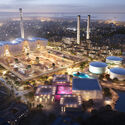
Amidst the various projects, many world-renowned firms are working on these mega projects at many different scales. For example, the cultural renaissance is shown through Snøhetta’s Opera House in Diriyah, while the Jeddah Tower is on a trajectory that will overtake the Burj Khalifa. In the meantime, Heatherwick Studio’s conversion of a Jeddah desalination plant into a thriving cultural center showcases their repurposing of industrial spaces. From coastal projects by Foster + Partners to city center skyscrapers that are redefining the skyline, the country is undergoing significant transformations in its built environment.
The Second Studio (formerly The Midnight Charette) is an explicit podcast about design, architecture, and the everyday. Hosted by Architects David Lee and Marina Bourderonnet, it features different creative professionals in unscripted conversations that allow for thoughtful takes and personal discussions.
A variety of subjects are covered with honesty and humor: some episodes are interviews, while others are tips for fellow designers, reviews of buildings and other projects, or casual explorations of everyday life and design. The Second Studio is also available on iTunes, Spotify, and YouTube.
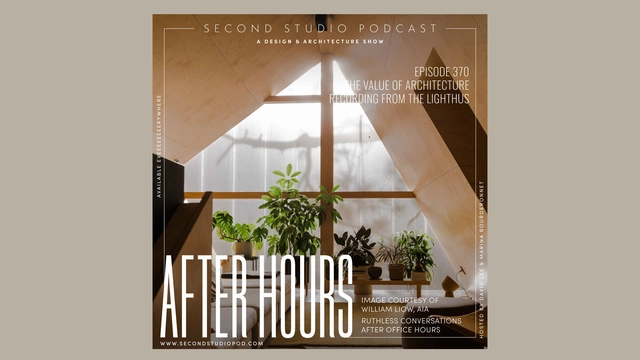
This week David and Marina of FAME Architecture & Design discuss their stay at the Lighthus, a vacation rental home designed by Peripherie Design Studio's William Liow, AIA. The two cover the design of the home, the value of architecture, communicating to clients, what architects do, and more.
https://www.archdaily.com/1012125/the-second-studio-podcast-value-of-architectureThe Second Studio Podcast