


-
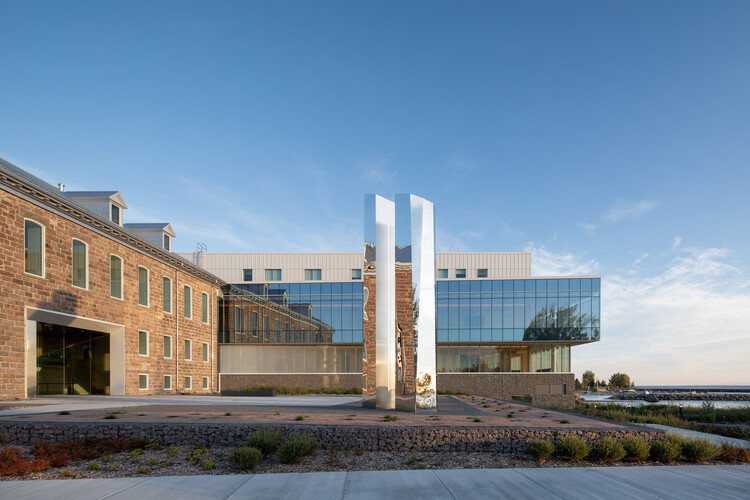
Architects: Groupe A
- Area: 8500 m²
- Year: 2025
-
Manufacturers: Abet Laminati, Armstrong Ceilings, Formica, Gerflor, Centura
-
Professionals: CIMA+, Unigec, Bouthillette Parizeau, Groupe A

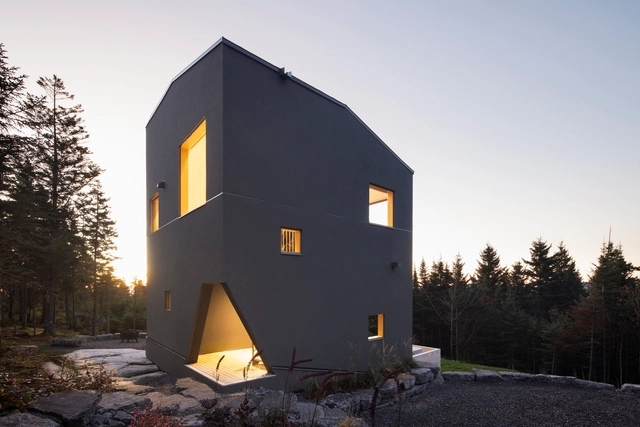
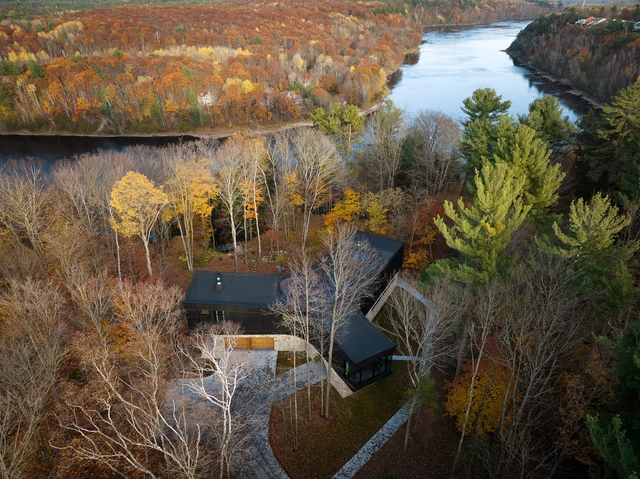
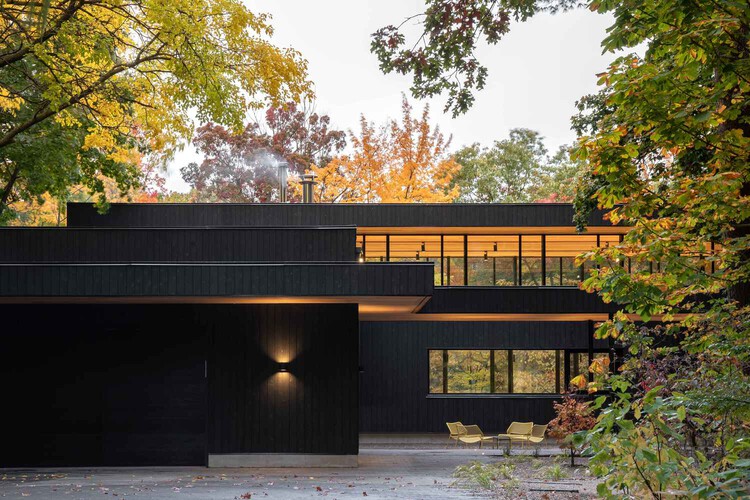
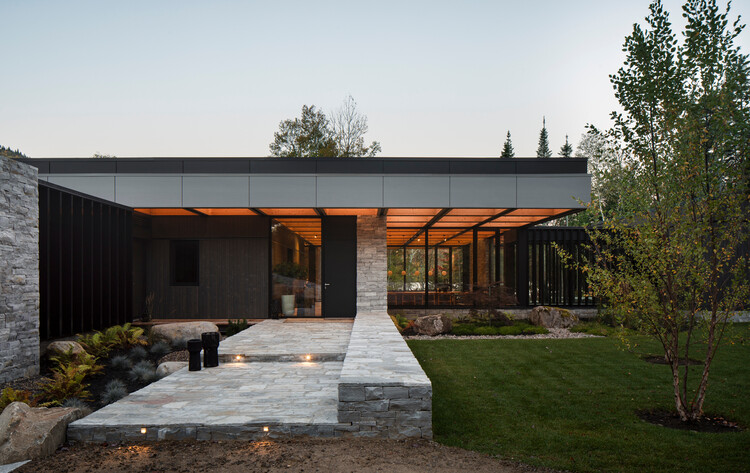
Shou Sugi Ban is a traditional Japanese technique for wood preservation that involves charring the surface of timber to create a protective layer. While its origins are rooted in practical durability, the method has been widely adapted into the modern built environment and shapes a unique and distinctive aesthetic. It is a material of contradiction: it remains bold in its visual language due to its dark tones, yet it simultaneously borrows from and complements its natural surroundings, allowing houses to settle quietly into their sites.
The charred finish among the 22 residences featured here across Canada and the United States serves as a common thread for navigating extreme climates. From humid lakefronts to dense forests, the carbonized skin acts as a resilient shield against diverse conditions. Beyond mere protection, these houses demonstrate how the material's texture changes with exposure to light, transforming from a flat matte in the shade to a silver-flecked, shimmering surface in direct sun. These projects also showcase the technique's ability to define architectural volumes, using the dark cladding to create sharp, monolithic silhouettes or to highlight the voids in a building's mass, such as recessed entryways and sheltered terraces.


_Yohei_Sasakura.jpg?1584733407&format=webp&width=640&height=580)
As cities continue to grow and daily realities shift rapidly, people are turning to new and evolving ways to maintain their well-being. While promoting active lifestyles has long been a focus for many planners and architects, through pedestrian- and bike-friendly cities, parks, and fitness or sports centers, recent times have shown that these publicly valued facilities are not always accessible. A clear solution has emerged in recent years, accelerated by the global pandemic in 2020. Both homes and workplaces have begun to adapt their interior spaces, incorporating designated areas and equipment to support physical activity and provide opportunities for movement during the day.
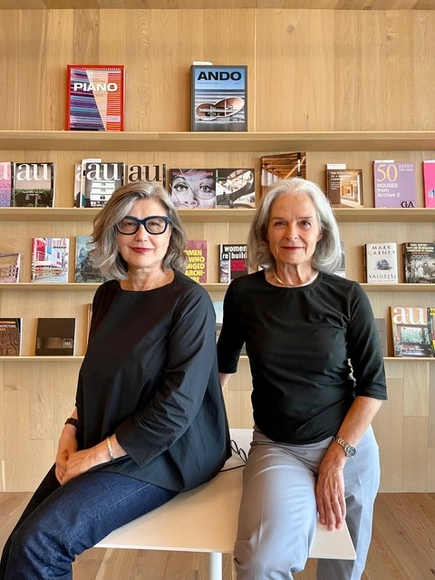
Marianne McKenna and Shirley Blumberg, founding partners of KPMB Architects, have been named the 2025 recipients of the Royal Architectural Institute of Canada (RAIC) Gold Medal, the organization's highest distinction. The award recognizes individuals whose work and influence have made an enduring contribution to Canadian architecture. The RAIC Gold Medal will be formally presented at the RAIC Conference on Architecture in June.
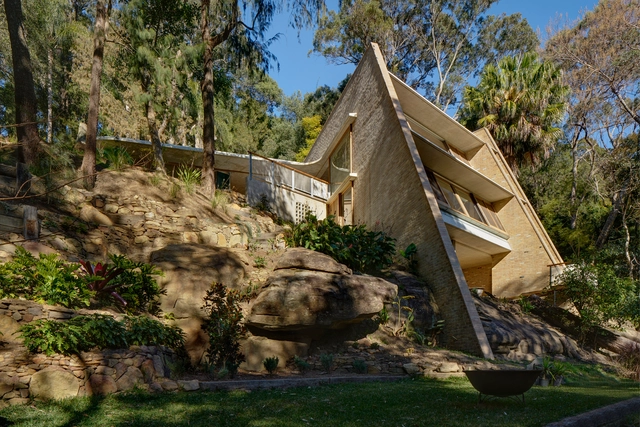
When we think about cities, we often assume the orthogonal grid is the norm: neat, predictable, and rational. However, many urban areas around the world, notably those shaped by hills and uneven terrain, defy this convention. In cities like Lisbon, in Portugal orthogonal grids appear only in flatter zones such as Baixa, while surrounding areas like Alfama adapt organically to topography. These areas create more layered, irregular, and visually dynamic urban forms. Yerevan in Armenia, offers another urban example of this adaptation: the Cascade Complex transforms a steep hill into a terraced public space that connects different city levels while framing panoramic views. For other countries, this response to topography becomes even more critical. Cities like Tegucigalpa in Honduras or Valparaiso in Chile are defined by steep, irregular terrain that requires architects to engage deeply with the land. Designing in these contexts, especially for residential projects, demands technical adaptation and a contextual understanding that allows the slope to become a generative element in the design process.
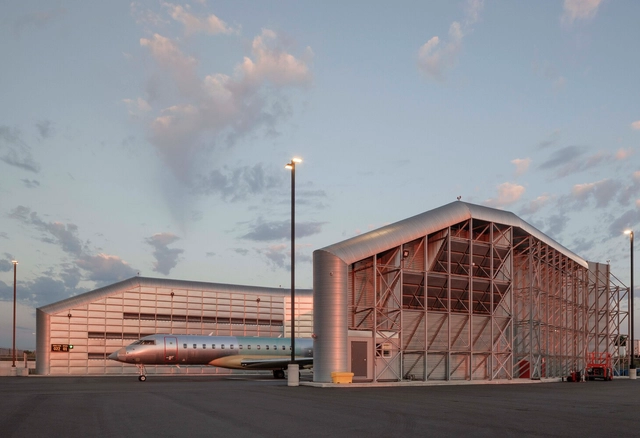
Adjacent to Toronto's Pearson International Airport, the Bombardier Aircraft Assembly Center represents a landmark project in Canadian aerospace design. Located next to Canada's largest airport, it blends 70,000 m2 (750,000 ft2) of technical precision with a focus on people. ArchDaily's editor Moises Carrasco had the opportunity to speak with Lilia Koleva, partner at NEUF architect(e)s and founder of the firm's Toronto office, which led this project. Koleva shared insights into her professional journey and reflected on the challenges of building and growing NEUF's Toronto-based office. She also discusses the Bombardier Campus, describing it as a defining project in her career, and how it showcases NEUF's ability to tackle large-scale, technically demanding projects while maintaining a focus on the people who use the space. This project builds on the office's prior expertise in industrial design and expands its portfolio of human-centered architectural solutions. Koleva also reflects on the importance of fostering collaboration, adaptability, and a clear understanding of client needs; qualities that have defined her approach to architecture and leadership at NEUF.
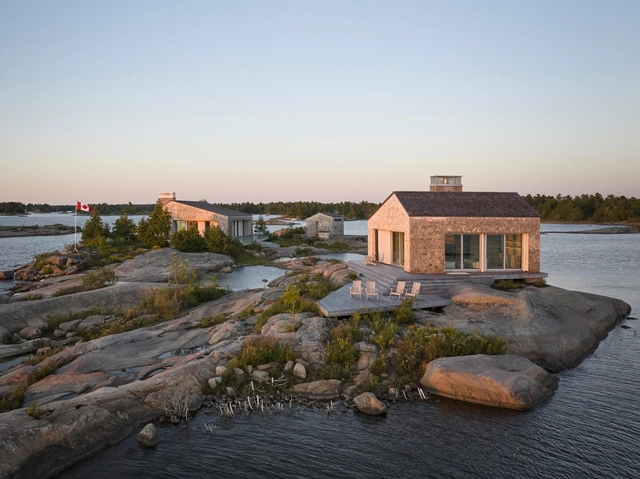
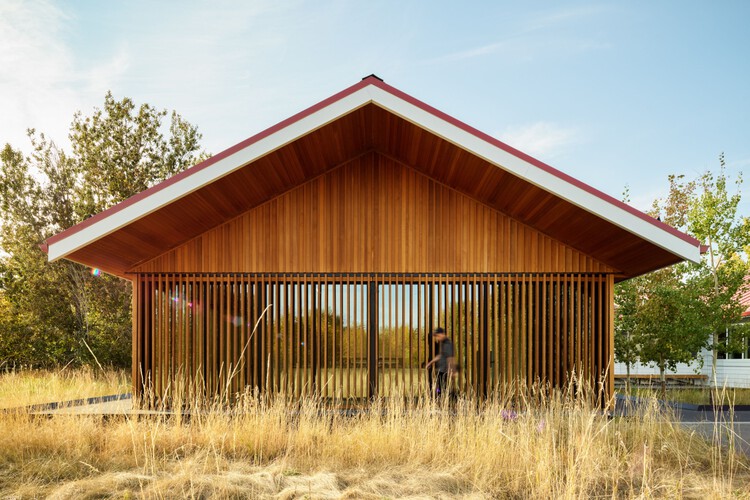
In Canada, the tradition of owning a secondary home in the countryside is a deeply rooted aspect of the national culture. In Ontario and parts of the Maritimes, these nature-surrounded secondary homes are often called "cottages". In British Columbia, Alberta, and Saskatchewan, the term "cabin" is more common, while in Quebec, they are known as "chalets." Regardless of what they are called, these rural retreats offer Canadians an escape from urban life, a place to gather with friends and family, reconnect with nature and enjoy outdoor activities throughout the year.
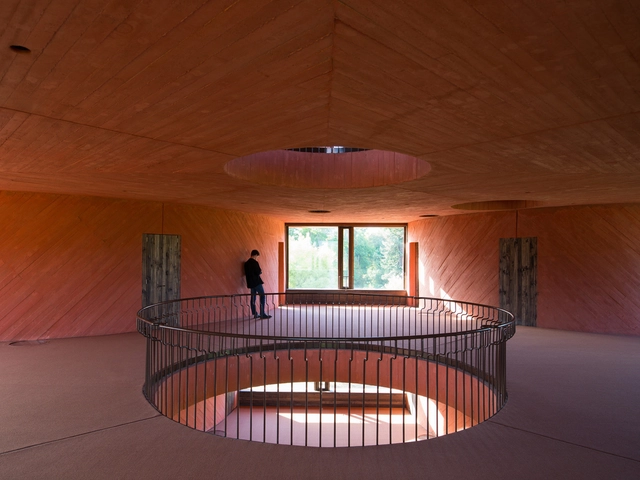
While colors can accentuate architectural designs, there is no single color that is "best". The choice depends on the style and purpose of the architecture, as well as the effect you want to create. However, colors that contrast with predominant tones can help highlight important details - and yes: red tones here can create an intense visual contrast.








_Toshiyuki_Yano.jpg?1584733248&format=webp&width=230&height=230&crop=true)
_Fernando_Guerra___FG_SG.jpg?1584733499&format=webp&width=230&height=230&crop=true)
_Toshiyuki_Yano.jpg?1584733288&format=webp&width=230&height=230&crop=true)
_Adrien_Williams.jpg?1584733422&format=webp&width=230&height=230&crop=true)
_Yohei_Sasakura.jpg?1584733407)


