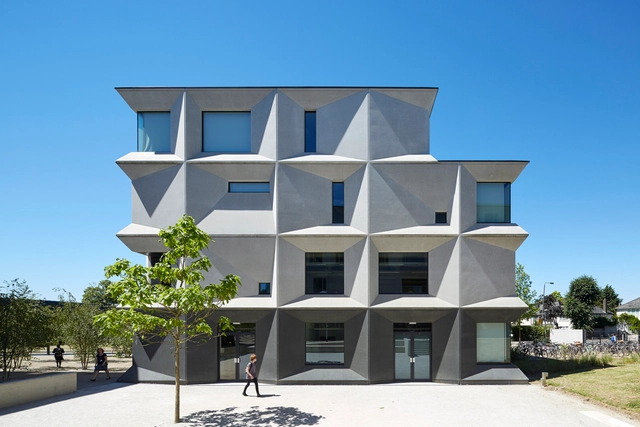
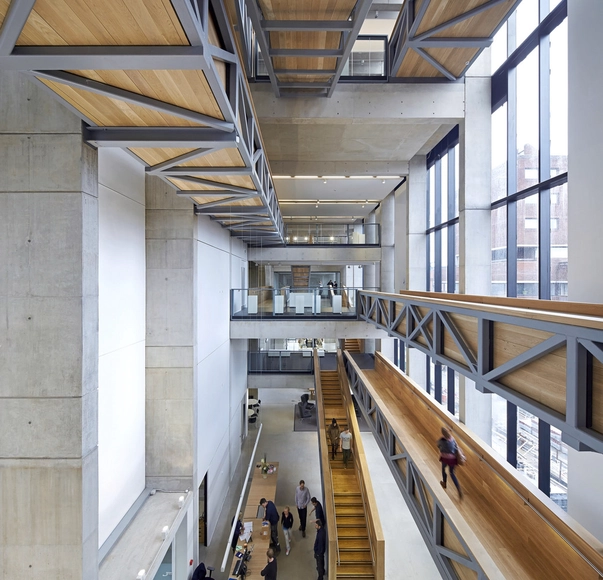
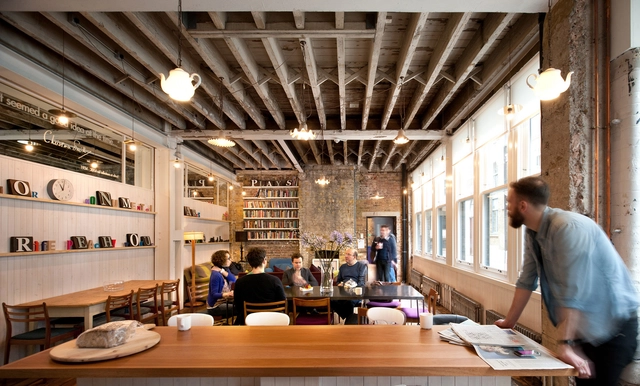
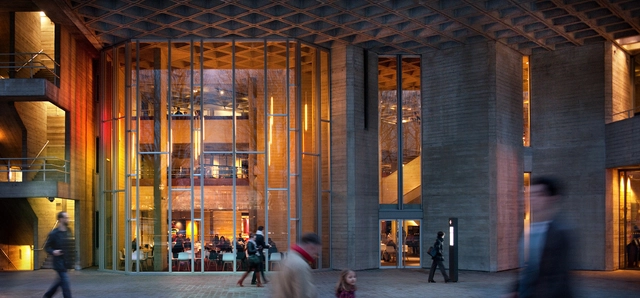
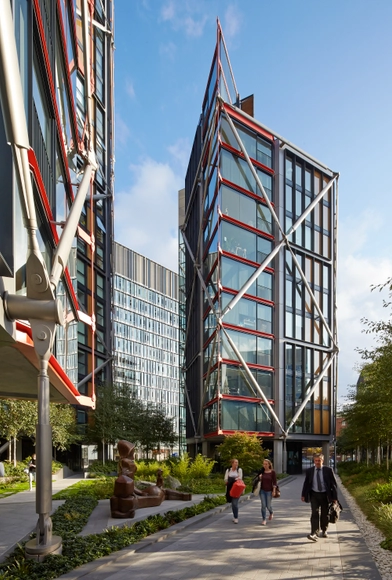
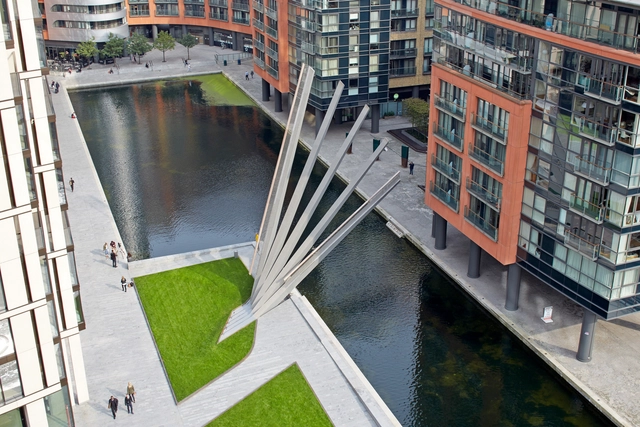
From a shortlist of 68 buildings, 36 London projects have been awarded the 2016 RIBA LondonAwards for architectural excellence, the city's most prestigious design honor. The winners include a home for ravens, a Japanese-inspired London terrace home and a historical restoration. All of these designs will be further considered for the RIBA National Awards, to be announced in July. The winners of the national award will then create a shortlist for the RIBA Stirling Prize – the highest award for architecture in the UK.
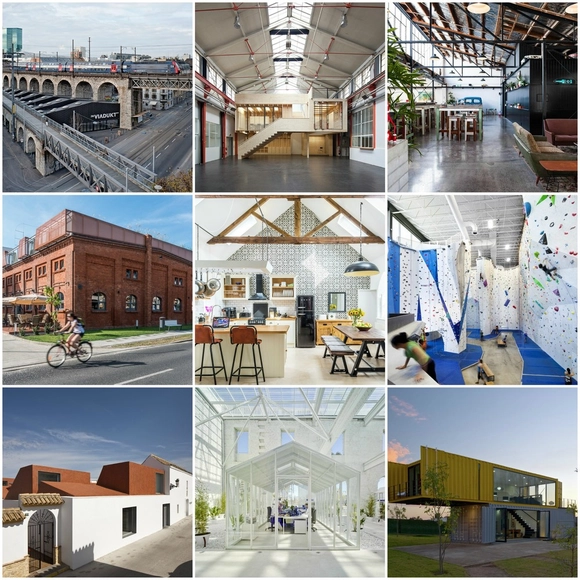
After built structures become disused or abandoned, adaptive reuse can be the perfect way to breathe new life into an old building, while conserving resources and historic value. Whether due to environmental reasons, land availability or the desire to conserve a historic landmark, countless architectural firms worldwide are turning to adaptive reuse as a solution to some of the modern problems of the built environment.
With this in mind, we have compiled a list of 20 creative adaptive reuse projects, each of which utilizes an old structure to create a revitalized form in its own distinct way.
See how a former chapel, water tower and 19th century slaughterhouse were transformed and given new life, after the break.
The Royal Institute of British Archtects (RIBA) has announced the launch of its new global architecture award for the world’s best new building, called the RIBA International Prize. Open to any qualified registered architect around the world, the new prize will be awarded to a building that “demonstrates innovative and visionary design whilst making a distinct contribution to its users and to its physical context.”
Building projects are inherently complex: as projects progress, architects are joined by contractors, engineers, and myriad consultants. Architects, according to a recent report by RIBA, are considered the "spiritual leaders" of a building project. Cemented in this perception by a monopoly on design, architects continue to sit precariously atop project hierarchies despite a shifting landscape in building production. This begs the question: how can architects leverage this spiritual responsibility to translate into the best results for clients?
In their latest report Client & Architect: Developing the Essential Relationship, RIBA delves into the nuanced problem of connecting architecture to its owners, emphasizing the importance of a strong, functional and mutually educational relationship. Currently, architects have a tremendous opportunity to learn, improve and capitalize on understanding of clients, regardless of firm size, portfolio and established skills.
Read on to discover RIBA's findings from two years of client analysis
We are rapidly running out of old warehouse buildings to renovate, and selling space in the glassy towers of the central business district is difficult as corporate buildings become less and less attractive. We need a new building that is attractive to companies who cut their teeth in co-working incubators before seeking their own digs.
We are a society obsessed with the new. We want to look eternally young, drive the latest car, wear runway-fresh clothes and have up-to-the-minute technology at our fingertips. We do not care if the battery in our phones cannot be changed, because we are happy to simply get a newer phone. The American pursuit of life, liberty, and happiness is a glittering glare of polish and gloss, all sparkling and new.
From a shortlist of 68 buildings, 38 London projects have been awarded the 2015 RIBA LondonAwards for architectural excellence, the city's most prestigious design honor. The awards highlight projects that embody exceptional merit in their designs and positively impact the lives of their occupants. This year's winners include three arts and leisure buildings, 11 educational and community facilities, 16 residential designs, and eight commercial buildings.
All of these designs will be further considered for the RIBA National Awards, to be announced in June.
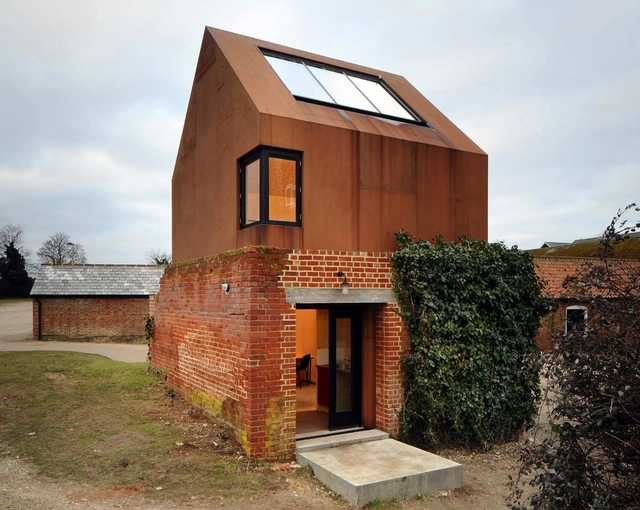
One of the most interesting trends in architectural materials of recent years is the increase in use of weathering steel - more commonly referred to by its trademark name, Cor-Ten. Thought the material has been around for decades, first being used for architectural purposes in the Eero Saarinen-designed John Deere Headquarters in 1964, the material has seen a surge in popularity in the last decade or so, being used in everything from individual houses and tiny kiosks, to SHoP's design for the Barclays Center in Brooklyn, which used a staggering 12,000 weathering steel panels.
The Royal Institute of British Architects (RIBA) have today announced a call for entries to the 2015 RIBA Awards programme. The prestigious awards are designed to celebrate the best architecture projects that have been opened within the past two years. Projects of all sizes and budgets from across the UK (excluding those in Scotland) are eligible to be entered to the RIBA Regional Awards. Scottish projects can be entered into the RIAS Awards. Those that are successful in the regional rounds are made eligible to be considered for the RIBA Stirling Prize, one of the most coveted awards in the architectural world.
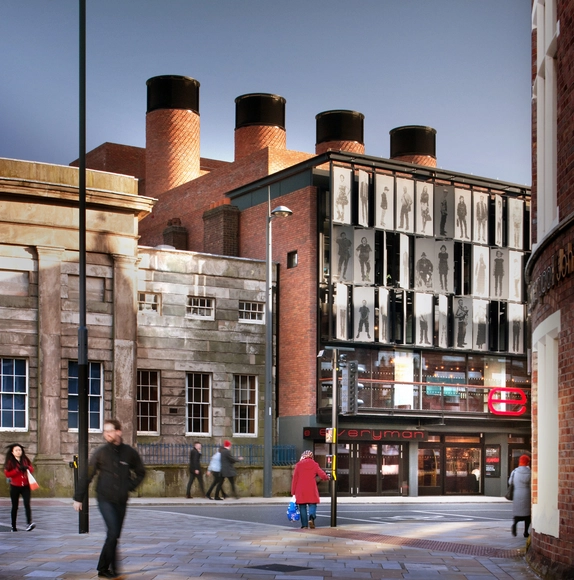
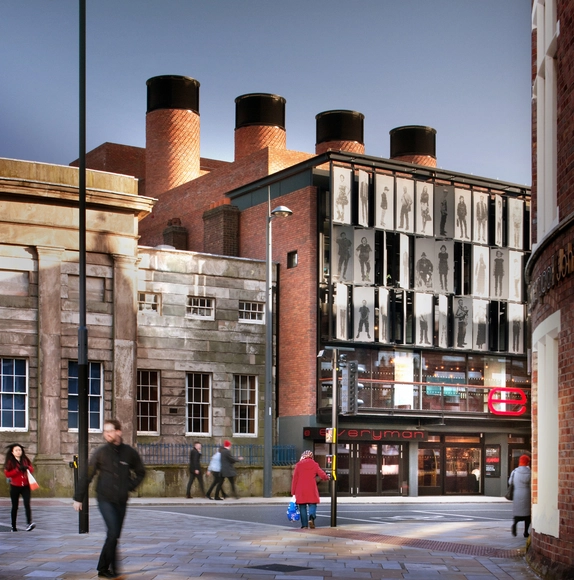
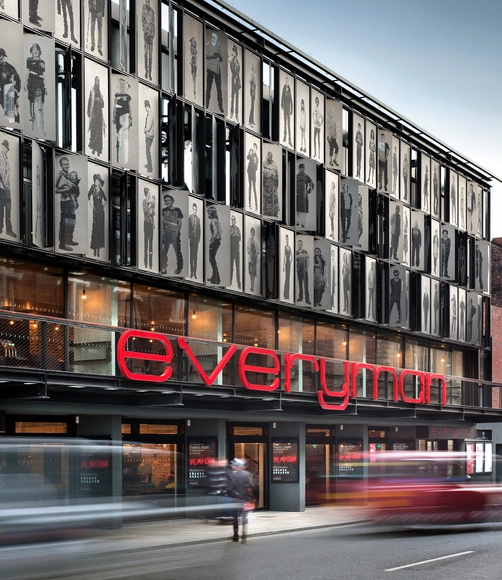
In what was seen by many as the strongest shortlist in years, the underdog Everyman has emerged victorious. But was it a worthy winner? Read on after the break to find out what the critics made of this unexpected result.
Haworth Tompkins'Everyman Theatre has won the RIBA Stirling Prize for 2014, beating competition from Zaha Hadid, Renzo Piano, Mecanoo, O'Donnell + Tuomey and Feilden Clegg Bradley. The result was announced last night by RIBA President Stephen Hodder at an event held at the RIBA's Headquarter's in London, with Hodder saying that "Haworth Tompkins have struck the perfect balance between continuity and change" and calling the scheme "a ground-breaking example of how to build a daring, bold and highly sustainable large public building in a historic city centre."


_Philip_Vile.jpg?1450856752&format=webp&width=640&height=580)