

I love putting together lists of original manifesto-like statements by architects perpetually searching for breaking new ground. They provoke us to imagine possibilities we haven't dared to consider before. Questioning conventions should be a critic's primary objective to engage in a conversation with a creative. Otherwise, what is there to discuss, really? That's why speaking with Elizabeth Diller about her studio's work and intentions is like a breath of fresh air, especially nowadays when so many architects are happy to align themselves in pursuing what's expected. In one of our previous conversations, Diller put it bluntly: "We don't take professional boundaries seriously. Every time we are handed a program, we tear it apart and continuously ask new questions. Nothing is fixed." This time, we spoke about Diller Scofidio + Renfro's new monograph, "Architecture, Not Architecture." The book, a project in itself, aims to rethink the very limits of architecture. It reinvents what a book can be in the process. During our 1-1/2-hour discussion over Zoom, which I prefer for its frontal dual recording, she said eagerly, "We were always critiquing; we were always throwing grenades at things."
"We Were Always Critiquing, We Were Always Throwing Grenades at Things:" In Conversation with Elizabeth Diller


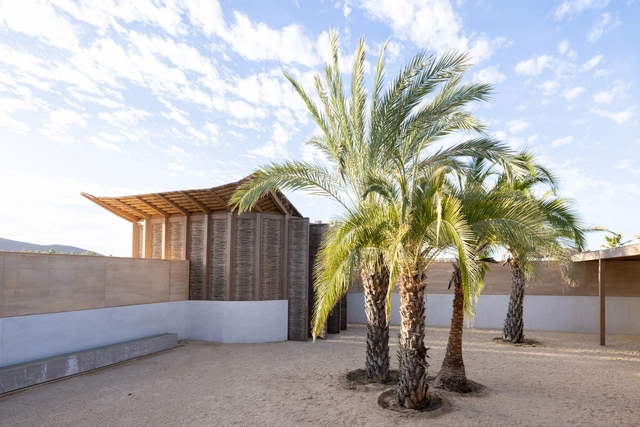
El Perdido Spiritual Space / estudio ALA


Rediscovering Modernism in Africa: From Nostalgia to Optimism
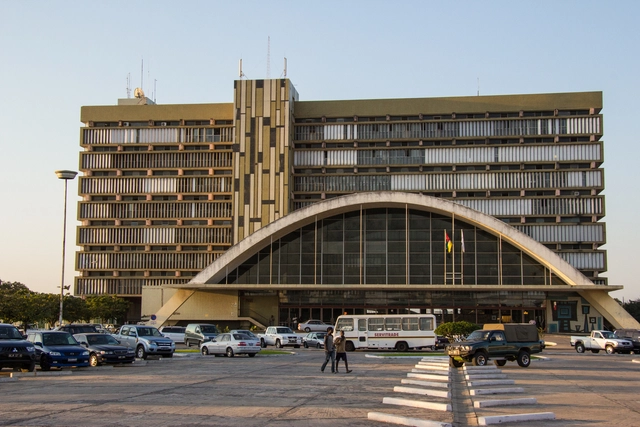
The mid-twentieth century marked a transformative period for Africa as 29 countries achieved independence between 1956 and 1964, signaling the dawn of the nation-state across the continent. This era resonated with a spirit of liberation and progress, paralleling the global movements of that time, such as the establishment of international organizations like the United Nations (1945) and the Organization of African Unity (1963). Within this context, Modernist architecture emerged as a powerful symbol of national identity, ambition, and the collective aspiration for a brighter future. As newly independent nations sought to define themselves apart from their colonial pasts, the adoption of Modern Movement principles facilitated the construction of key infrastructures, such as convention centers, parliament buildings, and hotels, as well as the development of architectural education, as native-trained architects begun to either replace or cooperate with foreign-born professionals.
This article inaugurates a new series titled Rediscovering Modernism in Africa, aiming to explore the architectural legacy of the Modern Movement in Africa, highlighting its role in nation-building and the evolution of architectural education, while shedding light on the architects and movements that shaped this transformative era.


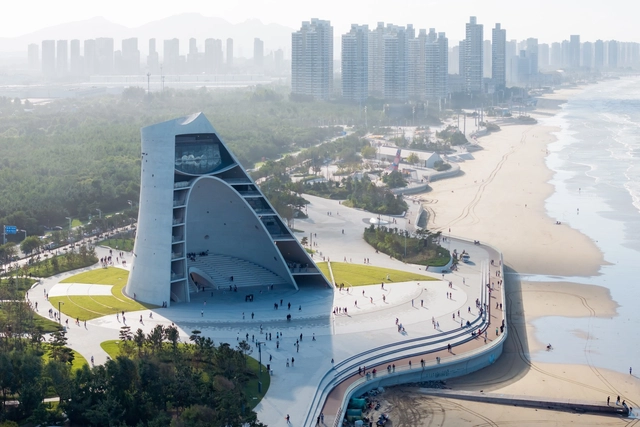
Sun Tower / OPEN Architecture


-
Architects: OPEN Architecture
- Area: 4960 m²
- Year: 2024
-
Professionals: Ning Field Lighting Design, Aric Chen
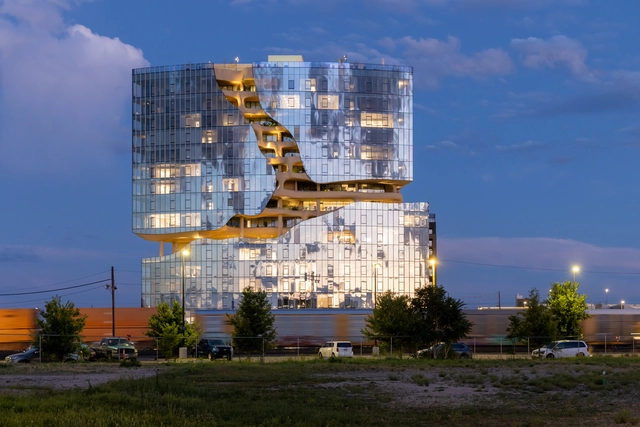
One River North / MAD Architects


Aga Khan Award for Architecture Announces Master Jury for the 2025 Edition
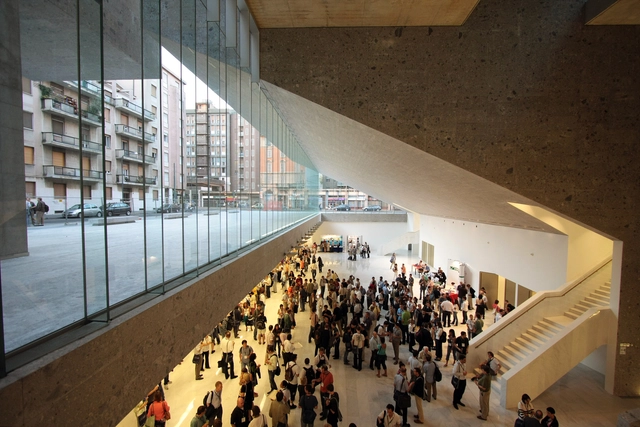
The Aga Khan Award for Architecture has announced the Master Jury for the 16th award cycle. The independent panel includes Pritzker Prize laureate Yvonne Farrell, ArchDaily founder David Basulto, and Lucia Allais, director of the Buell Center. Established in 1977 by Aga Khan IV, this competition set out to highlight architectural projects that have a significant positive impact on Islamic communities worldwide. The Award is presented in three-year cycles and has a monetary prize totaling US$1 million.


What Makes a City Resilient?
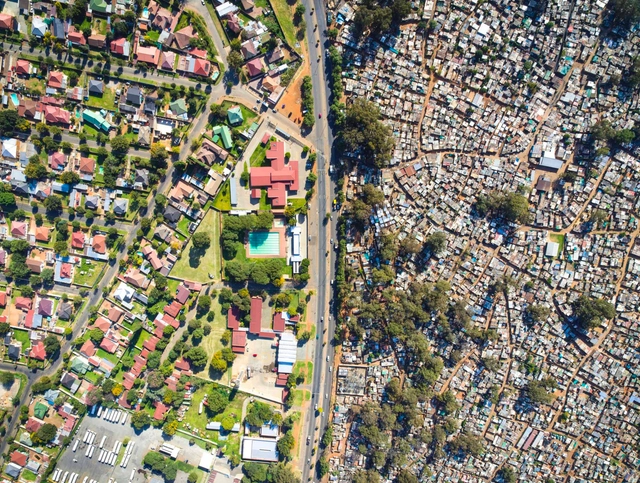
This article was originally published on Common Edge.
About a decade ago, the term "resilience planning" became ubiquitous in climate circles. That shift, in the wake of increasingly unpredictable events, was shaped in part by the Rockefeller Foundation's 100 Resilient Cities program, a six-year, $160 million effort to establish chief resilience officers in cities all over the world. Out of that program, which ended in 2019, emerged its successor, Resilient Cities Catalyst (RCC), a New York–based nonprofit engaged in what it calls "capacity building" projects. For Climate Week, I talked to Sam Carter, one of RCC's founding principals, about his definition of resilience, the organization's planning and philanthropic method, and the challenge of scaling up climate efforts.


Remembering 9/11: The Story of Rebuilding the World Trade Center
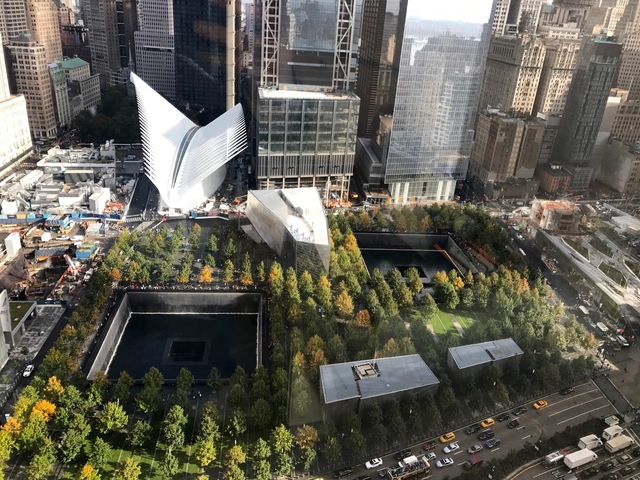
On the morning of September 11, 2001, two hijacked commercial jetliners struck the Twin Towers in Lower Manhattan, a third plane struck the Pentagon, and a fourth crashed in rural Pennsylvania. A total of 2.977 people were killed in the terrorist attacks. In the face of this unprecedented loss, the city of New York promised to rebuild Lower Manhattan as a lively neighborhood while honoring and maintaining the memory of this day. Thus began one of the largest reconstruction projects in New York City, a process that is still ongoing now, 23 years after the tragedy.


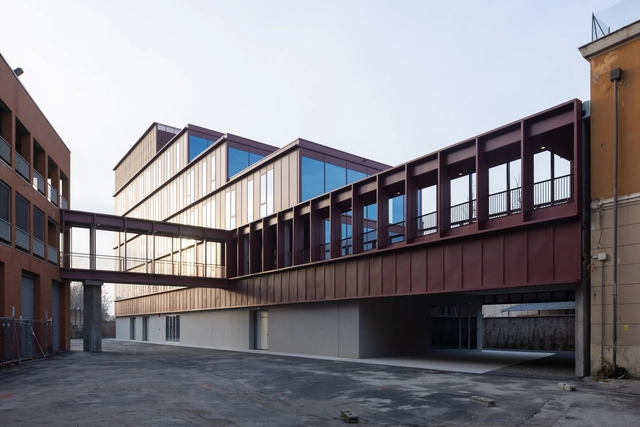
Guardia di Finanza Office Building / DEMOGO


-
Architects: DEMOGO
- Area: 2700 m²
- Year: 2023
-
Manufacturers: Celenit, Daku, Ideal Work, Ninz, Schindler , +1
-
Professionals: Sinergo S.p.A.
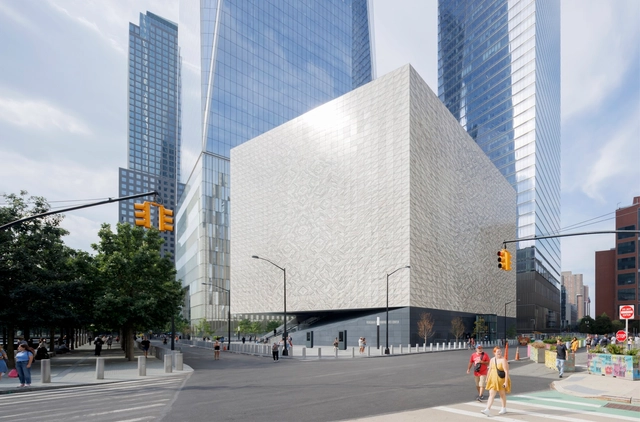
Perelman Performing Arts Center / REX ARCHITECTURE


-
Architects: REX ARCHITECTURE
- Area: 129000 ft²
- Year: 2023
-
Professionals: Threshold Acoustics, FRONT, Magnusson Klemencic Associates, Silman, Entro, +10
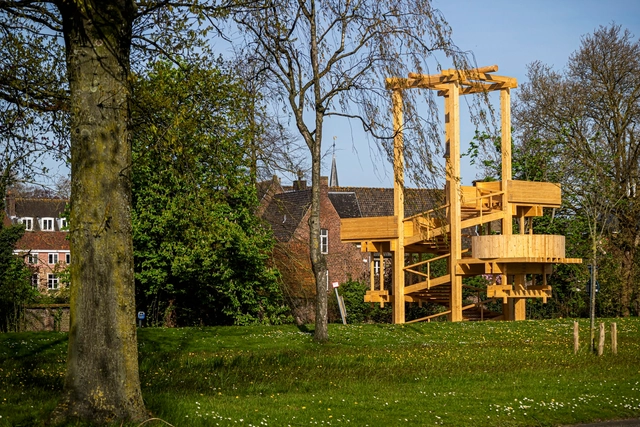
The Tower of Balance / Bangkok Project Studio


-
Architects: Bangkok Project Studio
- Area: 21 m²
- Year: 2024
The Groundscraper: A Building Typology to Decentralize Cities
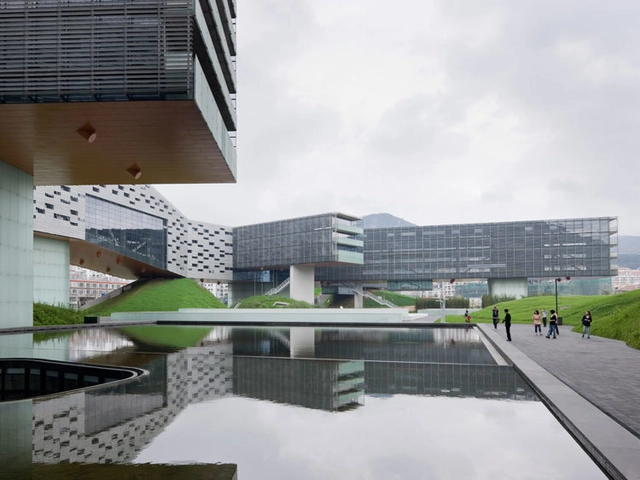
A ground scraper is essentially the opposite of a skyscraper - a large building that sprawls outward horizontally instead of soaring vertically into the sky. Though no strict definition exists, groundscrapers are generally described as extremely long but low-rise buildings with over 1 million square feet of space, sometimes called sidescrapers or landscrapers. The term came into the spotlight with Google's plans for their massive $1.3 billion London headquarters. Designed to be only 11 stories tall but over 1,000 feet long, this vast office block epitomizes using horizontal expansion to create immense space for thousands of employees.
EU Mies Awards 2024 Announces Winning Projects for both Architecture and Emerging Categories
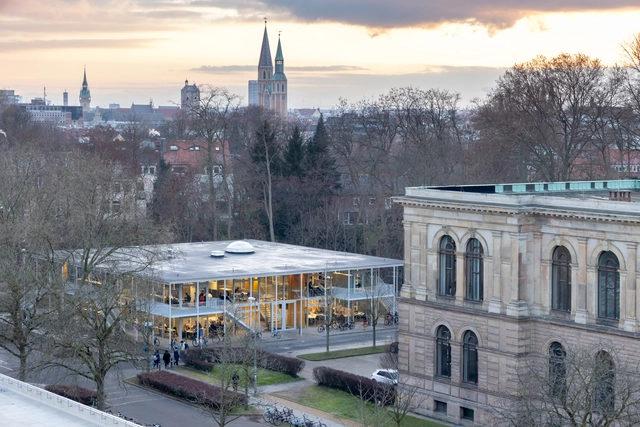
Fundació Mies van der Rohe and the European Commission have selected the winners for its 2024 edition of the EU Prize for Contemporary Architecture / Mies van der Rohe Awards, from a pool of 362 nominated works. The 2024 Winner of the Architecture Prize is the Study Pavilion on the campus of the Technical University of Braunschweig, Germany, by architects Gustav Düsing and Max Hacke, both with studios in Berlin. The 2024 Winner of the Emerging Architecture Prize is the Gabriel García Márquez Library in Barcelona by SUMA Arquitectura founded by Elena Orte and Guillermo Sevillano in Madrid.
“The 2024 Prize jury emphasizes the significance of architecture that explores the potential to shift mindsets and policies, as well as the importance of fostering inclusivity”, explains the official announcement. The Awards Ceremony will take place at the Mies van der Rohe Pavilion in Barcelona, in the context of the EUmies Awards Day, on the 14th of May 2024, launching the Barcelona Architecture Weeks.


Are For-Profit Developments Consistent With the Values of a Public University?
This article was originally published on Common Edge.
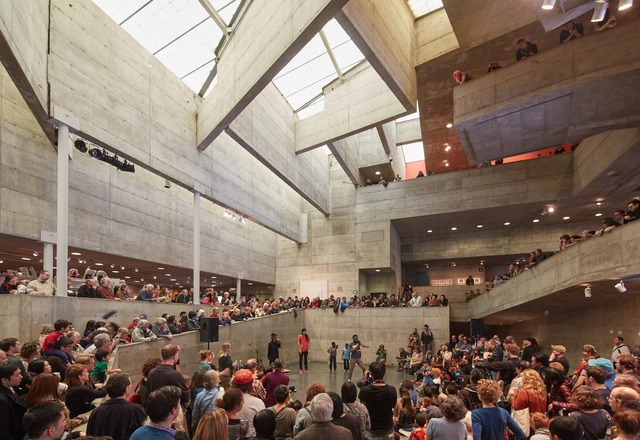
I am by no means an expert on public-private partnerships. But for about 10 years, as the University of California Berkeley’s campus planner and then campus architect, I watched these developments play out in higher education—sometimes from a front-row seat, sometimes as a participant. During that time, this strategy, promoted with great enthusiasm and optimism, was touted as the answer to whatever problem arose. And yet the definition of a public-private partnership was slippery. The concept itself seemed to be all things for all people, depending on what was needed, who was recommending it, and what equivalents (if any) existed outside the university. The bandwagon continues to play today, making it ever more important to nail down the pros and cons of this development strategy, not only for colleges and universities, but for all public decision-making.


Step by Step: How to Specify Materials in an Architecture Project?

Just as fashion designers use pins, needles and textiles to bring their creations to life, architects rely on materials to shape our built environment. From steel and glass to wood and concrete, these form the artistic palette that transforms blueprints into tangible structures, bridging the gap between imagination and reality. It's as simple, yet as complex as that. But with so many materials –and countless shapes, finishes, textures and colors– available in this day and age, making the correct choices for a particular project can be quite challenging. Several questions naturally arise: How do architects navigate the endless possibilities to handpick the elements that will breathe life into their designs? What does the material specification process entail? Where does one begin?


Discover the 7 Finalists for the EU Mies Awards 2024
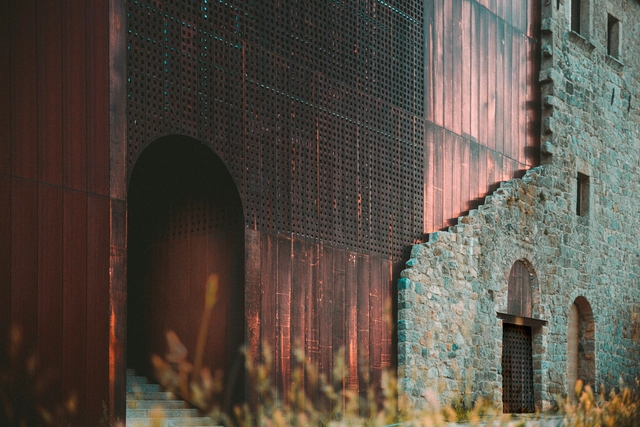
The European Commission and the Fundació Mies van der Rohe just revealed the 7 finalists for the 2024 European Union Prize for Contemporary Architecture – Mies van der Rohe Awards. There are 5 finalists in the Architecture category and 2 in the Emerging category. In March, the jury will visit these architectural works and will decide on the winning projects that will be announced on April 25th at the CIVA in Brussels.
Selected by the jury comprising 7 members: Frédéric Druot, Martin Braathen, Pippo Ciorra, Tinatin Gurgenidze, Adriana Krnáčová, Sala Makumbundu, and Hrvoje Njiric, from a list of 362 nominees, the "7 finalist works promote local policy references and can become global European models since all of them create inclusive and high-quality living environments."


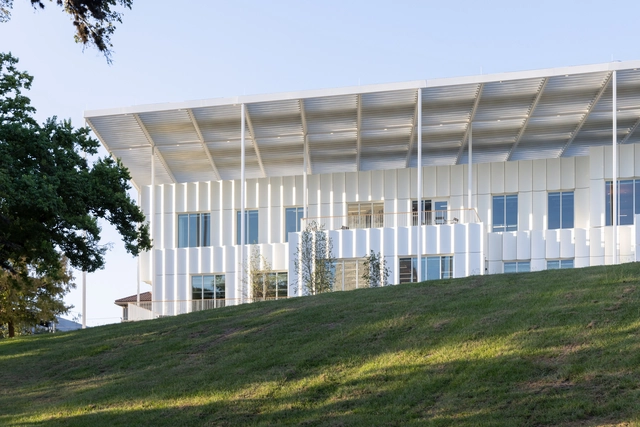
Houston Endowment Headquarters / Kevin Daly Architects + PRODUCTORA


-
Architects: Kevin Daly Architects, PRODUCTORA
- Area: 31718 ft²
- Year: 2022
-
Professionals: CMTA, Arup, BGE, Transsolar, Forney Partnership, +4
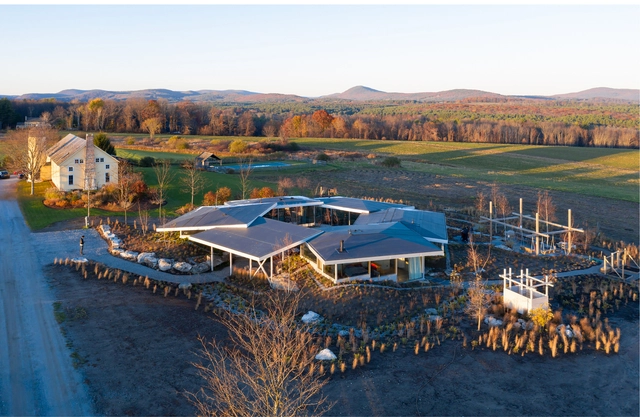
Flower House / NO ARCHITECTURE


-
Architects: NO ARCHITECTURE
- Area: 326 m²
- Year: 2020
-
Professionals: Quadresign Inc., Madden & Baughman Engineering, Inc.