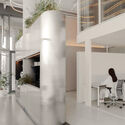
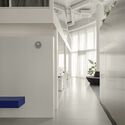
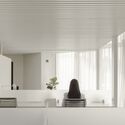
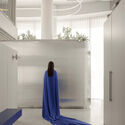
-
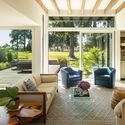
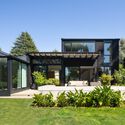
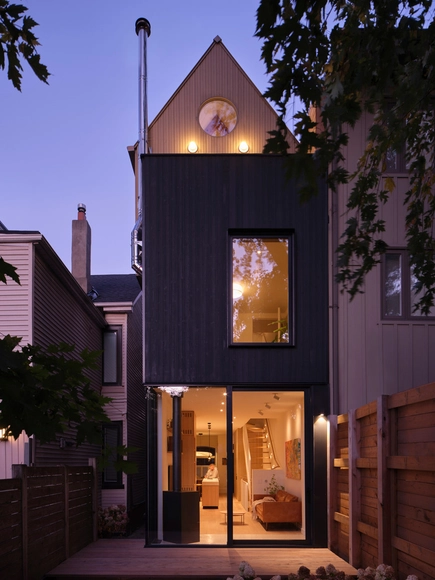
Architects: SuiL
- Area: 176 m²
- Year: 2024
-
Manufacturers: Aushwood Timber, Dulux, Plyco
-
Professionals: Cornerstone Building and Construction Pty Ltd




UN-Habitat’s “Inclusive Communities, Thriving Cities” Programme invites professional and emerging artists worldwide to participate in a digital art competition on the theme “My Urban Vision”. The participants are invited to use their creativity to inspire change, leveraging their voices and vision for an inclusive and sustainable urban future.
Participation is free of charge and the submission deadline is 31 July 2024.
Under the theme of ‘My Urban Vision’, the competition invites artists to submit digitally created artwork that reflect their vision for an inclusive and sustainable urban future.
The participant must choose one of the categories for the competition:
Inclusive
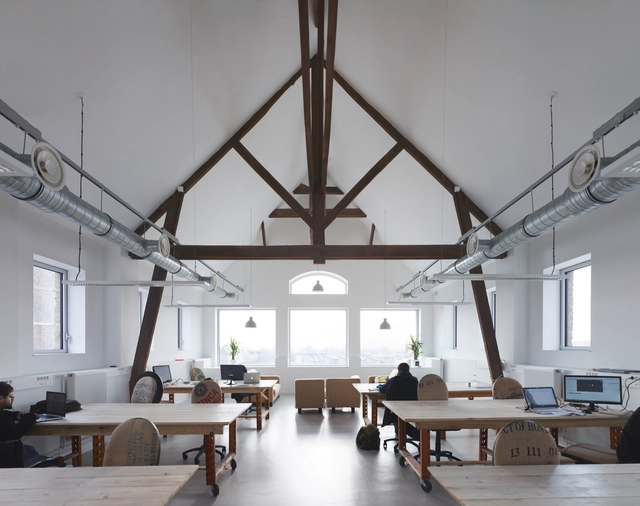
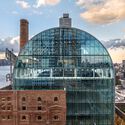
Industrial heritage, once central to urban growth and economic prosperity, is now often neglected and underused. Around the world, various factories, mills, and warehouses sit abandoned, and their distinctive structures fall into disuse. These buildings were typically constructed from materials such as brick, steel, concrete, and large glass windows. Known for their strength and longevity, these materials make the structures ideal candidates for refurbishment, maintaining structural integrity.
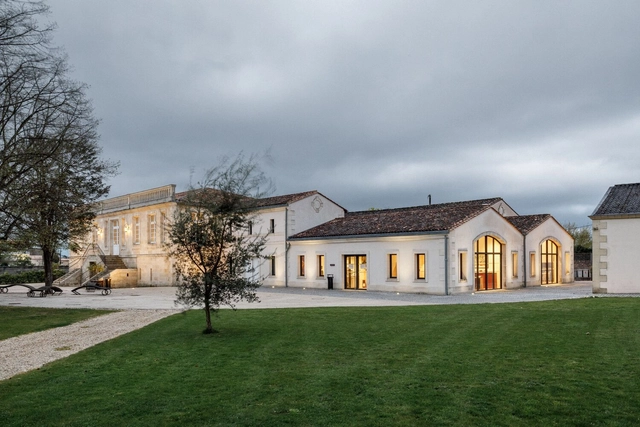
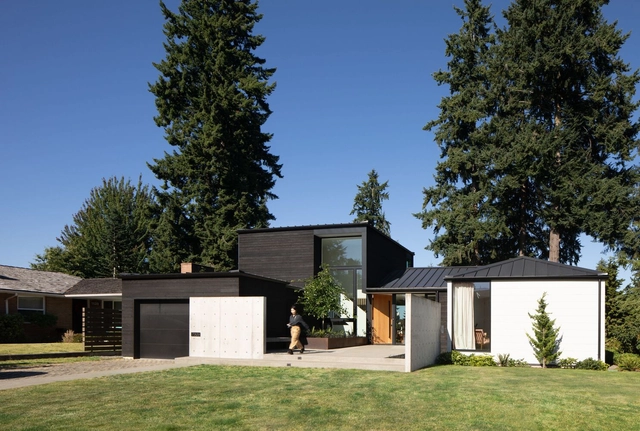
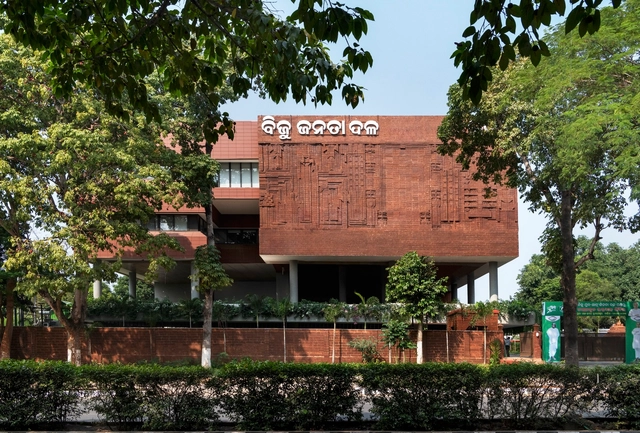


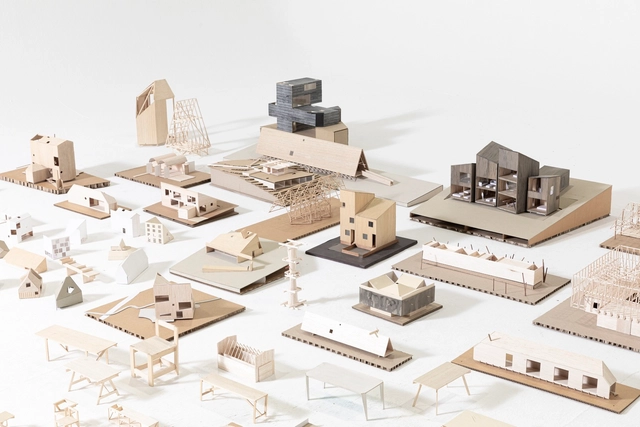
It is fascinating to delve into the practice of Iván Bravo, firstly because the path taken towards his architectural work immerses us in a vast creative universe through the architect's interest and curiosity in various tangential disciplines directly reflected in his built work. A constant reflection on the methodology of the making, the processes, the pieces, the design, and the materiality converges into a noble and honest architecture.
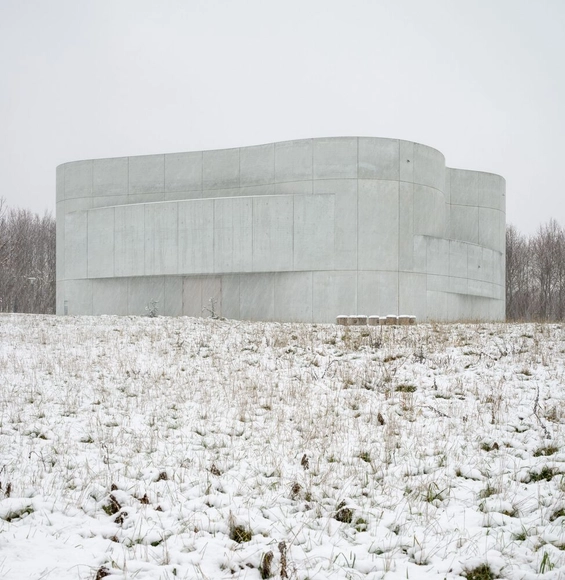
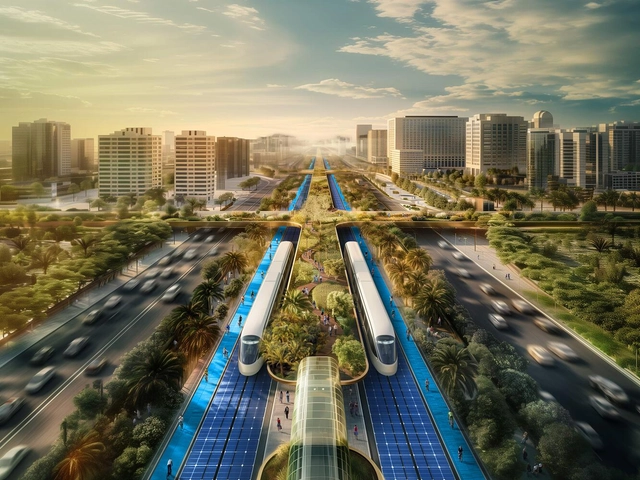
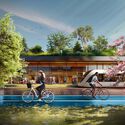
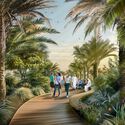
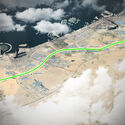
URB has revealed details about the Dubai Green Spine project, an urban development initiative aiming to introduce a 64-kilometer-long green corridor in Dubai. The project, aligned with the Dubai 2040 Urban Master Plan, hopes to improve urban mobility and environmental quality by converting one of the city’s major arterial roads into a multifunctional public space with ample greenery, urban farms, integrated non-motorized transportation infrastructures, and community zones.

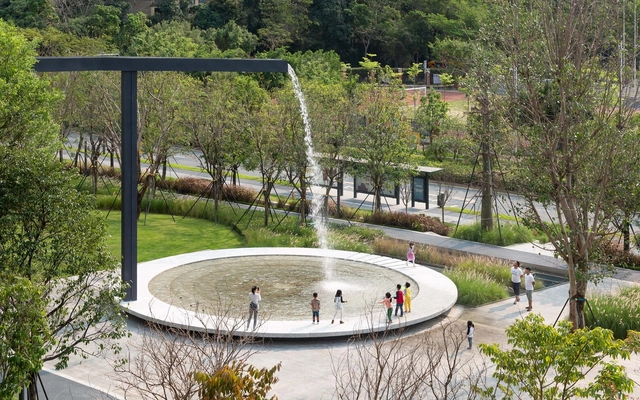
Due to climate change, heat waves are becoming increasingly frequent and intense, and they present a critical challenge for the design of urban spaces. Elevated temperatures exacerbate public health issues, increase energy consumption, and diminish cities' overall quality of life. Urban design must adopt strategies that promote resilience to mitigate these effects rather than merely replicating traditional formats that do not address the thermal stress experienced by many.
For quite some time, we have recognized the positive effects of urban green spaces, interaction with nature, water, and soil, and the associated health and well-being benefits for residents living next to parks. The significance of this matter has been further underscored, particularly in the aftermath of the panic induced by the Covid-19 pandemic. However, the present moment once again highlights the influence of our urban models on modern life, now grappling with unprecedented extreme temperatures.