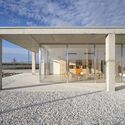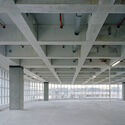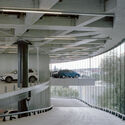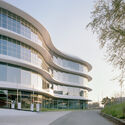

-
Architects: Mario Cucinella Architects, Yoshiki Matsuda Architects
- Area: 3000 m²
- Year: 2025


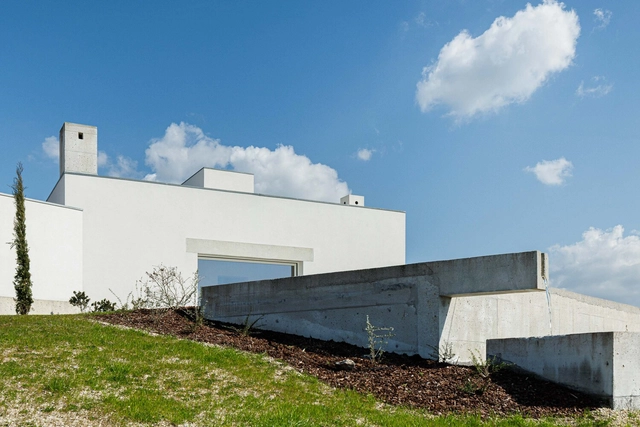
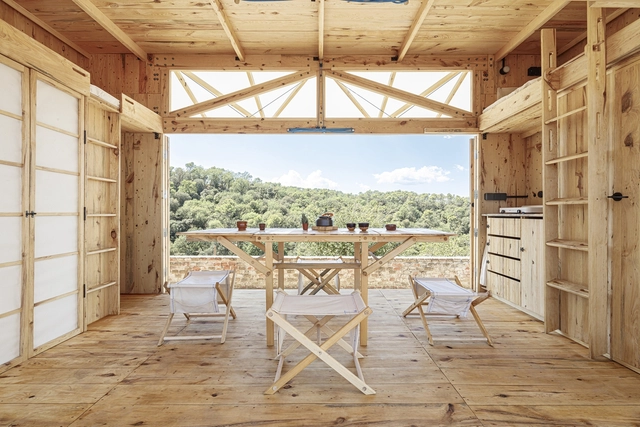
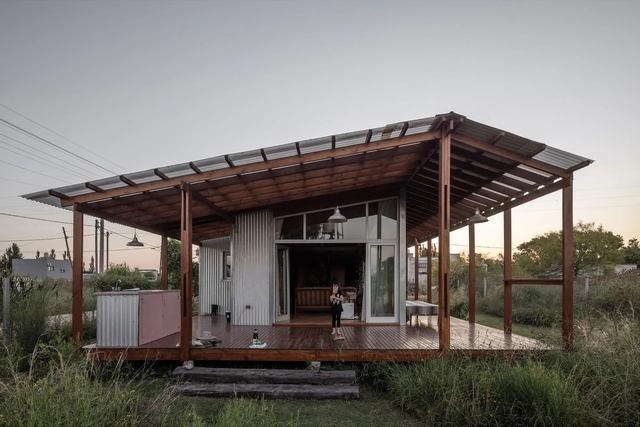
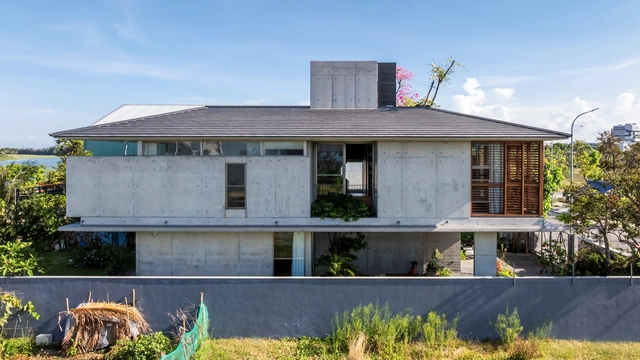
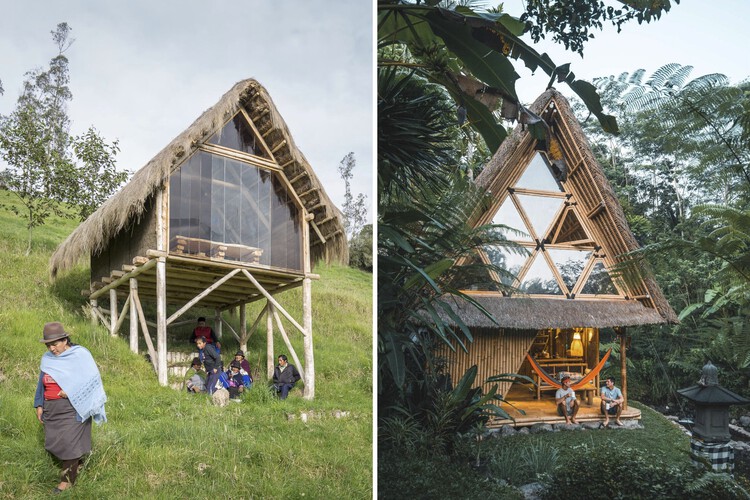
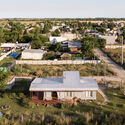
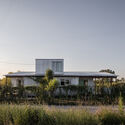
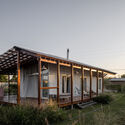
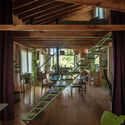
Amid coasts, rivers, lakes, and mountain ranges, Spain’s natural environment encompasses a wide variety of climates, topographies, and vegetation species. Aiming to raise global awareness of the impact of construction on the environment and the importance of addressing climate change through new ways of creating architecture, several architectural practices and research teams are exploring the design of cabins or small-scale lodging prototypes. While capable of integrating harmoniously with their surrounding natural context, they also demonstrate strategies for self-sufficiency, resource utilization, and space maximization, as well as broad applications of innovative technologies and material solutions adapted to each region.
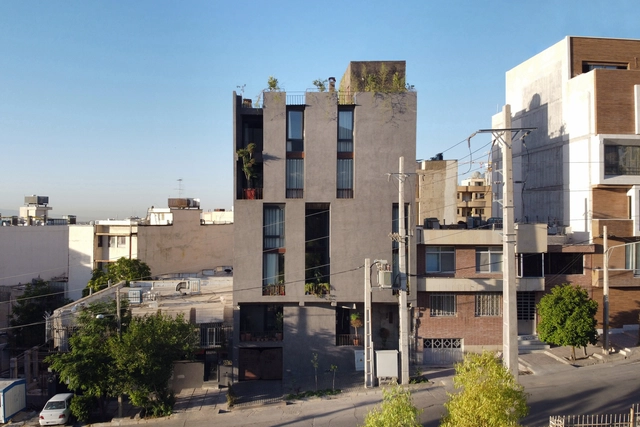
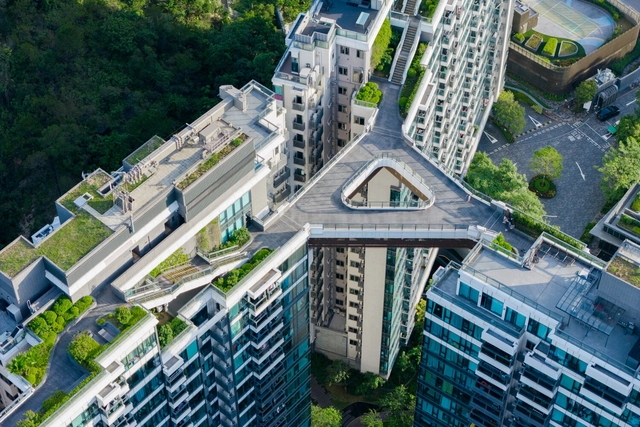
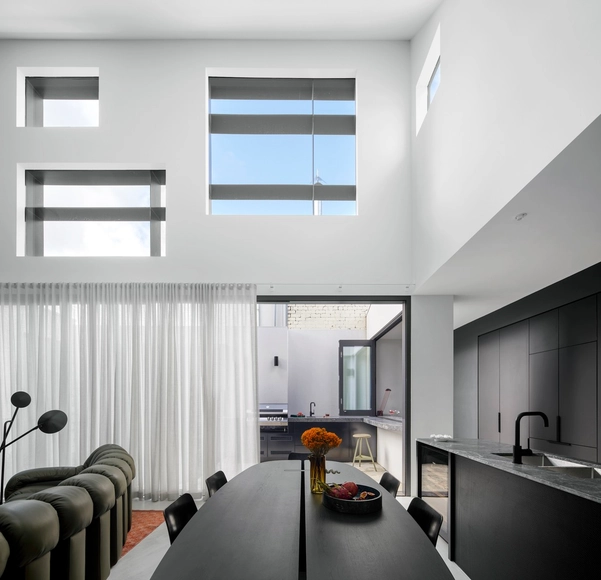
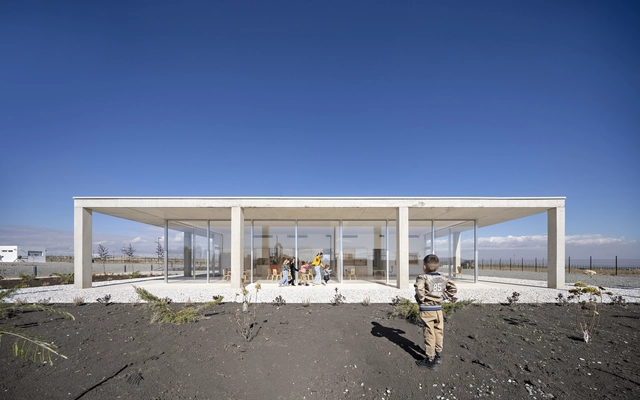
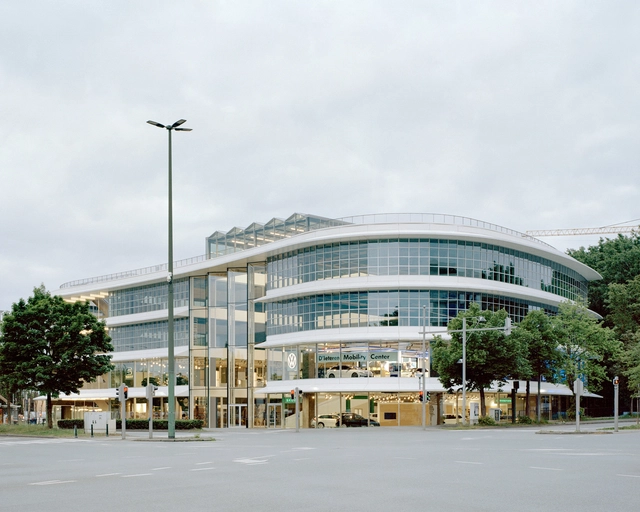
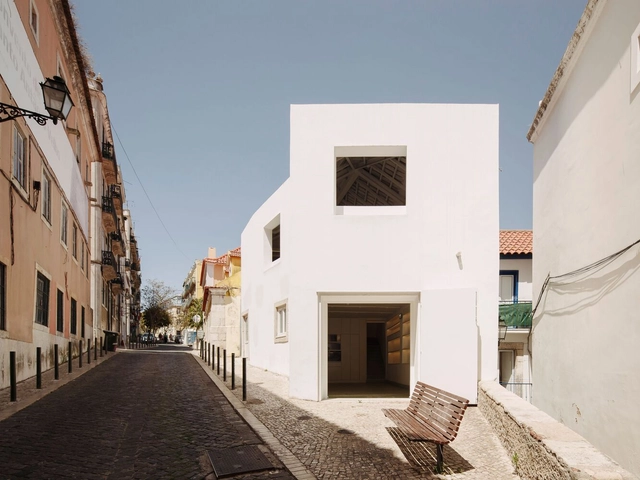
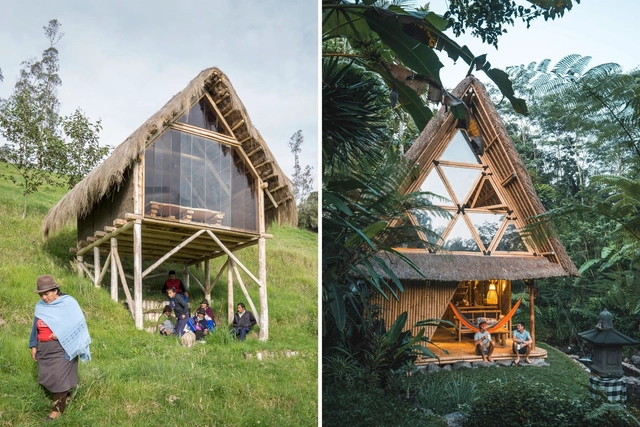
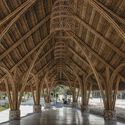
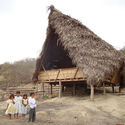
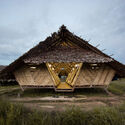
Thatching is a traditional building technique that has been reinterpreted in different ways in contemporary projects, allowing its value to continue to endure over time. As well as being a culturally and historically valuable technique, given its presence in humanity for centuries, it also has a number of other constructive advantages, such as its great environmental value, as it is an accessible renewable material.
The technique consists of grouping, intertwining, and overlapping dry vegetation, creating light surfaces with excellent thermal and sound insulation and which are cheap and relatively simple to build. In addition, flexibility is one of the technique's most prominent features, and it is particularly popular in roofing applications.
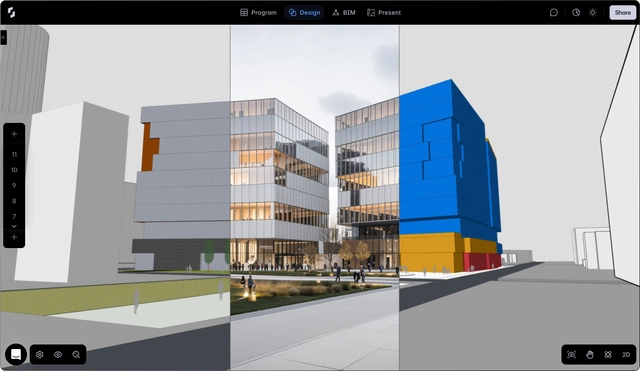
Early-stage design may be where everything begins, but without careful consideration, it's also where everything breaks down. On average, firms report that nearly 15% of all work done generates zero revenue, much of it tied to concept design. Relying on a patchwork of tools like Rhino, Excel, Revit, and Miro, architects often spend weeks swapping between platforms just to get a concept and presentation out the door. Data gets trapped in screenshots, rework piles up, and by the time the model is ready for documentation in Revit, the creative momentum is long gone. Snaptrude 3.0 Was Built to Fix that.
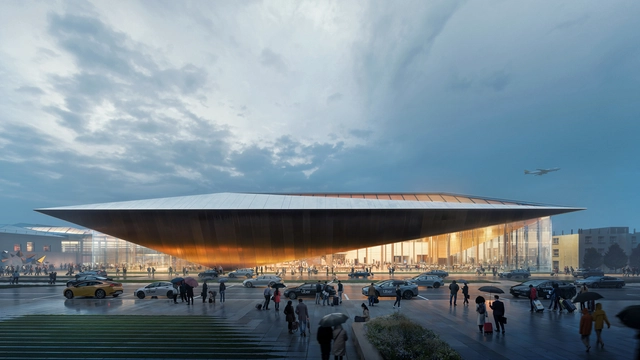
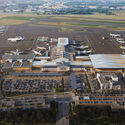
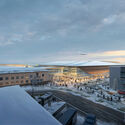
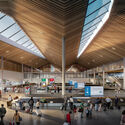
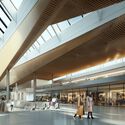
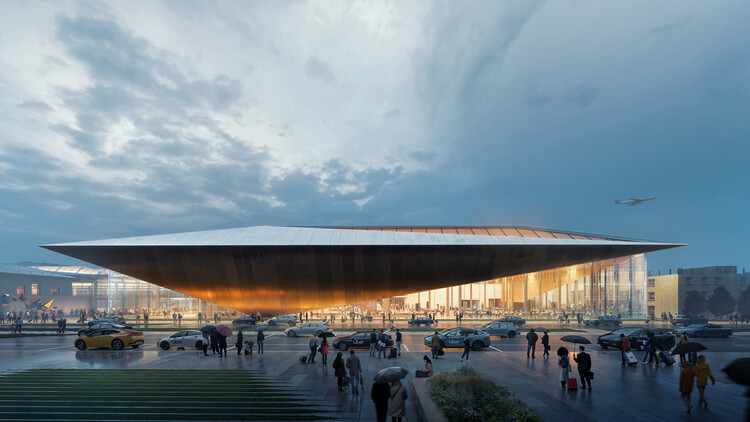
Lithuanian Airports has announced Zaha Hadid Architects as the winner of the international competition to design the new arrivals terminal at Vilnius Airport. Conceived as an integral part of the airport's evolving infrastructure, the new terminal will complement the recently completed departure terminal, enabling Vilnius Airport to accommodate up to 10.6 million passengers annually. The project marks a significant step in the airport's long-term development strategy, addressing future growth in passenger demand while enhancing Lithuania's role as a key gateway in the Baltic region.