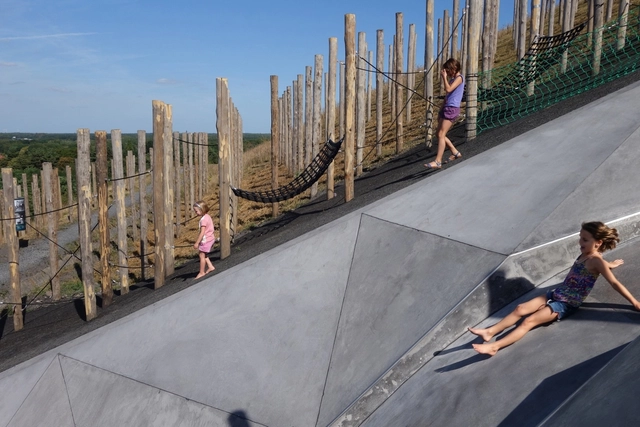
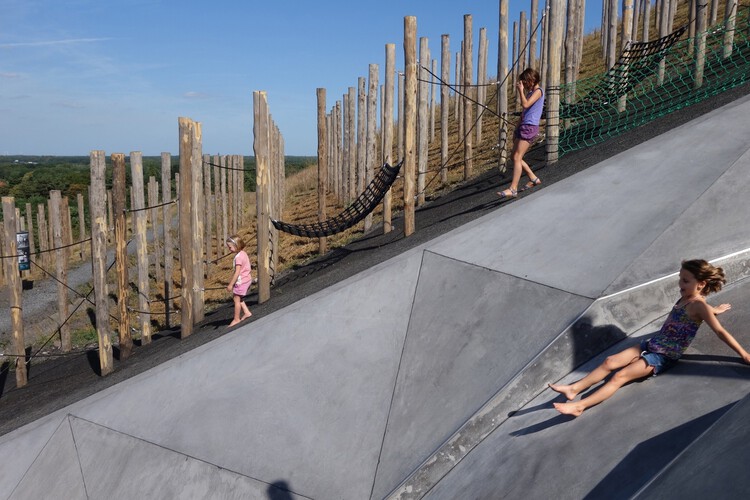
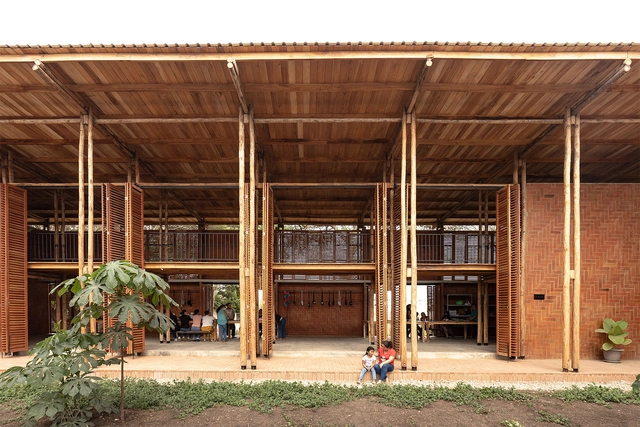
Play Landscape be-MINE / Carve + OMGEVING. Image Courtesy of Carve
Playgrounds are spatial instruments through which society projects its expectations on childhood, testing the boundaries between control and autonomy, exposure and protection. They regulate how children relate to space, to others, and their bodies — encoding, often invisibly, social norms, fears, and aspirations. In this sense, playgrounds are not peripheral spaces of leisure; they are political constructs shaped by specific ideologies about what childhood is and how it should unfold. Since 1989, the right to play has been formally recognised in the United Nations Convention on the Rights of the Child, affirming that play is a fundamental part of human development. To design a playground is not only to draw lines on a plan or to install equipment in a park; it is to define the conditions under which play is permitted, imagined, or constrained.
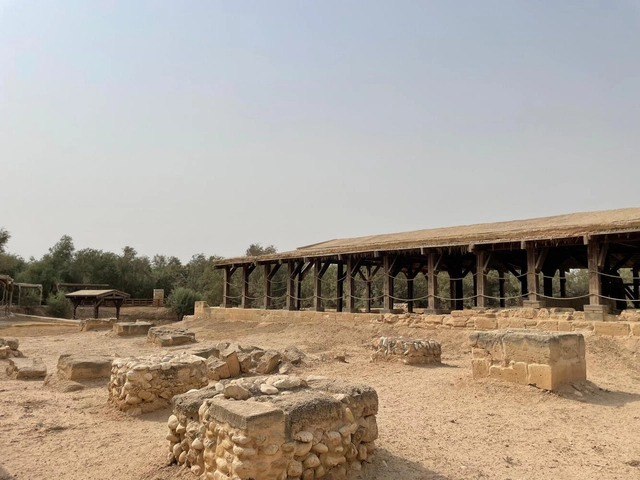
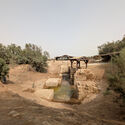
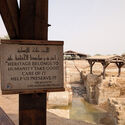
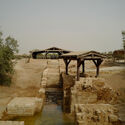
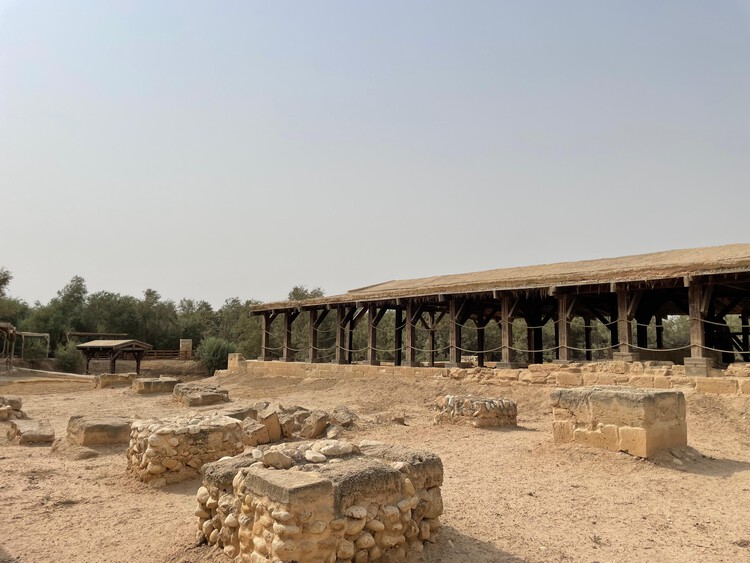
Baptism Site. Image Courtesy of Malcolm Reading Consultants
Seven international design teams have been shortlisted for the "Museum of Jesus' Baptism" at Bethany, Jordan, a cultural and spirituallandmark scheduled to open in 2030 to mark the bimillennial of Christ's baptism. Endorsed by His Majesty King Abdullah II bin Al-Hussein and led by the Foundation for the Development of the Lands Adjacent to the Baptism Site, the project is managed by London-based Malcolm Reading Consultants (MRC). The museum will be situated adjacent to the UNESCOWorld Heritage Site of "Bethany Beyond the Jordan" on the east bank of the JordanRiver, a place of Christian pilgrimage for centuries.
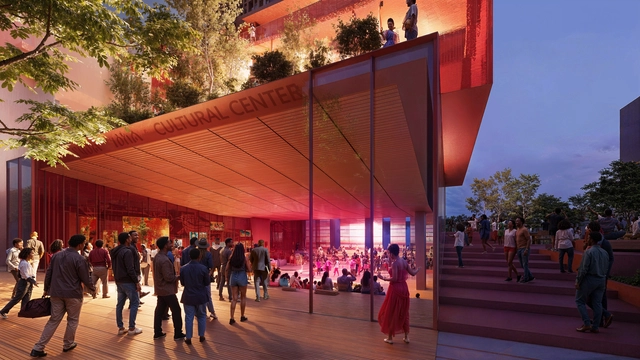
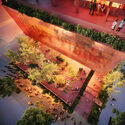
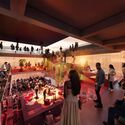
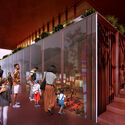
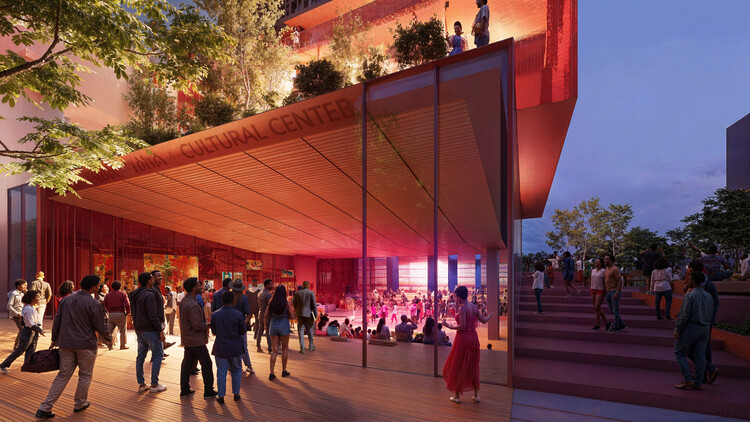
CRA-Carlo Ratti Associati has unveiled images of its design for a new cultural center in Addis Ababa, the capital of Ethiopia. The project is located in Kazanchis, a cultural, musical, and historic neighborhood currently undergoing transformation as part of a government-led urban renewal program focused on corridor development. This neighborhood was home to the traditional compound of the Fendika Cultural Center, a hub for Ethiopia's traditional and experimental arts, which was demolished on October 23, 2024, after the site was designated for redevelopment as part of the systematic clearing of the area. In recognition of Fendika's cultural significance, the Addis Ababa Municipality offered the institution the opportunity to remain on-site and rebuild in a way that aligned with the city's plans for the neighborhood. CRA's project responds to this context with an open stage and a four-story civic space.
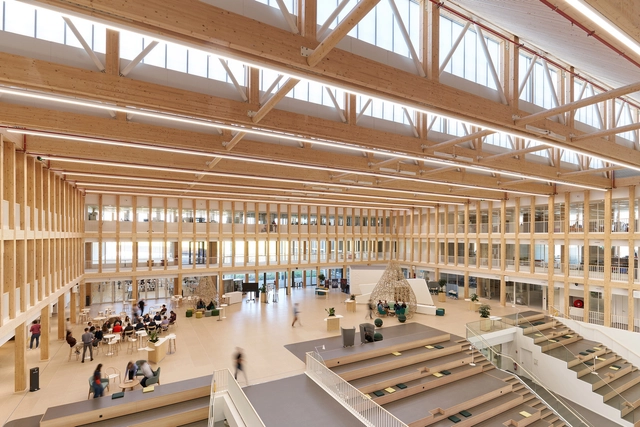
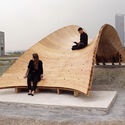
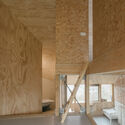
Wood, one of the oldest building materials, has been continuously reinvented throughout history. As contemporary architecture becomes more and more concerned with sustainability and environmental responsibility, the popularity of the material has also increased. As trees absorb carbon dioxide during their growth, their wood stores that carbon, keeping it out of the atmosphere. The materials derived from wood are thus associated with less greenhouse gas emissions on the condition of trees being harvested from sustainably managed forests. But in order to capture the full potential of this material, a plethora of techniques and modifications have evolved with the purpose of adapting and customizing wood's characteristics to the demands of modern design and construction. From thermal modification to engineered wood or versatile particle boards, these methods not only enhance wood's suitability for the rigors of contemporary architecture but also expand the usability of this sustainable material to an unprecedented scale.
In recent decades, a quiet revolution has reshaped how we interact with the objects and systems in our daily lives. What once required cranks or rotary mechanisms, and later the press of a button, is now giving way to experiences that are increasingly fluid, intuitive, and touchless. This shift is evident in public restrooms, where minimizing physical contact promotes better hygiene and reduces the spread of pathogens. It also reflects a broader change in paradigms of comfort, accessibility, and efficiency. Touchless devices, once restricted to isolated applications in hospitals, airports, or corporate buildings, have become standard in projects that prioritize user experience and sustainability.
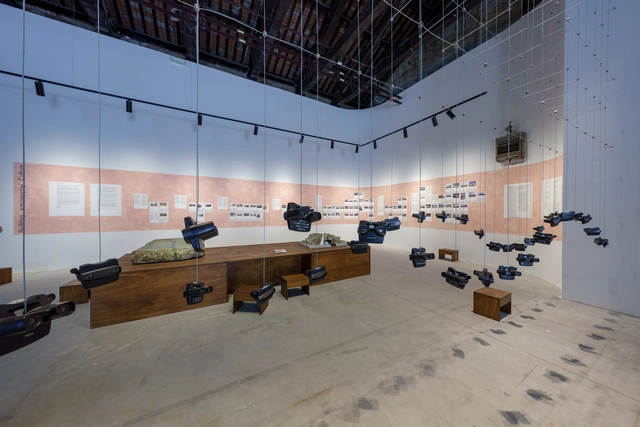
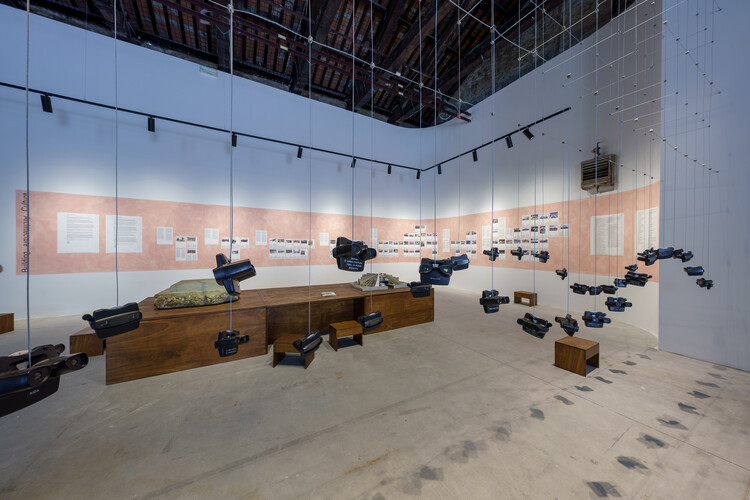
Curated by Anneke Abhelakh, the Albania Pavilion at the 2025 Venice Architecture Biennale, titled "Building Architecture Culture", explores how the country's architecture embodies its political, cultural, and social transformations. Albania's built environment reflects a layered history, from Ottoman and Italian rule to communist isolation and post-socialist transformation, each leaving visible marks on its cities and public spaces. The pavilion examines how architecture both responds to and shapes collective memory, public space, and civic engagement, framing these questions through past, present, and future perspectives.