Contemporary workplaces promise collaboration, yet they increasingly struggle to provide spaces for privacy. In an era dominated by open-plan layouts, small acoustic spaces like phone booths and focus pods have become essential for maintaining productivity and privacy. However, the paradox of "booking conflicts" alongside "underutilized spaces" has turned these areas into operational challenges. The question, then, is how workplaces can balance efficiency, productivity, and individualized user experiences within increasingly complex environments.
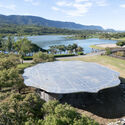
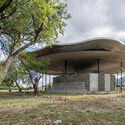
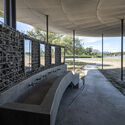
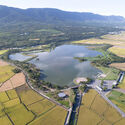
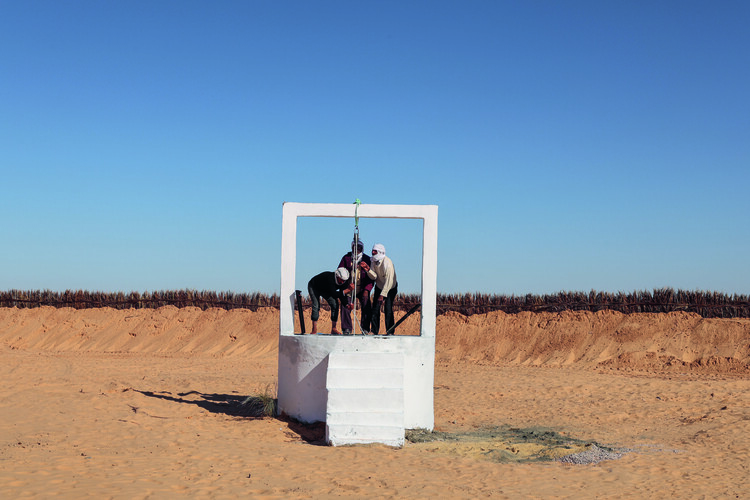
Bir Ettin Restoration / Bled El Abar Collective. Image Courtesy of Bled El Abar Collective
In some languages, the very word for building refers to its immovability. The discipline of engineering related to buildings is referred to as statics. Thus, architecture is closely related to the fixed and the immobile. And yet, for millions of nomadic people around the world, shelters must be of a light and distinctly movable structure, while home is the vast landscape in which they reside. Such lifestyles, which carry centuries of traditions, are constantly under threat from the pull factors of sedentary life in towns and cities. In Tunisia, one project acknowledges the risk of heritage loss and attempts to improve conditions for nomadic herders.
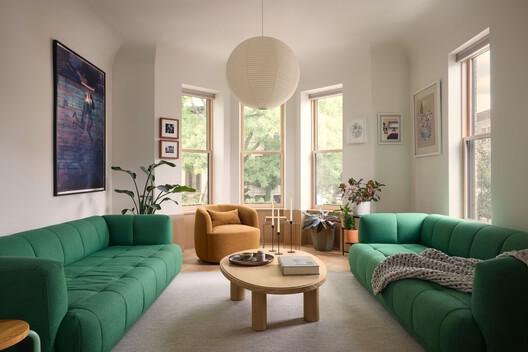
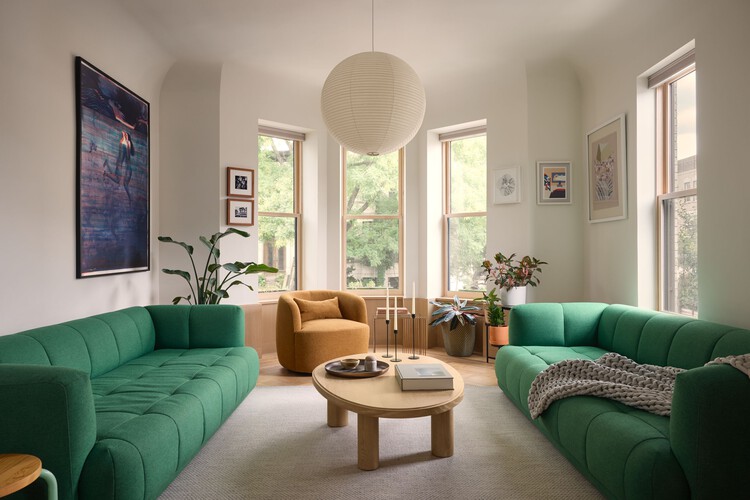
Manufacturers: Duravit, &Tradition Flowerpot VP7, Andrew Neyer, Ann Sacks, Artemide, +15Bedrosians, Benjamin Moore, Element Lighting, Fisher Paykel, Frigidaire, GC, GE, Marvin, Minke Aire Roto, Naturali Stone, Pure Edge Cirrus Suspension D, SMC Stone International, Samsung, Sharp, Spot On Lighting-15
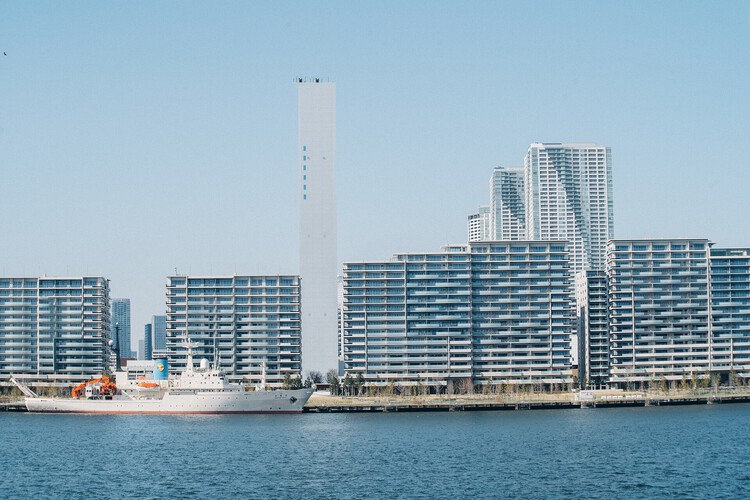
Tokyo 2020 Olympic Games- Athletes Village (HARUMI FLAG). Image via Wikimedia Commons CC 2.0
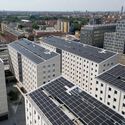
With the Milano–Cortina 2026 Winter Olympics underway, it is worth looking back at how the Olympic Village has evolved from a purely functional solution into a strategic urban project. From improvised housing compounds to key pieces of urban regeneration, Olympic Villages have repeatedly functioned as large-scale experiments in how parts of the city can be built within a short period of time.
Designed under intense time pressure and for a highly specific population, these environments reveal shifting ideas about housing, collective life, and the urban legacy of mega-events. Across different editions, the Olympic Village reflects broader ways in which events, housing, and cities intersect under conditions of urgency.