When I look at the architecture of Guillermo Acuña, I am quickly reminded of those well-known Chilean wooden houses scattered across the territory—those that mark distant points on the hills and gently blur the edges of the coastline, those that rise lightly and blend with nature, teaching us about material honesty and a connection to the landscape. Those that remind us of where we come from and of what humans create.
This is why we reached out to the office of GAAA for a brief interview, to hear the story behind their inspirations, purposes, explorations, and future vision.
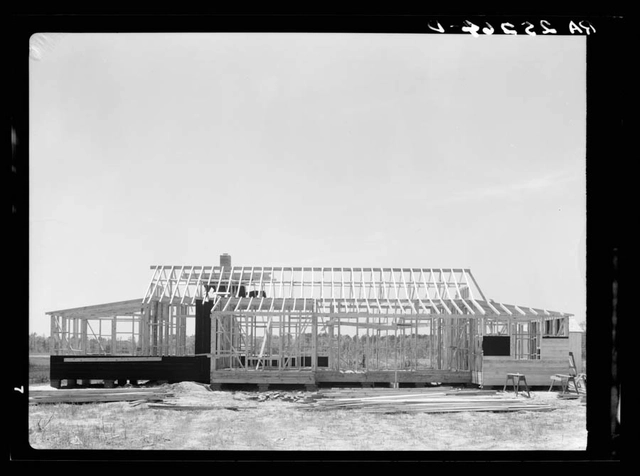
The balloon-frame construction system was developed in the United States in the 1830s. Widely used in residential and other small-scale construction for a century, it was replaced by platform framing, which allowed for the use of smaller wood studs. Both systems rely on readily available timber elements.Courtesy Library of Congress, prints and photographs division. Farm security administration/office of war information black and white negatives
Kate Wagner spoke with the curators of the U.S. Pavilion at this year's Venice Architecture Biennale about broader issues of labor, democracy, and suburbia.
Editor’s note: As of early March, The 17th International Architecture Exhibition has been postponed and rescheduled to run from August 29 to November 2020.
On the face of it, the theme of the U.S. Pavilion at this year’s Venice Architecture Biennale seems like a safe choice. It’s true that “American Framing” foregrounds the wood-framing construction system that has held sway in this country for nearly two centuries. But the exhibition’s curators, Paul Andersen and Paul Preissner, also promise to explore aspects of the system other than its material attributes. Kate Wagner, the founder of the project McMansion Hell, spoke with the pair about broader issues of labor, democracy, and suburbia.
Architects throughout the modern era have displayed their fantasies through their designs and their obsessions with how women have inhabited them. Take for example Corbusier’s infatuation with Eileen Gray and her home, E. 1027. Plagued with unconfirmed tales of how he broke into her home to paint murals on the white walls, he was also known to publicly downplay the home's design, while conversely praising it in a series of unreciprocated love letters to Gray. In the same vein, while Adolf Loos stood firmly against architectural decoration, he perhaps supported the elegance of women acting as a human ornament, an assumed notion in his envisioned home for the French Entertainer, Josephine Baker. The unbuilt proposal took on the form of a black and white striped solid which located a glass pool at the center of the space, forcing Baker to catch the male gaze of other occupants.
The relationship of sensuality and space doesn’t stop with the provocative desires of these three men, but lives on in one of the world’s most famous publications, Playboymagazine. Perhaps best known for its significance as a vanguard in the sexual revolution with its promotion of masculinity, the magazine also illustrated a showcase of swanky glass bachelor pads standing high above Beverly Hills that pushed forward a debonair lifestyle punctuated by modern design. As a generator of a glamorized lifestyle, the magazine highlighted architectural titans including Mies van der Rohe, Bucky Fuller, and Eero Saarinen, and made them palatable to a general audience.
While public parks and gardens have closed down their doors around the world, in fear of the COVID-19 spread, Studio Precht has proposed a green space designed around the rules of physical distancing. Entitled “Parc de la Distance”, the project introduces an outdoor space that encourages social distancing and short-term solitude.
Critic Jorge Figueira interviews Brazilian architect Alvaro Puntoni in the second episode of Studio Casa, an interview series produced by Casa da Arquitectura - Portuguese Center for Architecture.
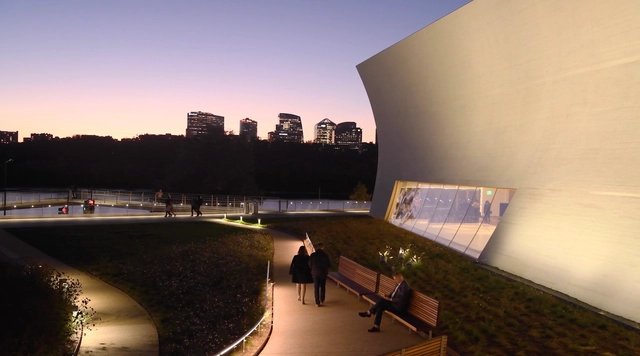
A new film by Steven Holl Architects and Spirit of Space showcases the REACH at the Kennedy Center for the Performing Arts. Designed as three pavilions interconnected below an open green roof, the elegant expansion merges architecture and landscape to increase the center's interior space with 72,000 sf of open studios, rehearsal and performance spaces, and dedicated arts learning spaces.
In the midst of a pandemic that has already affected 184 countries and infected more than a million people around the world, we seek to cover all topics that relate the coronavirus within architecture and space, and ways to make social distancing less painful.
The social housing situation in Latin America is often quite similar, varying primarily according to specific local climate adaptations. However, in most architecture schools, it is uncommon for undergraduate curricula to delve deeply into this subject. Perhaps the best way to understand these housing typologies—from an architectural standpoint—is through direct experience.
https://www.archdaily.com/1123810/an-architecture-students-experience-with-social-housing-in-cubaJuan Miguel de la Fuente
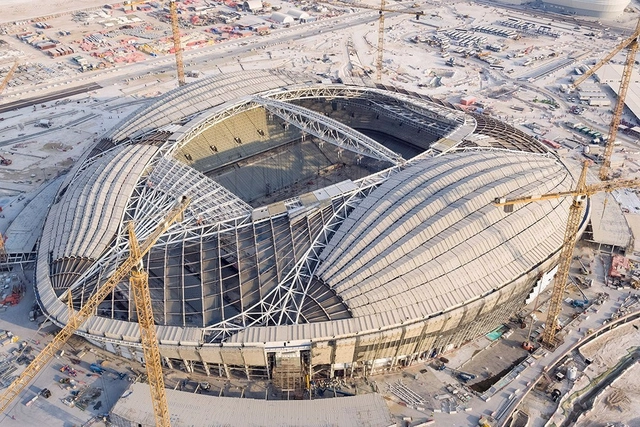
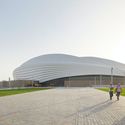
Al Wakrah Stadium construction. Image courtesy of the Supreme Committee for Delivery & Legacy
Between February 2014 and September 2015—just a few months before her untimely and unexpected passing—architect Zaha Hadid was at the center of a heated and controversial debate. This debate focused, on one hand, on the growing and increasingly severe allegations concerning labor conditions in Qatar in general, and specifically on construction projects undertaken for the 2022 FIFA World Cup (ITUC, 2014; Amnesty International, 2016); and, on the other hand, on the design of the Al Wakrah Stadium—developed by the London-based architecture firm that bears her name, and signed by Hadid and Patrik Schumacher for the event.
https://www.archdaily.com/1123662/architecture-form-and-labor-reflections-on-zaha-hadid-and-the-stadium-construction-for-the-2022-world-cup-in-qatarMarianna Boghosian Al Assal
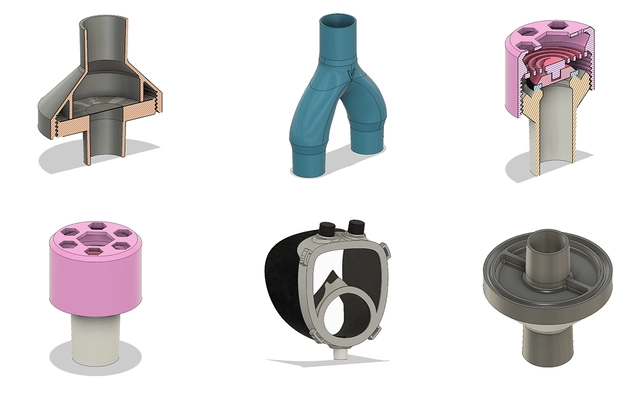
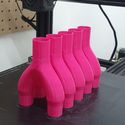
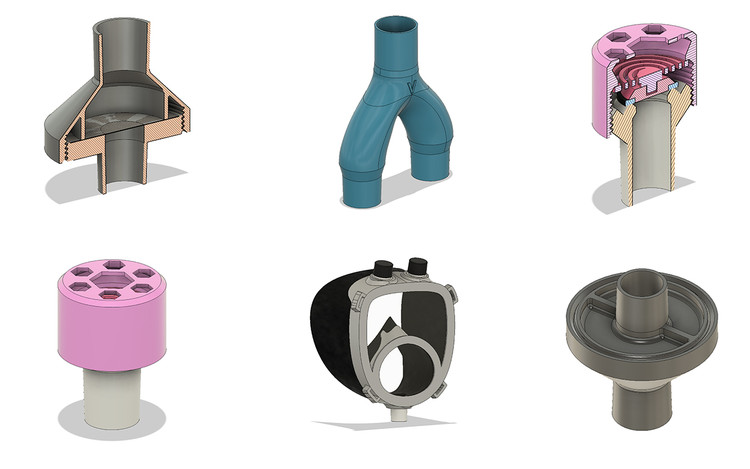
As part of an initiative by Makers México, a group of nearly 300 creative professionals from various fields continues to come together to address the COVID-19 pandemic. Architects such as Juan Carlos Baumgartner and Michel Rojkind, along with designer Ariel Rojo, have joined this effort to contribute in various ways, creating 3D-printed parts to be donated to hospitals across the country. Currently, they are working on a splitter—which allows two patients to be connected to a single ventilator in the event of a shortage—protective masks for doctors and patients, as well as other components to complement their operation.
Architectural and fine art photographer Pygmalion Karatzas is presenting a number of free online architectural photography resources for readers to explore in the period of the COVID-19 pandemic. The selected resources include e-books, numerous interviews with renowned photographers from around the world, educational presentations (academic papers, lectures, workshops), and videos.
As author Jeremy Lent points out in a recent article, the phrase “social distancing” is helpfully being recast as “physical distancing” since this pandemic is bringing people closer together in solidarity than ever before, and we are witnessing a heartwarming rediscovery of the value of community, and humanity’s prosocial impulses like altruism and compassion manifesting across sectors and boundaries.
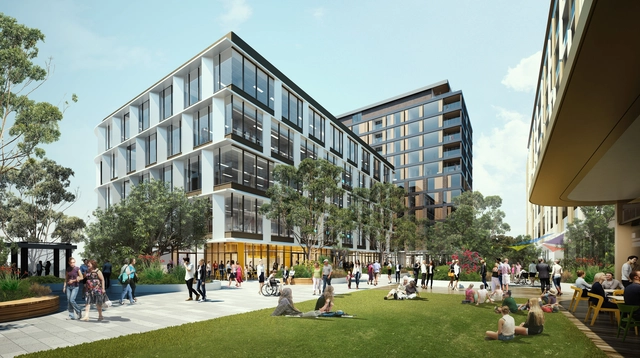
Hassell has approached health and wellness differently in the newest healthcare facility in Western Australia. With innovation at the core of the architectural concept, the Murdoch Knowledge Health Precinct puts people first, creating a state-of-the-art intervention, a hub for activities and interconnected public spaces.
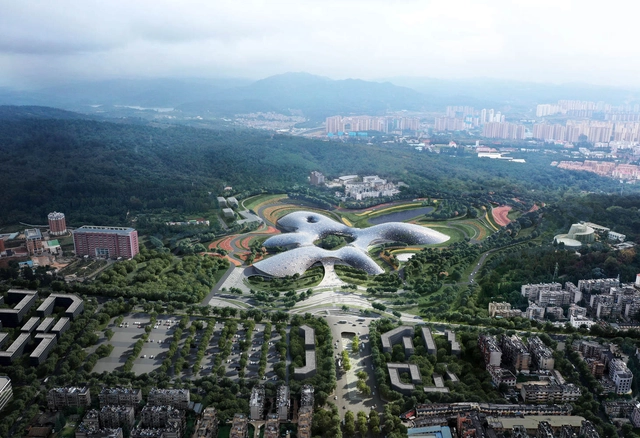
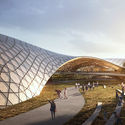
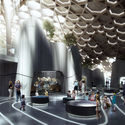
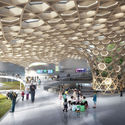
Located in Kunming, the city of “Three Mountains, One Lake”, the National Botanical Museum designed by THAD and Sutherland Hussey Harris, embodies the fusion and integration with nature on many different levels.
The architecture firm Fresta Arquitetura and the collective Whabout were awarded second place in the international competition Hope Dental Center: Rwanda Clinic and Trainning Institute. Organized by Archstorming, in partnership with His Hands On Africa (HHOA), the competition aimed to select the project to be built to house a dental clinic and training institute in Kigali, the capital of Rwanda.
The Australian Institute of Architects has announced it will no longer participate in the 2020 Venice Biennale. Last month, organizers postponed the event's opening until August in light of the recent COVID-19 pandemic. Australia’s exhibition, titled In Between, was to be curated by creative directors Tristan Wong and Jefa Greenaway, and it aimed to explore connections between indigenous cultures across Australia and the South Pacific.
What size is this room? What is the view from the meeting room like? What would you see if you looked from the outside in? These are all recognizable examples of questions designers are asked. Is there any better answer than immediately showing the view in question? XUVER provides a user-friendly way to share an online-rendered visualization of your design within a minute. No additional software is required; all you need is a link and a web browser. A voice module also enables you to discuss your design simultaneously.
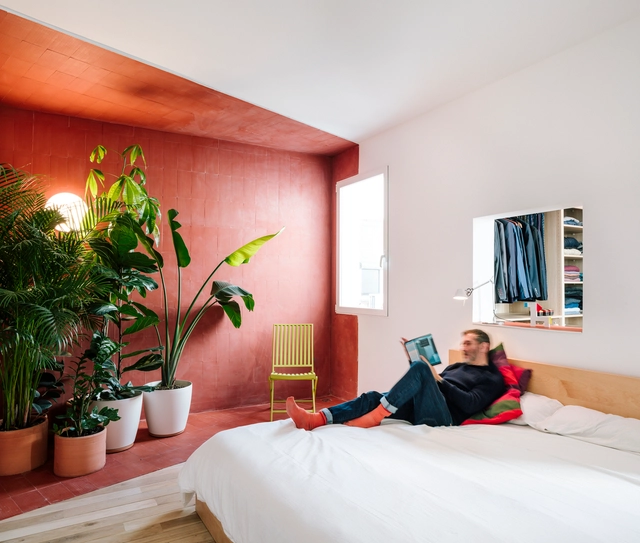
Apartment for a Bachelor in Madrid / gon architects + Ana Torres. Image
As cities around the world go on lockdown in response to the COVID-19 outbreak, most individuals have been asked to stay at home, leaving only essential workers - EMTs and other healthcare professionals, grocery workers, bus drivers, deliverymen, and more - continuing to go out to keep the world running. Other families and individuals have found themselves spending most of their time at home, permitted to leave only to buy groceries or exercise for limited periods of time. With many no doubt searching for ways to pass the time in replacement of social interaction, we suggest several ways to brighten up your home while practicing social distancing, both improving the space you’re in and giving possible activities to pass the time.
Following an exciting week of nominations, ArchDaily’s readers have evaluated over 800 projects and selected 10 finalists of the Building of the Year Award. Over 20,000 architects and enthusiasts participated in the nomination process, choosing projects that exemplify what it means to push architecture forward. These finalists are the buildings that have inspired ArchDaily readers the most.
https://www.archdaily.com/937645/archdaily-china-building-of-the-year-2020-awards-the-finalists韩爽 - HAN Shuang
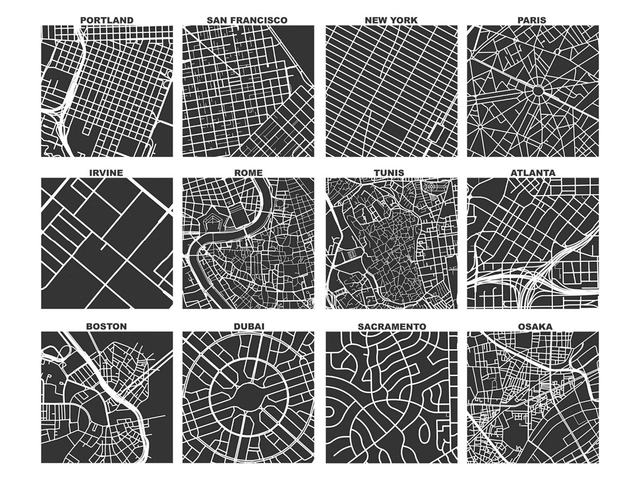
Big Data refers to data that, due to its quantity and complexity, requires specific applications in order to be processed. New trends in urbanism, data collection, and management, not to mention the development of new platforms and tools, have given rise to a new era in urban analysis, creating new resources to understand, evaluate, and manage the evolution of cities.
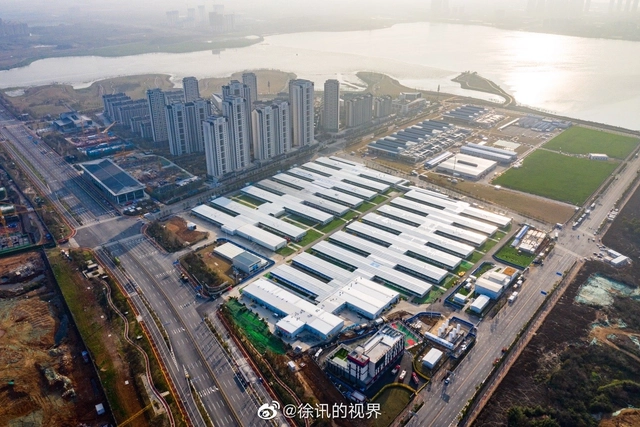
While an overwhelming majority of the world is still fighting against COVID-19, the economic and social situation in China has shown beginning signs of a return to a new normal way of life in recent weeks. In another sign of good news, the Chinese government recently announced that the two hospitals in Wuhan that were built from ground up within 10 days would close on April 15th and the remaining 30 patients will be transferred to other hospitals in Wuhan to receive further treatment. Other regions of China have followed similar steps, also announcing the closure of temporary hospitals, showing a positive sign that the COVID-19 pandemic is finally being defeated where it first began.
We've compiled a list with the temporary hospitals constructed in the first two months of 2020, designed specifically to treat patients with COVID-19 symptoms. In total, China constructed more than 30 temporary hospitals built across the country. The speed at which these medical facilities were built was achieved through the hard work of tens of thousands of people working around the clock.
https://www.archdaily.com/937579/a-closer-look-at-the-chinese-hospitals-built-to-control-the-covid-19-pandemicMilly Mo
American architect, educator, critic, historian, curator and co-founder of The Architect’s Newspaper has passed away after a long battle with cancer in Manhattan at 72 years old.
The American Institute of Architects (AIA) have released the Architect’s Guide to Business Continuity, an effort to assist architecture firms with navigating adverse business conditions. The guide provides firm leaders with insights into managing staff, premises, technology, information, supply chains, stakeholders, and reputation. It aims to help firms continue providing services, generating revenue, and reducing the consequences of business interruption.
Given the sheer magnitude and influence of its recorded history, Italy as we know it is a surprisingly young country. For centuries, the region was divided between powerful (and sometimes warring) city-states, each with their own identity, culture, and, fortunes, and influence. Some are eternally famous. Rome is a cradle of history and heart of religion; cool Milan is a hub of contemporary fashion and design; Florence is synonymous with the Renaissance and all the epoch’s relationship to the arts.
Turin’s history is arguably less romantic. The small city in Savoy, a north-Italian region bordering France, has established an identity as an industrial powerhouse. It is home to FIAT and some of Italy’s finest universities; the streets are dotted with works by Nervi, Botta, and Rossi. But despite the design pedigree, perhaps nothing better illustrates the region’s faceted history better than Castello di Rivoli.
It appears that the humanitarian crisis has triggered a myriad of actions, rarely seen under normal circumstances, where human life, health, and the economy are prioritized equally. As urban activities grind to a halt, we once again isolate and alienate ourselves; yet, this situation feels strangely familiar. Almost seamlessly, we turn our lives over to technology, detaching ourselves from the physical conditions of our existence to make quarantine more bearable within spaces of telecommuting, virtual classes, chats, and social networks.
https://www.archdaily.com/1124100/architecture-of-a-crisis-the-pandemic-and-virtual-spacesJulián Jerez V.