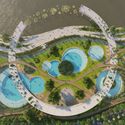
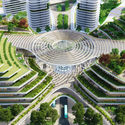
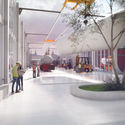
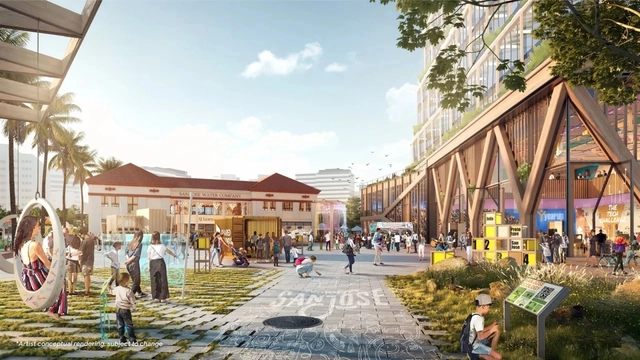
Google has released new details of a sprawling, 80-acre plan to transform downtown San Jose, California. Designed to be a corporate campus, the "Downtown West" development will emphasize public open space and parkland. Google intends to make the area feel less like a traditional corporate development by incorporating office space, housing, retail and other uses within a new urban neighborhood framework.
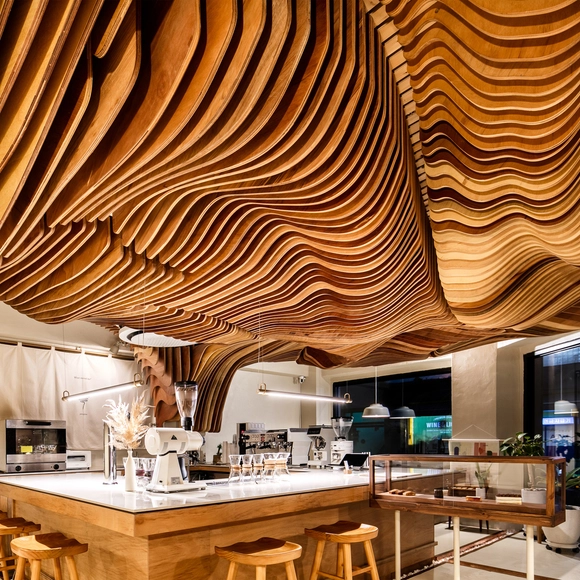
erception Cafe / Haejun Jung - Feelament. Image Courtesy of A' Design Awards
The international A' Design Awardcompetition was "born out of the desire to underline the best designs and well-designed products" of designers, architects, and innovators from all design fields. Entries each year are judged by A' Design Award's jury of hundreds of experts from around the globe including scholars, professionals, and media members. If you are selected as a winner, you'll receive a host of prizes and benefits, in addition to international prestige and recognition. Entries are being accepted now until February 28th, 2021 and a selection of winners will be featured in a post on ArchDaily after they're announced on April 15th, so register your design today for a chance to be included.
While Buenos Aires' architecture is known for its heterogenous and constantly-changing nature, within the city's low density residential sectors, it's possible to detect forms and patterns that have remained constant under the city's many transformations. One of these is the HP, or Horizontal Property, a legal concept that allows for multiple constructions on one lot, resulting in a handful of low-rise structures congregated together in a high-density layout.
In June 1954, an article published in House & Home magazine read, “The Japanese had some of our best ideas—300 years ago.” The piece highlighted three main attributes of Kyoto’s Katsura Imperial Villa, built in the 1620s: the open post-and-beam plan, the use of verandas for climate control, and its modularity based on tatami mats and shoji screens.
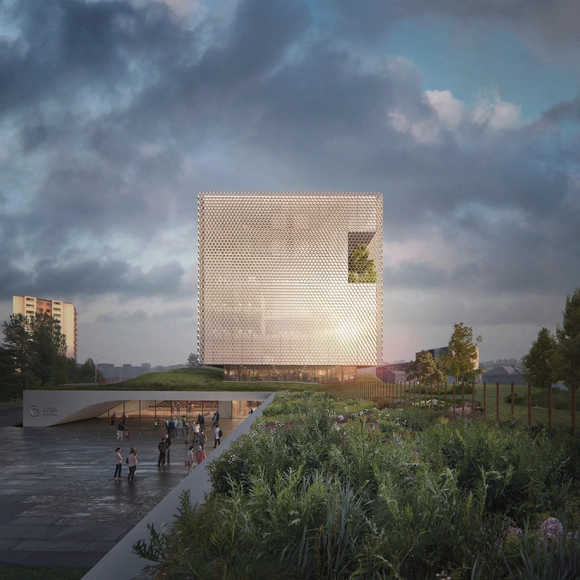
Imagens realizadas por Mir.. Image Cortesia de OODA
Portugal-based OODA firm has revealed the design of the headquarters of the Portuguese Professional Football League in Oporto. Located in an area marked by discord and urban diversity, the building is a bold statement in this urban environment and will help to develop the adjacent neighborhoods.
https://www.archdaily.com/949637/ooda-reveals-new-hq-and-museum-for-portuguese-football-league-liga-portugalEquipe ArchDaily Brasil
Modern timber construction is nothing short of breathtaking. The wooden arches and unique curves delight even the most creative architects. The scale and perception of a wooden building make it blend in with the decor while still remaining noticeable. The inspiration and the possibility of achieving this type of construction are now trending upward, but who has the knowledge and expertise for these projects? The province of Quebec does, a world leader in mass timber construction.
Throughout history, drawing has been the essential medium of conveying architectural ideas, operating on multiple levels, from the practical application of serving the construction process to the more artistic quality of expressing a vision and providing an impression of what the architecture will be like. The book Architecture – Drawn, From the Middle Ages to the Present, authored by University of Stuttgart Prof. Dr. Phil. Klaus Jan Philipp, recounts the historical development of architectural drawings, exploring all the different inventions, revolutions and continuities spanning eight centuries of architectural representation.
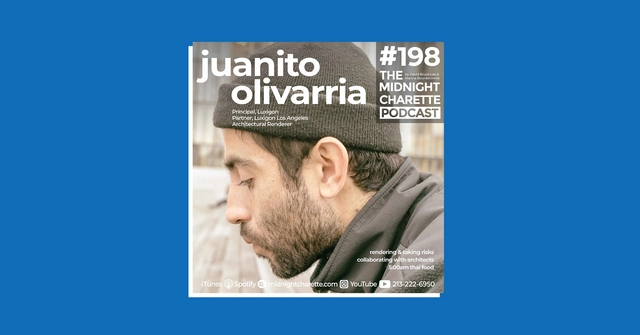
Juanito Olavarria. Image Courtesy of The Midnight Charette
The Midnight Charette is an explicit podcast about design, architecture, and the everyday. Hosted by architectural designers David Lee and Marina Bourderonnet, it features a variety of creative professionals in unscripted conversations that allow for thoughtful takes and personal discussions. A wide array of subjects are covered with honesty and humor: some episodes provide useful tips for designers, while others are project reviews, interviews, or explorations of everyday life and design. The Midnight Charette is also available on iTunes, Spotify, and YouTube.
This week David and Marina are joined by Architectural Renderer & Partner of Luxigon's Los Angeles office, Juanito Olivarria to discuss his process of creating renderings, collaborating with architects, beauty, video gaming, taking risks, ugly trees, rendering styles, and much more!
https://www.archdaily.com/949714/have-you-ever-seen-a-render-with-a-dent-in-a-car-juanito-olivarria-on-his-process-creating-renderingsThe Second Studio Podcast
Videos
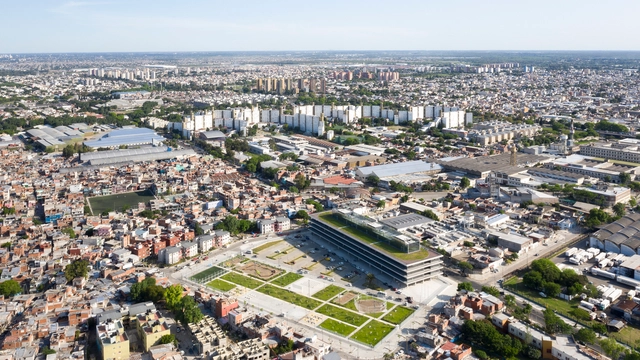
Nuevo Ministerio de Desarrollo Humano y Hábitat - El después del Elefante Blanco. Image Cortesía de Secretaría de Desarrollo Urbano / Gobierno de la Ciudad Autónoma de Buenos Aires
Not all works of architecture are a success. In fact, there is a term reserved especially for architectural creations that have proven simultaneously extravagant and wasteful: "White Elephants."
The second edition of the Tbilisi Architecture Biennial (TAB), conceived under the name "what do we have in common" opens on Saturday, October 17, and will run through November 8th, 2020.
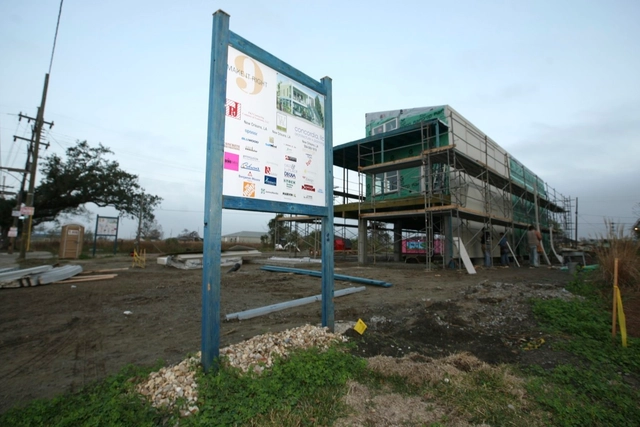
A small but nevertheless significant building designed by David Adjaye in the Lower Ninth Ward for Brad Pitt’s Make It Right Foundation will be demolished because it has been deemed unsafe.
The city of New Orleans posted a “Notice of Emergency Demolition” on the vacant house at 1826 Reynes Street, saying that it is “in imminent danger of collapse and/or threat to life,” according to NOLA.com.
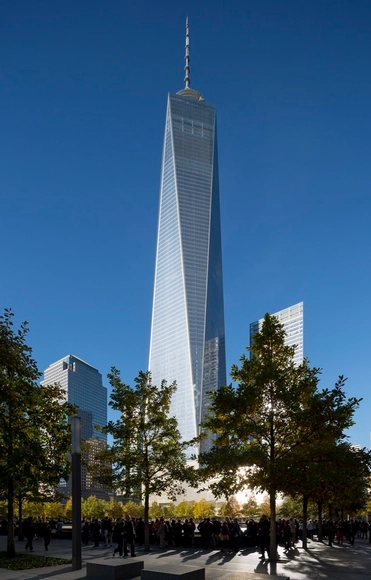
In the modern era of design where advancements in technology and construction have enabled architects to build better, faster, and taller, the sky’s the limit. Every few months, another headline boasts the tallest residential tower or the newly constructed office building that breaks yet another record for its impressive height. But as time goes on and new projects are completed, trends show that the United States is falling out of the spotlight in terms of being able to claim the title of world’s tallest building, and the drawing boards show that no American city will be reclaiming this title any time soon.
Cascade Cafesjian Museum Extension and Concert Hall. Image Courtesy of TarberAK Architectural Studio
Focusing on diversity, this curated selection of the Best Unbuilt Architecture showcases a multitude of functions. Submitted by our readers, the projects vary in scale, program, design, and representation. Coming from all over the world, many of these interventions are in progress, while others are still in conceptual phases.
Introducing innovative and out of the box ideas, this roundup includes a floating farm in the Netherlands, natural swimming pools in South Korea, a resort in Hungary, and a cascading museum extension in Armenia. Even more common functions such as a hotel in Vietnam, an infinity loop library in China, a mixed-use building in Iran, headquarters for Yandex in Russia, and a campus in Germany, present inventive approaches and intriguing imageries.
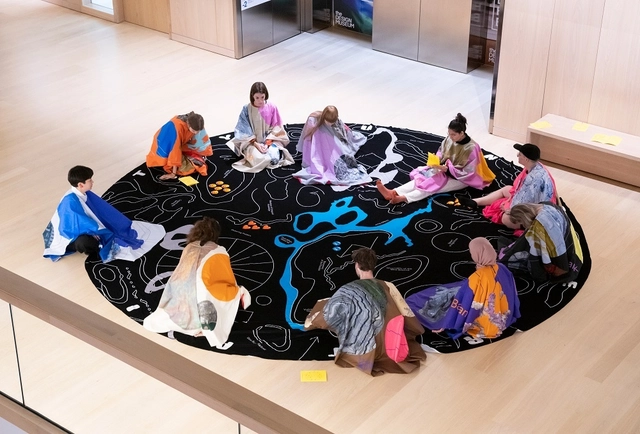
The 5th Istanbul Design Biennial has opened to the public, both digitally and physically. Curated by Mariana Pestana with Sumitra Upham and Billie Muraben, the Biennial brings together different formats of display under the theme Empathy Revisited. The biennial launches with interventions in a range of exhibition venues, outdoor spaces in Istanbul and digital platforms.
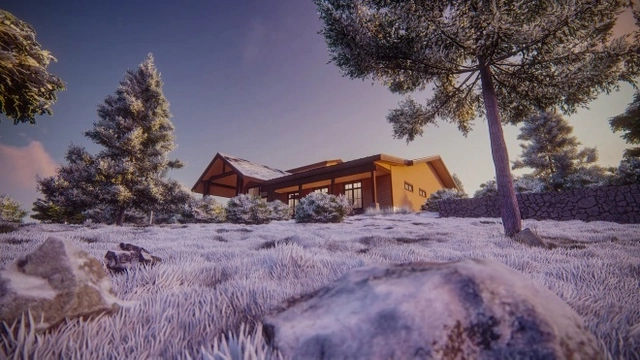
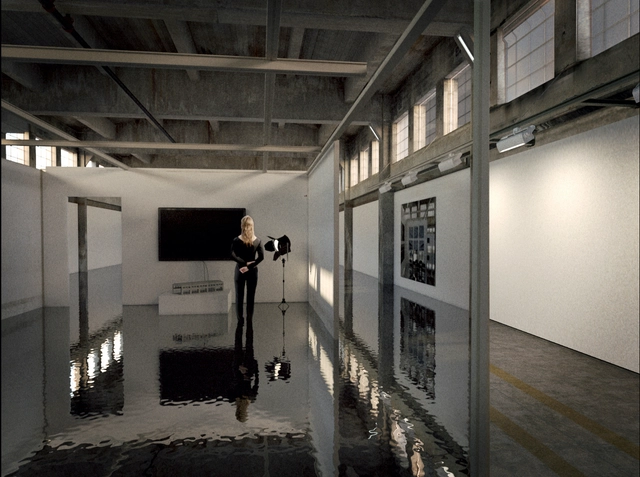
Photorealistic renderings today are the standard. They can be done quickly, cheaply, and clients expect them. But are these renderings truly accomplishing what they set out to do? Those on the forefront of new 3D design techniques argue that, as an industry, we’ve gotten stuck on conveying information, when what we should really bring to the table is emotion. Now that the playing field has evened in terms of technological capability and hyper-realism, what’s the next step? By introducing an emotional layer and creating a sense of place, renderings can provide even more value to a project, firm, client, and community.
Videos
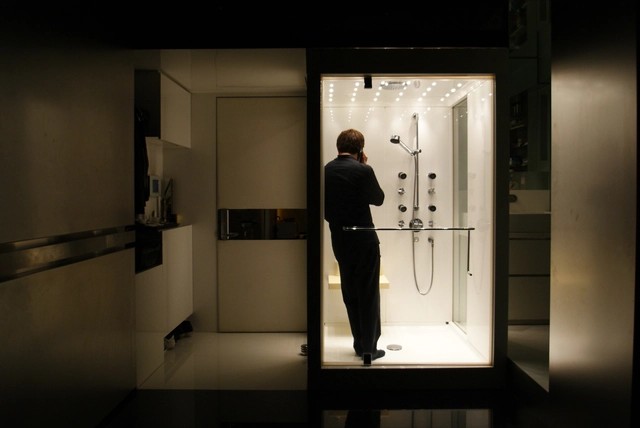
Gary Chang in his Domestic Transformer. Image Courtesy of Edge Design Institute
Compact living units have become the norm in most big cities across the globe. High density and the value of land in urban areas has made it mandatory for most developments to take full advantage of the buildable area. The result is homes that are increasingly smaller. Hong Kong is probably the most extreme case – with roughly three-quarters of the land preserved, the portion left for housing accommodates more than 7 million people in one of the densest urban environments on Earth.
We recently had the opportunity to talk with architect Gary Chang, founder of the Hong Kong-based Edge Design Institute, about his vision of compact living, small-scale architecture, flexibility, and the future of our cities.
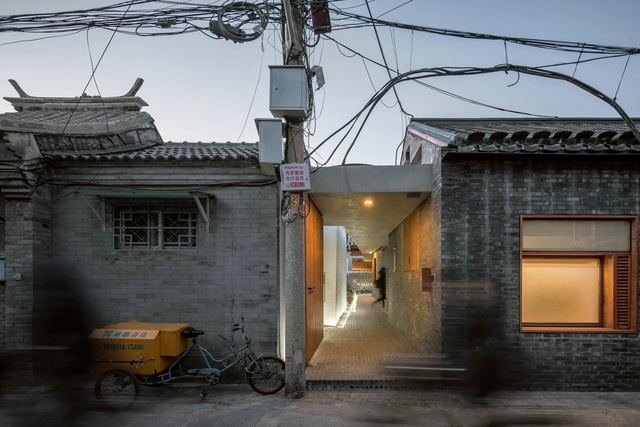
For centuries, Hutongs have been recognized as one of the most treasured types of vernacular housing in China. Witnessing the cultural and historical transformation in Beijing ever since the Yuan Dynasty (1271 – 1368), the name Hutong is derived from a Mongolian word that means ‘water well’. In fact, this term was given to small streets that originated during the Yuan Dynasty when the emperor attempted to organize the urban fabric in a grid-like pattern in order to manage properly property ownership and to form an efficient transit system.
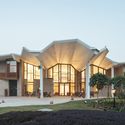
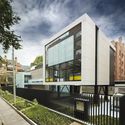
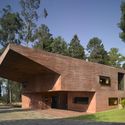
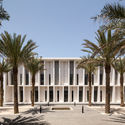
The architecture of diplomacy balances security and openness. As symbols of protection and representation, embassies are built for utility in both urban and rural contexts alike. At their core, they are also made to communicate the values and ideals of nations as welcoming structures and sustainable civic spaces. Today, modern embassy projects are made to meet rigorous security standards while embracing local culture and conditions.
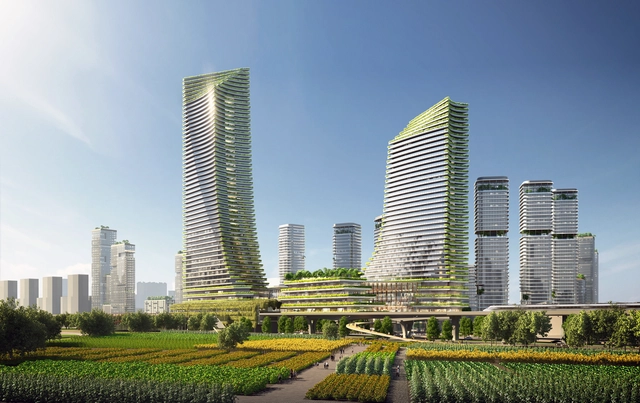
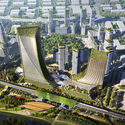
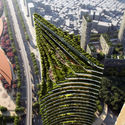
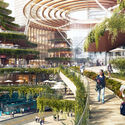
Establishing strong connections between urban and nature, tradition and innovation, and economy and culture, SOM has designed a master plan for the Central Area of Guangming District, Shenzhen, China. A new benchmark of ecologically integrated development, the project will lead the next generation of urban growth in the Greater Bay Area.
In order to inspire our audience, generate critical debates, and develop ideas, ArchDaily has been continuously questioning architects about the future of architecture. To define emerging trends that will shape the upcoming cities, examining “What will be the future of architecture?” became an essential inquiry. More relevant during these ever-changing moments, discover 10 interviews from ArchDaily’s archived YouTube playlists that will highlight diverse visions from 10 different pioneers of the architecture field.
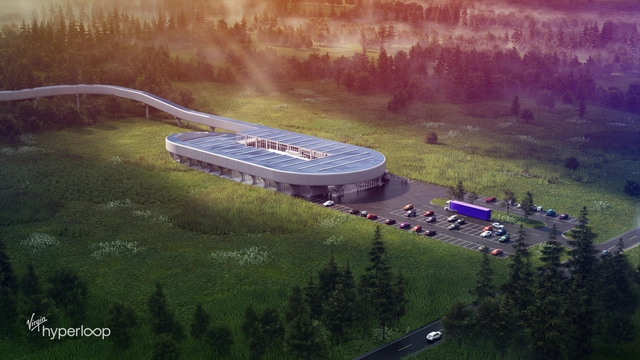
Virgin Hyperloop has announced that it will build a new Certification Center for an 800-acre site in West Virginia. Designed to test the company's futuristic transport system, the center will serve as a location for developing and validating the use of hyperloop technology. Coming with a $500 million price tag, the project will expand upon Virgin Hyperloop's current testing efforts in the desert north of Las Vegas.
SCI-Arc convened to present its globally renowned Graduate Thesis Weekend, as the culmination of the 2020 graduate programs curricula. Complete with wall-to-wall livestreamed final reviews, SPIN Room commentary sessions throughout, as well as rich and engaging discourse and feedback from a wide range of experts in the field of architecture, this year’s graduating M.Arch 1 and 2 students took the virtual stage via Twitch and YouTube Live to present their final thesis projects.
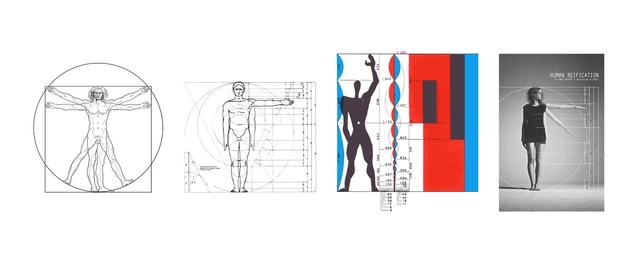
“The whole hand will be the tenth part of the man; From the bottom of the chin to the top of the head is an eighth of its height; From the nipples to the top of the head it will be the fourth part of the height.” If you're still here without going to get a measuring tape, these phrases were written by Marcus Vitruvius Pollio, a Roman architect who lived in the 1st century BC, who delineated them in his influential treatise “De Architectura Libri Decem” – Ten Books on Architecture. The data presented by Vitruvius was compiled and depicted visually around fifteen hundred years later by Leonardo Da Vinci in his famous work “Vitruvian Man,” which is reproduced in all different contexts today, from book covers to kitchen aprons.
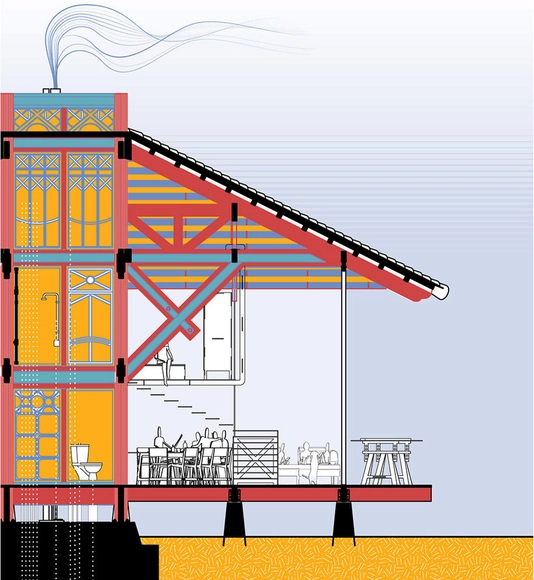
"Timber Hearth" Building System / Space Popular. Courtesy of Space Popular
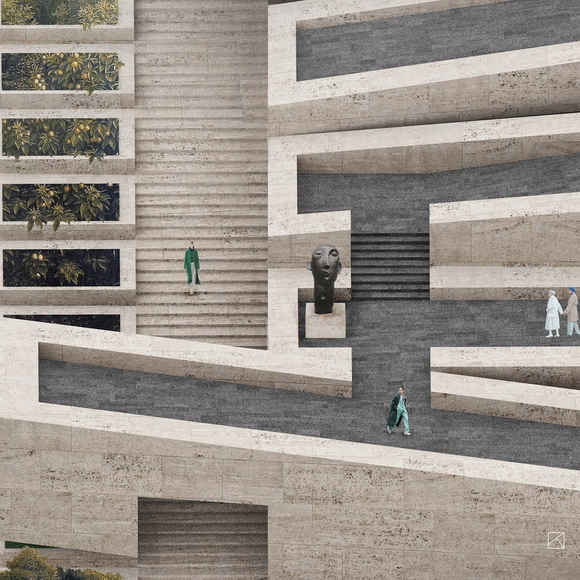
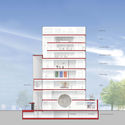
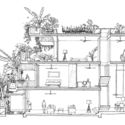
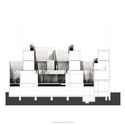
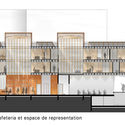
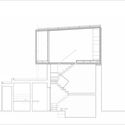
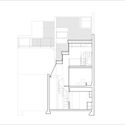
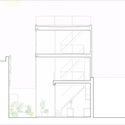
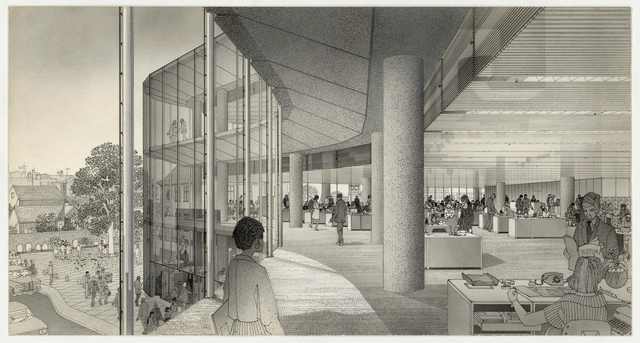
Rendered floor plans and sections are a kind of translation of technical construction drawings into a language more accessible to people who are not familiar with architectural design. In other words, they are responsible for introducing the human scale to the project, not only through the human figure but also by displaying furniture, textures, and other aspects of architecture that are more realistic and humanizing, making the representation more understandable.


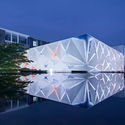
.jpg?1602551915 "Shimao Loong Palace Residential Landscape / Shimao Group. Image Courtesy of A' Design Awards")







.jpg?1602882859&format=webp&width=640&height=580)