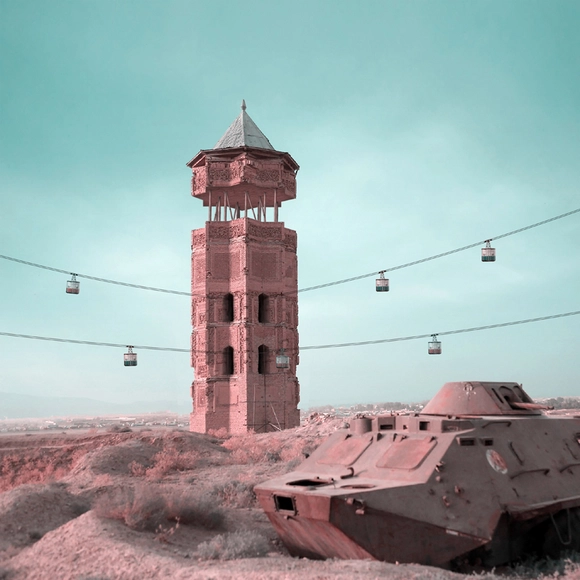
In the past, minarets were considered an important architectural element serving several purposes. They were built adjacent to mosques for the call to prayer, as well as at the entrances of cities as a main focal point to guide travelers. Today, however, the need for minarets has decreased as they have become tokens of historic times.
In the latest collection of his photo-series "Retrofuturism", Iranian architect and visual artist Mohammad Hassan Forouzanfar introduced a new function to historic Persian minarets through imaginary illustrations that compliment the aged brick structures with contemporary industrial archeology.
The first lockdown brought most of the world to a standstill, and many were quick to point out the silver lining: the significant drop in carbon emissions. However, this pollution reduction was short-lived, and past crises indicate that we might be standing at a crossroads when it comes to our climate goals. What has this unprecedented year meant for the efforts to curb climate change and protect the environment?
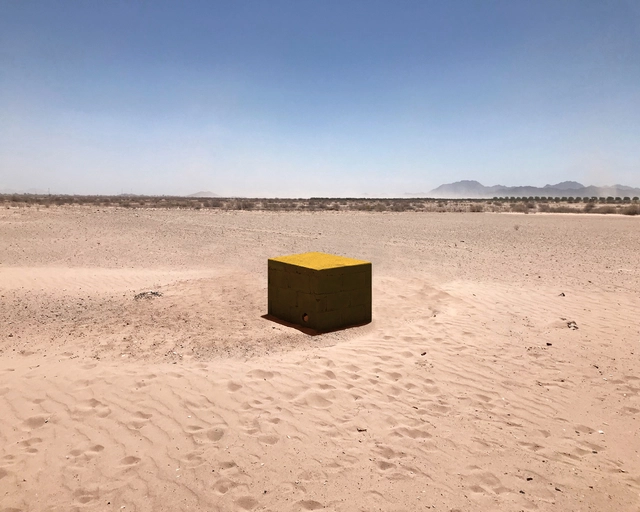
Miguel Fernández de Castro and Natalia Mendoza, research for "The Absolute Restoration of All Things".From the 2020 organizational grant to Storefront for Art and Architecture for the exhibition series "Building Cycles 2". Image Courtesy of the artist
The Chicago-based Graham Foundation has just announced its support to 36 international organizations “leading projects that respond to today’s challenges, foster new connections across disciplines, and expand the field of architecture”. Based everywhere in the world, these associations push forward the work of eminent and emerging architects, artists, designers, critics, curators, scholars, and others, to explore new possibilities for the field and engage practitioners and the public worldwide.
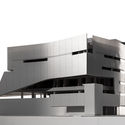
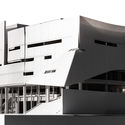
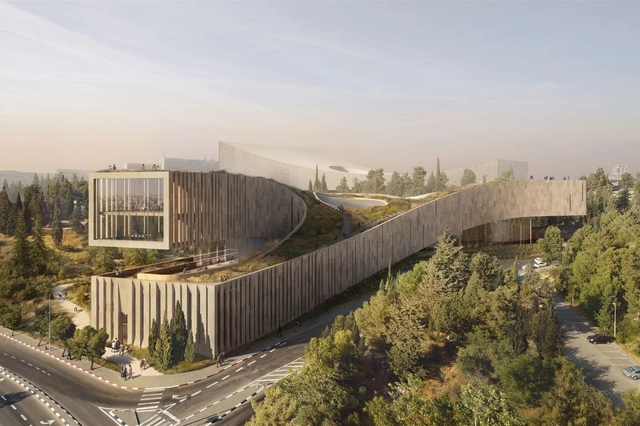
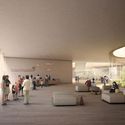
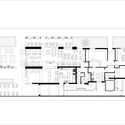
ODA has shared a design concept for the Academy of the Hebrew Language headquarters in Israel. Made to be an orientation point for the cultural district, the new building was located between the Israel Museum, the Israeli Supreme Court, the future site of the National Library, the Knesset, and the Hebrew University. The design aims to offers a fluidity of perspectives and connections between the Academy and its surroundings.
When it comes to designing commercial gastromic spaces, aspects like space efficiency, equipment distribution, materials, and organization are essential when considering the users' experience within the space.
In 2005, while I was an architecture student at Columbia, visions of Bilbao danced through my classmates’ heads as they flocked to an architecture studio whose brief was to design an all-new Guggenheim Museum on Governors Island. I will admit that the prospect of exhibiting a spectacle for Columbia’s end-of-year show was seductive. But conducting field research for that class required only subway and ferry rides, while a studio offering in the historic preservation program promised a trip to Rome. I passed on creating another paper icon for New York and traveled to the Esposizione Universale Roma for one week that fall.
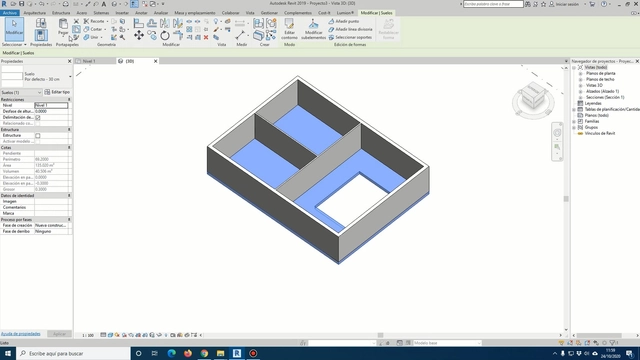
Floors, roofs, ceilings. Speaking in a very generic way, they are practically all the horizontal elements that we can find in the construction of a building. These three parts have a very similar way of modeling in Revit and this is the reason why when learning this software, they almost always appear one after the other. The order is usually a rather logical and therefore similar order: starting first with the floors, later the soffits and, finally, the ceilings. All this, clearly after having modeled the exterior and interior walls of our building.
For most emerging professionals, passing the Architect Registration Examination (ARE) is the final step to earning a license. Unfortunately, thousands have had to delay their career goals amid the coronavirus pandemic. Since March of this year, fewer than 1,500 licensure candidates have completed the ARE—a 45% drop compared to the same time-frame in 2019. But starting December 14, candidates will have the flexibility to take the ARE online, at Prometric centers as they do today, or a combination of both options.
Design and the City a podcast by reSITE, on how to make cities more livable and lovable, raising questions and proposing solutions for the city of the future, kicks off its second season, with Winy Maas. In this first episode, the co-founder of MVRDV and The Why Factory discusses ideas that are seemingly larger than life, pushing the boundaries of our urban potential.
The Pennsylvania chapter of the American Institute of Architects has announced the recipients of the 2020 Architectural Excellence Awards. The November broadcast debuted honors in five programs including the Design Awards, inaugural Committee on the Environment (COTE) Awards, Special Awards, and Student Awards. More than 80 awards and recognitions were presented to firms and individuals across Pennsylvania for excellence in design, contributions to the profession of architecture, and commitment to the quality of the built environment.
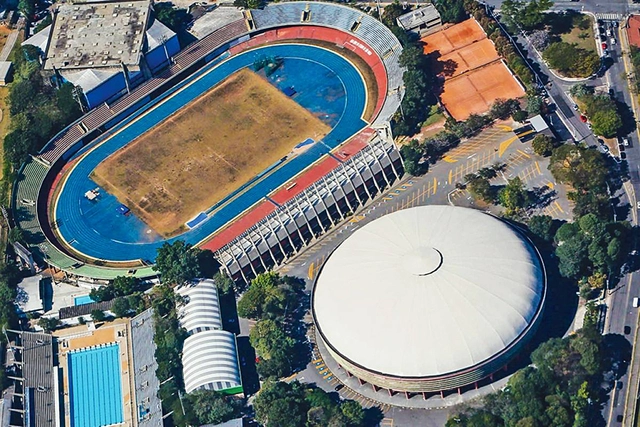
For the past few weeks, there has been concern that the Ginásio do Ibirapuera, an indoor sporting arena located in São Paulo, Brazil, designed by architect Ícaro de Castro Mello, may be converted into a shopping, entertainment, and gastronomic center. This could be the fate of the building, which is of notorious historical significance if the private sector sets in motion the financial modeling report for the Ibirapuera Park concession, articulated by the São Paulo State Government.
Over the past decade, Building Information Modeling (BIM) has been widely adopted and become integrated to varying degrees into every aspect of the design, construction, and maintenance of buildings. But this isn’t where BIM stops, the future of BIM incorporates altered/virtual reality (AR/VR) and has the potential to go as far as automated and intelligent lifecycle management of assets. The concept of creating a “digital twin” to a physical building or system with the aim of making that real-world entity safer, more efficient, and more resilient begins by making our way towards fully-integrated BIM.
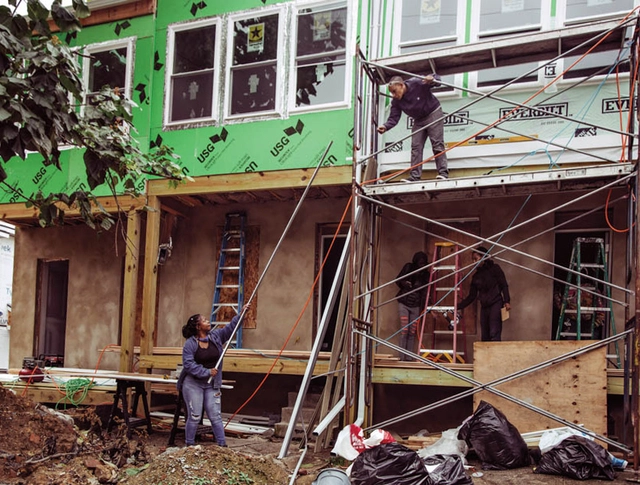
Newly built houses, with their sizable carbon footprints, don’t just contribute to climate change. For many Americans, they’re also too expensive—a bitter irony in cities rife with vacant buildings and record evictions.
Given the urgency of both issues, projects that retrofit livable housing into existing low-carbon shells (the initial embodied carbon was spent long ago) might be worth a closer look. We searched for them and came across a handful that promise a cure for housing insecurity and excessive greenhouse gas emissions.
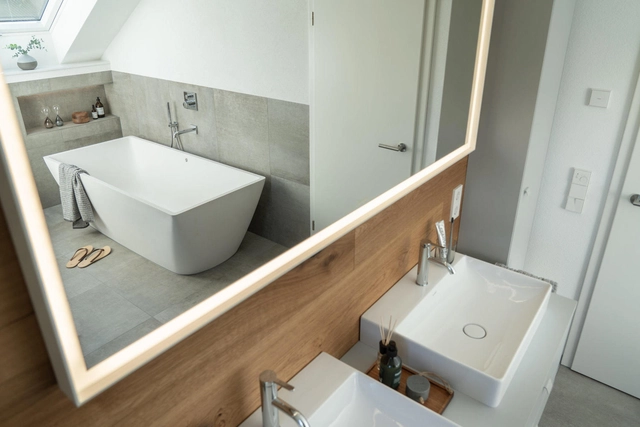
The mirror with dimmable LED lighting visually enlarges the room, which, thanks to partitions has more structure. The floor-level shower offers easy access and comfort with underfloor heating, square overhead shower and hand shower. Image Via Architonic
Just how much things can change in 30 years can be clearly seen in the history of fashion and design. Only a few visionaries manage to outlive trends with their timeless creations, while simultaneously treading confident, new design paths. People like Dieter Sieger, for example, who revolutionised the bathroom with Duravit back in the 1980s, or Philippe Starck, who has been collaborating with the company since 1994.
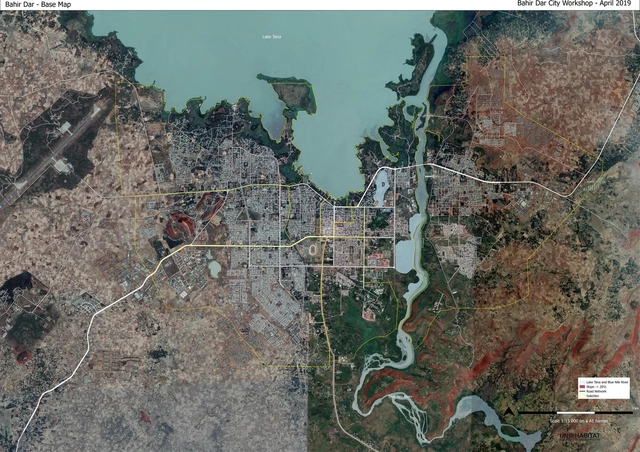
Satellite image of Bahir Dar (Ethiopia) Support of the Sustainable Structure Plan of Bahir Dar. Image Courtesy of UN-Habitat
The Un-Habitat or the United Nations agency for human settlements and sustainable urban development, whose primary focus is to deal with the challenges of rapid urbanization, has been developing innovative approaches in the urban design field, centered on the active participation of the community. ArchDaily has teamed up with UN-Habitat to bring you weekly news, article, and interviews that highlight this work, with content straight from the source, developed by our editors.
In order to support local governments in developing countries to implement the New Urban Agenda and the Sustainable Development Goals, UN-Habitat has created the Participatory Incremental Urban Planning Toolbox, “a step-by-step methodology to assess, design, operationalize and implement urban planning processes”. The guideline proposes a timeline of phases, blocks, and activities, helping city leaders, stakeholders, and the community to have a comprehensive and strategic overview of the whole strategy.
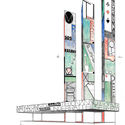
Luonnos Bagdadin taidemuseosta Irakiin (1957–58). Originaalipiirustus. Image Courtesy of Alvar Aalto Foundation
The Alvar Aalto Museum is showcasing one last exhibition before it undergoes a complete renovation, highlighting the architect’s unbuilt museum designs. While Aalto designed a total of 15 museum buildings, only three made it from concepts to the actual built structures. The exhibition entitled “The Dream of a Museum” includes both detailed and more sketch-like plans, along with competition entries.
Architect and activist Edward Mazria, FAIA has been honored with the 2021 Gold Medal from the American Institute of Architects. The Gold Medal honors an individual whose significant body of work has had a lasting influence on the theory and practice of architecture. As the jury notes, Mazria is being recognized for his work to combat the climate crisis and motivate the profession to take action.
It’s been nine months since the world stopped spinning, only to restart at a different rhythm. And although we’d spotted this new style of work approaching on the horizon, we still weren’t prepared for it. In a blink of an eye, our work environments and lives were reduced to a screen and a keyboard. We were forced to go virtual.
The construction industry moves a huge amount of resources, employs millions of people, and is a fairly accurate gauge for the economic situation of different countries. If the economy goes down, construction shrinks, and vice versa. Members of the construction industry include mining companies, contractors, material manufacturers, architects, engineers, governments, real estate, and more. In other words, many agents participate either directly and indirectly in the industry. But construction is also considered to be one of the most backward and resistant industries to embrace new technologies, instead opting to replicate traditional ways of doing less efficient work with high rates of waste. A study by McKinsey & Company showed that, unlike other industries, industry productivity has remained stable in construction in recent years, despite all the technological progress that has occurred.
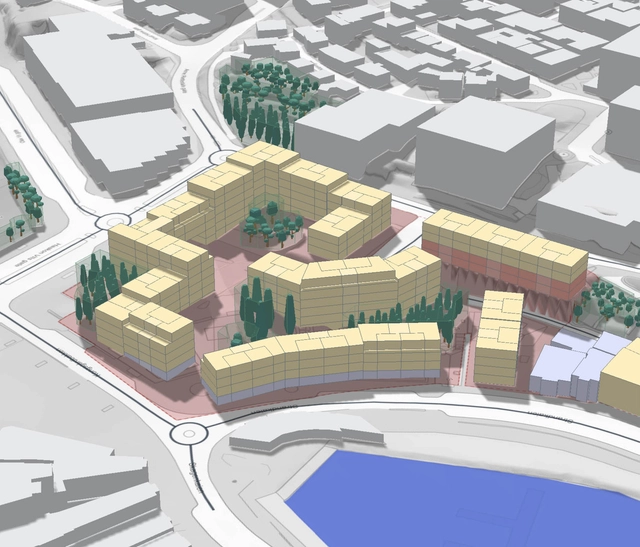
Autodesk has just acquired Spacemaker, a platform that “gives architects and developers the automation superpower to test design concepts in minutes” and explore the best urban design options. Targeting architects, urban designers, and real estate developers, the cloud-based AI-powered generative design helps professionals taking better early-stage design decisions.
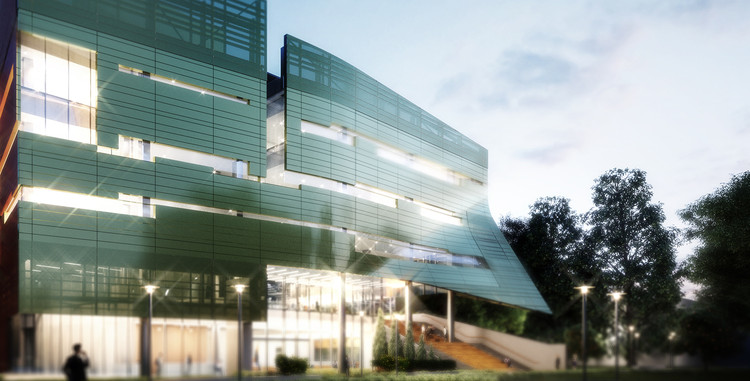
Judy Genshaft Honors College. Image Courtesy of Morphosis
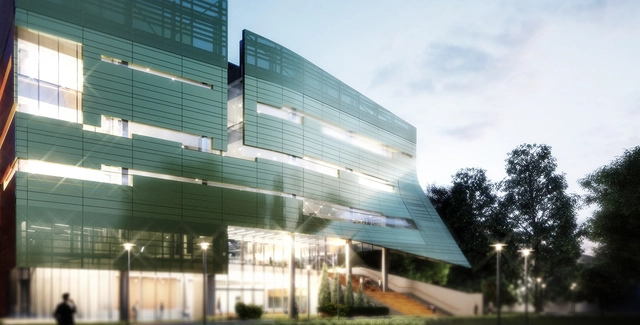
Architecture and design practice Morphosis has broken ground on the new Judy Genshaft Honors College at the University of South Florida (USF). The five-story, 85,000-square-foot building is the latest in the firm's portfolio of educational facilities, a project that marks the university’s ongoing expansion and growth. Located on USF’s campus in Tampa, the honors college was designed to encourage interdisciplinary exchange while providing flexible spaces to learn.
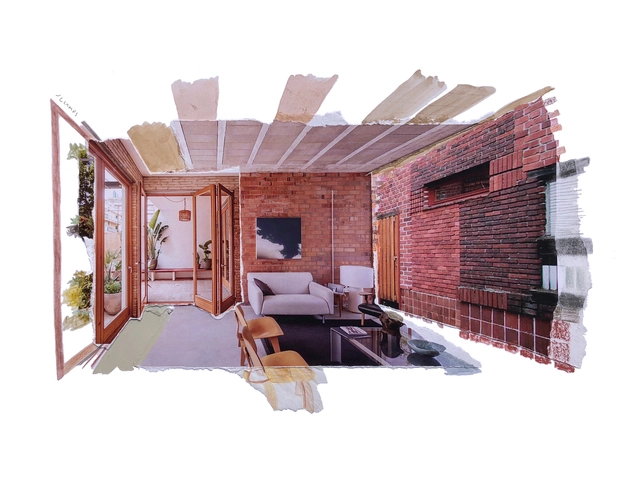
Silvia Garcia Camps has presented a series of collages of renowned works of architecture to show that, nothing is ever really invented, it's simply borrowed and mixed. In this article, we highlight her presentation.
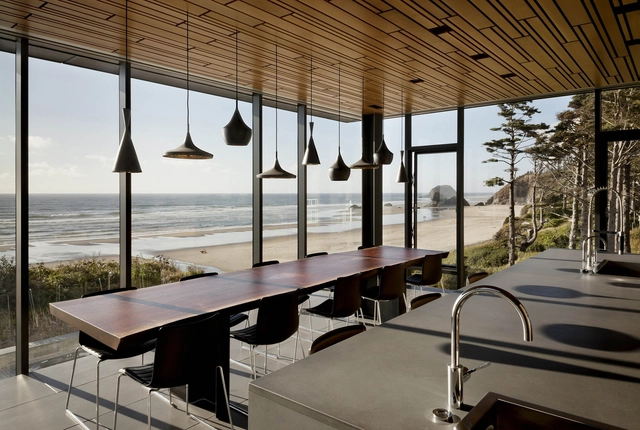
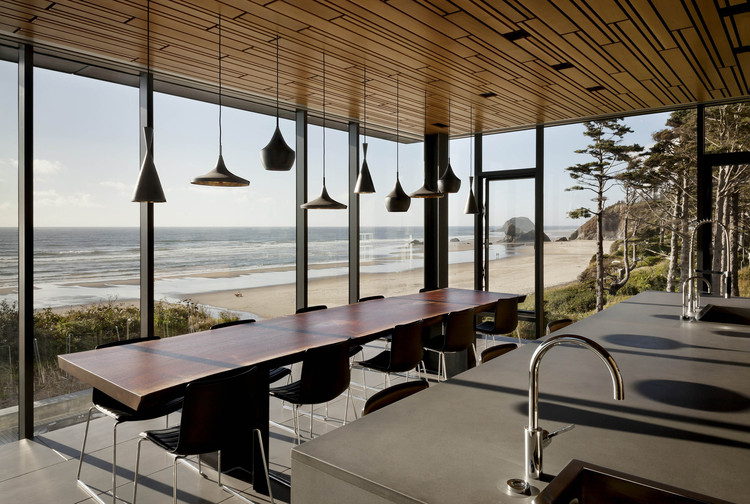
Oregon holds some the most varied geography and private developments in the United States. Home to diverse landscapes and architecture, the state is defined by the Cascade mountain range, windswept coastlines, dense forests, and a high desert environment to the east. These varied geographies have shaped the state’s construction techniques and residential design. At the heart of these building efforts are timber and glass homes found throughout the state.
Vladimir Belogolovsky speaks with Chinese architect LI Xinggang of Beijing-based office Atelier Li Xinggang about the particularities of working within a design institute, the architect’s philosophy referred to as “poetic scenery and integrated geometry,” and his role in the design of the Bird’s Nest and why he thinks it is the most important piece of contemporary architecture in China.;



















._Originaalipiirustus_Alvar_Aalto_-s%C3%A4%C3%A4ti%C3%B6..jpg?1604925160&format=webp&width=640&height=580)
_julkisivupiirustus._Alvar_Aalto_Museum_(1971-73)__facade._Original_drawing_Alvar_Aalto_Foundation..jpg?1604924810 "Alvar Aalto Museum (1971-73), facade. Original drawing . Image Courtesy of Alvar Aalto Foundation")
__pohjapiirustus__julkisivu_ja_poikkileikkaus._Perni%C3%B6_Museum_(1928-29)__Finland._Original_Drawing_Alvar_Aalto_Foundation..jpg?1604926408 "Perniö Museum (1928-29), Finland. Original Drawing . Image Courtesy of Alvar Aalto Foundation")
__Viro._Sis%C3%A4perspektiivi._Tallinn_Art_Museum_(193-37)__Estonia._Interior_perspective._Original_drawing_Alvar_Aalto_Foundation..jpg?1604926715 "Tallinn Art Museum (193-37), Estonia. Interior perspective. Original drawing . Image Courtesy of Alvar Aalto Foundation")
._Originaalipiirustus_Alvar_Aalto_-s%C3%A4%C3%A4ti%C3%B6..jpg?1604925160)