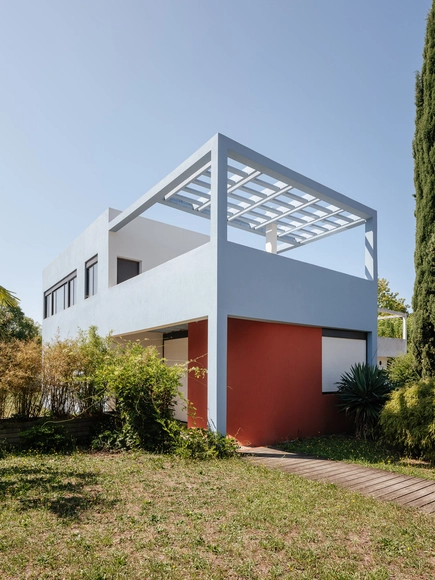
In the 1920s, work was completed on the Cité Frugès housing complex in Pessac, France. The project, meant to house Pessac's industrial workers, would be one of seventeen Le Corbusier works on UNESCO's list of World Heritage Sites.
In the 1920s, work was completed on the Cité Frugès housing complex in Pessac, France. The project, meant to house Pessac's industrial workers, would be one of seventeen Le Corbusier works on UNESCO's list of World Heritage Sites.
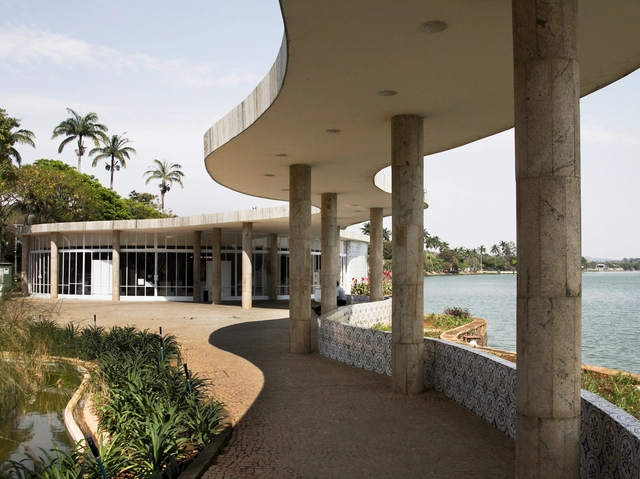
World Heritage Site is the title given to specific places on the globe (landscapes, cultural routes, cities, or architectural structures) by the United Nations Educational, Scientific, and Cultural Organization, or UNESCO, as a way to recognize their natural or cultural relevance and to encourage their preservation. Up to 2019, 1121 places in over 167 countries have been declared World Heritage Sites, of which 869 are cultural, 213 natural and 39 are mixed category.
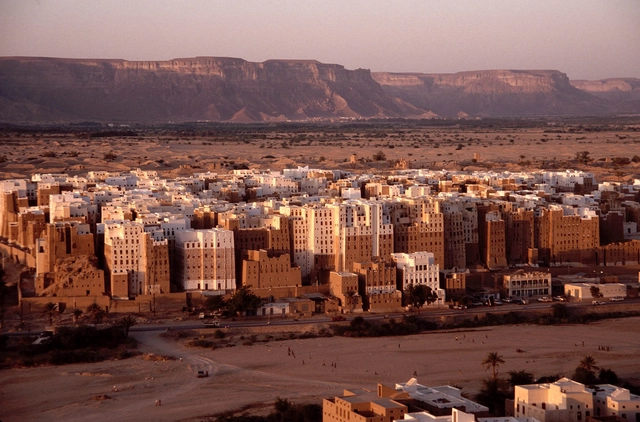
Walking through narrow chaotic alleys dwarfed by soaring towers, few would estimate the age of Yemen's city of Shibam at nearly 1,700 years. Located in Yemen's central Hadhramaut district, Shibam has roots in the pre-Islamic period, and evidence of construction dating from the 9th century.
Shibam is known as the first city on earth with a vertical masterplan. A protected UNESCO World Heritage Site since 1982, the city is home to densely packed buildings ranging from four to eight storeys, beginning in 300 AD but now mostly built after 1532. Thanks to a fortified ring wall, the city has survived nearly two thousand years despite its precarious position adjacent to the wadi floodplain.
Enter the ancient walled world of Shibam after the break
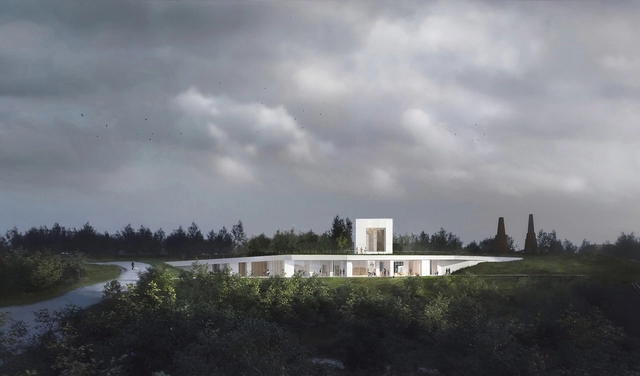
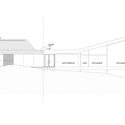
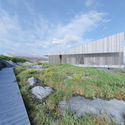
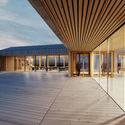
Praksis Arkitekter has won the competition to design a new visitor center for the Stevns Klint UNESCO World Heritage site in Denmark. Four architecture firms were invited to participate, and Praksis was chosen as the winner working with Kristine Jensen Landscape and Henry Jensen engineers. The project was designed to fit into the landscape as visitors move from the geology of Stevns Klint to the sea.
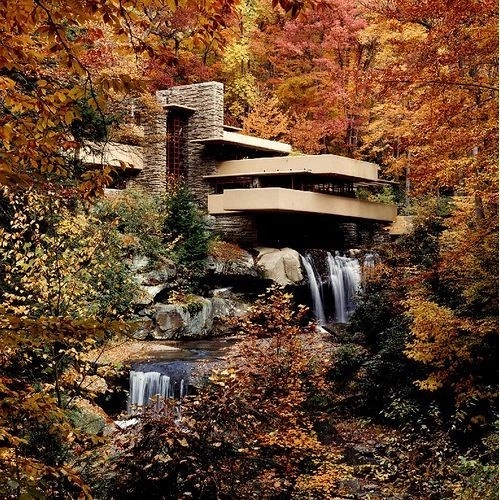
Eight buildings by acclaimed American architect Frank Lloyd Wright have been inscribed on the UNESCO World Heritage List. Titled “The 20th-Century Architecture of Frank Lloyd Wright,” the list of eight major works is a revision of a previous application lodged in February 2015. Submitted by the Frank Lloyd Wright Building Conservancy, the list spans Wright’s 70-year career with schemes such as Unity Temple, Taliesin West, Fallingwater, and the Solomon R. Guggenheim Museum.
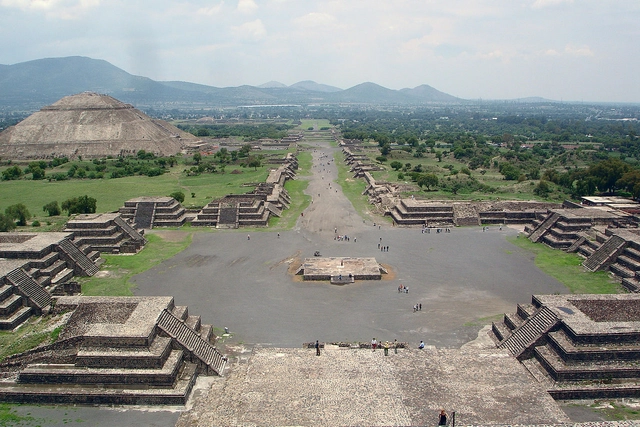
According to a statement published on the UNESCO page, the UNESCO World Heritage List is a legacy of monuments and sites of great natural and cultural wealth that belongs to all of humanity. The Sites inscribed on the World Heritage List fulfill a function of milestones on the planet, of symbols of the awareness of States and peoples about the meaning of those places and emblems of their attachment to collective property, as well as of the transmission of that heritage to future generations.
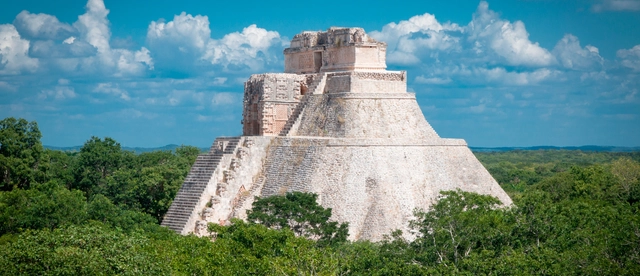
The General Conference of the United Nations Educational, Scientific and Cultural Organization, at its 17th meeting held in Paris from October 17 to November 21, 1972, arose from the need to identify part of the priceless and irreplaceable of the nations, noting that cultural heritage and natural heritage are increasingly threatened with destruction, not only because of the traditional causes of deterioration but also because of the evolution of social and economic life that aggravates them with phenomena of alteration or destruction even more fearsome.
According to a statement published on the UNESCO page, the UNESCO World Heritage List is a legacy of monuments and sites of great natural and cultural wealth that belongs to all of humanity. The Sites inscribed on the World Heritage List fulfill a function of milestones on the planet, of symbols of the awareness of States and peoples about the meaning of those places and emblems of their attachment to collective property, as well as the transmission of that heritage to future generations.
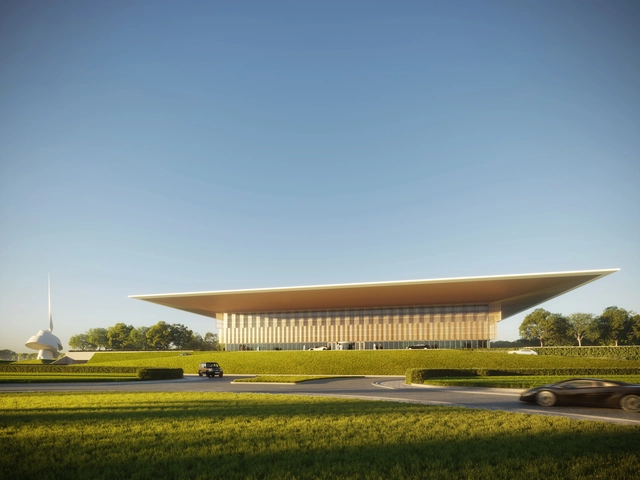
Foster + Partners has released their design for a library and cultural center alongside The Scroll, a new piece of public art by British sculptor Gerry Judah. Called the House of Wisdom, the project coincides with Sharjah being named this year’s UNESCO World Book Capital. Aiming to be a new cultural quarter in the city, the House of Wisdom was made to establish and retain connections with the outside.
.jpg?1555418685)
One day after the fire that partially destroyed the iconic Notre-Dame Cathedral in Paris, we are left to look back at the night of unfolding devastation, and forward at plans to renovate and restore the structure back to its former glory. The 856-year-old structure, which has survived riots, wars, and revolutions, sustained major damage as fire destroyed its central spire, 66% of its roof, and parts of its vaulted interior. Despite the alarming images and videos of the Gothic masterpiece ablaze, it appears that the main structure, and much of the interior, has escaped destruction.
While a full investigation into the cause of the fire will likely take some time, new details continue to emerge on the course of the blaze, and initiatives from the public and private sector to fund the cathedral’s restoration. Below, we recap the timeline that unfolded on the evening of April 15th, before detailing the plans to recover a building emblematic of the history of its city and country.
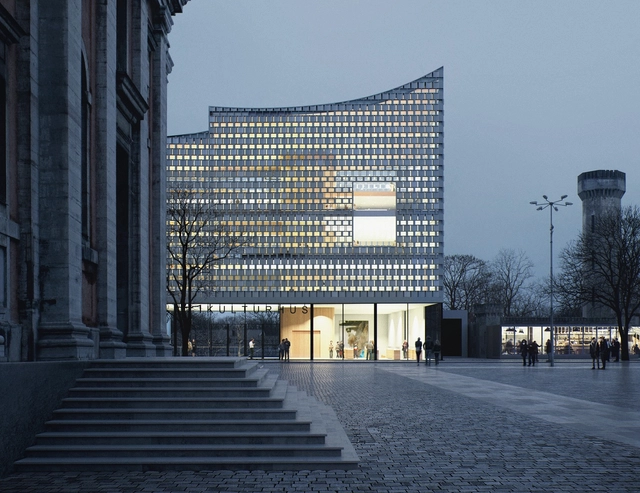
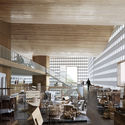
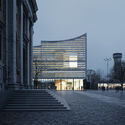
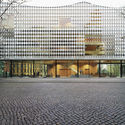
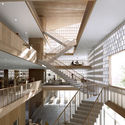
Danish architecture studio Dorte Mandrup has designed new culture house and library in the heart of the Swedish baroque city of Karlskrona. Working with Marianne Levinsen Landskab and Torbjörn Nilsson, the team developed the cultural project to combine an art hall, library and cafe together in the city center. The culture house is meant to become a modern meeting place and hub for several cultural activities at the corner of Karlskrona’s central square.
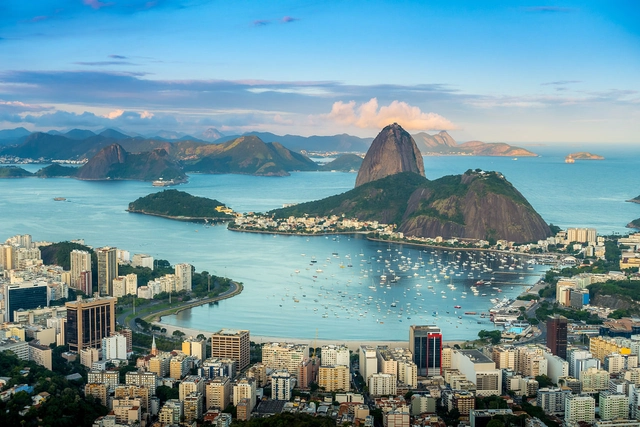
UNESCO has named Rio de Janeiro, Brazil as the World Capital of Architecture for 2020. In keeping with UNESCO’s recent partnership agreement with the UIA, UNESCO designates the World Capital of Architecture, which also hosts the UIA’s World Congress. The World Capital of Architecture is intended to become an international forum for debates about pressing global challenges from the perspectives of culture, cultural heritage, urban planning and architecture.

UNESCO and the International Union of Architects (UIA) have announced the launch of a “World Capitals of Architecture” initiative, seeking to create a “synergy between culture and architecture in an increasingly urbanized world.”
Cities designated as World Capitals of Architecture will become a global forum for discussion on the world’s most pressing challenges “through the prism of culture, heritage, urban planning, and architecture.” UNESCO and UIA will collaborate with local city organizations to organize activities and events promoting buildings, architects, planners, and related sectors.
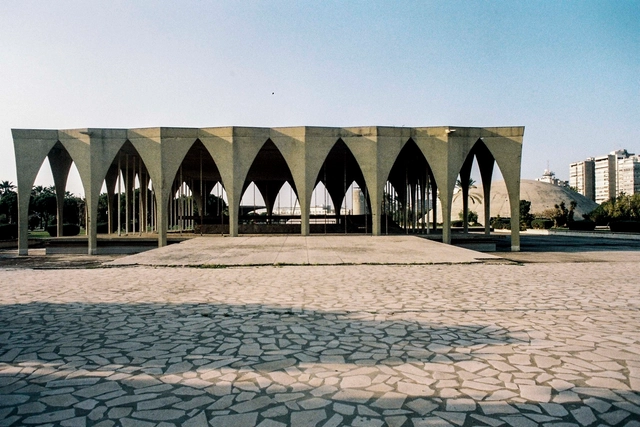
The unfinished Tripoli International Fair, designed by Oscar Niemeyer for the Lebanese capital, could become a UNESCO's World Heritage Site. Conceived in the 1960s at the request of the then President Fouad Chéhab, the fair remained a symbol of projected modernity for the country.

After carefully deliberating in their annual session, UNESCO's World Heritage Committee selected 19 new sites to inscribe on the World Heritage List in the city of Manama in Bahrain. Featuring 13 cultural sites such as Buddhist mountain monasteries in Korea, the industrial city of Ivrea in Italy, and the Caliphate city of Medina Azahara in Spain, alongside three natural sites and three mixed sites (classified as both cultural and natural heritage), the list now aggregates to 1092 sites in 167 countries.
From the historical Sultan Ahmed Mosque in Istanbul to the contemporary city of Brasilia orchestrated by Oscar Niemeyer, the World Heritage List has continuously exhibited varied examples of architecture and urban planning from different eras and movements from around the world. Amongst the new additions, there are several sites of religious importance, city organization, and natural conservation.
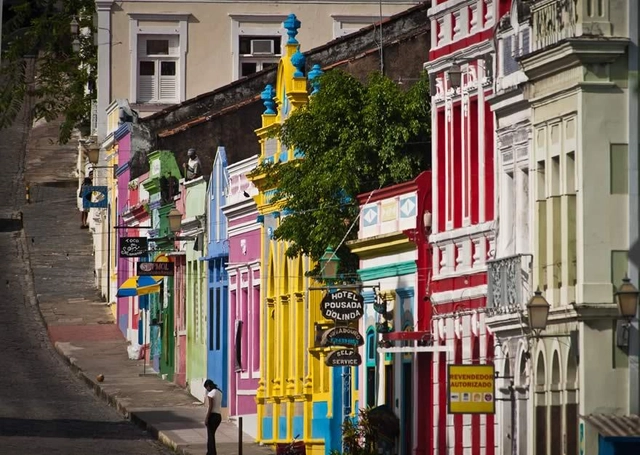
On August 17th, Brazil celebrated its National Heritage Day. Created in 1998 to honor the historian and first president of IPHAN (National Historic and Artistic Heritage Institute), Rodrigo Melo Franco de Andrade, who would have turned 100 years old. This date aims to reinforce the recognition and appreciation of the country’s cultural heritage.
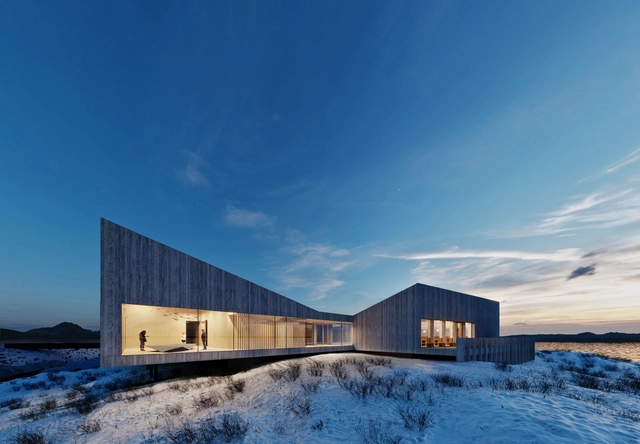
Oslo-based architecture firm Ekberg Lous Arkitekter have designed Norway’s first World Heritage Visitor Center, after having won the open international architectural competition in 2008. Following the competition, the project was halted for seven years due to a lack of funding, but has been given the green light in 2015 with revised plans and a new site. The center, which will be built on the tip of the northern shore of Vega Island, is expected to be a gathering point for both locals and foreigners. It will provide visitors with knowledge about the natural and cultural values of the Vega Archipelago and world heritage sites in general. The center is set to be open in spring 2019.
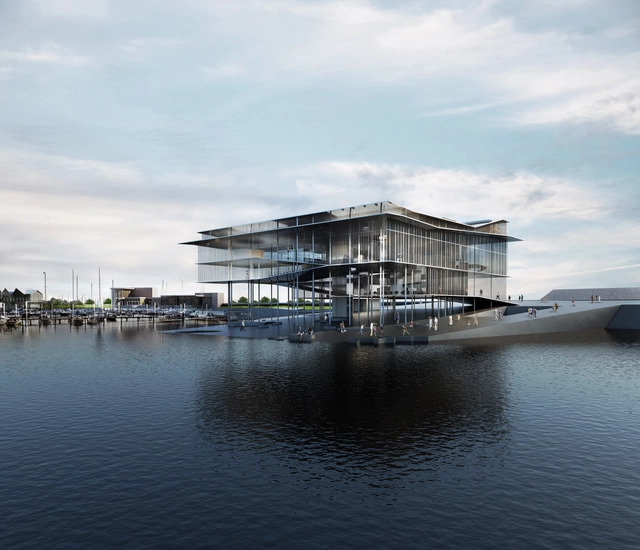
Denmark-based architect Dorte Mandrup has won her third UNESCO World Heritage Center project, with her design of the Trilateral Wadden Sea World Heritage Partnership Centre. The project was the winner in a contest to design a new headquarters for the Centre, an organization that aims to protect the Wadden Sea and is jointly run by Denmark, Germany, and the Netherlands.

Update 3/2/18: A previous version of this article named Snøhetta as the leader of the team; the principal architect is in fact Liminal Studio.
Australian firm Liminal Studio, in collaboration with Snøhetta and Rush Wright Associates, has been selected as the winner of an international competition for the design of the new History and Interpretation Center at Cascades Female Factory Historic Site in South Hobart, Tasmania.
One of the most significant female penal sites dating back to 19th century, when Australia was still a British penal colony, the Cascades Female Colony was inscribed as a UNESCO World Heritage Site in 2010. The new History and Interpretation Center will allow visitors to learn about the site’s history and how its social, cultural and political implications have impacted present day Australia.






.jpg?1555418612 "© Erieta Attali")
.jpg?1555418654 "© Erieta Attali")

.jpg?1555418644 "© Erieta Attali")
.jpg?1555418875)