1. ArchDaily
  2. Cities

Cities: The Latest Architecture and News

“Soft Infrastructure” Is Crucial for a Post-Carbon World

This article was originally published on Common Edge.

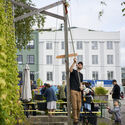
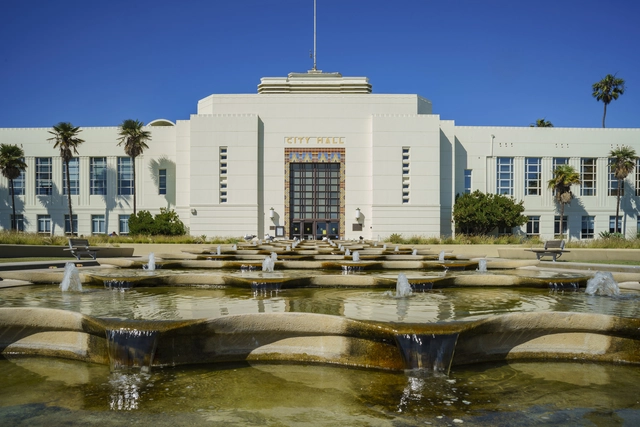
On a recent day in Santa Monica, California, visitors sat in the shaded courtyard outside City Hall East waiting for appointments. One of them ate a slice of the orange she’d picked from the tree above her and contemplated the paintings, photographs, and assemblages on the other side of the glass. The exhibit, Lives that Bind, featured local artists’ expressions of erasure and underrepresentation in Santa Monica’s past. It’s part of an effort by the city government to use the new soon-to-be certified Living Building (designed by Frederick Fisher and Partners) as a catalyst for building a community that is environmentally, socially, and economically self-sustaining.

Understanding the Available City at the Chicago Architectural Biennial

Subscriber Access | 

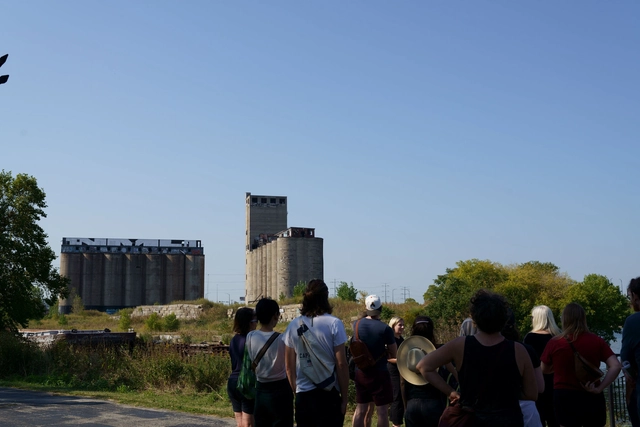
In Metropolis this week, author Annie Howard explores Chicago's Architecture Biennial, which opened to the public on September 17th, showcasing a series of 15 site-specific interventions. Arguing that "a tour of the Damen Silos and a celebration of the Wall of Respect show a biennial struggling to achieve longer-term engagement with the city it calls home", the editor questions how much work is needed in order to make the city fully usable to its residents.

The Concept of 15-Minute City Wins 2021 Obel Award

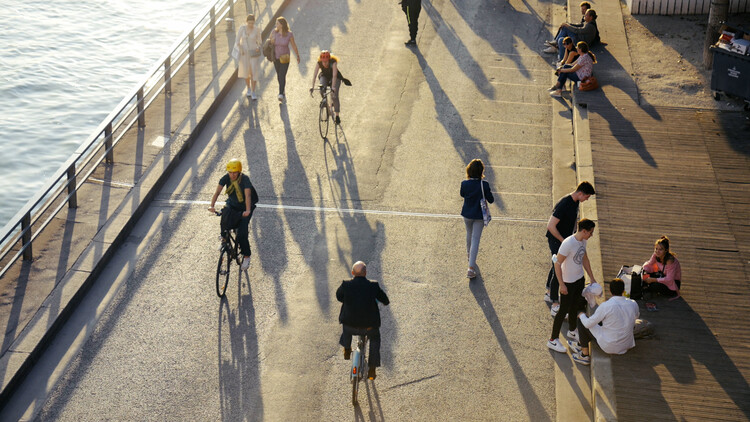
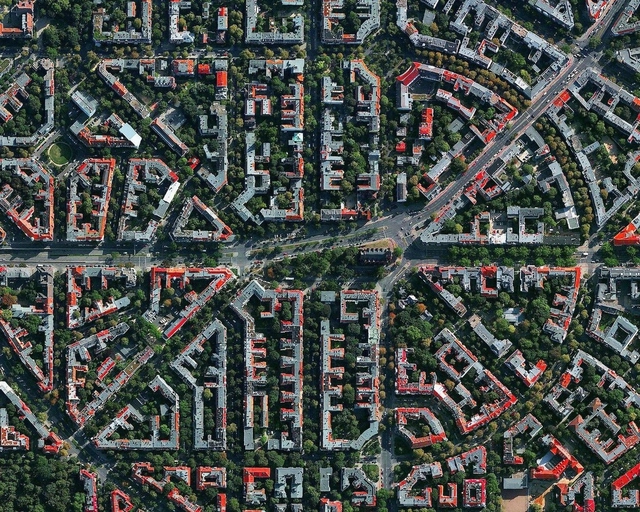
The 15-minute city urban theory receives the 2021 Obel Prize in recognition of the concept's value for creating sustainable and people-centric urban environments. First coined in 2016 by Sorbonne professor Carlos Moreno, the term defines a highly flexible urban model that ensures all citizens can access daily needs within a 15-minute distance, thus breaking the hegemony of the car and reintroducing the qualities of historic cities within contemporary urban planning.
The Concept of 15-Minute City Wins 2021 Obel Award - Image 1 of 4The Concept of 15-Minute City Wins 2021 Obel Award - Image 2 of 4The Concept of 15-Minute City Wins 2021 Obel Award - Image 3 of 4The Concept of 15-Minute City Wins 2021 Obel Award - Image 4 of 4The Concept of 15-Minute City Wins 2021 Obel Award - More Images+ 5

What is an "Up-And-Coming" City and How Do You Spot One?

Subscriber Access | 

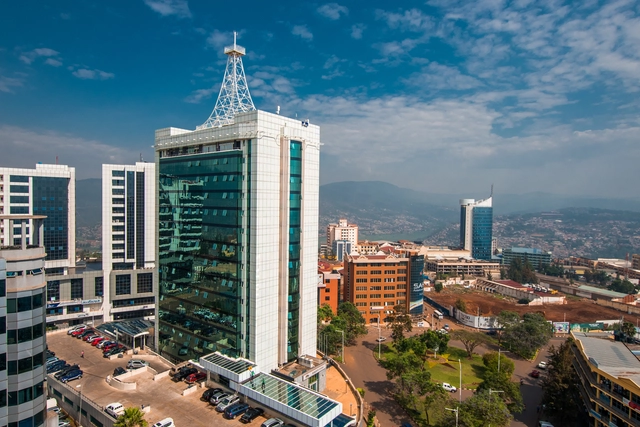
It is projected that by 2025, the world’s population will reach over 8.1 billion people- and a large majority of those people will be heavily concentrated in cities. While much of the focus has been on preparing and reconfiguring our already hyper-dense urban to absorb even more people, in the peripheral, smaller cities and towns around the globe have experienced significant expansion, and have defined themselves as “up-and-coming”. Places that were perhaps once overlooked are putting themselves on the map for their rapid growth, economic vitality, and affordability, among other characteristics.

Cities and Conflict: Exploring Urban Adaptive Reuse

COP26, The United Nations Climate Change Conference, is scheduled to be held in Scotland soon, in the last week of October 2021. Against the backdrop of this conference is a heightened global awareness of climate change, as discussions take place on how a sustainable, more equal future can be achieved. The present and future state of architecture is a key component of this conversation, as criticism is levelled at architecture firms that “greenwash” and questions are raised on if the term “sustainability” is increasingly merely being used as today’s buzzword.

Cities and Conflict: Exploring Urban Adaptive Reuse - Imagem 1 de 4Cities and Conflict: Exploring Urban Adaptive Reuse - Imagem 2 de 4Cities and Conflict: Exploring Urban Adaptive Reuse - Imagem 3 de 4Cities and Conflict: Exploring Urban Adaptive Reuse - Imagem 4 de 4Cities and Conflict: Exploring Urban Adaptive Reuse - More Images+ 9

Rights to the City and Urban Conflicts in Latin America: What Can Be Done?

María Cristina Cravino, the head of numerous research projects and publications on informal settlements and the politics of public habitation, draws from her background in anthropology to become one of the most prominent voices in the discussion about rights to the city and modern urban conflicts. 

To get her perspective, we sat down with Cravino to discuss her observations and understanding of the issue--especially in the context of quarantine and lockdowns--as well as her reflections on the role of academia in exploring the problem and finding solutions. 

Solutions to Improve Acoustics in Your Home

Subscriber Access | 

We talk a lot about sound treatment for architecture but normally for new projects. In projects that are already built, either a rented apartment or small commercial space, we often have to deal with noises that we can't control, affecting our physical and mental health. In this article, we explore practical tips on how to manage and reduce these noises and improve the quality and atmosphere of these environments.

Solutions to Improve Acoustics in Your Home - Image 1 of 4Solutions to Improve Acoustics in Your Home - Image 2 of 4Solutions to Improve Acoustics in Your Home - Image 3 of 4Solutions to Improve Acoustics in Your Home - Image 4 of 4Solutions to Improve Acoustics in Your Home - More Images+ 2

CROSSROADS : Life in the Resilient City Documentary for SBAU 2021 Explores Dwellers' Experience of Rapidly Changing Urban Environments

Created in association with the Seoul Biennale Of Architecture And Urbanism 2021, the documentary CROSSROADS: Life in the Resilient City pieces together five stories illustrating how individuals appropriate the rapidly changing urban environments of New York, Seoul, Mumbai, Paris and Nairobi. Created by cinematographer Nils Clauss, together with filmmaker and videographer Neil Dowling, the film captures architecture and urban landscape as both the backdrop and the protagonist of these narratives blending reality and imagination.

CROSSROADS : Life in the Resilient City Documentary for SBAU 2021 Explores Dwellers' Experience of Rapidly Changing Urban Environments - Imagen 1 de 4CROSSROADS : Life in the Resilient City Documentary for SBAU 2021 Explores Dwellers' Experience of Rapidly Changing Urban Environments - Imagen 2 de 4CROSSROADS : Life in the Resilient City Documentary for SBAU 2021 Explores Dwellers' Experience of Rapidly Changing Urban Environments - Imagen 3 de 4CROSSROADS : Life in the Resilient City Documentary for SBAU 2021 Explores Dwellers' Experience of Rapidly Changing Urban Environments - Imagen 4 de 4CROSSROADS : Life in the Resilient City Documentary for SBAU 2021 Explores Dwellers' Experience of Rapidly Changing Urban Environments - More Images+ 5

Urban Sprawl and Ghost Towns: The Impact of Mining on Cities

Subscriber Access | 

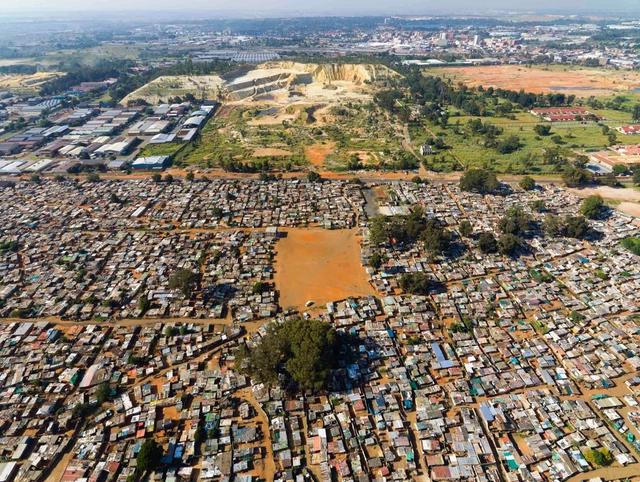
The urban settlements we inhabit today exist in their present form due to a host of reasons. There are cities that have grown due to their proximity to water – such as the growth of Dar es Salaam to the major port city it is today. There are the planned capital cities scattered around the world, governments of countries such as Brazil and Nigeria building cities from scratch from the input of acclaimed architects. There are also the settlements that exist and grow because of certain industries, such as Silicon Valley in the American state of California being home to giants of the technology industry. There’s an industry, however, that has spawned both pulsating cities and abandoned towns – the mining industry.

Urban Sprawl and Ghost Towns: The Impact of Mining on Cities - Image 1 of 4Urban Sprawl and Ghost Towns: The Impact of Mining on Cities - Image 2 of 4Urban Sprawl and Ghost Towns: The Impact of Mining on Cities - Image 3 of 4Urban Sprawl and Ghost Towns: The Impact of Mining on Cities - Image 4 of 4Urban Sprawl and Ghost Towns: The Impact of Mining on Cities - More Images+ 4

“People Have a Strong Demand for a New Proximity to Nature”: In Conversation with Stefano Boeri

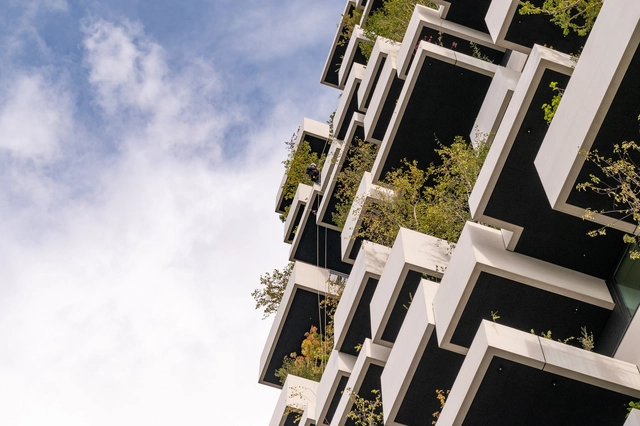
“Designing a house for trees”, as he puts it, Stefano Boeri is working across the planet, exporting his approach with trees from Mexico to Shenzhen. Building a whole ecosystem, rather than just a green facade, the architect understands the need to redefine our relationship with nature, especially in cities.

ArchDaily’s Christele Harrouk had the chance to interview the architect in Eindhoven, during the inauguration of the Trudo Tower, Stefano Boeri’s first social housing project, in collaboration with Francesca Cesa Bianchi, his partner at Stefano Boeri Architetti, Laura Gatti, botanist and plantation consultant, and Paolo Russo, Project leader. Discussing mainly his approach with nature, the environmental quality, and his exported perspective around the world, the conversation also tackled the 4 ongoing vertical forests in West Europe: A first that has just started in Utrecht, a second in Brussels, a ready to go building in Eindhoven and a last one in Antwerp.

“People Have a Strong Demand for a New Proximity to Nature”: In Conversation with Stefano Boeri - Image 1 of 4“People Have a Strong Demand for a New Proximity to Nature”: In Conversation with Stefano Boeri - Image 2 of 4“People Have a Strong Demand for a New Proximity to Nature”: In Conversation with Stefano Boeri - Image 3 of 4“People Have a Strong Demand for a New Proximity to Nature”: In Conversation with Stefano Boeri - Image 4 of 4“People Have a Strong Demand for a New Proximity to Nature”: In Conversation with Stefano Boeri - More Images+ 17

“The Citizen Urbanism Claims an Alternative Urban Model From Latin America”: Ocupa Tu Calle’s Lucia Nogales

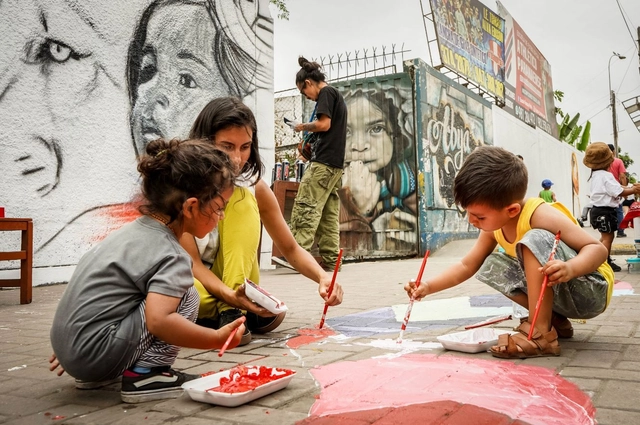
Lucía Nogales is the general coordinator of Ocupa tu Calle (Occupy your Street) —an UN-Habitat, Avina Foundation-supported initiative promoted by Lima Como Vamos— which focuses on 'citizen urbanism' for inclusive and resilient cities in Latin America.

Andreas Ruby, Director of Swiss Architecture Museum Shares his Thoughts on Christo's Wrapped Arc de Triomphe

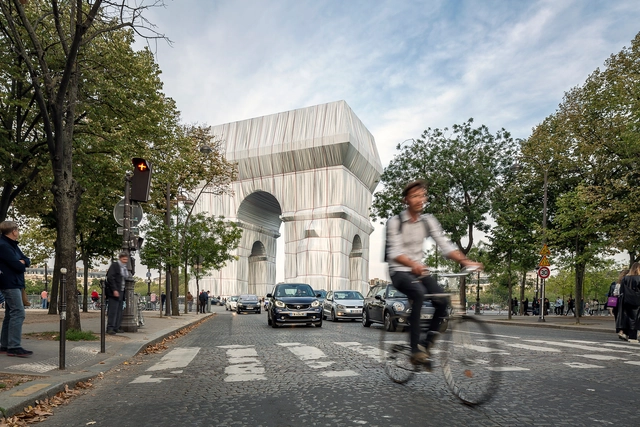
Andreas Ruby, Director of the Swiss Architecture Museum shares his thoughts on the wrapped Arc de Triomphe installation by Christo and Jeanne-Claude, in a 3 part essay, converting a monument glorifying war into a monument of decolonization. The temporary installation opened to the public on September 18, 2021, and will be dismantled starting October 3, 2021.

Andreas Ruby, Director of Swiss Architecture Museum Shares his Thoughts on Christo's Wrapped Arc de Triomphe - Image 1 of 4Andreas Ruby, Director of Swiss Architecture Museum Shares his Thoughts on Christo's Wrapped Arc de Triomphe - Image 2 of 4Andreas Ruby, Director of Swiss Architecture Museum Shares his Thoughts on Christo's Wrapped Arc de Triomphe - Image 3 of 4Andreas Ruby, Director of Swiss Architecture Museum Shares his Thoughts on Christo's Wrapped Arc de Triomphe - Image 4 of 4Andreas Ruby, Director of Swiss Architecture Museum Shares his Thoughts on Christo's Wrapped Arc de Triomphe - More Images+ 2

World Architecture Day 2021: Accelerating Urban Action for a Carbon-Free World

Subscriber Access | 

Celebrated on the first Monday of every October, World Architecture Day was set up by the Union International des Architects (UIA) back in 2005 to “remind the world of its collective responsibility for the future of the human habitat”, coinciding with UN-Habitat's World Habitat Day.

This year both organizations have defined themes related to improving the quality of life and reducing the effects of the climate crisis by taking action in the built environment. While the International Union of Architects' 2021 World Architecture Day theme is "Clean Environment for a Healthy World", UN-Habitat's World Habitat Day has announced "Accelerating Urban Action for a Carbon-Free World" as their topic.

How "Smarter" Cities Can Exacerbate Inequity

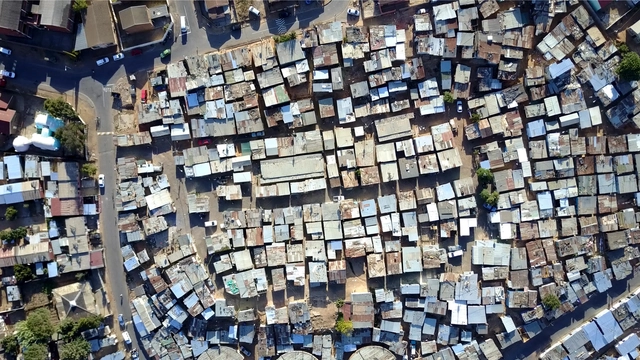
The urban metropolises of our planet are home to an abundance of stories. They are home to stories of wealth, of innovation, and of architectural marvels. They are home, too, to stories of inequality, inequity and of urban divides – places where one’s income determines the quality of the spatial environment around them. Within these stories has developed an increasing advocation for making cities “smarter”, the goal being to use data and digital technology to build more efficient and convenient urban environments.

How "Smarter" Cities Can Exacerbate Inequity - Imagen 1 de 4How "Smarter" Cities Can Exacerbate Inequity - Imagen 2 de 4How "Smarter" Cities Can Exacerbate Inequity - Imagen 3 de 4How "Smarter" Cities Can Exacerbate Inequity - Imagen 4 de 4How Smarter Cities Can Exacerbate Inequity - More Images+ 5

Pandemic-era Street Spaces: Parklets, Patios, and the Future of the Public Realm

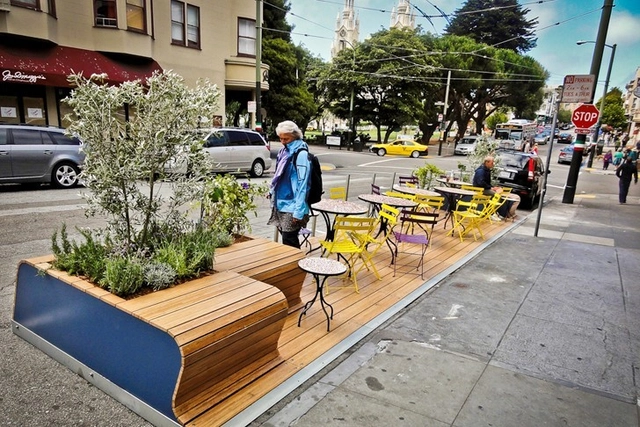
On a clear fall day in 2005, a group of friends and collaborators from the art collective Rebar commandeered an 8-foot-wide by 20-foot-long metered parking space in downtown San Francisco. This two-hour guerilla art installation evolved into Park(ing) Day, a global public art and design activism event that has been celebrated every year since. In 2009, Rebar and other design studios were approached by the City of San Francisco to prototype a more permanent version of Park(ing) Day. In response, we created one of the world’s first parklets in San Francisco (we called our version walklet), and through the diligent efforts of Andres Power in the Mayor’s Office and City Planning, San Francisco’s pioneering parklet program was born.

Construction Begins on OMA/ Iyad Alsaka's Prestige Liberty Towers, a Mixed-Used Complex in Mumbai, India

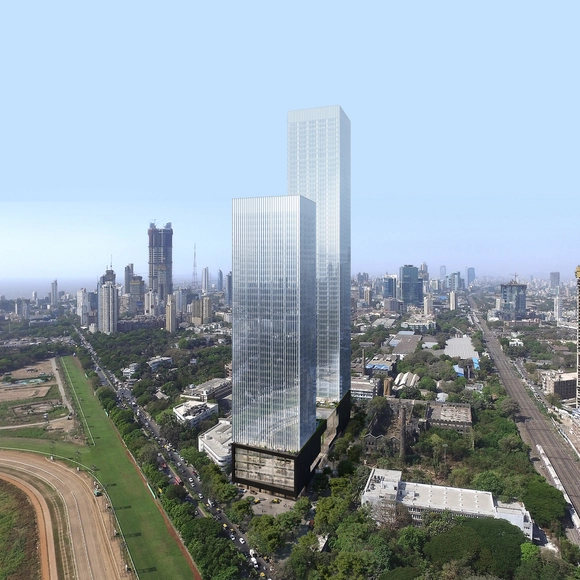
Led by Iyad Alsaka, Adrianne Fisher, and Wael Sleiman, OMA’s latest project, the Prestige Liberty Towers, breaks ground in Mumbai, India. Expected to be completed in 2025, the mixed-used complex is the firm’s first venture in India, located in the historic textile mills at the heart of the city.

Construction Begins on OMA/ Iyad Alsaka's Prestige Liberty Towers, a Mixed-Used Complex in Mumbai, India - Image 1 of 4Construction Begins on OMA/ Iyad Alsaka's Prestige Liberty Towers, a Mixed-Used Complex in Mumbai, India - Image 2 of 4Construction Begins on OMA/ Iyad Alsaka's Prestige Liberty Towers, a Mixed-Used Complex in Mumbai, India - Image 3 of 4Construction Begins on OMA/ Iyad Alsaka's Prestige Liberty Towers, a Mixed-Used Complex in Mumbai, India - Image 4 of 4Construction Begins on OMA/ Iyad Alsaka's Prestige Liberty Towers, a Mixed-Used Complex in Mumbai, India - More Images+ 1

A Reflection on Prostitution and Spatial Segregation in the Cities

Subscriber Access | 

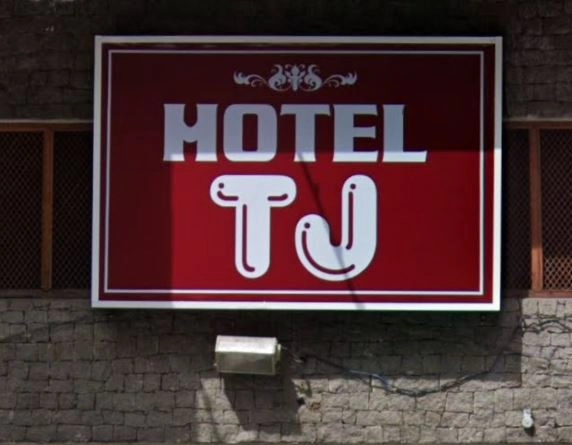
Sex Day is an unofficial holiday created by marketers celebrated on September 6th in Brazil, highlighting one of the greatest taboos in modern society: sexuality. From an architectural and urban point of view, the immorality associated with sexual activities, especially in exchange for payment, deeply impacts our society and also affects the territory.

While sometimes considered morally wrong, sinful, forbidden, and impure, sex, sexuality, and pleasure are all inherent to human physiology. Prostitution is sometimes referred to as "the world's oldest profession," playing a fundamental role in our societies, as well as in our territory, in the spatial organization and dynamics of cities. This practice is at the margins of modern society and therefore has ended up occupying segregated spaces in the cities.

Environmental Inequalities: Different Levels of Climate Risks and an Uneven Green Transition

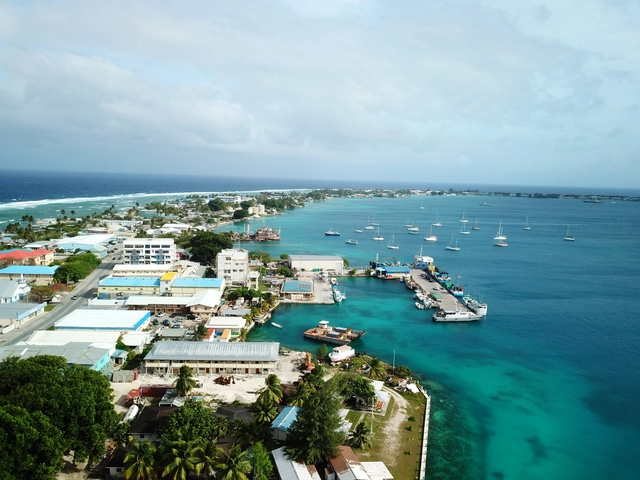
Since the 2015 Paris agreement, mitigating climate change has been established as a common, world-encompassing goal; however, both the impacts of the climate crisis and the actions currently being taken vary widely across the globe. At the moment, the most prominent cities are outpacing governments in addressing the climate crisis and fostering a green transition, but their actions are counteracted by inaction and an increase in carbon emissions elsewhere. Moreover, the vulnerabilities and adaptive capacity to different levels of climate disruptions vary across nations. Discussing environmental inequalities through the lens of climate risks and mitigation actions, the following highlights the need for a global coordinated and transdisciplinary effort in addressing the climate crisis.

Environmental Inequalities: Different Levels of Climate Risks and an Uneven Green Transition - Image 1 of 4Environmental Inequalities: Different Levels of Climate Risks and an Uneven Green Transition - Image 2 of 4Environmental Inequalities: Different Levels of Climate Risks and an Uneven Green Transition - Featured ImageEnvironmental Inequalities: Different Levels of Climate Risks and an Uneven Green Transition - Image 3 of 4Environmental Inequalities: Different Levels of Climate Risks and an Uneven Green Transition - More Images+ 1