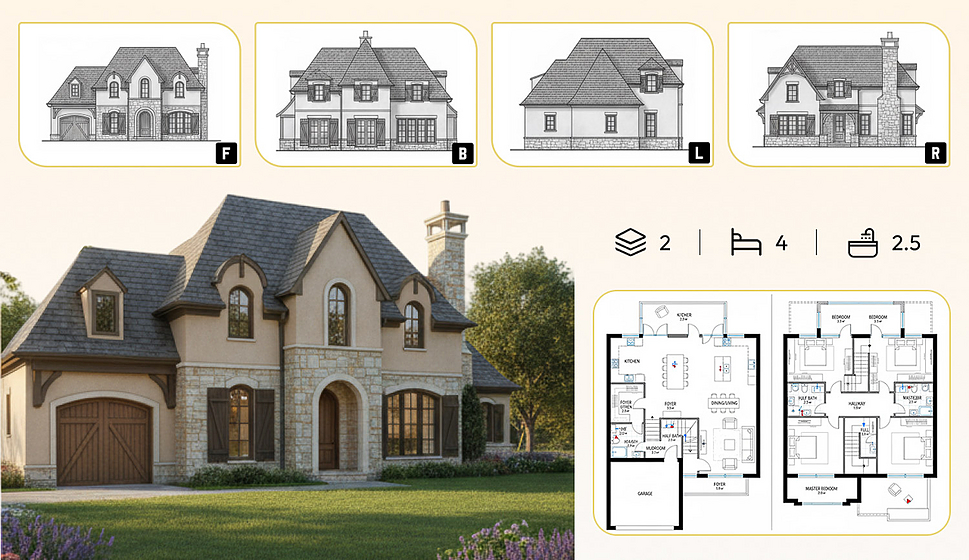
This guide covers a workflow that moves from project parameters to generated floor plans, 3D perspective views, exterior design exploration, and site context visualization, using AI tools in place of preliminary CAD and rendering work.
This guide covers a workflow that moves from project parameters to generated floor plans, 3D perspective views, exterior design exploration, and site context visualization, using AI tools in place of preliminary CAD and rendering work.

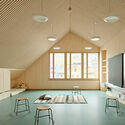
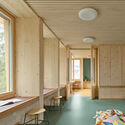
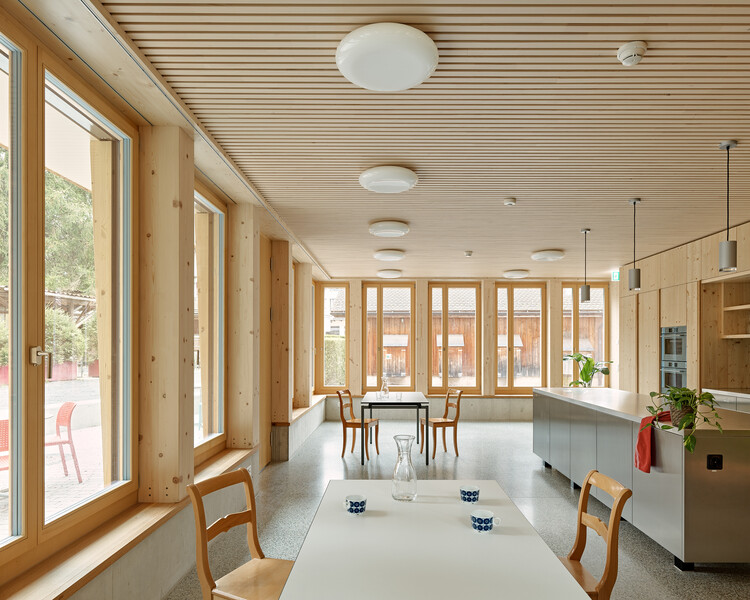
The ceiling is one of the largest continuous surfaces in a space, yet why is it rarely the first architectural element people notice? Often perceived as the plane that conceals structure and building services, it quietly recedes into the background while facades, materials, structural systems, and furniture define a building's architectural identity. Yet few architectural elements influence the experience of a space as consistently as this one. The ceiling shapes how sound travels, how light is reflected, how air moves through a room, and ultimately how architecture is experienced, bringing together technical performance and architectural expression through a single continuous surface.
Danish architectural theorist Steen Eiler Rasmussen observed in his book Experiencing Architecture that ceilings shape the character of a room through rhythm, proportion, light, and atmosphere. Rather than simply enclosing space, they help organize it, defining areas and guiding movement without the need for additional walls. As buildings became larger, more open, and more dependent on integrated building services, architecture began asking more of this overlooked surface. The ceiling gradually shifted from a concealed building component into an active architectural system in which acoustics, lighting, ventilation, thermal comfort, and technical infrastructure could converge on a single plane.


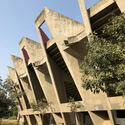
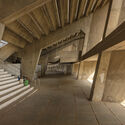
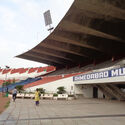
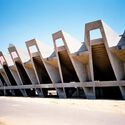
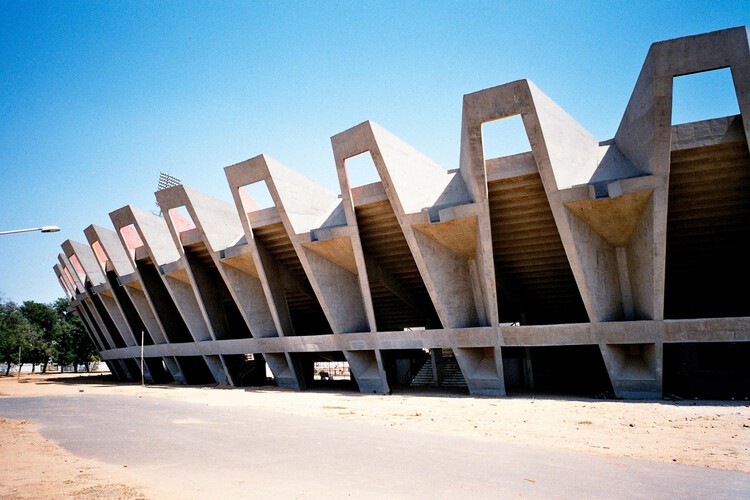
In the heart of Ahmedabad's Navrangpura district in India sits the Sardar Vallabhbhai Patel Stadium. More than just a cricket ground, the stadium stands as one of India's earliest experiments in modernist public architecture. Built in the decades following the country's independence, the structure has not only become an engineering landmark, but also a major public space within Ahmedabad's urban fabric. Despite the building's architectural and historical significance, as well as its deep involvement in daily community life, it has suffered significant physical degradation as a result of decades of poor maintenance and lack of funding. That fragility is precisely why it has drawn international attention. In 2020, the World Monuments Fund (WMF) placed the Sardar Vallabhbhai Patel Stadium on its World Monuments Watch, a global list highlighting cultural heritage sites facing urgent preservation challenges.


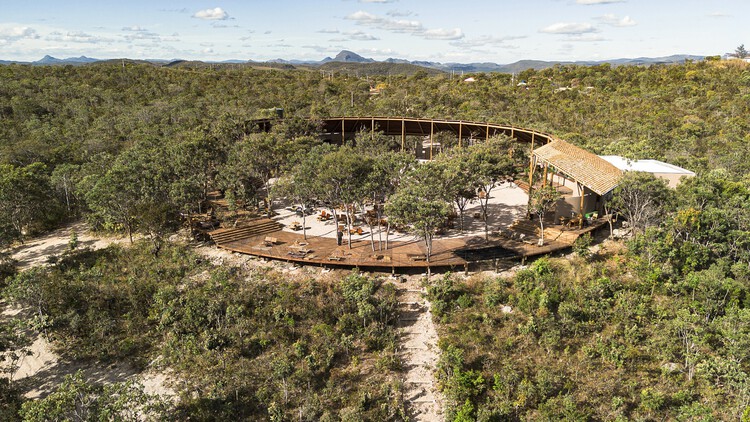
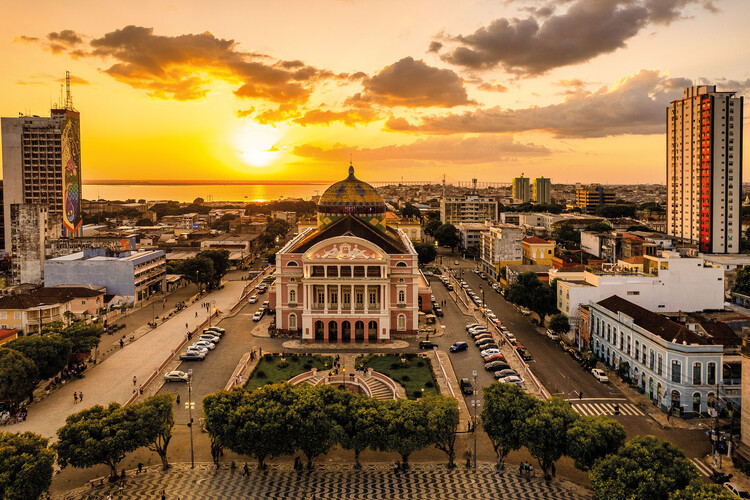
Architecture in Brazil this month highlights the country's diverse approaches to cultural production, heritage, and the transformation of its built environment. From the curatorial formation of the 15th São Paulo International Architecture Biennial to the recognition of Amazonia Theaters on the UNESCO World Heritage List, recent developments bring questions of representation, preservation, and cultural identity into focus. New projects in Rio de Janeiro, São Paulo, and Rondônia meanwhile explore adaptive reuse, relationships between architecture and landscape, and new approaches to materiality and sustainability. Alongside these developments, ongoing discussions surrounding Fordlândia and the archive of Lucio Costa revisit how Brazil's architectural heritage is preserved, interpreted, and understood today.


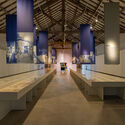
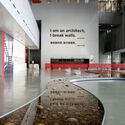
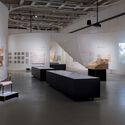
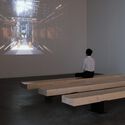
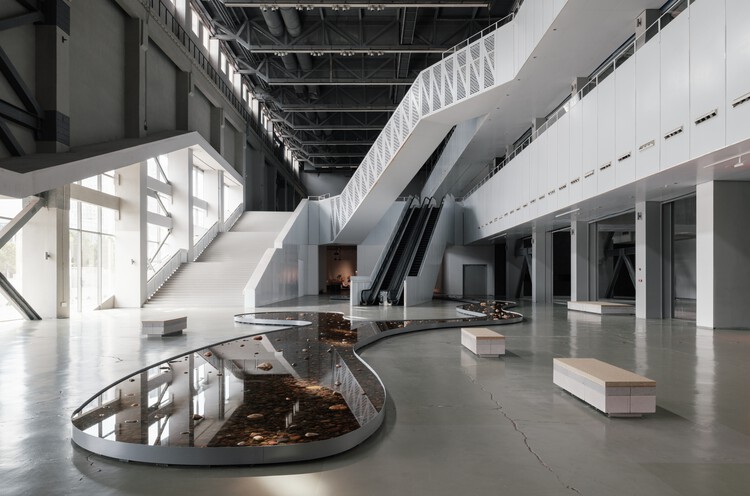
From 25 July to 25 October 2026, Shanghai's Power Station of Art (PSA) will host the first exhibition in China dedicated to the work of Brazilian architect Lina Bo Bardi. Titled "The Poetics of Survival," the exhibition was curated by Renato Anelli, and the display was designed by OPEN Architecture in a 2,300 m² space of the PSA contemporary art museum in Huangpu. The objective was to design "a stage where the audience gets a glimpse of the everyday reality of Brazil in Lina's time" through a journey across the architect's work and layered persona. The exhibition is not described as a retrospective, but as an "encounter with the master's poetics of survival," a late-20th-century concept describing how creative work becomes a tool to endure trauma such as historical oppression or extreme crisis. The concept serves as a common thread linking the reality portrayed and contemporary observers of a body of work "informed by her ingenuity, versatility, and generosity."