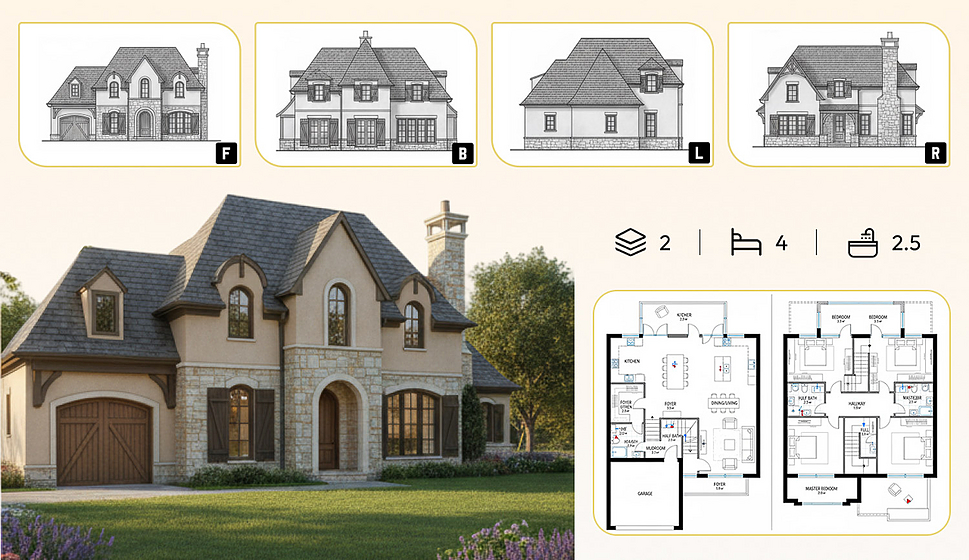
This guide covers a workflow that moves from project parameters to generated floor plans, 3D perspective views, exterior design exploration, and site context visualization, using AI tools in place of preliminary CAD and rendering work.
This guide covers a workflow that moves from project parameters to generated floor plans, 3D perspective views, exterior design exploration, and site context visualization, using AI tools in place of preliminary CAD and rendering work.

Any self-respecting architect loves to talk about our profession and its importance to people's quality of life. And with good reason! We know we can contribute to building a more equitable urban environment and that our actions can directly impact the daily lives of city dwellers. However, there are several less-than-flattering traits that architects themselves admit are deeply embedded in our professional culture.

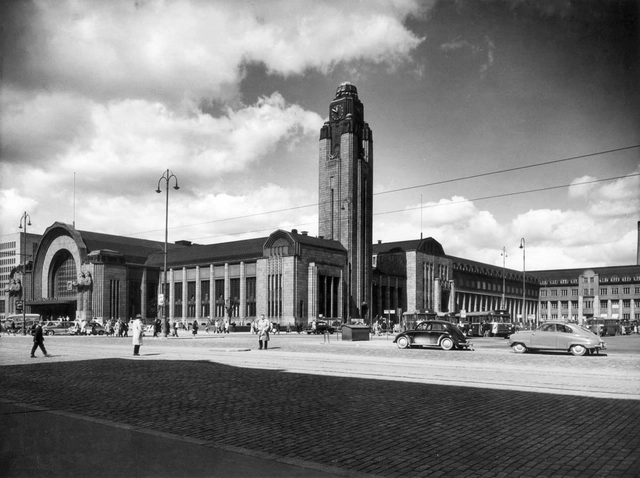
Kenneth Frampton, a prominent architectural critic, characterizes a group of late nineteenth-century works as belonging to the “New Tradition”: with its origins spanning from 1900 to 1914, he defines it as “a consciously modernized historicist style” (1997, p. 255). He proposes these buildings as a response to two significant historical events: on the one hand, nascent European Modernism, tending toward machine aesthetics, functionalism, and formal abstraction; on the other, the consolidation of national states occurring across the continent.
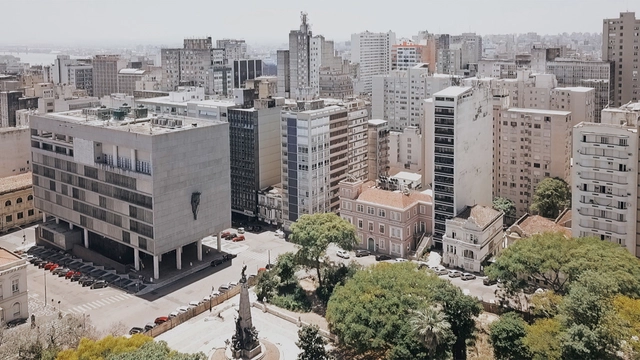
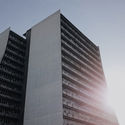
Honoring and reaffirming the importance of Porto Alegre's modernist icons, a new series launched by AsBEA-RS on its YouTube channel invites the public to visit, alongside architects, market experts, and users, six of the most important buildings constructed between the 1950s and 1960s in the state capital.
Faial, Santa Tecla, Santa Cruz, Palácio da Justiça, Centro Administrativo Fernando Ferrari, and Grêmio Náutico União: six projects that shape the skyline and reaffirm the construction quality of fifty-year-old structures, revisiting the legacy and lessons of prominent architects from Rio Grande do Sul for contemporary urban development.

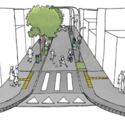
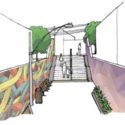
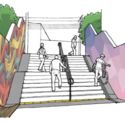
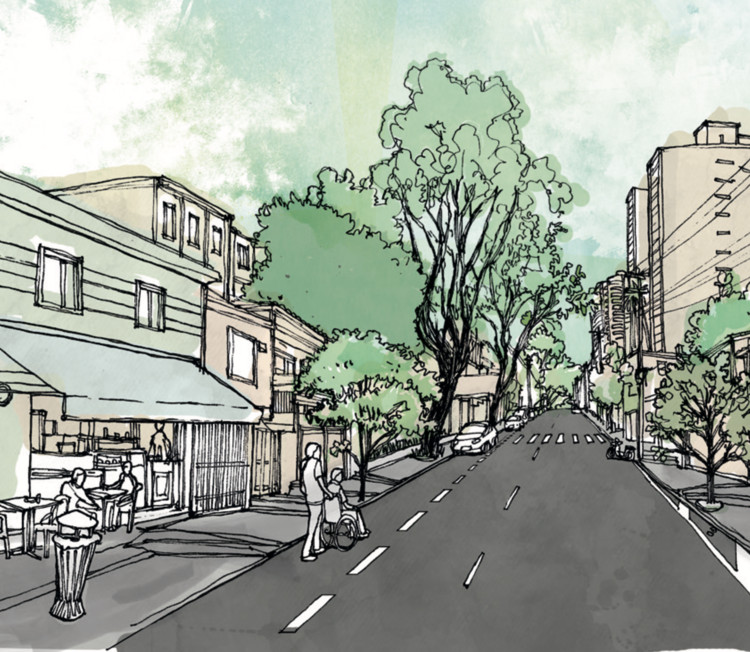
The City of São Paulo launched the digital platform for the Urban Design and Road Works Manual in December last year. This document compiles guidelines for urban projects aligned with the principles of accessibility, social equity, road safety, and environmental sustainability. Coordinated by Elisabete França, José Renato S. Malhem, and Maria Teresa Diniz, the manual aims to guide the design of projects in the road space to meet citizens' well-being needs.
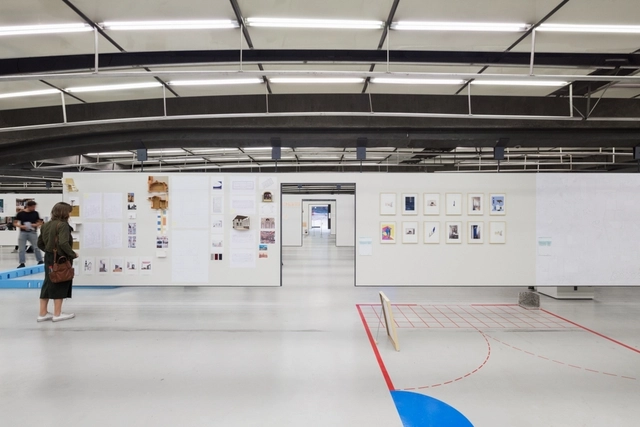
In November 2020, IABsp, the organizer of the International Architecture Biennale of São Paulo, launched a Co-Curatorship Competition for the Biennale's 13th edition, scheduled for 2022. Proposals, which can be submitted through the website until January 24, 2021, will be evaluated by a jury representing diverse fields of knowledge, composed mostly of women and Brazilians.
The 13th Biennale presents RECONSTRUCTION as its initial central provocation, starting from the idea of rebuilding, reshaping, and renewing the relationships of social groups with their domestic spaces, citizens with public spaces, and the personal and professional dynamics unfolding in spaces of confinement and collective use, during and after the pandemic. The Competition also proposes that this reflection involve one or more guiding themes: democracy, bodies, memory, information, and technology.
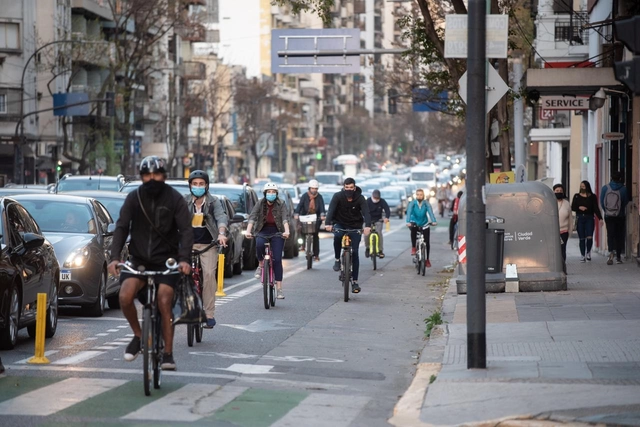
Bicycle infrastructure has grown rapidly in Latin American cities over the last decade. Cities like Bogotá and Santiago have more than doubled the extent of their bike networks. This is promising news, as studies show that cities prioritizing safe infrastructure record significant reductions in cyclist deaths and injuries and gain considerable economic benefits from reduced traffic congestion and fewer sick leave requests.
Nevertheless, much of the existing bicycle infrastructure in Latin American cities was built on local and secondary roads. While implementation may be easier on less busy streets, this approach also reduces the efficiency and overall impact of cycling, in addition to creating safety issues. Cyclists tend to seek shortcuts and the most direct routes, potentially leading to dangerous interactions with cars when they enter arterial roads not designed for non-motorized transport.

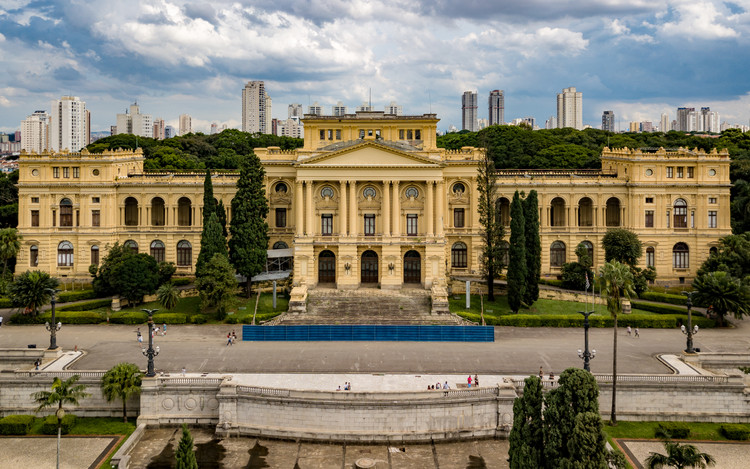
To celebrate the 467th anniversary of the city of São Paulo, the Museu do Ipiranga is launching the digital campaign São Paulo – Território em Construção on January 25. Through the collection's rich iconography, along with testimonies from historians, architects, and urban planners, the public is invited to reflect on the city's transformations, from its founding in the colonial period to the grand metropolis we know today. The content, formatted as web stories, will be available on a website featuring a timeline, photos, paintings, and maps from the collection, as well as explanatory audio and videos about the evolution of São Paulo's urban space. Visitors can also learn more about the city's main landmarks, such as Pátio do Colégio, Paulista Avenue, and Nove de Julho Avenue.
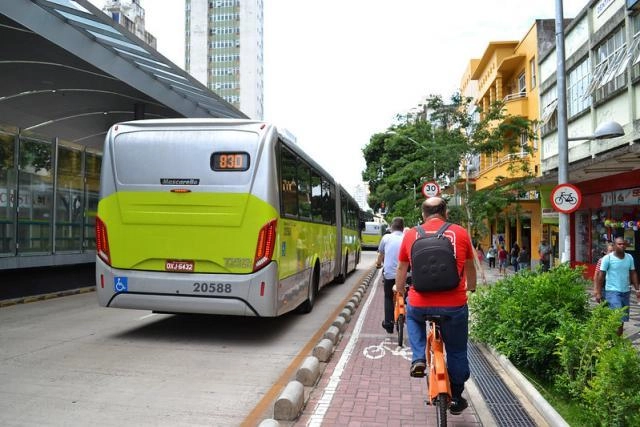
Cities are changing in many ways—some, fortunately, for the better. More Brazilians have come to see the bicycle as the best choice for urban mobility, and 67% of people would swap their cars or motorcycles for cleaner transit alternatives. While public perception of air quality is discouraging, awareness of climate change has grown, and 92% of people want electric buses in their cities.

Promoting homeownership as an investment strategy is a risky proposition. No financial advisor would recommend taking on debt to put such a large portion of your savings into a single financial asset, whatever it may be, as it represents a major concentration of risk.
Worse still, this risk is not random: it falls most heavily on low-income buyers, who receive worse financing terms and whose neighborhoods are systematically more likely to have lower or even declining home values, leading to devastating consequences for the racial wealth gap.
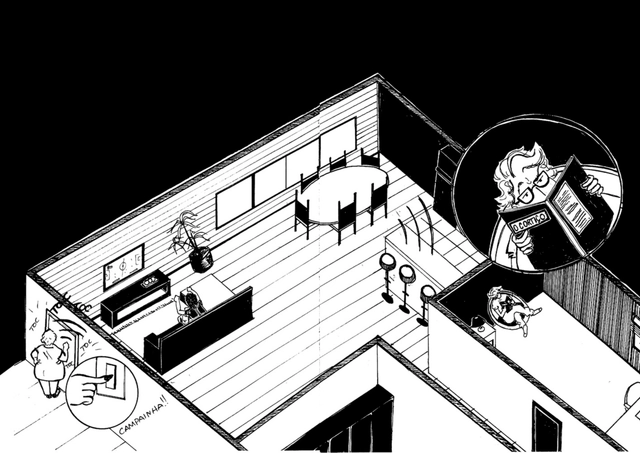
TEIA re(p)resents the city of São Paulo through a comic book narrative. The characters were developed as protagonists based on an empirical selection of twelve neighborhoods key to the city's history, whose residents served as the foundation for the character archetypes in the script. The graphic novel format provided the ideal medium to develop a language that allows for spatial thinking about the urban context and the observation of human relationships within this created and illustrated universe, highlighting its role as a communicative medium. Beyond experiencing and understanding the neighborhoods, the project aimed to explore the notion of belonging. The in situ experience in the neighborhoods and spontaneous conversations with residents—who served as references for the protagonists—allowed the narrative to reflect on the difference between being (of a place) and existing (in a place) in Brazil's most populous and diverse metropolis.
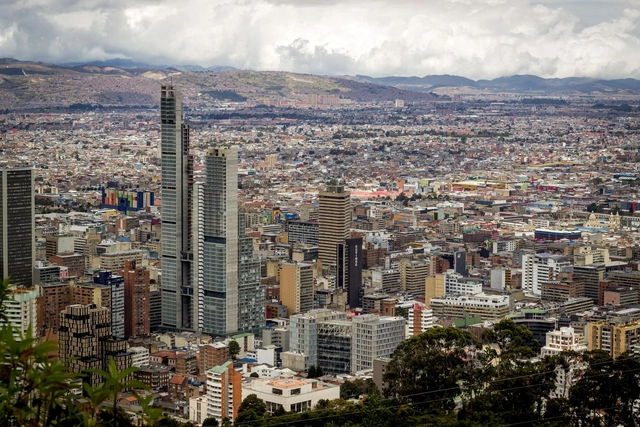
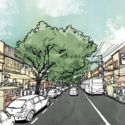
Shortly before taking office in January 2020, Mayor Claudia López committed to redesigning a major arterial road in Bogotá, aiming to transform it into a green corridor for active and sustainable mobility. To do so, the mayor also pledged to promote a planning process with broad public participation—a rather daunting task in a city of nine million people.
Known since the 16th century as Calle Real, Avenida Séptima is widely considered Bogotá's most important thoroughfare, stretching 23 kilometers and traversing the city's eastern zone. It is perhaps the only road that runs through every income bracket in the municipality, from the poorest to the very wealthy. It is also the most hotly debated space in the Colombian capital.

How is the housing deficit calculated? Did the Minha Casa Minha Vida program improve housing affordability? What is the Onerous Grant of the Right to Build? To answer these and other questions, Caos Planejado hosted Tainá Pacheco and Vanessa Nadalin for a conversation.


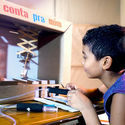
Motivated by the enrollment of a classmate with a disability at the Dona Escolástica Rosa State Technical School (Etec), logistics students at the institution developed a project that could transform public transit in the city of Santos, São Paulo. The project consists of an audio system designed to assist and offer autonomy to passengers who face mobility challenges.
A brief preview of Uncertainty, the Spanish Pavilion for the 17th International Architecture Exhibition at the Venice Biennale, which will take place from May 22 to November 21.

In this episode of the Caos Planejado podcast, the discussion explores alternatives for pedestrian mobility and the occupation of public spaces through tactical urbanism. The guest is Letícia Sabino, founder and director of SampaPé, an organization that has been working since 2012 to transform cities into more walkable environments alongside people.

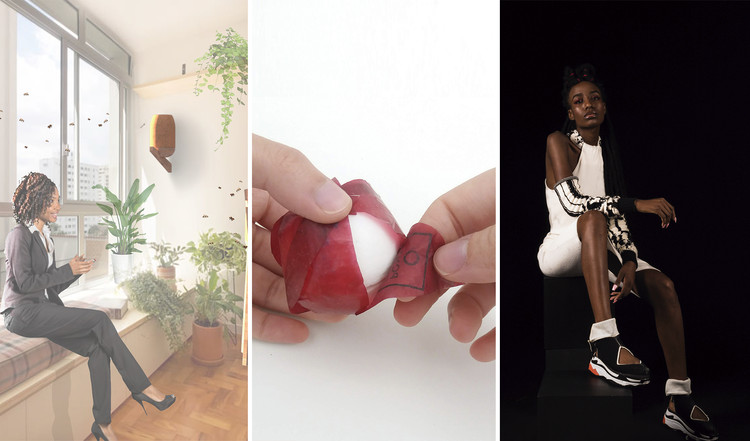
The winners of the 3rd Tomie Ohtake Institute Leroy Merlin Design Award have been announced. The award ceremony, which was originally scheduled to take place in person at the Tomie Ohtake Institute alongside the exhibition of the projects, was held virtually for invited guests due to the novel coronavirus pandemic.
A total of 15 projects were selected from 213 entries representing 20 Brazilian states and the Federal District.
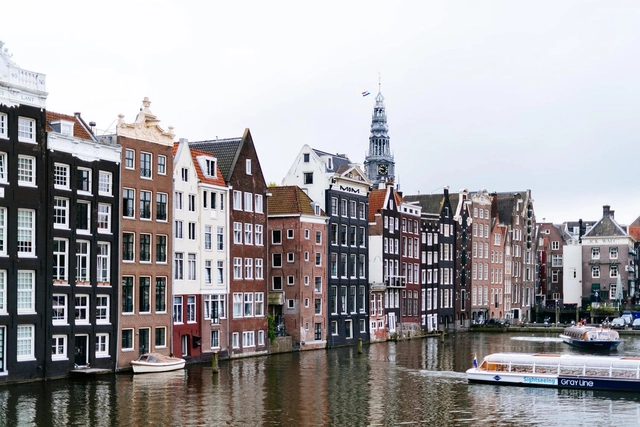
Anyone interested in urban policy will likely, at some point, come across the term “compact city.” This expression has become a staple of urban planning. Proposals associated with the concept favor denser development, with commerce and services close to residential areas, encouraging pedestrian, bicycle, and public transit mobility. Some European capitals, such as Copenhagen and Amsterdam, are often pointed to as examples of this model. Its counterpart is the sprawling city, where neighborhoods are predominantly residential, far from downtown, and require long commutes from home to work.

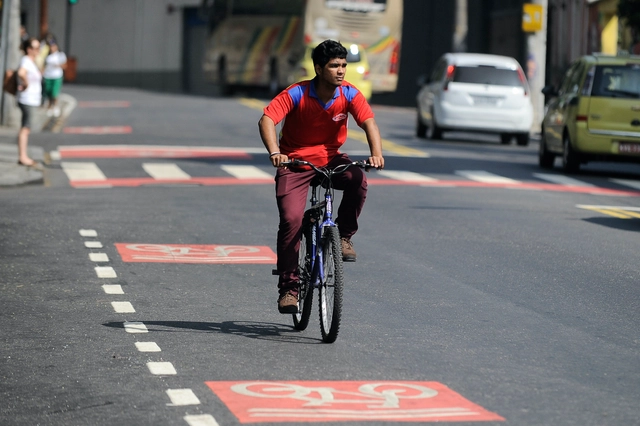
Sprawling urban footprints, high temperatures, rugged terrain, and a lack of safety. What are the pathways to promoting cycling as a mobility alternative in Brazilian cities? To explore this topic further, Caos Planejado hosts Glaucia Pereira, founder of Multiplicidade Mobilidade Urbana and a director and member of Cidadeapé, and Rosa Félix, a bicycle mobility researcher at the U-Shift laboratory.
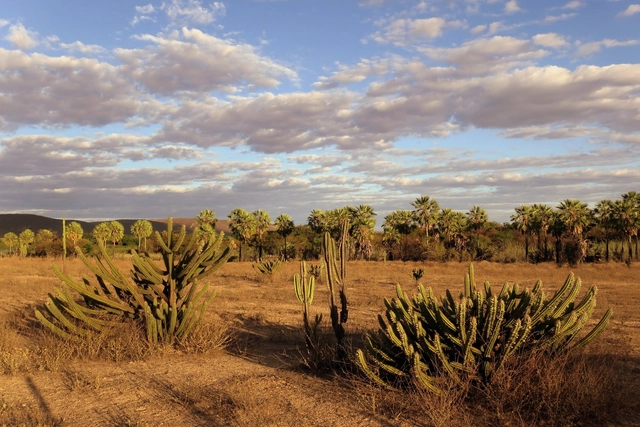
With nearly fifty thousand plant species—over half of which are endemic, meaning they only occur naturally here—Brazilian flora is among the most diverse and richest in the world. This data is featured in the country's largest and most comprehensive virtual botanical library, Flora do Brasil 2020, developed by the Rio de Janeiro Botanical Garden.

With one of the best higher education systems in the world, the Netherlands offers annual scholarships for Brazilians through the Orange Tulip Scholarships program. Applications for the 2021/2022 academic year are now open for undergraduate, postgraduate, or MBA students.
More than 20 Dutch universities participate in the program, offering scholarship options for courses in the fields of Arts, Biological Sciences, Health, Exact Sciences, Technology, and Humanities, including some focused on architecture and urban planning – all taught in English.

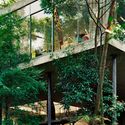
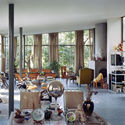
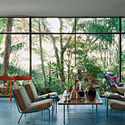
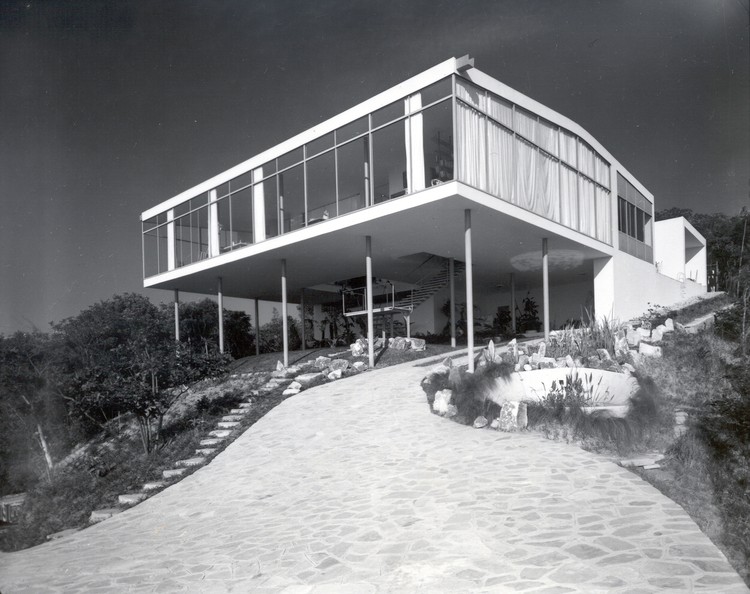
When we think of the residential designs of Italian architect Lina Bo Bardi, the immediate image that comes to mind is her private residence in São Paulo (1951)—more precisely, the image of its glazed social pavilion, captured from a low angle. This perspective further dramatizes the contrasting relationship between that light, suspended orthogonal volume and the steep natural slope of the terrain.
I would venture to say that no other work of Brazilian architecture is as well-known from a single photograph. This image, which has illustrated nearly every publication on the architect since the building's completion nearly 70 years ago, and which indeed justifies its famous moniker, the “Glass House,” exposes the unequivocal modern condition of this project—or, at least, the portion revealed by the angle of this celebrated photograph: a transparent, prismatic volume suspended on slender pillars set back from the edge of the floor slab and, consequently, free-standing within the elevated space.

The University Council of the São Paulo State University (Unesp) has decided to award the title of Doctor Honoris Causa to Adélia Borges, a curator, journalist, and critic active in the field of design. The initiative for awarding the degree came from the Department of Design at the Faculty of Architecture, Arts and Communication (FAAC) on the Bauru campus. In its justification, the Council stated that the title was awarded “for her work as a critic and curator with a significant contribution to the research, dissemination, and promotion of Brazilian Design on both the national and international stages, demonstrating deep knowledge of the field and a broad socio-political and cultural vision.” The official ceremony will take place on March 8, 2021, International Women's Day, at 2:30 PM, and will be broadcast on the TV Unesp YouTube channel.
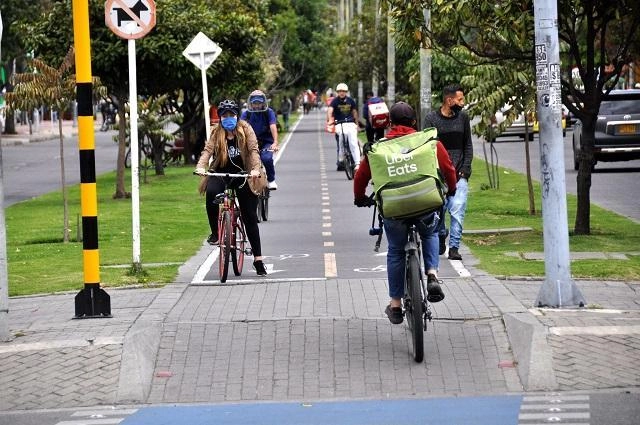
When the Covid-19 pandemic broke out, concerns over virus transmission on public transit prompted many to opt for alternative mobility options—chiefly, cycling. Bicycles gained popularity for both recreation and transport, a trend especially evident in the United States, Mexico, Colombia, Germany, and France. In France, Germany, and the United States, the weekly average of bicycle use increased by 4%, 7%, and 20% respectively compared to 2019 figures.
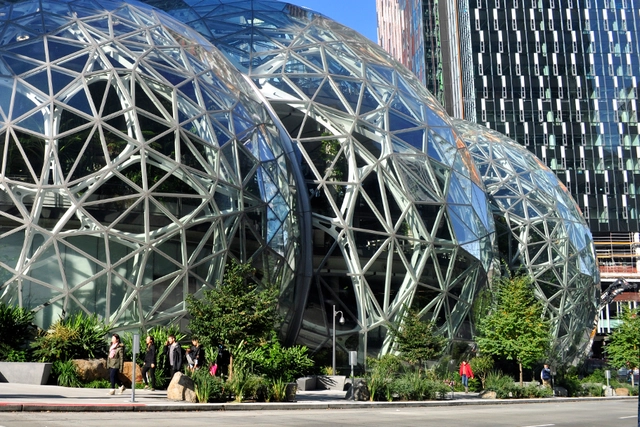
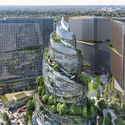
While the corporate world debates remote work, Amazon has decided to double down on physical offices. Earlier this year, the company announced plans for its new headquarters in Arlington, Virginia. The building complex will be anchored by a spiraling structure more than 100 meters tall, dubbed the Helix. In addition to 260,000 square meters of office space, there will also be 10,000 square meters of public space, including an amphitheater, a market, restaurants, and plazas. The choice of location, in the heart of the Washington, D.C. metropolitan area, stands in contrast to companies like Apple and Facebook, which built their closed-off headquarters in the suburbs.