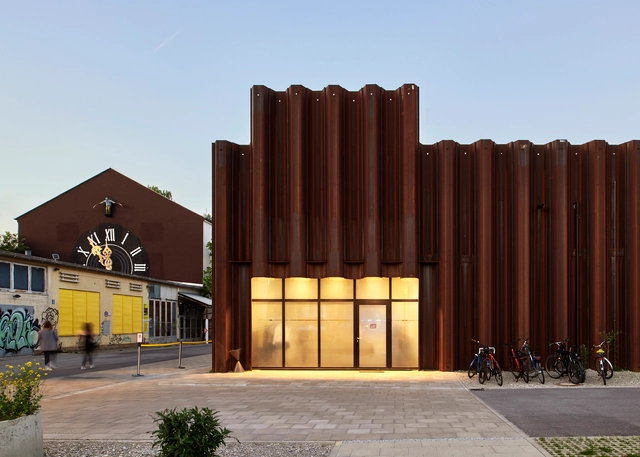
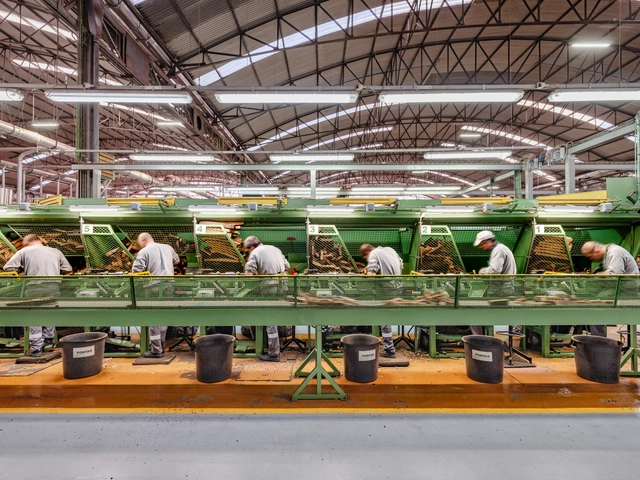
The winners of the German Design Awards 2023 approach design in ways that are both clever and sustainable, with a focus on ground-breaking product solutions and visionary ideas. The cradle-to-cradle principle, modular construction methods, sustainable use of materials and energy efficiency have long been mainstays in manufacturing and the construction process. But real estate branding is also increasingly coming into focus and becoming an important instrument in architectural communication and marketing.
Of the 4,200 submissions that the German Design Awards 2023 received, 98 projects in total were honored with the highest ‘Gold’ distinction. The German Design Awards are one of the most well-recognized international design awards, distinguished by its diversity and the quality of the projects. The awards are given to companies whose products stand out in the categories of ‘Excellent Product Design’, ‘Excellent Communications Design’, and ‘Excellent Architecture’. In the three different design disciplines, this year’s winners include companies such as Duravit, Mono and WMF, as well as the architecture firm MVRDV and start-ups such as nevi and X Shore AB.
At ArchDaily we are always looking for ways to increase the value of what we provide to the architecture community. In order to do this, we try to be at the forefront by identifying trends, providing the best tools possible, and connecting with our audience, which is why feedback from the community is so important.
We would love to hear your opinion on how we could make your experience better: the type of content you value the most, how and where you consume it, and what you would like to see on ArchDaily. To do this, we created a short survey to better understand you
https://www.archdaily.com/991947/what-do-you-think-about-your-archdaily-account-we-want-to-hear-from-youArchDaily Team
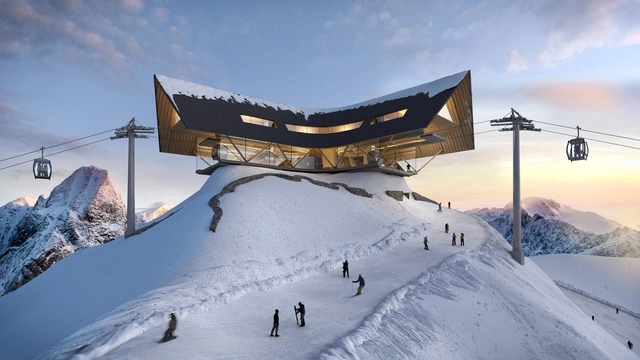
Peter Pichler Architecture has been invited to participate in a private competition for the design of a set of Ski Facilities in Ponte di Legno, Italy. The project includes the addition of three new cableway lines for the ski resort, each marked by an architectural intervention designed to provide shelter and dining options. The buildings also include exhibition spaces dedicated to the preservation of the cultural, natural, and historical heritage of the site.
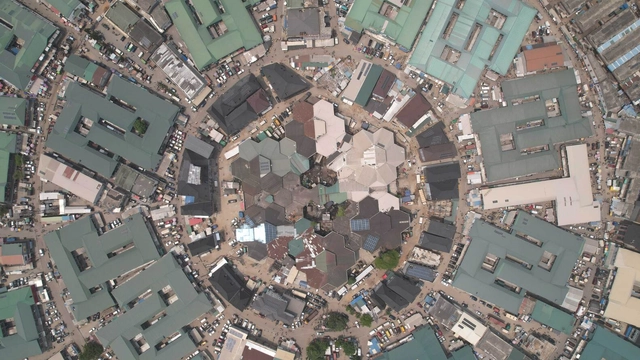
The National Pavilion of Serbia, curated by Iva Njunjić and Tihomir Dičić, has just announced its exhibition at the 2023 Venice Biennale, which explores architecture's futures, presents, and pasts through the lens of an international Trade Fair in Lagos, Nigeria, in 1977. The trade fair was a product of non-aligned cooperation between Yugoslavia and Nigeria.
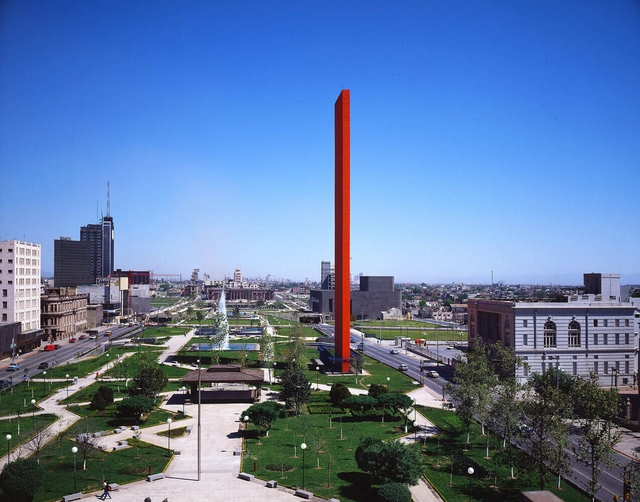
March 9 marks the birthday of one of the most important Mexican architects worldwide. A pioneer of the Modern Movement in Mexico whose work has transcended geographical limits to be studied by different generations of architects who have rewritten his teaching to make it their own. Every year, this date represents the perfect excuse to rethink Barragan's legacy to architecture not only in Mexico but also in the world, and different projects have been carried out with this intention, awakening the interest of new generations. However, until a few years ago, the record of the architect's work was not very accessible since more than 50% of the projects he built remained anonymous due to the lack of a proper archive of his work.
The Ministry of Transport, Mobility and Urban Agenda (Mitma) revealed in November 2022 the winning proposal for the curation and exhibition design of the Spanish Pavilion at the 18th edition of the Venice Architecture Biennale, which will take place from May 21 to November 26, 2023. Developed by Eduardo Castillo Vinuesa and Manuel Ocaña, "Foodscapes" focuses on the biennale's theme "The Laboratory of the future", by choosing as the object of its research the architecture related to the food production, distribution, and consumption chain, from the domestic to the territorial level.
These days, the architecture industry cannot disregard how significant the challenge of sustainability has become. One strategy for achieving sustainable development is a circular economy, based on a sustainable life cycle. This strategy minimizes resource usage and extends the useful life of buildings from a design perspective. Moreover, another challenge is how to increase the usability of the building itself, in addition to how we've incorporated building disassembly into the cycle. This requires that designers take the future into account when making design decisions, integrating the requirements of the present with the potential outcomes of what has not yet happened.
There’s no shortage of slippery slopes in the architectural lexicon: “architectural” and “architectonic” hover near the top of the list. Problems invariably arise when the modifier supplants the modified. This happens more than you’d think, especially of late. A wholly separate issue arises when owing partly to a linguistic slight of tongue, architecture is understood as something distinct from the building, eschewing physical inhabitation.
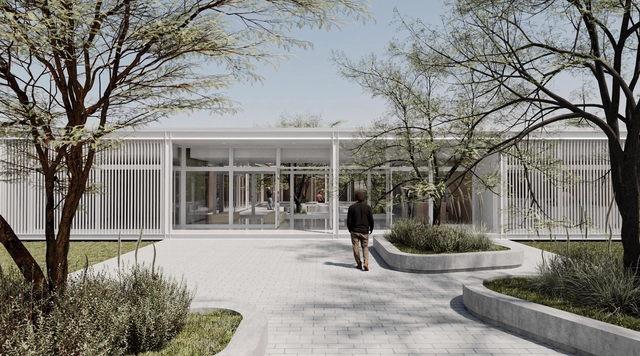
The National Preliminary Project Competition for the construction of the new laboratories of the Córdoba Grain Exchange and Chamber was organized by the Association of Architects of the Province of Córdoba (CAPC) and sponsored by the Argentine Federation of Associations of Architects (FADEA). As a public, nationwide ideas competition, its goal is to rethink the laboratory headquarters through flexible spaces capable of adapting to future changes and growth. The design incorporates functional, constructive, and energy efficiency, while remaining mindful of both the people who occupy these spaces and their landscape context.
Health Through Water / GROHE SPA. Image Courtesy of GROHE SPA
Milan Design Week represents one of the biggest annual design events in the world, bringing together Salone del Mobile.Milan, the largest furniture and design trade fair worldwide, and Furiosalone, along with many other exhibitions, product launches, conferences, and design-related events. This year’s edition, held between April 17th, 2023 and April 21st, 2023, brought together architects, designers, manufacturers and enthusiasts, both Italian and international. Many architectural offices contributed by collaborating with various brands to develop architect-designed products and to create architectural installations to highlight not only furniture and object design but also the larger context of Milanese architecture and culture.
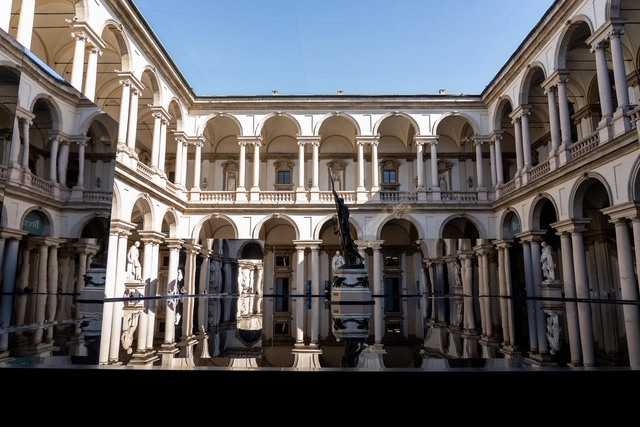
Featuring designs from internationally recognized architecture offices such as OMA, MAD Architects, Stefano Boeri Interiors and CRA-Carlo Ratti Associati, the following selection showcases temporary interventions in both historical and contemporary contexts. The designs present several recurring themes, such as the interest and fascination with the properties of water, be it contained within man-made structures or in its natural state. Many of the participating companies chose to showcase not only their products but also the historical architecture of Milan, by using buildings such as Pinacoteca di Brera, Casa Maveri, or the deconsecrated church of San Vittore e 40 Martiri as a backdrop for their installations.
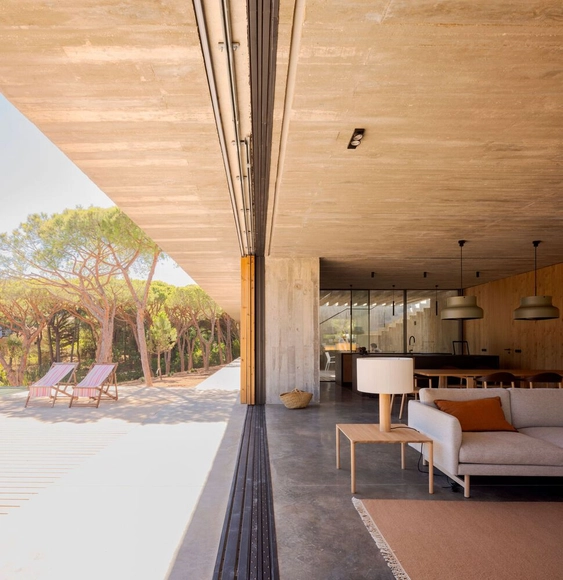
Essentially, windows are architectural elements set within an opening. These openings are integrated into walls in various dimensions to provide natural light and ventilation. Over time, window-making materials evolved from wood to metal. During this evolutionary process, the Industrial Revolution and the rise of metal took center stage, redefining construction at every scale—from entire cities to essential architectural features like windows.
The primary defining feature of metal windows is their structural simplicity and the large spans they can achieve. Their minimalist nature stands out for the visual lightness they provide, acting as elements that enhance the relationship between a building and its context. This connection is further elevated by minimalist systems developed by brands like OTIIMA, which integrate new technologies and opening typologies—such as sliding and pivot systems—that redefine spatial boundaries.
https://www.archdaily.com/1136236/minimalist-windows-that-blur-the-boundaries-of-space-house-in-praia-verdeEnrique Tovar
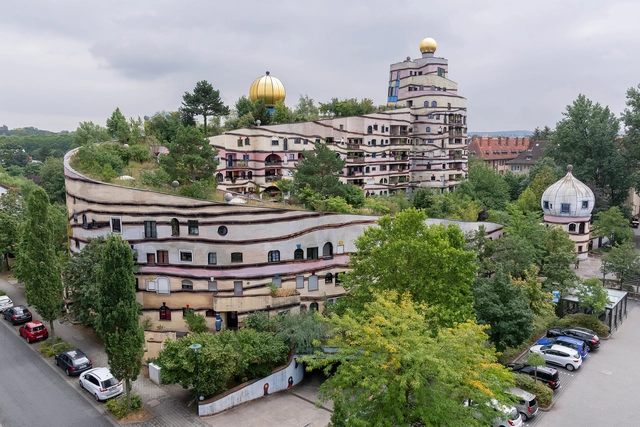
Waldspirale, Alemanha. Foto de Alexandre Prevot, via Flickr. Licença CC BY-SA 2.0
"I am tolerant. But I revolt. I accuse. It is my obligation. I am alone. Behind me there's no dictatorship, no party, no group, nor any mafia — neither a collective intellectual scheme nor an ideology. The green revolution is not a political revolution. The base sustains it and is neither minority nor elitist. It is a creative evolution in harmony with nature and the universe's organic course."
The above paragraph was said in the mid-20th century by Friedensreich Hundertwasser, an Austrian artist, and architect born in 1928. Hundertwasser marked architecture history with his distinct style of irregular and vibrant forms. His projects were a manifesto against rational and repetitive architecture. In them, there was a right to intervene in windows, irregular floors, green roofs, and spontaneous vegetation. As an architect, he always put diversity before monotony, believing in the right of each individual to modify their home and express their creativity. Above all, Hundertwasser believed in the importance of man's identification with nature and the world around him, addressing concepts related to community life and respect for the environment.
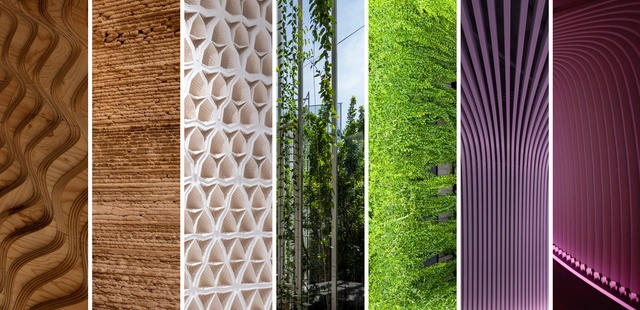
How are contemporary homes pushing the boundaries of innovation for the future? Currently, these spaces tend towards clean lines, neutral colors and flexible spaces, with the integration of technological features and automation. But even though there are certain timeless features that define neutral contemporary interiors, we can begin to identify future trends by analyzing architectural projects that differ from the traditional, recognizing disruptive interior materials and finishes guided by technological advances that are shaping complex and changing homes of the future. The selection of these innovative materials conveys a meticulous decision process in building the structure and identity of a space. Depending on the context and typology of a space, there is a growing awareness of how materials impact an environment, and how new technologies are creating smart solutions that can mitigate their effects indoors.
Artificial intelligence (AI) is playing a key role in visualizing the interiors of the homes of the future, and together with the exploration of biophilic, intelligent and 3D-printed materials, is stimulating new ways of approaching how we will live indoors moving forward.
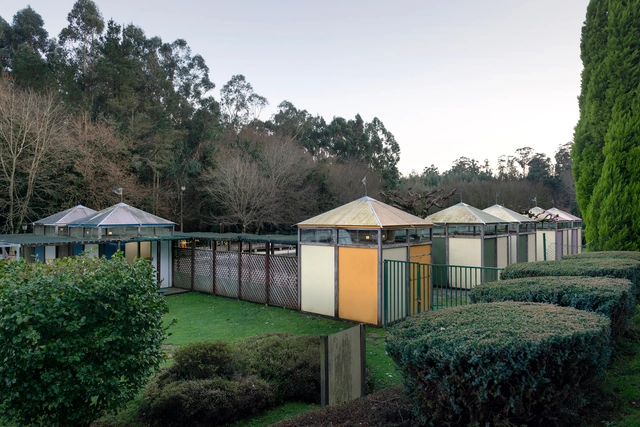
As a result of the research project MuWo - Women in Spanish (Post)Modern Architectural Culture (1965–2000), the interactive digital map of architecture designed by women in Spain was launched, aiming to study and bring visibility to women's work in architecture. As Myriam Goluboff Scheps is one of these architects, we set out to explore her history, ideals, and philosophy through one of her most recognized works: the open-air swimming pools for the Diputación de A Coruña.
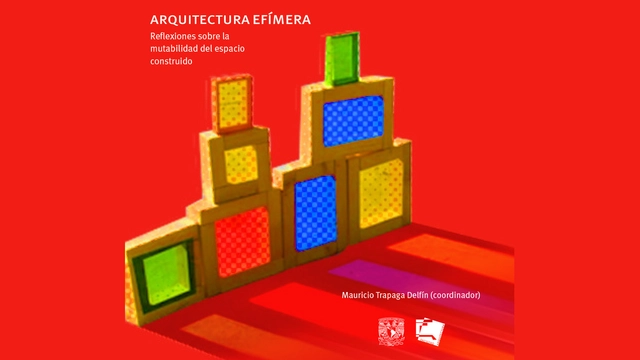
An interdisciplinary group of professors, mostly from UNAM, founded the Permanent Seminar on Ephemeral Architecture in January 2019, aiming to formalize the work carried out on the subject since 2010. Now, drawing on the reflections and papers presented at the colloquium "Ephemeral Architecture: Reflections on the Mutability of Built Space"—held at the UNAM Faculty of Architecture—the eponymous publication has been released and is available for free download at this link.
The First Islamic Arts Biennale, artistically directed by Sumayya Vally, opened on January 2023 and is still ongoing until May 23, 2023, in Jeddah, Saudi Arabia. The inaugural event was commissioned and produced by the Diriyah Biennale Foundation and was curated by Vally alongside Dr. Julian Raby, Dr. Omniya Abdel Barr, and Dr. Saad Al-Rashid. The biennale re-imagines the Western Hajj Terminal at King Abdulaziz Airport, designed by Skidmore, Owings & Merrill and winner of the 1983 Aga Khan Award, as a cultural space to redefine Islamic Arts from "within, in a way, that connects some of these art forms and forms of artistic expression to the experience and rituals" of those that live it.
Sumayya Vally is a South African architect, founder, and director of the Johannesburg-based collaborative architectural studio Counterspace. Designer of the Serpentine Pavilion in 2020/2021, she was the youngest architect to get this commission. Part of Time’s 100 emerging leaders who are shaping the future, in 2021, the only architect to make the list at that time, Sumayya started her career as a curator and teacher, and recently she was appointed as artistic director of the first Islamic Arts Biennale in Jeddah. ArchDaily had the chance to talk with Vally about her contribution to this biennale, her vision of the exhibition, the venue, the scenography, and the participating architects. Sumayya also shared some exclusive info about her entry for the 2023 Venice Architecture Biennale, starting on May 20th, in Venice, Italy.
Providing an overview of the profession and discipline of architecture can be a complex task given the diversity of people's backgrounds, personal interests, and experimentation techniques. Therefore, many processes related to architecture are based on speculation and innovation, taking the initiative to reimagine established limits. Architecture schools, such as École des Beaux-Arts, Vkhutemas, and Paulista School, were progressive schools of their time that developed their style led by experimental and curious minds. Thanks to these experimental processes, each developed its architectural style, characterized by factors such as philosophy, location, and the era in which the school was born.
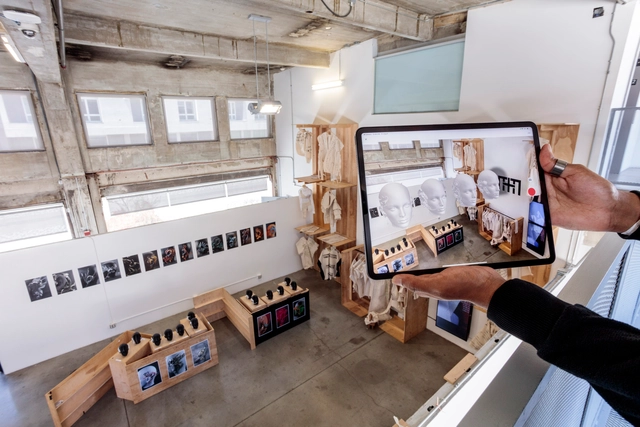
Since its creation in Santa Monica in 1972, the Southern California Institute of Architecture (SCI-Arc) has been a world-renowned center of innovation and one of the few independent schools of architecture in the United States. It excels in challenging its students through various programs to stretch their imaginations by experimenting with non-traditional materials and approaches. Through the renowned Making+Meaning program, SCI-Arc provides an immersive introduction to students and creative professionals from diverse disciplines, who have the opportunity to explore the field of design and emphasize the fundamentals of experimentation and architecture. The return to face-to-face teaching this year infuses new energy into the program for both students and instructors, given the value of collaborating in a physical space for the development of studio-based projects.
https://www.archdaily.com/999398/immersive-learning-from-novice-to-designer-at-sci-arcs-architecture-programEnrique Tovar
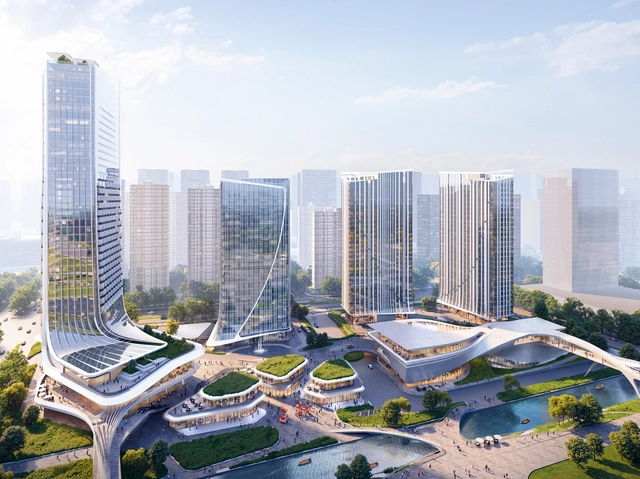
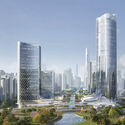
Nanjing K.Wah G72 / UNStudio. Image Courtesy of K.Wah
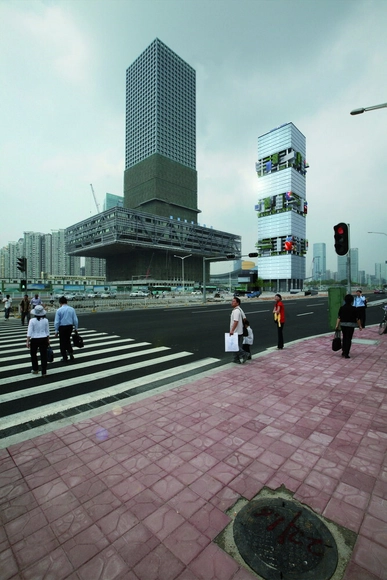
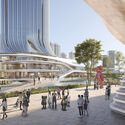
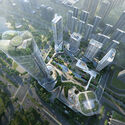
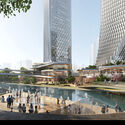
UNStudio has been commissioned to create a human-centric mixed-use destination on the waterfront of Nanjing, China. Developed by K.Wah Group, the new complex aims to enhance the working-living environment for the local community while contributing as a hub for culture and finance. The project, set along the central axis of the Hexi New District, introduces high-rise office towers, commercial and cultural functions, two serviced apartment buildings, a headquarters tower, a hotel, and various public amenities.
What role does landscaping play in contemporary housing? In what ways can architecture and landscaping be integrated into a whole? Considering the incorporation of landscaping from the beginning of the architectural project has become a defining aspect and even a challenge for many architects, aiming to improve the quality of life of their inhabitants and contribute to the protection and care of the environment.
On numerous occasions and within the Latin American setting, nature appears as a protagonist or founding principle of the proposed architectural design, involving reasons related to promoting the relationship with the surrounding environment, incorporating native species of the site, and enhancing the connection between the interior and exterior, among others. Although there are different ways of planning, organizing, and arranging the layout of environments in contemporary housing, the dialogue between architecture and landscape can collaborate with the uses, activities, and circulations determined based on the needs to be met or the users to be accommodated.
Throughout the past decade, human civilization has become so ‘woke’ we’ve administered a new word for it. And while this new-found wokeness derives from the quest to spotlight the inherent, yet previously ignored by many, racial social, and political injustices and behaviors in our lives during the early #blacklivesmatter movement, in more recent times it has come to stand for the calling out of all categories of injustice.
The purpose of architecture, as the ArchDaily Guide to Good Architecture states, is to ‘give form to the places we live.’ The book’s first chapter, ‘Good Architecture is Considerate’, suggests in order to improve the quality of life provided by human-designed spaces, we need to employ a human and empathetic approach.
“Economic shocks, climate change, and COVID-19 have changed transportation systems in a fundamental way. We can’t waste a crisis. We can increase access to transportation while reducing greenhouse gas emissions. We can achieve more mobility with fewer impacts,” argued Ani Dasgupta, president of the World Resources Institute (WRI), at the 20th annual Transforming Transportation conference. For two days, global leaders reflected on the state of transportation systems worldwide at the hybrid event in Washington, D.C., which was also watched by tens of thousands online. The event was co-organized by WRI and the World Bank.
Transportation still accounts for 25 percent of greenhouse gas emissions worldwide and up to 30 percent of emissions in developed countries. Transportation is a diverse sector that includes sidewalks, bikes, cars, buses, trains, subways, ships, and planes.
https://www.archdaily.com/999939/twenty-years-of-transforming-transportation-where-are-we-nowJared Green