The Second Studio (formerly The Midnight Charette) is an explicit podcast about design, architecture, and the everyday. Hosted by Architects David Lee and Marina Bourderonnet, it features different creative professionals in unscripted conversations that allow for thoughtful takes and personal discussions.
A variety of subjects are covered with honesty and humor: some episodes are interviews, while others are tips for fellow designers, reviews of buildings and other projects, or casual explorations of everyday life and design. The Second Studio is also available on iTunes, Spotify, and YouTube.
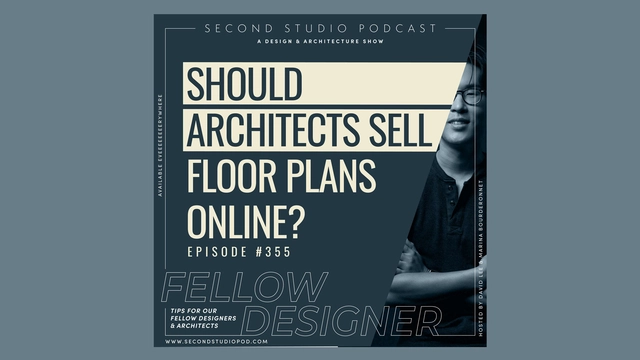
This week David and Marina of FAME Architecture & Design discuss whether or not architects should sell their floor plans online. The two cover the financial benefits of selling plans, making good floor plans accessible to more people, the downsides of selling partial services, quality concerns, the future of the profession, prioritizing speed and efficiency in design, why architects are often not used on projects, and more.