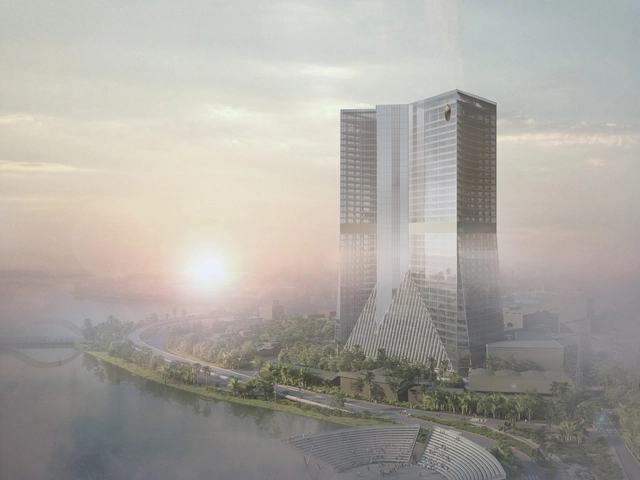
Construction on OMA’s first project in Bangladesh, the Dhaka Tower, has just started. Reaching a height of 150 meters and spanning 180,000 sqm in office space, the project is set to stand as one of the tallest buildings in the country. This scheme marks a significant milestone in the urban landscape of Bangladesh, designed by OMA in collaboration with local real-estate developer Shanta Holdings.
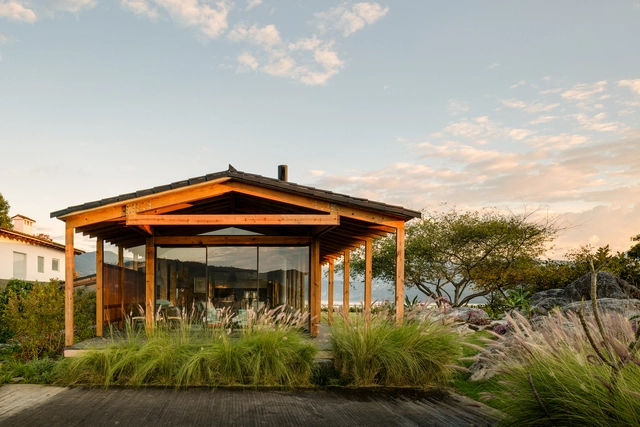
Wood has played an important role in contemporary Mexican architecture due to its versatility, sustainability, and cultural connection to the architectural history of the country. Currently, architecture in Mexico has gained worldwide recognition for its sensitivity and mastery in designing everyday spaces using various techniques that prioritize sustainability, aesthetics, and bioclimatic design.
In Porto Alegre, the building of the Iberê Camargo Foundation; in the city of Porto, the office of Álvaro Siza, the architect and author of the celebrated project for the institution's headquarters, inaugurated in 2008. Throughout 70 minutes, the documentary "Paisagem Concreta" or Concrete Landscape navigates between these two ports.
https://www.archdaily.com/1007293/concrete-landscape-alvaro-sizas-documentary-is-available-for-streaming-nowArchDaily Team
As we understand it today, the sustainable architecture movement began to take shape at the end of the 20th century. Essentially, it responds to growing concerns about environmental degradation, energy consumption, and resource scarcity. In this global discourse on sustainable architecture, wood has long been celebrated as a symbol of environmental consciousness and decarbonization. As one of the most widespread building materials, it has gained popularity with the rise of this movement. This is because trees absorb carbon dioxide during their growth, which stays in the wood during its construction use, keeping it out of the atmosphere.
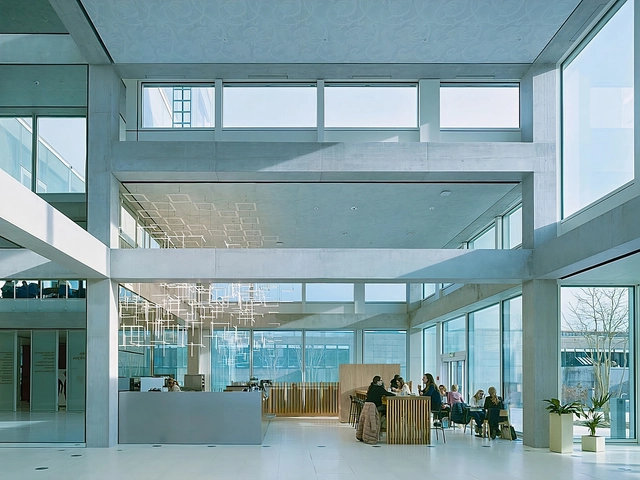
HSG Learning Center / Photo by Roland Halbe. Image Courtesy of Holcim
The need to reduce the construction industry's carbon footprint and its reliance on virgin natural resources is the most pressing issue facing the sector. It is therefore extremely important to foster innovation that can improve existing building materials and make them environmentally friendly, in order to successfully tackle its sizable carbon footprint and close the material loop.
Concrete, for example, has been used since the times of the ancient Romans and has proven to be a durable, strong, affordable and versatile building material. Today, it is the most widely used man-made resource in the world. However, its production methods raise environmental concerns: firstly, due to the high consumption of natural resources such as sand and gravel; and secondly —and more importantly— because of the CO₂ emissions associated with the production of its key ingredient: cement.
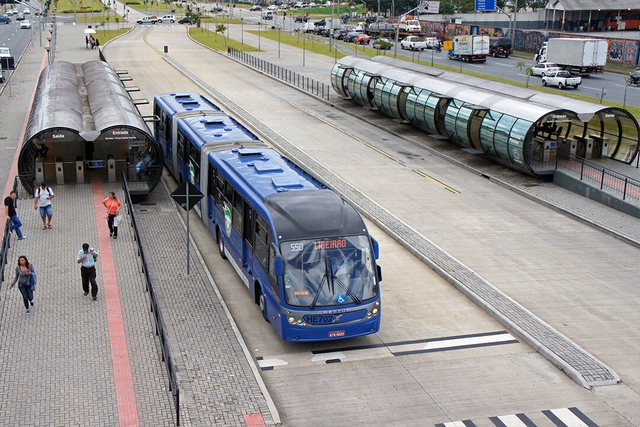
To be truly efficient, buses need special conditions, such as dedicated lanes and elevated platforms for boarding and alighting. Image: Mario Roberto Duran Ortiz
The most famous critique of the disproportionate amount of space occupied by automobiles is represented by a poster from the city of Münster, which compares the space taken up by 60 cars, one bus, and 72 bicycles (all carrying 72 people). The image clearly demonstrates that the space required by automobiles to transport the same number of passengers is staggeringly larger.
How many times have you been faced with the challenge of designing a cultural center? While this may seem like quite a feat, many architects have had to design a program that blends a community center with culture.
Among the projects published on our site, we have found numerous examples that highlight different responses, from flexible configurations to sites that prioritize central gathering areas for citizens and activities. See our series of 50 community centers and their plans and sections below.
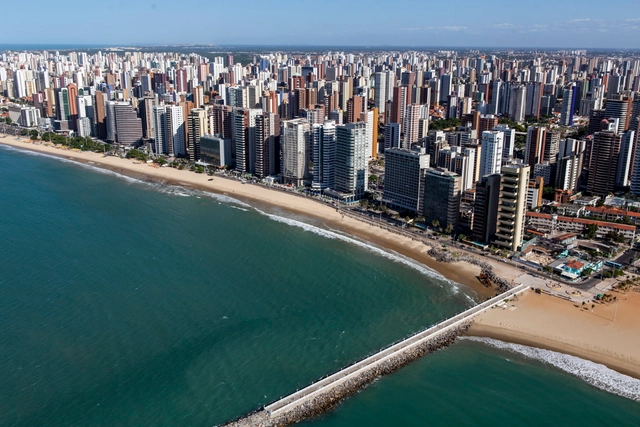
Fortaleza, CE. Photo: Arthur Fonseca, via Wikipedia. License CC BY 3.0 br
Addressing the climate crisis urgently requires transforming urban lifestyles, as cities are major polluters and energy consumers. Re-evaluating motorized vehicle use, particularly individual transport, is one of the necessary shifts in urban centers. Cities that offer safety for pedestrians, cyclists, and an efficient public transit network are increasingly essential.
Encouraging the development of urban centers where people can move actively—on foot and by bicycle—for their daily activities is the path promoted by the Instituto Caminhabilidade. To this end, it established the Walkable City Award, which highlights and inspires initiatives for walkable cities in Brazil.
The work of Marília Marz uses cities as its source of inspiration and research. She began the conversation on Betoneira by sharing her experience with the Ciência sem Fronteiras (Science Without Borders) program, through which she went to the US to study architecture and ended up falling in love with comics. The artist dove headfirst into the graphic universe at the University of Oregon, where cartoonist Joe Sacco also graduated. Marília Marz pointed out that university placement in the program was somewhat random; not everyone was able to attend their institution of choice. She ended up at a university that was not among her top choices, but which happens to be one of the few schools offering a minor in comics.
Environmental neuroscience is an emerging field devoted to studying the impact of social and physical environments on brain processes and behaviour. From the various opportunities for social interaction to noise levels and access to green spaces, the characteristics of the urban environment have important implications for neural mechanisms and brain functioning, thus influencing our physical state. The field paints a different image of how cities impact our health and well-being, thus providing a new, scientific layer of understanding that could help architects, urban planners, and decision-makers create more equitable urban environments.
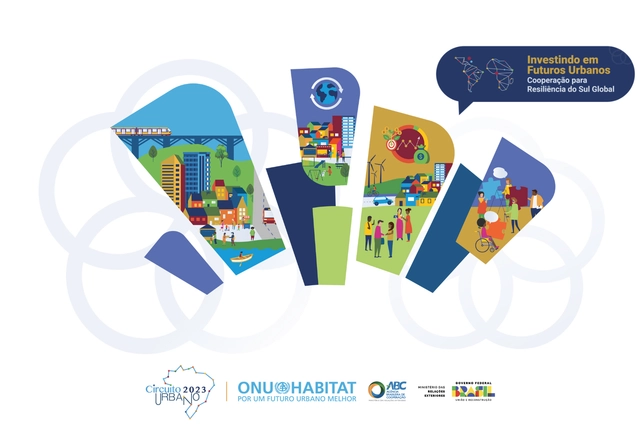
Throughout October, more than 230 events will discuss building urban resilience in the Global South. Featuring representatives from over 20 countries in Latin America and Lusophone Africa, the 2023 Urban Circuit (Circuito Urbano) will take place from October 2 to 31. The schedule is now available on the event website.
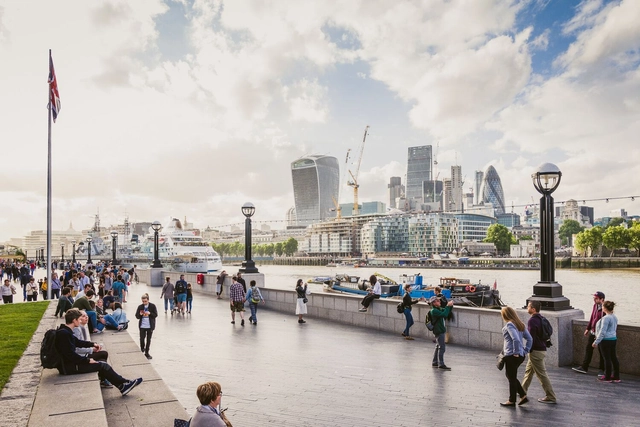
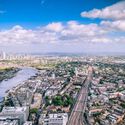
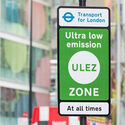
London is one of the world's great metropolises and faces a challenge common to urban centers: air pollution caused by fossil fuel vehicles. To combat this issue, the city established Low Emission Zones in 2008, fining large vehicles operating with pollutant emissions above established limits.
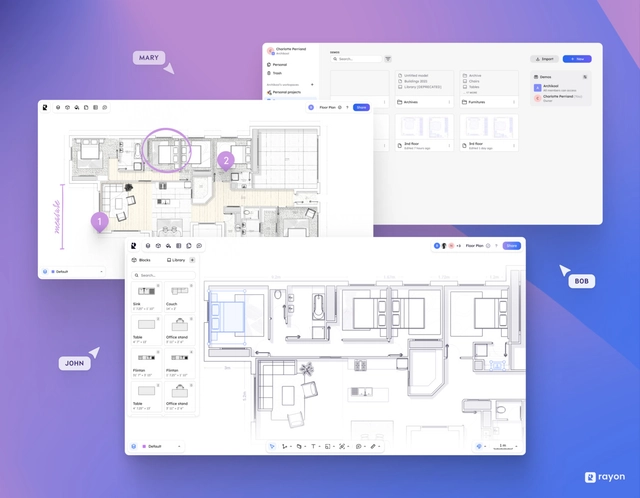
Rayon, an innovative online design tool that aims to create a new collaborative approach to developing "mundane buildings" within the city, has been selected as part of ArchDaily's 2023 Best New Practices. Founded in 2021 by Bastien Dolla and Stanislas Chaillou, it is a collaborative design software that brings together professionals in the architecture, engineering, and construction (AEC) industries. The software company believes that there is a “culture of the ordinary” in architecture. This culture represents an ecosystem of buildings that may seem unremarkable or aren't impressive landmarks in the city. However, these buildings and their construction professionals make up 90% of the urban fabric and contribute to the design culture that collectively gives identity to the city. The founders believe previous software generations have neglected this culture and propose Rayon as a novel tool to fill that gap by enhancing collaboration and user ergonomics.
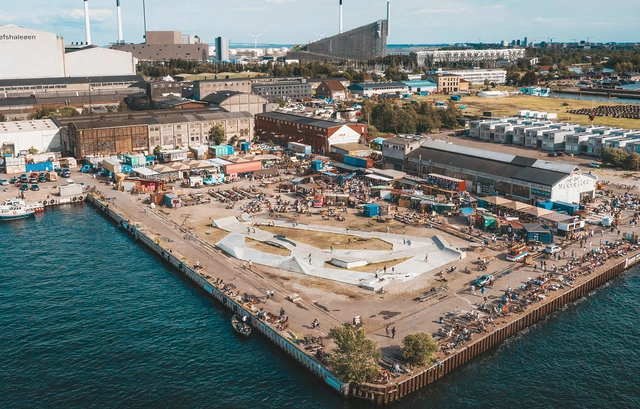
What will cities of the future look like? Or rather, what should cities of the future look like? The classic sci-fi, Star Trek-inspired movies many of us grew up watching painted a picture of flying cars, grotesque steel skyscrapers and urban fabrics far too vast and dense for the human scale. It’s safe to say, however, that the ideal for today’s and tomorrow’s cities has taken a 180-degree turn. New, modern urbanism promotes diverse, mixed-use cities with walkable blocks, sustainable transport and accessible public spaces. Copenhagen, with its pedestrian- and bicycle-friendly streets, idyllic water canals, iconic buildings and overall happy residents, ticks many of those boxes. No wonder the Danish capital has been designated as UNESCO’s World Capital of Architecture for 2023; another testament to the city’s position as a laboratory for innovative contemporary architecture and human-centered urban planning.
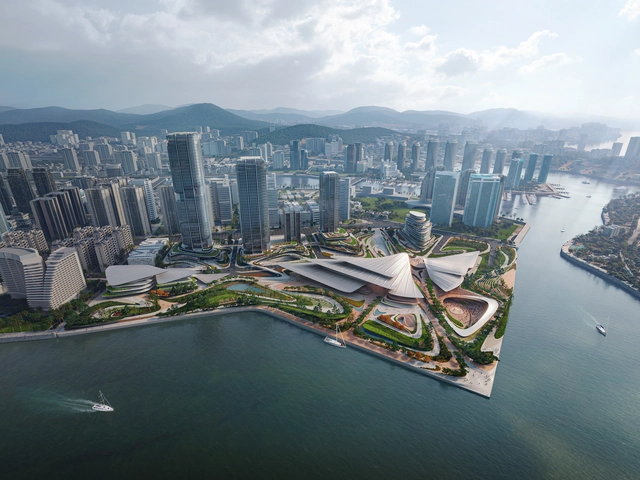
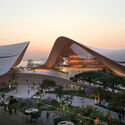
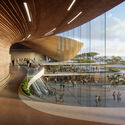
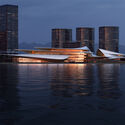
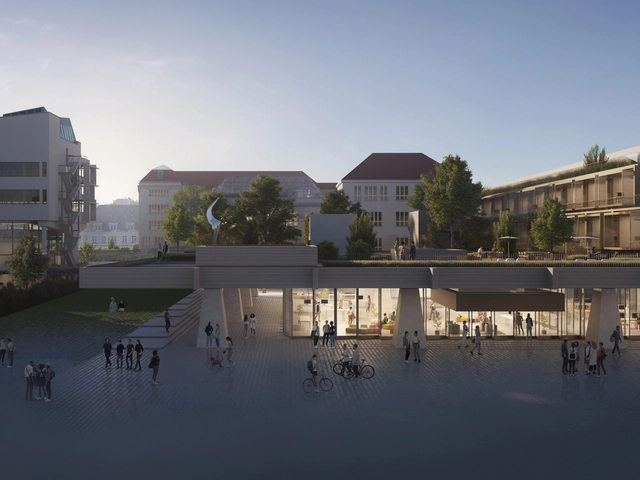
The city of Sanya in Hainan, China, has selected Zaha Hadid Architects as the winner of the competition for the design of the city’s new harborside cultural district. The new development, measuring a total of 409,000 square meters of built area, aims to become a central location for Sanya’s cultural life, providing diverse programming for performing arts, theater, exhibition galleries, conferences, and commercial trade fairs. The fluid shape of the buildings creates a transition from the tropical waters of Sanya Bay to the urban fabric of the city, with a central axis dividing the layered roofs that feather outwards and dematerialize the architectural volume.
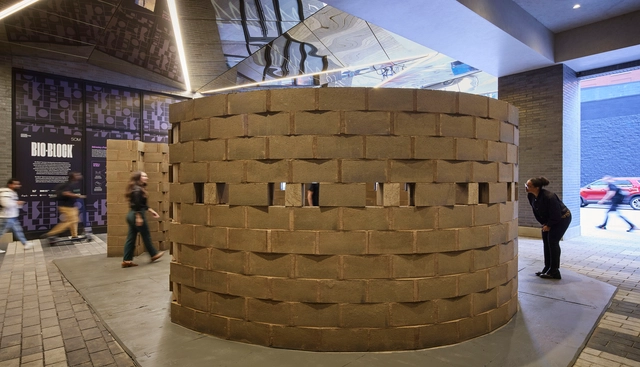
For the opening of CAB 5, the 5th edition of the Chicago Architecture Biennial,Skidmore, Owings & Merrill (SOM) presented an eco-friendly alternative to traditional concrete. Named the “Bio-Block Spiral,” the installation is at The Mews in Fulton Market in Chicago. The creation was developed with Prometheus Material, a materials company that provides sustainable building materials for a carbon-negative future.
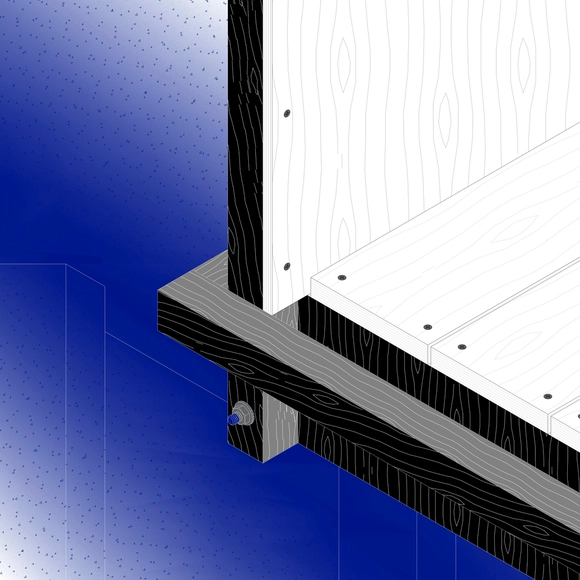
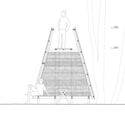
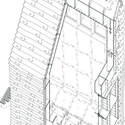
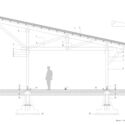
Drawing plays a pivotal role in architectural design as it is the primary means for transforming ideas into tangible spaces. Within wooden architecture, numerous techniques exist for creating joints, and connections, and seamlessly incorporating the material into other structural components. Beyond merely conveying precise details, drawing can also produce instructional guides for construction, simplifying comprehension for the workforce and facilitating project execution. This is why we've curated a collection of diverse projects that exemplify various approaches to depicting the use of wood and its myriad possibilities.
By the time I was 17 years old, I had moved 11 times. Because of my own experience relocating from one place to another, I’ve spent the better part of the last several decades focused on making sure that everyone has a place to call home, that everyone enjoys the human right to housing. But it was not until my time at Enterprise Community Partners, a nonprofit focused on community development and affordable housing, that I realized the methods and materials we employ to realize that human right matter.
The Media Architecture Biennale Awards recognize the world’s best projects at the intersection of architecture, urban design and planning, media and interaction design, and urban media art.
On Tuesday, September 26, the National Electoral Commission released the list of architecture and urbanism professionals eligible to vote in the October 10 elections.
The results of the National Wood Architecture Prize - PNAM’23 have been announced. In its seventh edition, the award recognized a winning project and two honorable mentions in “Sustainability and Circular Economy” and “Material Typology.”
The top prize was awarded to the renovation of Sala Projeto I - Colégio das Artes at the University of Coimbra, designed by architect Paulo Providência, with carpentry by Veiga Lopes, S.A., Carpinlux, and Brito Móveis. The University of Coimbra was the institution responsible for executing the project.
https://www.archdaily.com/1136007/meet-the-winners-of-the-national-wood-architecture-award-pnam23ArchDaily Team
New Ground-Academy Extension Arena of the Arts / READ Architecture. Image Courtesy of re-a.d
As the summer days come to an end, the focus naturally shifts to the realm of academia, a space full of curiosity, energy, and ingenuity. For architects, educational spaces are an opportunity for exploration, as they gather eager students together with professors and experts in their respective fields. The environment of educational facilities thus becomes a canvas for the cultivation of creativity, curiosity, and growth. From the playfulness of kindergartens and preschools to the halls of faculties that shape the scholars of tomorrow, the architecture of educational spaces must balance structure and flexibility to respond to the needs of students, teacher, and their larger communities.
This week’s curated selection of Best Unbuilt Architecture highlights designs submitted by the ArchDaily community dedicated to educational institutions. From innovative programs dedicated to child development and community engagement to specialized high schools or inclusive institutions learning to work with locally available materials such as rammed earth, this selection highlights projects dedicated to the exchange of knowledge in its varied forms.
When an architect pours their heart and soul into a project, the last thing they want to deal with is an unhappy client, and, consequently, possible litigation.
Risk mitigation remains a top-of-mind concern for architects, no matter how the Architecture, Engineering, Construction & Operations (AECO) industry evolves. New and evolving requirements for firms to double their efforts in identifying potential risks and ensuring the proper documentation is filed to avoid blame, can only go so far.
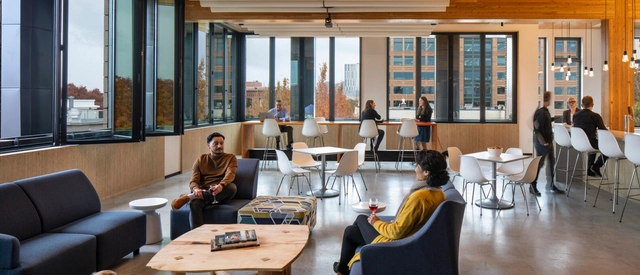
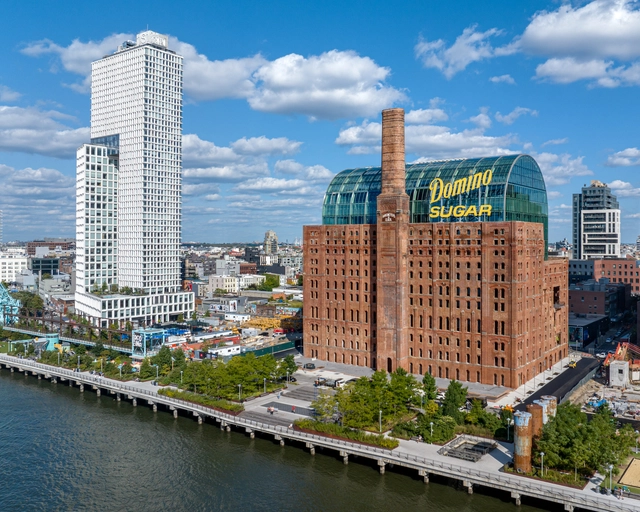
Two Trees Management announced the official reopening of The Refinery at Domino Sugar, one of Brooklyn’s most iconic buildings transformed into a modern workspace. The design of the adaptive reuse project, led by Practice for Architecture and Urbanism (PAU) began in 2017 with the purpose of reimagining the monument to become a point of connection between the existing neighborhood and the recaptured waterfront. The building now features 15 stories of office space, approximately 460,000 square feet, complete with retail spaces, communal workspaces, a private club, and event spaces.