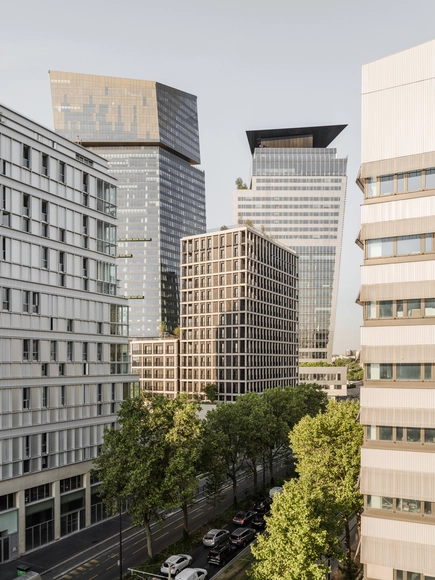
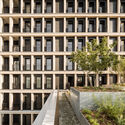
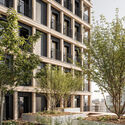
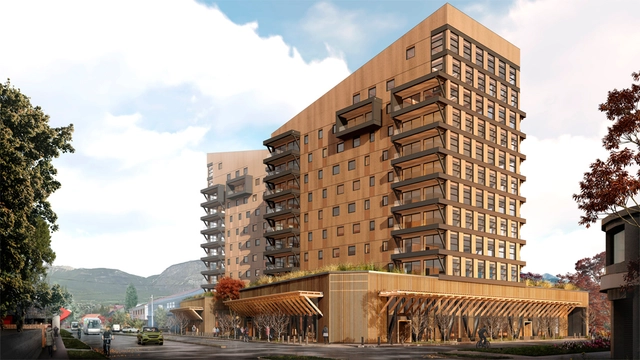
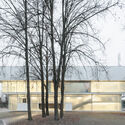
In Paris’ thirteenth arrondissement, the architecture office Moreau Kusunoki has completed Le Berlier, a 50-meter-tall timber tower housing residential units along with various other amenities. Situated at the intersection of multiple urban flows, networks, and scales, the project aims to find the middle ground between innovation, monumentality, and domesticity. The new residential center expresses its structural system through the grid of the façade, rendered in charred and pre-weathered wood.
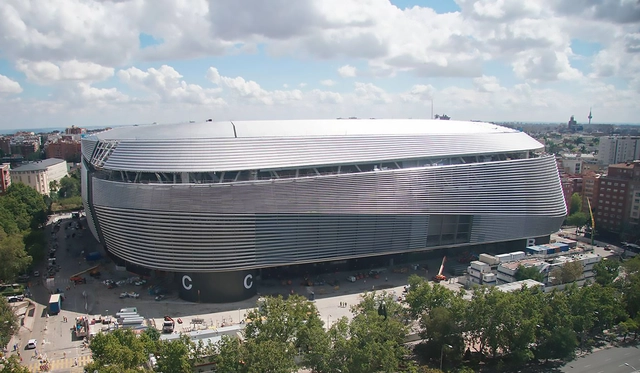
Sports architecture on the Iberian Peninsula is undergoing a transformation. While in Barcelona, the transformation of Camp Nou is being carried out by the offices of IDOM, Nikken Sekkei, and b720, in the capital of Spain, the renovation works at Santiago Bernabéu, led by L35 Architects in collaboration with GMP Architekten and Ribas & Ribas, are nearing their final stages.
L35 Architects is an architectural, urban planning, and design studio with offices in Barcelona, Madrid, Paris, Milan, Geneva, Miami, Mexico, Bogotá, São Paulo, Santiago, Istanbul, and Abu Dhabi. Currently, they are not only overseeing the remodeling of the stadium in Madrid, but also working on the El Campín cultural and sports complex in Bogotá, the Bolívar stadium in La Paz, the requalification of the waterfront in Toulon, France, and the renovation of Stazione Roma Termini.
We interviewed Tristán López-Chicheri, CEO of L35 Architects, to gain a detailed insight into the current status of the projects.
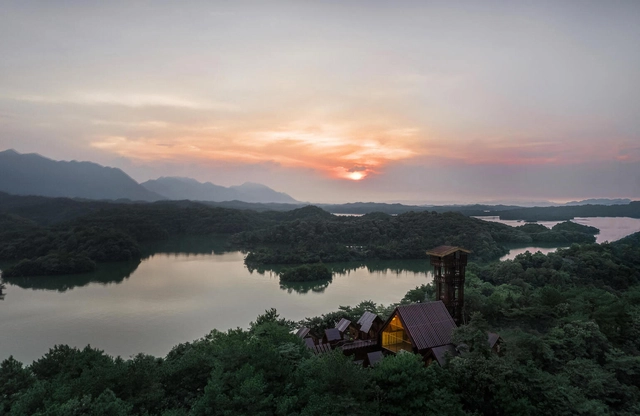
When designing and building an island getaway paradise there are certain creature comforts expected by even the most back-to-basics visitor, to find peace and comfort in an inaccessible environment – like food, shelter, clean water, and a way to contact the mainland – but doing so requires a careful balance between making these least-visited places on Earth both habitable and hospitable, without destroying them or their serenity in the process.
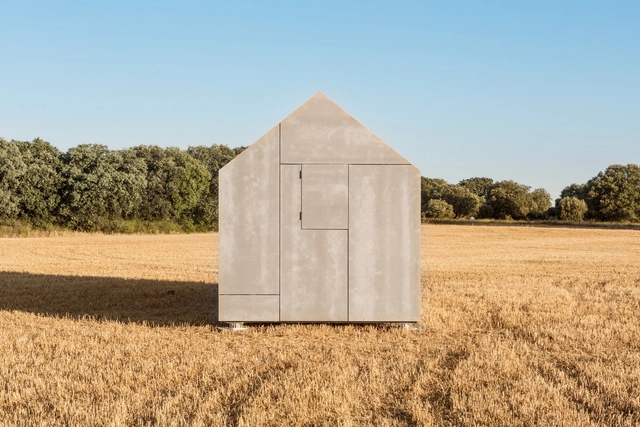
The dream of a home in the suburbs with a white picket fence is changing. Between housing crises and homelessness, mounting debt and downsizing, home ownership has become increasingly less attainable. The tiny house movement is a direct response to these forces, with cities and designers asking whether micro dwellings can address pressing issues or if they are glorifying unhealthy living conditions.
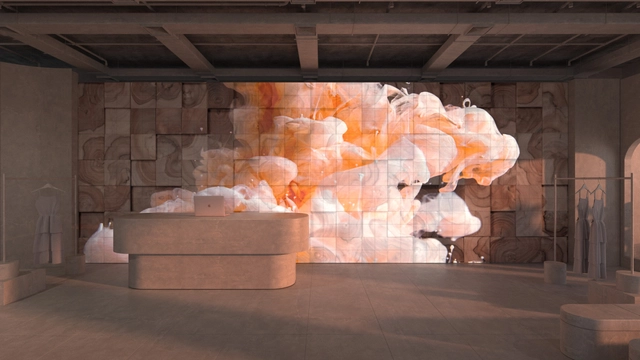
As the realm of interior design continues to evolve with new technologies, "living walls" have emerged as an innovative new concept. The new ArtMorph luminous wall panel is a one-of-a-kind product that deftly combines lighting and display technology with the added benefit of a unique texture selection. Its adaptability and customizable solutions allow it to blend into an array of environments, opening up possibilities for interiors that elevate visual storytelling, going beyond the constraints of traditional design.
At ArchDaily, we face the constant challenge of staying up-to-date with what's new, while also not forgetting the valuable learnings from the past.
This is why on every journey we take when developing a new article for you, especially on new materials and construction system, we must ask ourselves: Has this been done before? How was it made? What's new in what we are presenting? How do we connect innovation with what we already know, with the essence of architecture?
https://www.archdaily.com/1009689/the-supporters-newsletter-issue-number-5ArchDaily Team
Videos
‘Proyecto Tamango’ de Tallwood Architects, un ejemplo de los desafíos y oportunidades de la construcción en madera en Chile. Image Cortesía de Tallwood
The recent arrival of the Minergie certification in Chile is overseen by EBP Chile. This effort includes training Chilean professionals in this Swiss low-energy building standard, alongside the recent granting of provisional certification to the Covarrubias Hernández House in Lliu Lliu, Limache, designed by Murillo+Toro Arquitectos, and the Burgos Net Zero Building, developed by Cristián Izquierdo together with Tecton Inmobiliaria.
https://www.archdaily.com/1135914/the-swiss-sustainable-building-certification-minergie-advances-in-chile-through-4-projectsArchDaily Team
The architecture and construction industry has undergone a transformation with the integration of various digital tools, now indispensable to the design process. The welcoming of technologies has effectively streamlined operations, enhanced efficiency, and elevated design quality. This digital shift, however, has resulted in a digital divide that goes beyond accessibility to tools and software. It also encompasses the crucial aspect of integrating traditional and indigenous communities into the urban development landscape. Can advancing technology support the growth of vernacular architecture? Can indigenous building practices find a place in the vision for a digitalized future?
Architects and urban planners across the country will participate in a national election this Monday and Tuesday, October 16 and 17. More than 200,000 professionals in the field are set to choose 402 state councilors for the Councils of Architecture and Urbanism of the States and the Federal District (CAU/UF) and 28 federal councilors for the Council of Architecture and Urbanism of Brazil (CAU/BR) – one from each Federative Unit plus one representative of Higher Education Institutions (IES).
https://www.archdaily.com/1135934/cau-election-vote-to-choose-your-representatives-on-the-council-of-architecture-and-urbanismArchDaily Team
Nowadays, the term “utopia” is used to describe an idea that seems unattainable —at least in the contemporary context— intrinsically related to philosophical, scientific, urbanistic, and architectural concepts, among others. The close connection between utopias and architecture is evident, as this discipline is often associated with imagination. Some notable examples include “The Unreliable Utopia of Auroville's Architecture” and “The City in Space: A Utopia”by Ricardo Bofill. In this context, architects and designers alike use design as a means to develop innovative and disruptive ideas through various elements.
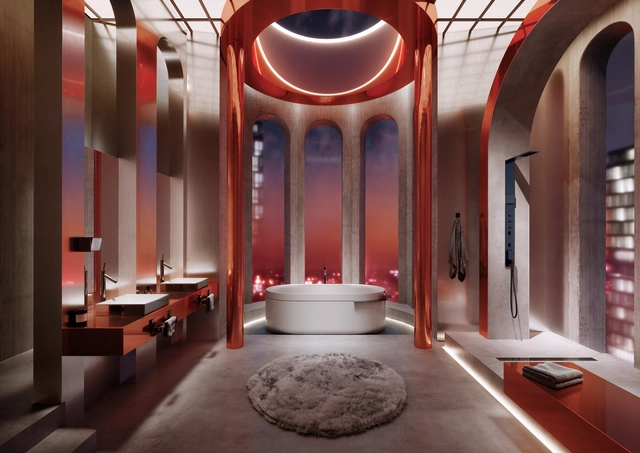
Although considered an idealized concept that does not exist, some designers have ventured into exploring the notion of utopia. AXOR, in conjunction with the Valencia-based design studio Masquespacio, has turned the page by conceiving and bringing to reality a new bathroom concept for a unique hotel suite that embodies their vision of personal luxury. Titled “Utopian Dream”, this design response blends vibrant colors with unexpected details, a combination that this duo defines as a mystic experience above the clouds.
https://www.archdaily.com/1007798/balancing-neoclassical-and-futuristic-design-the-utopian-dream-bathroom-conceptEnrique Tovar
The 2024 EUmies Awards aims to recognize the best-built works in Europe completed between April 2021 and May 2023. The selection of projects reflects the current changes within the European context, with increasing attention given to environmental, social, and economic awareness expressed through architecture, landscape architecture, urban planning, and design. This year’s jury is chaired by Frédéric Druot (Paris/Bordeaux), who will be accompanied by Martin Braathen (Oslo), Pippo Ciorra (Rome), Tinatin Gurgenidze (Tbilisi/Berlin), Adriana Krnáčová (Prague), Sala Makumbundu (Luxembourg), and Hrvoje Njiric (Zagreb).
Cortesía de Centro Tecnológico para la Innovación en la Construcción (CTEC) & Chile Green Building Council
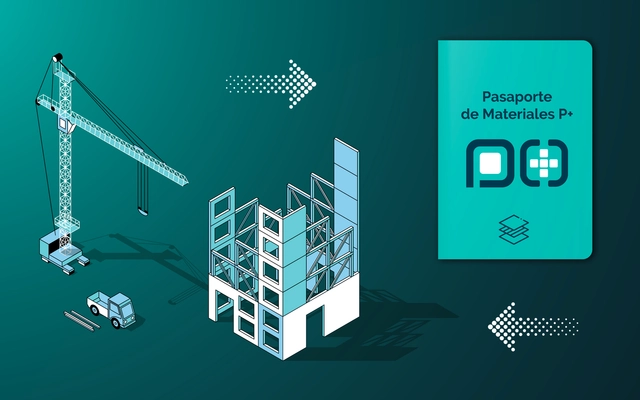
Launched in 2023 and developed by the Technological Center for Innovation in Construction (CTEC) and the Chile Green Building Council, the P+ Material Passport for Construction Platform enables the registration, characterization, and traceability of building materials and components throughout their lifespan.
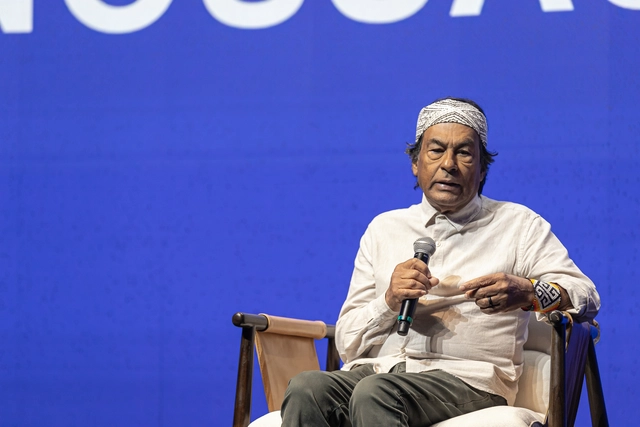
Krenak has a unique talent for transforming his life experiences into profound concepts, which he conveys through oral and poetic language. His worldview blurs the boundaries between landscapes, human beings, animals, rivers, and mountains. He strongly advocates for a reassessment of our lifestyle, emphasizing the importance of 'breaking up the ground to allow the channeled waters to resurface.' On September 5th, he participated in a discussion in São Paulo during the Archtrends Summit 2023, organized by Portobello. During this event, he shared his insights on topics such as cities, forests, and the future of our planet.
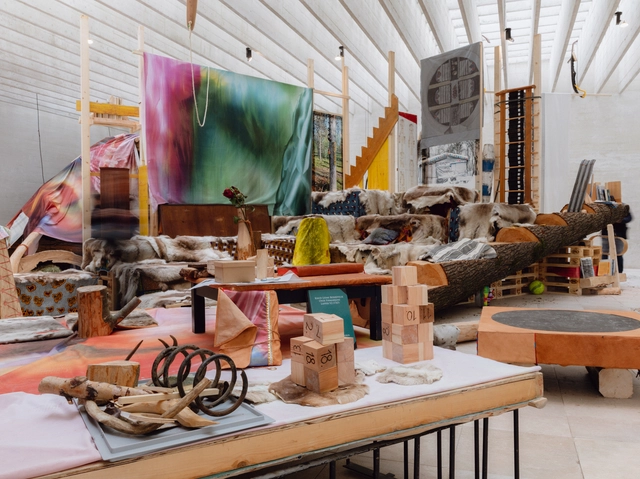
In light of the looming climate crisis and the pursuit of sustainability, the concepts of revival and reuse have emerged as crucial strategies in the quest for decarbonization in the architecture industry. These principles preach that creating new structures may be sustainable but encourage architects to minimize their ecological footprint by reactivating and recycling existing resources. This year specifically, innovative projects in line with these themes were displayed as part of the 18th International Architecture Exhibition – La Biennale di Venezia. This world-renowned event’s core purpose is to serve as a platform for architects, designers, and thinkers to collectively reimagine sustainability, decarbonization, resource conservation, and the industry's future.
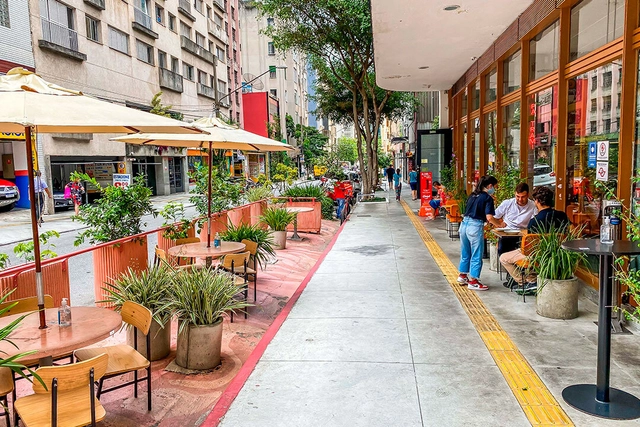
Twenty-one years after the passage of the federal City Statute (Estatuto da Cidade)—which regulated the “Urban Policy” chapter of the Brazilian Constitution, leading to the formulation of several master plans for 21st-century cities with more than 20,000 inhabitants and, now, the opportunity to revise many of them—it seems timely to tune our radars to a highly relevant topic for all cities, and one we have consistently struggled to address: our sidewalks!
I am referring to various aspects of their use and purpose, their regulatory mechanisms, their maintenance, and their design... Let us look at them.
Lagos, Nigeria. Photo: Dami Akinbode, via Unsplash
African countries have issued a stark joint declaration calling on major polluting nations to help poorer countries develop without further destroying the planet's climate and ecosystems, as wealthy nations did. They advocate for a global carbon tax as the primary mechanism to enable sustainable investment in vulnerable countries.
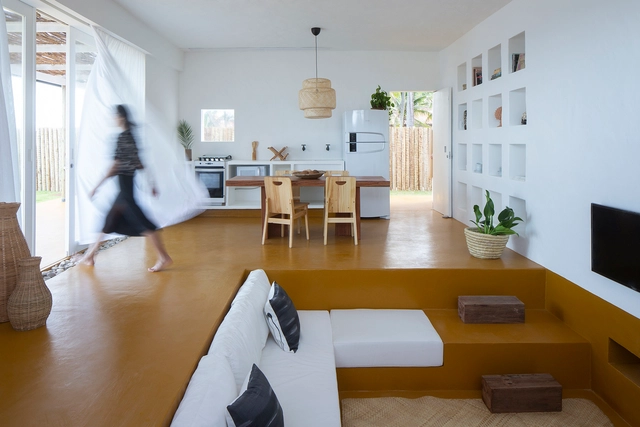
Implemented as a means to take full advantage of space, built-in furniture has grown in popularity as well as ingenuity as designers tackle the needs and tastes of a wide range of users. It's ability to adapt and integrate into architectural spaces allows it, through a variety of configurations and materials, to fulfill various functions; however, this poses an interesting question. Is it truly the furniture that adapts to our living spaces? Could it not itself become the protagonist and creator of the spaces that we project?
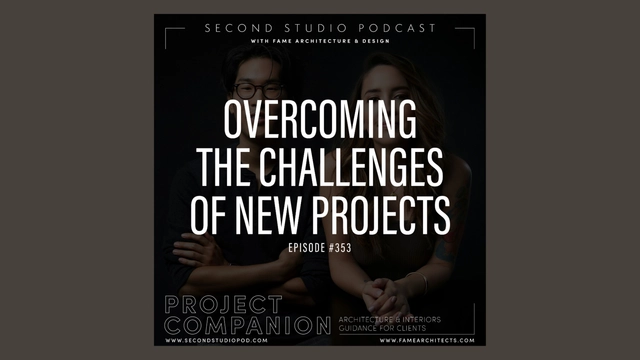
The Second Studio (formerly The Midnight Charette) is an explicit podcast about design, architecture, and the everyday. Hosted by Architects David Lee and Marina Bourderonnet, it features different creative professionals in unscripted conversations that allow for thoughtful takes and personal discussions.
A variety of subjects are covered with honesty and humor: some episodes are interviews, while others are tips for fellow designers, reviews of buildings and other projects, or casual explorations of everyday life and design. The Second Studio is also available on iTunes, Spotify, and YouTube.
This week David and Marina of FAME Architecture & Design discuss one of the ways they begin projects with new clients with their Project Starter Service. Embarking on a project can be daunting for those unfamiliar with the architecture, design, and construction industry. The initial onboarding phase—prior to the contract being awarded—also poses challenges for architects and professionals. In this episode, they discuss one way to have a smoother start for everyone that establishes a strong foundation for the project to build on.
https://www.archdaily.com/1007951/the-second-studio-podcast-overcoming-the-challenges-of-new-projectsThe Second Studio Podcast
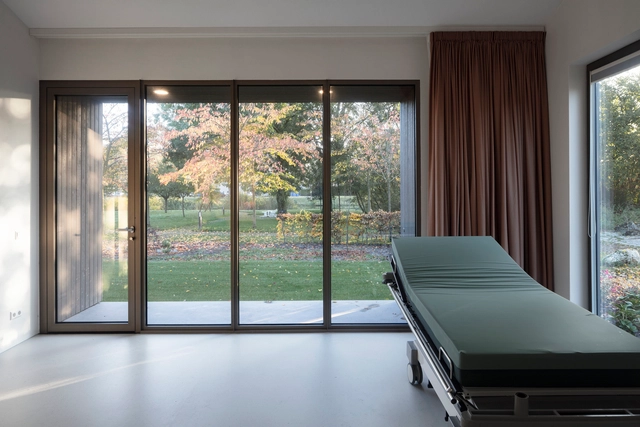
Hospice care is a specialized form of palliative care that seeks to provide comfort and quality of life to patients facing serious and terminal illnesses. These environments play a crucial role in the patient's final journey, and the intersection of neuroscience and architecture can be a powerful tool to make them even more welcoming. In these settings, neuroscience applied to architecture can be used to design spaces that promote the emotional and physical well-being of patients.
As part of the XXVI Arquisur Congress “Turns of Architecture,” held from October 11 to 13 at the Faculty of Architecture, Design and Urbanism of the University of the Republic of Uruguay, the winners of the 2023 edition of the Arq. José Miguel Aroztegui Award for Architecture Students, the Arquisur Research Award, and the Arquisur Outreach Award were announced.
https://www.archdaily.com/1136116/discover-the-winners-of-the-2023-arquisur-awardsClara Ott
More than one billion babies and children live in urban environments. However, the way cities are planned fails to consider their needs, or those of the people responsible for their care. To support decision-makers, urban planners, and transportation professionals in improving access to urban opportunities for thousands of Brazilian children, ITDP Brasil has launched Access for Babies, Toddlers, and Caregivers, developed in partnership with the Bernard van Leer Foundation.
https://www.archdaily.com/1136398/are-our-cities-meeting-the-demands-of-babies-and-childrenITDP Brasil
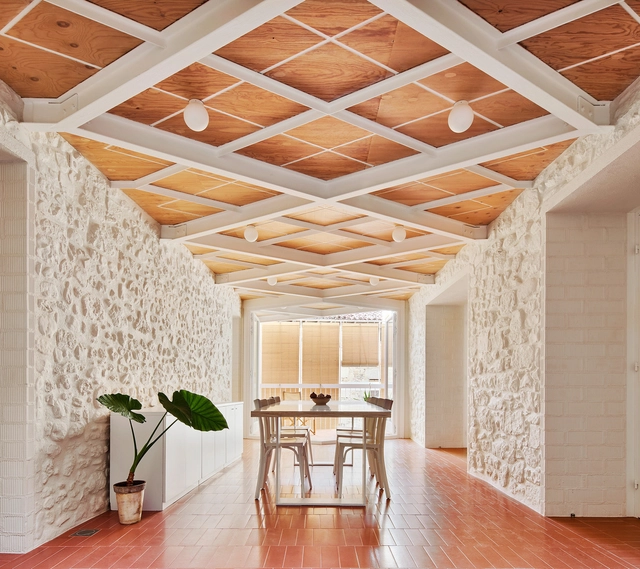
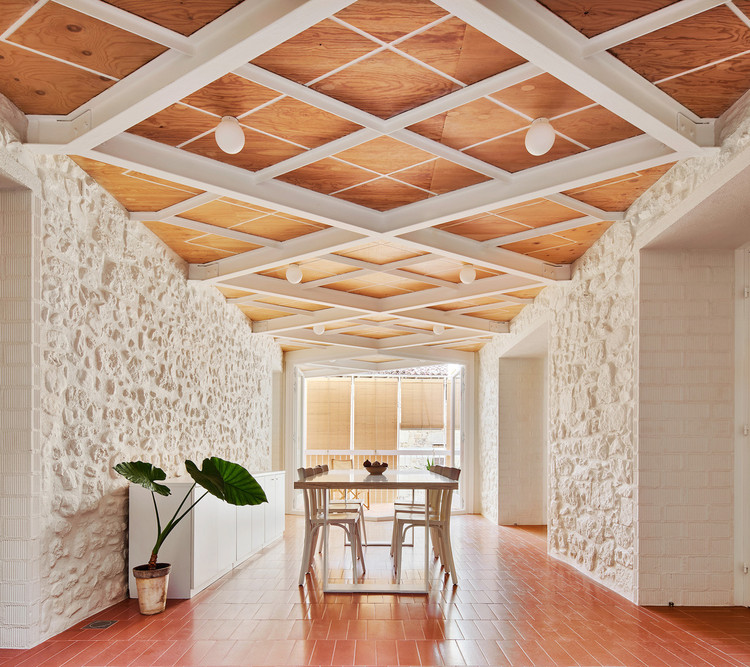
Renovation of a Village House / unparelld’arquitectes. Image
Perhaps one of the most common phrases you'll hear when talking about interior renovations is "whatever you initially planned on spending, double it, and double the time with it". Renovations, regardless of their scale, can be very time consuming and costly, especially when unexpected changes pop up last minute. However, we are often met with situations where the interior layout is no longer efficient or we feel that the interior design is a little outdated and its time for a change.
Giving your space an upgrade does not necessarily mean spending all your savings, and spending less does not necessarily mean low quality work. From doing the construction work yourself, to giving furniture pieces completely new functions, here are different ways you can renovate residential and commercial interior spaces without breaking the bank.