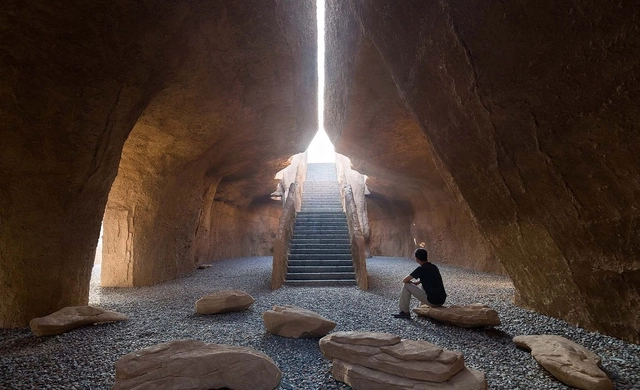
Few countries showcase living history like China. From the iconic Forbidden City to diverse landscapes and building styles, China has a rich cultural and architectural legacy. As the world’s largest construction market, the country continues to invest in new projects. At the same time, this rapid urbanization and accelerated development is juxtaposed with ancient building sites intertwined with layers of history and collective memory.
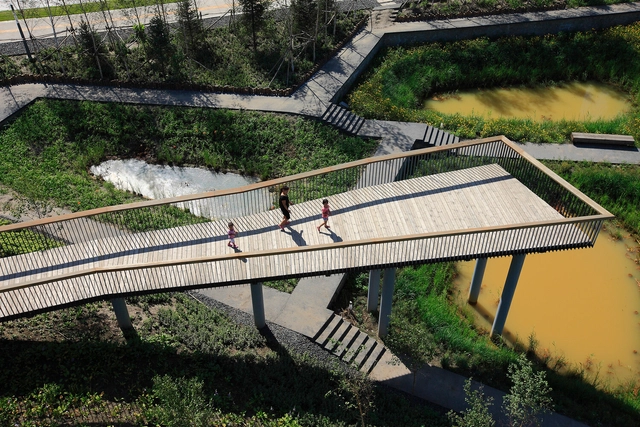
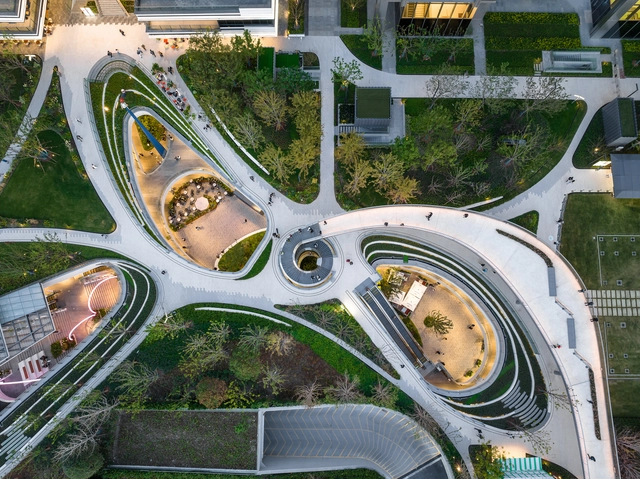
Rainwater Source Park / Turenscape. Courtesy of Turenscape
The climate emergency manifests itself in Brazilian cities in various ways: floods in the South, coastal surges in Rio de Janeiro, storms causing power outages in São Paulo, wildfire smoke in Manaus, droughts in Amazonian rivers, and heatwaves in the Midwest. Therefore, integrating the fight against climate change into public planning is crucial.
https://www.archdaily.com/1135924/free-e-book-teaches-how-to-use-nature-based-solutions-in-urban-projectsArchDaily Team
No País dos Arquitectos is a podcast created by Sara Nunes, who is also responsible for the architectural film production company Building Pictures. The podcast aims to get to know the professionals, projects, and stories behind benchmark contemporary Portuguese architecture. With just over 10 million inhabitants, Portugal is a highly intriguing country within this professional field, and its architectural output far exceeds what its population or territorial scale would suggest.
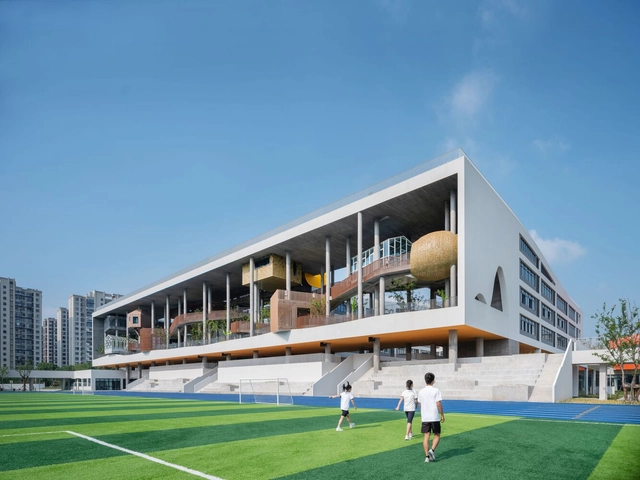
Huizhen High School by Approach Design Studio - Zhejiang University of Technology Engineering Design Group Co.,Ltd_Huizhen High School by Approach Design Studio. Photo Courtesy of WAF23
The World Architecture Festival announced the ultimate accolades of World Building of the Year, World Interior of the Year, Future Project of the Year and Landscape of the Year. A host of Special Prizes, including the International Building Beauty Prize, Best Use of Colour Prize and Small Project of the Year were also announced at the closing event, to celebrate the sixteenth edition of the festival. The announcement follows the final day of WAF, in which prize winners across all 44 categories competed for the winning titles.
Local communities are more than just a collection of buildings and infrastructure. They possess a distinctive architectural character that mirrors their history, culture, and values. As part of our year in review, we take a deep dive into the top narratives that examine the architectural identity of different local communities.
These stories explore a wide range of topics, including unique geographic territories, cultural tribes, iconic landmarks, communal collaboration, and socio-ecological urban planning. Through these narratives, we uncover the captivating tales behind the buildings and public spaces that shape certain cities and towns.
The Choctaw Casino and Resort expansion in Durant, OK, USA, completed in 2021, included enlarging the casino, adding 1,000 hotel rooms, conference areas, shops, and other amenities. The entire undertaking was accomplished in just 2.5 years, with an impressive 350,000 square feet of tile installed within a mere six months. The core focus of the project was to waterproof approximately 1,200 showers to ensure their longevity. The combination of high-quality installation systems, thorough training, effective communication, and collaboration were pivotal in achieving alignment on project goals and execution.
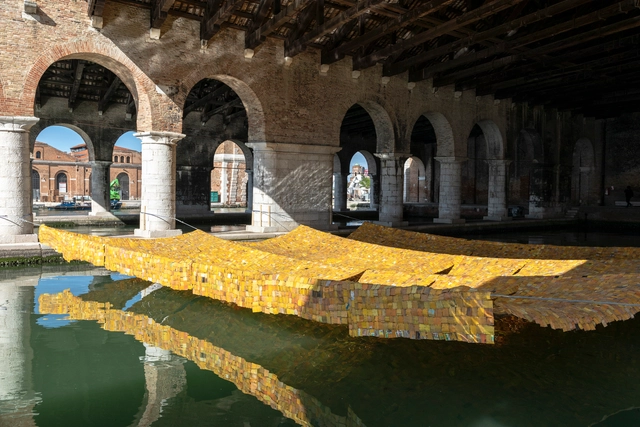
The 18th International Architecture Exhibition of La Biennale di Venezia closed on November 26th. A total of 285,000 people visited the exhibition, making it the second most highly attended Architecture Biennale in its history. Named "The Laboratory of the Future," this edition led by curator Lesley Lokko, has been the first to focus on Africa and its diaspora, exploring the “fluid and enmeshed culture of people of African descent that now straddles the globe,” in the words of the curator, with themes of decolonization and decarbonization.
This edition has attracted a wide array of visitors, 38% of whom are represented by students and young people. Visitors organized in groups represented 23% of the overall public, with a large majority of groups coming from schools and universities. The numbers denote an event centered on the transmission of knowledge and circulation of ideas.
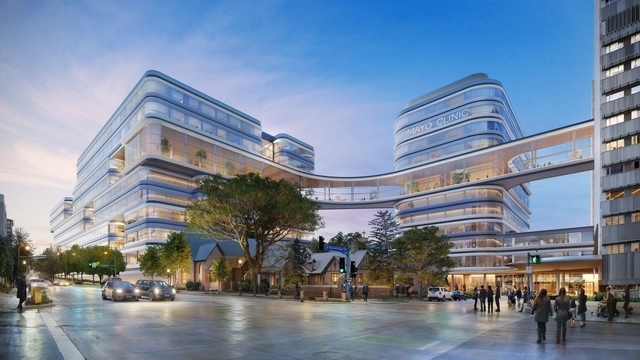
Foster + Partners, in collaboration with CannonDesign and Gilbane Building Company, have unveiled the new plans for a Mayo Clinic healthcare vision in Rochester, Minnesota. Named “Bold. Forward. Unbound.” This initiative presents a multiyear strategic endeavor aligned with Mayo Clinic’s strategy to “cure, connect, and transform healthcare globally.” Reimagining the institution’s campus, the design introduces new facilities that merge care concepts and digital technologies.
Sameer Makarius was born in Cairo in 1924. In 1933, he immigrated with his family to Berlin. At the age of ten, his father gifted him a camera, marking the beginning of his journey with photography. Following the outbreak of the Second World War, in 1940, they moved to Budapest, where he completed his secondary education, began his artistic training, and connected with the protagonists of the local avant-garde. In 1946, he embarked on his return to Egypt with a prior stop in Zurich. There, he organized an exhibition of Hungarian modern art with the support of Max Bill. Back in Cairo, he worked as a decorative artist for advertising and also for an architecture and construction studio.
His artistic work arrived in the Río de La Plata a few years before he did, through his partner Eva Reiner, who was already living in Argentina with her family. In 1948, she lent one of his works for the MADI art exhibition organized in the workshop of the German sculptor Martin Blaszko. After marrying Eva in Egypt in 1952, they traveled together to Paris, where they worked as pattern designers. They finally arrived in Buenos Aires in April 1953, a city that would become their permanent residence. His migratory journey was marked by the drama of war. At the same time, during these displacements, Makarius built a network of relationships around photography, visual arts, and architecture that allowed him to unfold his work in various territories and formats.
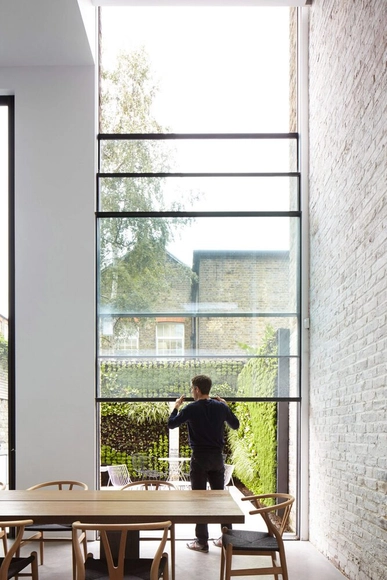
When it comes to windows, we can see how much the industry's technology has evolved over time. While the first versions of windows were small and not very transparent, today we can find large sheets of glass that blur the boundaries between the inside and outside, and can create virtually translucent façades. And this doesn't have to be limited to fixed glass. These days, we can use huge glazed surfaces that can be easily handled, thanks to a great deal of research and experimentation by manufacturers to improve components and raw materials. To create a large frame, for example, larger furnaces are needed for tempering, and strict technical control is required, demanding precision and high-quality standards, along with structural bonding using modified silicones and silyl-based polymers.
In an effort to bolster public care and personal hygiene services for the unhoused population, the Ministry of Human Rights and Citizenship (MDHC) has established the Street Support Points Program (PAR). The initiative aims to provide public spaces and facilities managed in partnership with civil society organizations.
https://www.archdaily.com/1136316/street-support-points-program-promoting-care-and-hygiene-for-the-homeless-populationArchDaily Team
The second round of award winners of the 2023 World Architecture Festival have been announced, following Day Two of live presentations at Marina Bay Sands in Singapore, in which hundreds of shortlisted projects were presented by practices from around the world. Amongst today’s category award winners of the world’s largest international live-judged architectural event there were six projects from Australia and four projects each from Iran and the United Kingdom.
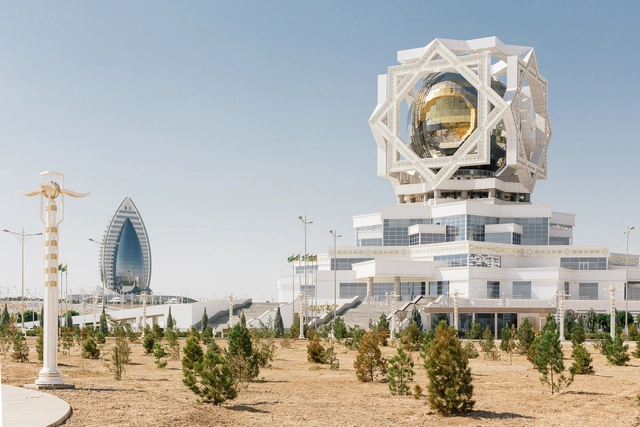
Arnau Rovira is a photographer who found himself in Turkmenistan by accident. From Barcelona, he recalls the story of how he found himself in its capital, Ashgabat, accompanying sports journalists for the 2017 Asian Indoor and Martial Arts Games. This Central Asian country, a former colony of the USSR, is known not only for its strict access and control restrictions but also for its white and golden structures that create a futuristic city near the border with Iran.
With its sights set on the future, in 2024, the Universidad Católica del Uruguay is adding the Architecture, Design, and Environment program to its academic offerings. Felipe Reyno, PhD in Architecture and director of this new degree program, reflects on the need to train architects with a contemporary, contextual, diverse, critical, and collaborative perspective.
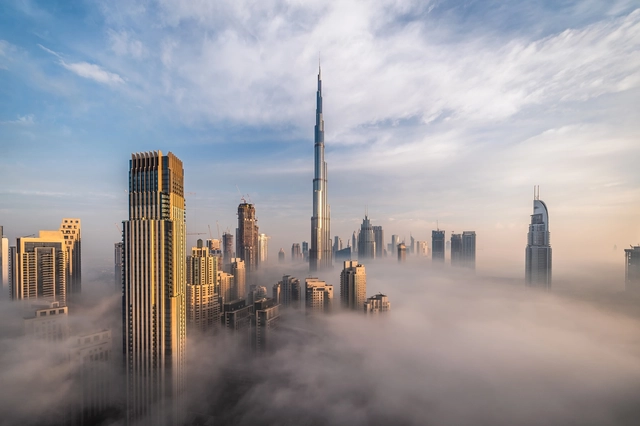
On November 30, 2023, the UN COP28 climate summit begins in Dubai, the United Arab Emirates. The name stands for the Conference of the Parties under the UNFCCC, and symbolizes the annual meeting of world governments for the purpose of establishing strategies to limit the extent of climate change and its adverse effects. Last year’s summit concluded with several important measures, including the promise of a global fund aimed at providing financial aid to developing countries affected by climate disasters.
The main purpose of COP is to reinforce the commitments of the Paris Agreement, signed in 2015, which strives to keep the global temperature rise under 1.5C degrees. As the construction industry accounts for 39% of global emissions, architecture plays an important role in helping to lower our carbon footprint, making COP28 a crucial event for architects.
There are numerous intersections between art and architecture, including aesthetic enjoyment, formal element composition, the relationship with the environment, and abstraction. The unique combinations of these aspects distinguish each architecture office or artist in their practice and language. Diogo Aguiar Studio is an architecture office that actively explores these intersections, pushing the boundaries that traditionally separate art from architecture.
Each project is built on the dynamic interaction between architecture and art, serving as its foundation and driving force. This approach yields work that addresses functional requirements and ventures into uncharted territories of spatial research. Notably, materials exploration and sensory aspects in both architectural and immersive artistic spaces stand out as a significant aspects of their endeavors.
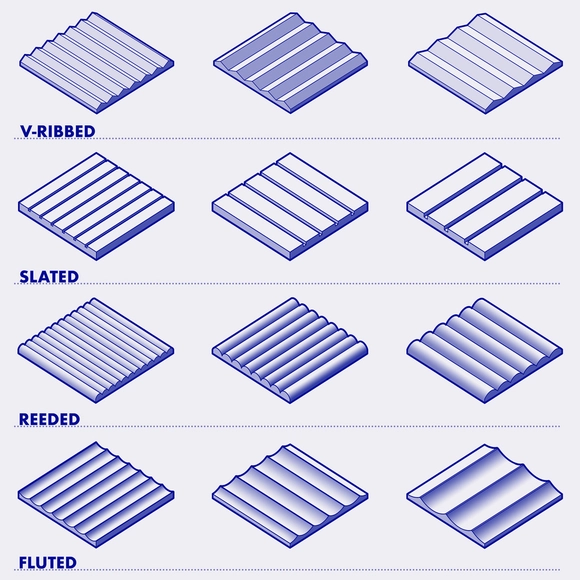
Trends always come and go in the ever-evolving, somewhat cyclical landscape of interior architecture. Whether it’s a new aesthetic, an innovative wall treatment or the latest viral color, certain design features rise to prominence all the time in this dynamic industry. Some fade as quickly as they emerge or resurface in new forms years later, while others endure and stand the test of time through continuous reinvention –often thanks to their versatile and adaptable nature. Ribbed paneling is a clear example of the latter. With its ability to add texture and visual allure to various design styles, it has been a popular cladding choice for bedrooms, kitchens and living spaces in recent decades. And now more than ever, fitting with current preferences that lean towards sleek, tactile and structured elements, it has consolidated its presence in contemporary residential interiors.
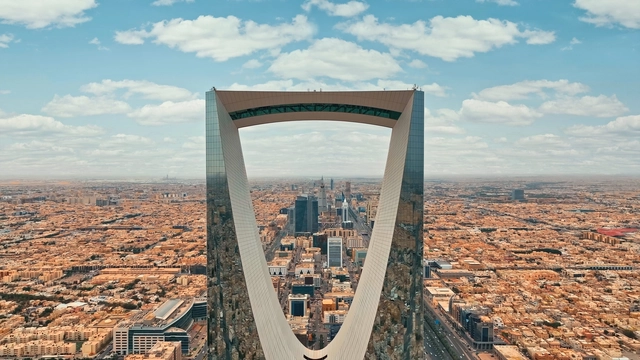
The Bureau International des Expositions (BIE) announced yesterday, on Tuesday, November 28, that Riyadh, the capital city of the Kingdom of Saudi Arabia has been selected to host the 2030 World Expo, by securing the necessary two-thirds majority of votes in the first round. Marking another milestone for the Gulf, following Dubai's Expo 2020 and Qatar's hosting the FIFA World Cup in 2022, this five-yearly event draws millions of visitors and investments. Under the theme, "The Era of Change: Together for a Foresighted Tomorrow", Expo 2030 Riyadh will run between 1 October 2030 and 31 March 2031.
Competing against South Korea's port city of Busan and Rome in Italy, Riyadh won the bid with 119 votes, while Busan received 29 votes, and Rome got 17 votes out of the 182 members of the Paris-based Bureau International des Expositions (BIE). Other explored subjects were the themes of “Transforming Our World, Navigating Toward a Better Future” by Busan and “People and Territories: Regeneration, Inclusion and Innovation”, for Rome.
Whether through small samples of materials or a digital collage, a moodboard is a valuable project tool for architects and designers; an inspiration board with colors and elements to guide choices. The objective is to use this as an inspirational tool for upcoming projects, in order to define backgrounds, predominant textures, and standout details. To this end, surfaces play a fundamental role in defining a space and setting the tone of the space, just like a piece of music, where all the other elements may or may not match the harmony of the chosen palette.
The first award winners of the 2023 World Architecture Festival have been announced, following Day One of live presentations at Marina Bay Sands in Singapore, in which hundreds of shortlisted projects were presented by practices from around the world. Amongst today’s category award winners of the world’s largest international live-judged architectural event are MAD Architects, Woods Bagot and Nextoffice, Studio of Architectural Research & Design, who won across three individual categories.
Videos
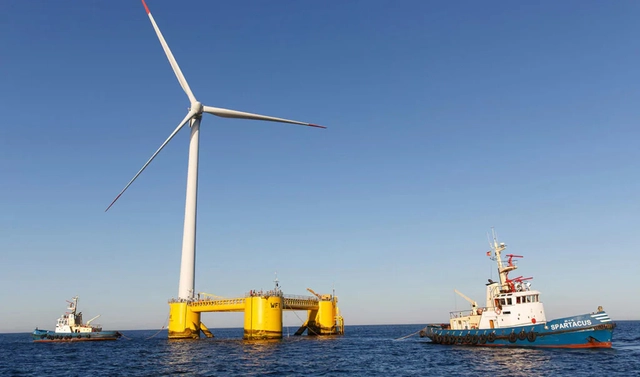
One of the floating wind turbines installed in Portuguese waters. Photo: EDP
Between October 31 and November 6, 2023, Portugal produced more than enough renewable energy to meet the entire country's demand. While fossil fuel plants were still operational, the clean energy generated was more than sufficient to supply the grid. Consequently, consumer electricity rates dropped drastically.
The built environment represents, for most of us, the background of everyday life, and yet, when we look at a building, we rarely understand what it is made of. In doing so, we also fail to understand its impact on us and on the larger systems of nature. Office Kim Lenschow aims to draw attention to this and to provoke critical thinking in relation to architecture and the materials that make it. By focusing on small-scale, mostly residential projects, the office seeks to reveal this hidden narrative of materials and cultivate more awareness and engagement with the structures surrounding us. For their involvement in the exploration of materials and sustainable development, Office Kim Lenschow has been selected as one of the ArchDaily 2023 New Practices. Every year since 2020, ArchDaily has curated and highlighted emerging offices that bring a new perspective to the field of architecture and design.
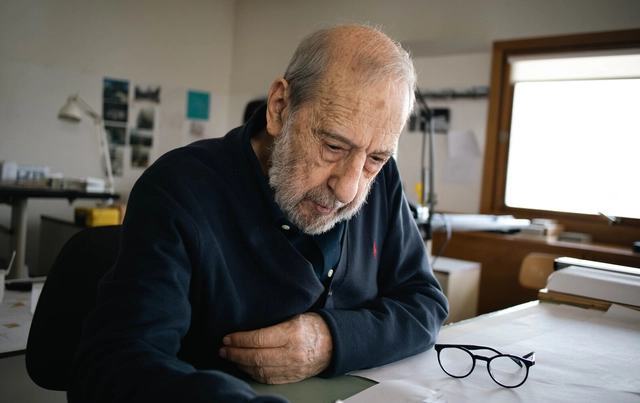
Álvaro Siza, Portugal's first Pritzker Laureate, is undeniably a figure of major importance in the history of contemporary architecture, with projects that have reshaped the urban landscapes of numerous cities around the world. While his name and work are widely known, Siza is a highly private and introspective person who prefers to keep his personal life out of the spotlight.
Directed by producer and director Augusto Custódio, the documentary SIZA offers a more intimate and personal look at the renowned Portuguese architect. The film covers his childhood, his relationship with his wife, his passion for sculpture, and his admiration for classical music, exploring his influences and professional journey.